South Dakota ATV Lien Release
It's a fantastic feeling to finally pay off that ATV or UTV, isn't it? You've made all the payments, the beast is officially yours, and you're ready to hit the trails with a clear conscience. But then you realize there's still a "lien" on the title, and suddenly, that sense of freedom feels a bit tied up. Getting that lien officially removed from your South Dakota ATV title can sometimes feel like navigating a maze, especially if you've never done it before or if the paperwork isn't immediately obvious. This guide is here to walk you through the entire process, making sure you understand each step to get that clean, unencumbered title in your hands.
Understanding What an ATV Lien Is and Why It Matters
Before we dive into the "how-to," it's really helpful to grasp what exactly a lien is and why it's such a big deal. Think of it as a financial claim or a security interest that a lender (like a bank, credit union, or even a private seller) places on your ATV or UTV. It essentially means that while you possess and ride the machine, the lender technically has a legal right to it until the loan is fully repaid. They're safeguarding their investment, ensuring that if you stop making payments, they have a claim to the vehicle.
The Basics of a Lien on Your Off-Road Vehicle
When you purchase an ATV or UTV with financing, the lender wants to make sure their money is secure. So, when the title is issued, it's typically sent directly to them or lists them as the "lienholder." This notation on the title acts as a public record, clearly stating that someone else has an interest in the machine. It’s a standard practice for virtually any financed vehicle, whether it’s a car, truck, or your beloved off-road machine. Without this mechanism, lenders would be far less likely to provide loans for vehicles, and many of us wouldn't be able to afford our machines upfront.
It’s not just big banks that can place liens. If you bought your ATV from a private seller and they offered you a payment plan, they might also place a lien on the title until you've paid them in full. This protects both parties by formalizing the agreement. Knowing whether your machine has a lien is critical, and a quick glance at your title documents will usually tell you immediately. If the title is missing, you might need to [South Dakota ATV Title Lookup] to check its status.
Why a Lien Holds Up Your Plans
Having an active lien on your ATV title can really throw a wrench into future plans. The most significant impact is on selling or transferring ownership. You generally cannot legally sell your ATV to another person or trade it in at a dealership without first satisfying and releasing the lien. Why? Because the lienholder still has a financial claim to the vehicle. A buyer won't be able to get a clean title, and no one wants to buy an ATV with someone else's debt attached to it. It complicates the transaction immensely and can make buyers wary.
Beyond selling, a lien can sometimes complicate insurance claims (though not always, as insurance typically pays out to cover the lien first), or even just getting a [South Dakota ATV Title Transfer] into your name if you've bought it privately and the previous owner hadn't cleared their lien. Essentially, until that lien is officially removed, you don't have absolute, unencumbered ownership of your machine. It’s a bit like having a leash on your freedom to fully control your property.
The Steps to Releasing an ATV Lien in South Dakota
Alright, let's get down to the nitty-gritty of actually getting that lien off your South Dakota ATV title. The process generally involves three key stages: paying off the debt, getting the official release document, and then formally submitting that document to the appropriate state authority.
Satisfying the Debt: The First Crucial Step
This might sound obvious, but the very first thing you must do is completely pay off the loan or debt secured by your ATV. This means ensuring that your final payment clears the balance in full, including any interest or fees. Most lenders will send you a statement confirming your payoff amount, or you can call them directly to confirm. Don't assume that just making the last scheduled payment automatically zeroes out everything; sometimes there are small, final interest accruals or fees that need to be settled.
Once you’ve made that final payment, give it a few business days to process. You might receive a confirmation from your lender that the loan is paid in full. This step is entirely between you and your financial institution. It’s important to keep records of your payments, especially the final one, and any communication confirming the payoff. This documentation can be invaluable if there are any hiccups later on.
Obtaining the Lien Release Document
This is arguably the most critical part of the entire process. After you've paid off your loan, your lender is legally obligated to provide you with an official lien release document. This document is the proof that their claim on your ATV has been satisfied. In South Dakota, this is often referred to as a "Notice of Security Interest Filing" or simply a lien release letter. It typically includes:
- The name and address of the lienholder (your bank or credit union).
- Your name and address.
- The Vehicle Identification Number (VIN) of your ATV or UTV.
- A clear statement that the lien has been satisfied and is released.
- The date of release.
- An authorized signature from the lienholder.
Lenders usually mail this document to you automatically within a certain timeframe after payoff – often a few weeks. However, sometimes delays happen, or the document gets lost in the mail. If you haven't received it after a reasonable period (say, 3-4 weeks), don't hesitate to call your lender and inquire about its status. You might need to request a duplicate. When speaking with them, be sure to confirm the mailing address they have on file for you. Some people even prefer to pick up the document in person if their lender has a local branch and allows it.
It's important to remember that this must be an original document; copies or faxes are generally not accepted by the county treasurer's office for official title updates. If you're dealing with a private lien, it’s a good idea to ensure the release document is as formal as possible. Resources like LawDepot offer templates for various legal documents, which, while not specifically for South Dakota ATV liens, can give you an idea of the necessary formal language and structure for a basic lien release agreement between private parties. Always ensure it includes all the crucial identifying information for both parties and the ATV.
Presenting the Release to the County Treasurer
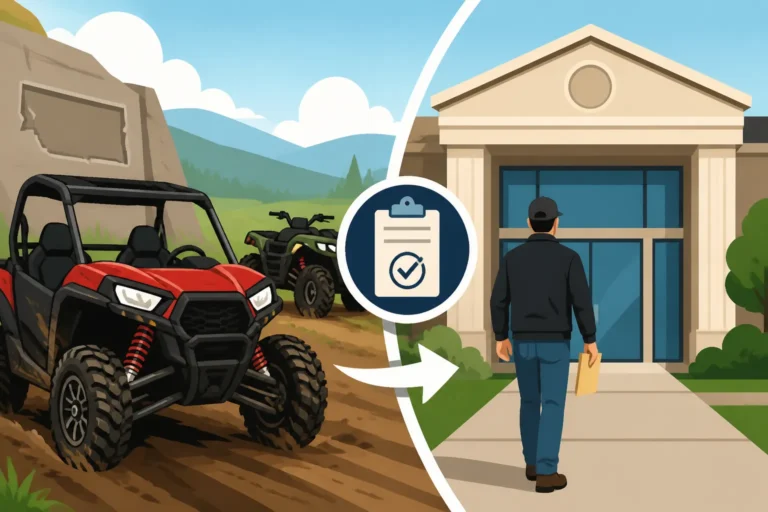
With your original, official lien release document in hand, you're now ready for the final step: getting the lien removed from your physical title. In South Dakota, [Why a County Treasurer Handles South Dakota Titles], so you'll need to visit your local county treasurer's office. This is where the magic happens and your title officially becomes "clean."
When you go to the treasurer's office, you'll need to bring:
- The original South Dakota ATV title. If your lender was holding onto it, they should have mailed this to you along with the lien release. If they didn't, contact them immediately to have it sent.
- The original lien release document. As mentioned, copies won't cut it.
- Your valid identification.
- Any applicable fees. There might be a small fee for processing a title update or for a new title without the lien notation. Always be prepared for this.
The county treasurer's staff will review your documents, verify the lien release, and then process a new title that no longer shows the lienholder. This new, clean title will then be mailed to you, typically within a few weeks. Make sure your mailing address is correct with the treasurer’s office before you leave. This new title is the ultimate proof that your ATV or UTV is entirely yours, free and clear!
Common Hurdles and How to Overcome Them
While the process of releasing a lien is fairly straightforward on paper, real life often throws curveballs. Knowing what some common issues are and how to tackle them can save you a lot of frustration.
Lost or Delayed Lien Release Documents
This is probably one of the most frequent problems. You’ve paid off your loan, you’re eagerly awaiting that release, and…nothing. Or, perhaps it arrived, and you misplaced it before getting to the treasurer's office.
What to do:
Your first point of contact should always be the original lienholder. Call their loan servicing department, explain the situation, and request a duplicate lien release. Be prepared to provide your VIN, loan account number, and any other identifying information they might need. Most financial institutions have a process for issuing duplicates, though it might take a little extra time or involve a small fee. Be persistent but polite. If you are having trouble getting a timely response, it can sometimes help to send a formal written request, keeping a copy for your records, to create a paper trail.
Dealing with Out-of-State Lenders
In our modern world, it's common for people to finance vehicles through lenders that aren't physically located in South Dakota. This usually doesn't create major issues, but there are a few things to keep in mind. The process for obtaining the lien release document remains the same – you still work directly with your lender. However, the mailing time for your original title and release might be slightly longer, and any customer service hours might be based on a different time zone.
The crucial part is still presenting the South Dakota title and the lien release to your local South Dakota county treasurer. They are the authority for your state's titles, regardless of where the lien originated. The key is that the lien release document must be valid and verifiable from the out-of-state lender. You will still handle the update with your local South Dakota county office, such as [South Dakota's Lawrence County Treasurer] if you live in that area.
When the Original Lienholder is No Longer Around
This can be a trickier situation. What if the bank that held your loan merged with another bank, went out of business, or if the private seller who issued the lien is now unreachable?
What to do:
- Mergers/Acquisitions: If your original lender merged, their legal obligations (including lien releases) are usually assumed by the new entity. You'll need to research which bank acquired them and contact the acquiring institution's loan servicing or lien release department. This might involve a bit of detective work, but it's usually solvable.
- Out of Business: If a private lender or small credit union genuinely went out of business with no successor, this becomes more complex. You might need to consult with a legal professional to explore options, which could include filing an affidavit with the county treasurer swearing that the debt has been satisfied and the lienholder is defunct. This is a last resort and specific legal advice would be necessary. LawDepot, for instance, offers various legal forms and guidance, which can be useful for understanding different types of affidavits or legal declarations, although specific legal advice for a defunct lienholder would require a local attorney.
- Unreachable Private Seller: For a private seller lien, if they've moved or are unresponsive, you might face a similar situation. Document all your attempts to contact them. Depending on the amount, you might need to seek legal counsel for options to clear the title, which could involve court orders or specific affidavits.
This is a scenario where having robust documentation of your payments, especially final payments, becomes paramount.
What Happens After the Lien is Released?
Once you’ve jumped through all the hoops and that lien is officially off your record, there are some great benefits and important things to know moving forward. It truly signifies a new chapter for you and your ATV!
Receiving Your Clean South Dakota Title
After you submit your lien release document to the county treasurer's office, they will process the paperwork and then issue you a brand-new title. This title will look largely similar to your old one, but with one crucial difference: there will be no mention of a lienholder. It will simply list you as the sole owner of the ATV. This is what's referred to as a "clean" title.
The new title will usually be mailed to you directly. [How Long Before a Title Arrives From the County] can vary, but generally, you can expect it within a few weeks. It's important to store this original title in a safe place, like a fireproof safe or a secure document box, separate from where you keep the ATV itself. You'll need this original document for any future sale or transfer of the machine. Remember, [Why the Treasurer Will Only Take the Original Title] for these kinds of updates.
Implications for Selling or Transferring Your ATV
Having a clean title makes life much, much easier when it comes time to sell or transfer your ATV. With no lien noted, you can confidently list your machine for sale, knowing that any potential buyer can get a clean title transferred into their name without any hassle or additional paperwork. This removes a significant barrier for buyers and can speed up the sales process.
When you sell, you will simply sign over the clean title to the new owner, often accompanied by a [A South Dakota Bill of Sale for an ORV]. The buyer then takes this signed-over title (and bill of sale) to their county treasurer’s office to register the ATV in their name. There’s no need to coordinate with a bank or deal with a third-party lienholder. This straightforward process benefits both the seller and the buyer, making the transaction transparent and smooth. Whether you're upgrading to a newer model or just parting ways with your trusty machine, a lien-free title is your golden ticket to a hassle-free sale.
Here's a quick overview of the lien release process:
| Step | Description | Key Document/Action | Where to Go |
|---|---|---|---|
| 1. Satisfy the Debt | Pay off your ATV loan in full. | Final payment receipt, loan payoff confirmation. | Your financial institution |
| 2. Obtain Lien Release | Get the official document stating the lien is satisfied. | Original Lien Release document (from lender). | Mailed by lender or picked up at branch |
| 3. Present to County Treasurer | Submit the release and original title to get a clean title issued. | Original Lien Release, Original ATV Title, ID, Payment for fees. | Your local South Dakota County Treasurer's Office |
| 4. Receive New Title | A new title without the lien notation is mailed to you. | New, clean South Dakota ATV Title. | Mailed to your address |
Disclaimer
This article is for general informational purposes only and does not constitute professional advice. Laws, prices and regulations vary by location and change over time. Consult a qualified professional for guidance on your specific situation.