Closing a Sale at a Treasurer Counter
Trying to navigate the paperwork for a private ATV or UTV sale in South Dakota can feel like untangling a ball of fishing line – confusing, frustrating, and easy to mess up if you don't know where to start. When you're buying or selling one of these machines, eventually you'll find yourself needing to complete the transaction at your local county treasurer's office. This guide is here to walk both buyers and sellers through the entire process of closing an ATV or UTV sale smoothly and legally at the South Dakota county treasurer's counter, so you can ride off into the sunset with peace of mind.
The South Dakota County Treasurer's Role in ATV and UTV Sales
It's natural to feel a bit lost when you're trying to figure out where to go for something as important as titling a new-to-you off-road machine. Many states have a central Department of Motor Vehicles (DMV) that handles all vehicle transactions, but South Dakota has a different approach, especially when it comes to ATVs and UTVs. This decentralized system often catches people by surprise, so understanding it from the outset will save you a lot of headaches.
Why Your Local Treasurer is the Official Hub
When it comes to off-road vehicles like ATVs and UTVs in South Dakota, your county treasurer's office is your primary point of contact for all titling and registration matters. Unlike passenger cars or trucks, which might have more streamlined state processes, ATVs and UTVs often fall under the county's purview for these essential transactions. This means that if you're buying or selling a quad in, say, Lawrence County, you'll be dealing directly with the Lawrence County Treasurer. This local touch can be really helpful, as the staff often have a deep understanding of local specificities, but it also means you can't just walk into any DMV-like office; you need to go to the right county.
The county treasurer's office serves as the official authority for transferring ownership, collecting any applicable sales or excise taxes, and issuing new titles and registrations. They are the gatekeepers of legal ownership for your machine. This local handling of titles is a core part of how South Dakota manages its off-road vehicle documentation, and it's essential knowledge for both buyers and sellers to ensure a smooth transition of ownership. If you're wondering [Why a County Treasurer Handles South Dakota Titles], it largely comes down to administrative structure and localized service delivery for these specific vehicle types.
Because the process is localized, it's always a good idea to check your specific county treasurer's website or give them a call before you head over. Office hours, accepted payment methods, and any particular local requirements can sometimes vary slightly, and a quick call can prevent a wasted trip. They're there to help, and clarifying details upfront can make your visit much more efficient, sparing you the frustration of having to gather more documents or return another day.
What Happens When You Get to the Counter
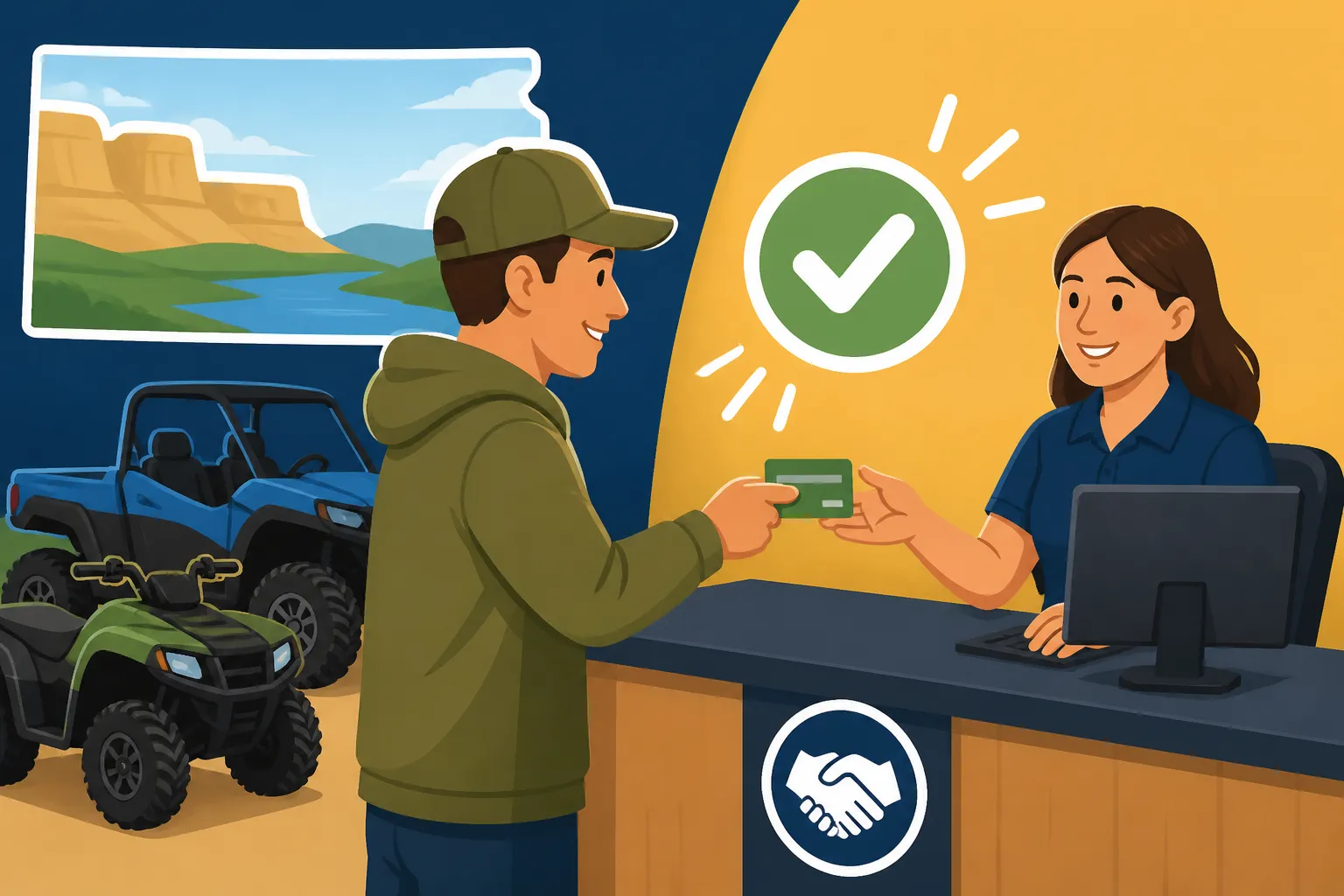
Once you step up to the county treasurer's counter, the process typically involves a series of verifications and exchanges. For a private sale, both the buyer and the seller usually need to be present, especially for the initial signing and verification steps. The seller will present the original title, properly signed over, and any other supporting documents like a bill of sale. The buyer will present their identification and be ready to pay the necessary fees and taxes.
The treasurer's staff will meticulously review all the paperwork to ensure everything is filled out correctly, all signatures are present, and the VIN on the title matches the bill of sale. They'll also verify the identities of both parties involved in the transaction. This isn't just bureaucratic red tape; it's a critical step to prevent fraud and ensure legal ownership is transferred cleanly. They'll also check for any outstanding liens or issues with the title that might complicate the transfer.
Once all documents are verified and processed, the buyer will typically pay the required titling fees, excise tax, and any other miscellaneous fees directly to the treasurer. After payment is confirmed, the treasurer's office will often stamp the original title, provide the buyer with a temporary receipt, and begin the process of issuing a new title in the buyer's name. It's a precise dance of paperwork and payments, all designed to ensure the legal transfer of your new off-road machine.
Essential Paperwork for a Seamless Transaction
The success of your ATV or UTV sale at the county treasurer's counter hinges almost entirely on having the correct documents prepared and filled out properly. Missing just one signature or forgetting a key piece of information can send you right back home, delaying your transaction and causing unnecessary stress. Think of these documents as the building blocks for legal ownership; if one block is missing, the whole structure can become unstable.
The All-Important Original Title
Without a doubt, the most critical piece of paper you’ll need is the original Certificate of Title for the ATV or UTV. As the seller, it is your responsibility to have this document in your possession and to ensure it is clear of any liens. When you sell the machine, you will endorse or sign over the title to the buyer in the designated area. This signature legally transfers ownership. [South Dakota ATV Title Paperwork] can be a bit intimidating, so pay close attention to where you need to sign and date.
As the buyer, it's equally important for you to scrutinize the title before you finalize the purchase. Ensure the VIN on the title matches the machine itself – this is a crucial step to avoid buying a stolen vehicle or one with a "washed" title. Also, check for any open liens listed on the title. If a lien is present, the seller must provide a lien release from the financial institution before the title can be transferred to your name. Dealing with [Titling a Machine With a Lien in South Dakota] requires careful attention to ensure the lien is properly satisfied and released.
What if the seller has lost the title? This is a common hurdle that can complicate the sale. The seller will need to apply for a duplicate title from the county treasurer's office where the machine was originally titled before they can transfer ownership to you. Trying to bypass this step is a recipe for disaster and can leave the buyer without legal proof of ownership. Understanding the process for [Replacing a Lost South Dakota Title] is essential if you find yourself in this situation, and it's always the seller's responsibility to provide a clean, original title.
Crafting a Comprehensive Bill of Sale
While the title handles the legal transfer of ownership, a well-drafted bill of sale acts as a detailed contract between the buyer and seller, providing crucial protection for both parties. It serves as undeniable proof of the transaction, detailing the terms of the sale, the condition of the machine, and the agreed-upon price. Even if your specific county treasurer doesn't explicitly require a bill of sale for the title transfer, it is incredibly foolish to complete a private sale without one. [A South Dakota Bill of Sale for an ORV] should always be part of your transaction.
A robust bill of sale should include the full legal names and addresses of both buyer and seller, the date of the sale, the purchase price, and a detailed description of the ATV or UTV. This description should include the make, model, year, and crucially, the Vehicle Identification Number (VIN) and odometer reading (if applicable). It's also wise to include a statement regarding the machine's condition, often "as-is," which protects the seller from post-sale claims about mechanical issues.
For peace of mind and legal clarity, consider using a reputable template for your bill of sale. Platforms like LawDepot offer user-friendly templates that guide you through all the necessary fields and clauses, ensuring you don't overlook any vital information. This can make the difference between a clear, legally sound transaction and one riddled with potential disputes down the line. A properly executed bill of sale, especially one created using a tool like LawDepot, ensures that all [South Dakota ATV Bill of Sale Requirements] are met, providing a strong record for both parties.
Identification and Payment Methods
When you arrive at the county treasurer's counter, both the buyer and the seller will need to present valid, government-issued photo identification. This could be a driver's license, a state-issued ID card, or even a passport. The purpose is to verify your identity and ensure that the names on the title and bill of sale match the individuals present. This is a non-negotiable step, so don't forget your ID!
Regarding payment, this is a point where communication between buyer and seller, and a quick call to the treasurer's office, can prevent last-minute snags. While some county treasurers may accept personal checks for fees and taxes, others might require cash, a cashier's check, or even debit/credit card payments (though watch out for potential processing fees with cards!). For the purchase of the machine itself, the buyer should arrange funds with the seller in advance. Cashier's checks are generally considered the safest for larger transactions, as they verify funds.
It's absolutely critical that the funds for the purchase price are cleared and verified before the seller signs over the title. Never hand over the title until you are certain you have received secure payment. Similarly, as the buyer, ensure your payment method for the taxes and fees is accepted by the county treasurer. A quick phone call to your specific county treasurer's office before your visit can clarify accepted payment methods, preventing any awkward pauses or failed transactions at the counter itself.
Navigating the Transaction Details and Avoiding Surprises
You've got your documents in hand, you know where you're going, and you're ready to make it official. But there are still specific details and potential pitfalls that both buyers and sellers need to be acutely aware of to ensure the transaction concludes successfully and without any unexpected headaches. This is where attention to detail really pays off, preventing costly mistakes or future frustrations.
What the Seller Needs to Know
As the seller, your primary responsibility at the counter is to properly endorse the title. This means signing in the designated "seller" or "assignment" section, often with a date. Double-check that all fields you are responsible for, such as odometer readings (if applicable to your specific ORV and title type) and your printed name, are accurately filled out. In South Dakota, unlike some other states, notarization for ATV/UTV titles is typically not required for a private sale, which can save a step, but always confirm with your county treasurer.
Beyond the title, ensure you have your copy of the bill of sale. This document is your legal record that you've sold the machine and are no longer responsible for it. It protects you from any future liabilities, such as tickets, accidents, or unpaid taxes attributed to the machine after the sale. Make sure you've received and confirmed payment from the buyer before you finalize the title transfer with the treasurer. Once that title is signed over and the new owner's name is on the receipt, the machine is no longer yours.
If your ATV or UTV was previously licensed for street use in South Dakota (perhaps as a motorcycle, if it met the requirements), remember to remove any license plates. These plates belong to you, not the machine, and can typically be transferred to another eligible vehicle or surrendered. While many ATVs and UTVs are strictly off-road and won't have plates, it's a detail worth remembering if yours did.
The Buyer's Financial and Documentation Checklist
For the buyer, the trip to the treasurer's counter involves more than just receiving the signed title; it involves settling the financial obligations to the state. Be prepared to pay several fees, including the title transfer fee and a technology fee. The most substantial cost you'll likely face is the South Dakota excise tax. This is essentially the state's sales tax on your purchase. [South Dakota's 4 Percent Excise Tax] is applied to the purchase price you declared on the bill of sale or the fair market value of the machine, whichever is greater.
Perhaps the most critical deadline for buyers is the [South Dakota's Forty-Five Day Title Deadline]. You have 45 days from the date of purchase to submit your paperwork and pay all fees at the county treasurer's office. Missing this deadline can lead to penalties. After 45 days, a [South Dakota's 1 Percent a Month Penalty] kicks in. And if you let it go even longer, past 60 days, you'll face additional penalties on the excise tax. These can significantly increase your overall cost, so prioritize getting to the treasurer promptly. Finally, always make sure to physically verify the VIN on the machine matches the paperwork before finalizing the purchase; [Checking a VIN Before a South Dakota Purchase] can save you from a world of trouble.
Common Pitfalls and Smooth Solutions
Even with all the preparation, things can still go sideways if you're not careful. One of the most common pitfalls is incomplete or incorrect paperwork. A missing signature, an incorrectly transcribed VIN, or a blank field on the title or bill of sale can grind the process to a halt. It’s a good practice to go over every single line of the title and bill of sale with the seller before you even leave for the treasurer's office. A comprehensive bill of sale, perhaps one you generated through a platform like LawDepot, will have clear sections to guide you, minimizing the chance of missed information.
Another significant issue that buyers often encounter, or should actively avoid, is the "no title" sale. If a seller tells you they don't have a title for the ATV or UTV, especially one that should legally be titled in South Dakota, this is a massive red flag. While some very old machines or those used exclusively for farm work might have specific exemptions, generally, an ATV or UTV needs a title. Attempting to title a machine without its proper paperwork can be incredibly difficult, if not impossible, and could mean the machine is stolen or has other legal issues. Avoid the heartache and understand why [Buying a Black Hills Quad Advertised With No Title] is a risky proposition.
For our out-of-state friends, be aware of specific nonresident rules. If you're buying an ATV or UTV in South Dakota and plan to use it here, but you're not a resident, you might need a special permit. There can also be an additional fee for titling by an out-of-state owner. Always clarify your residency status and intentions with the treasurer's office to ensure you meet all requirements.
Here’s a quick checklist to help you organize your trip to the treasurer’s office:
| Document/Item | Seller's Responsibility | Buyer's Responsibility | Notes |
|---|---|---|---|
| Original Title | Signed over, no liens | Verify VIN, condition, obtain | Absolutely critical for transfer |
| Bill of Sale | Completed, signed, provide copy | Completed, signed, retain copy | Crucial for protection; use LawDepot template |
| Photo Identification | Valid, government-issued | Valid, government-issued | Required for both parties |
| Payment for Machine | Verify receipt of funds | Provide full, clear payment | Arrange beforehand, e.g., cashier's check |
| Payment for Fees/Taxes | Not applicable (unless a lien is being cleared) | All title, excise, tech, lien fees | Check accepted methods with county treasurer |
| Lien Release (if applicable) | Provide original | Ensure it's provided, clear title | Required if a loan was outstanding |
| Vehicle Inspection | N/A | VIN check, general condition | Protects buyer from issues after sale |
After You Leave the Counter: What Comes Next
Congratulations! You've successfully navigated the paperwork and payments at the county treasurer's office. While the immediate transaction is complete, there are still a couple of post-sale considerations to keep in mind, especially for the buyer, to ensure a complete and legally sound ownership.
Immediate Proof and Future Riding
As soon as you walk away from the counter, the county treasurer's office should provide you with a temporary receipt or some form of documentation indicating that the title transfer has been initiated and that you've paid all applicable fees. This temporary receipt is your immediate proof of ownership and that you've fulfilled your obligations. Keep this document in a safe place, ideally with your copy of the bill of sale. It's important to have this on hand in case you're stopped or questioned about your machine before the official title arrives in the mail.
If you plan on riding your ATV or UTV on designated motorized trails in areas like the Black Hills National Forest, you'll also need to consider obtaining a [Black Hills Motorized Trail Permit Cost]. This permit is separate from your title and registration, and it's essential for legal trail access. Many riders overlook this, thinking their title is all they need, but trail permits are typically required on federal lands. Make sure you understand the rules for where you intend to ride.
It's wise to create a physical and digital file for all your ATV/UTV documents: the bill of sale, the temporary receipt from the treasurer, and eventually, your new title. This organized approach will save you countless headaches if you ever need to reference these documents for insurance, future sale, or any legal inquiries.
The Arrival of Your Official Title
After all the paperwork is submitted and fees are paid, the county treasurer's office will process your application and mail the official Certificate of Title to you. The exact timeline for this can vary, but generally, you can expect it to arrive within a few weeks. It's not an instant process, so don't panic if it doesn't show up in your mailbox within a few days. You can often get an estimate of [How Long Before a Title Arrives From the County] directly from the treasurer's office during your visit.
Once your new title arrives, immediately verify all the information on it: your name, address, the machine's VIN, make, and model. Ensure there are no discrepancies. If everything looks correct, store this original document in a secure location, like a safe deposit box or a fireproof home safe. Never keep the original title on the machine itself or carry it with you when riding, as losing it can be a significant hassle.
What if the title doesn't arrive within the expected timeframe? First, check with the county treasurer's office. They can often track the status of your title application. If it's determined that the title was lost in the mail or misplaced, you will need to apply for a duplicate title. This process, while not ideal, is straightforward, and understanding how to go about [Ordering a Duplicate at the Treasurer] can help you quickly resolve the issue and secure your legal proof of ownership.
Disclaimer
This article is for general informational purposes only and does not constitute professional advice. Laws, prices and regulations vary by location and change over time. Consult a qualified professional for guidance on your specific situation.