Why South Dakota Exempts Adults From Helmets
One of the most common questions I hear from fellow ATV and UTV enthusiasts hitting the trails or cruising the backroads in South Dakota is about helmets. There’s often a lot of confusion, especially for those coming from states with stricter laws, leading to frustration and uncertainty. This guide will clarify South Dakota’s specific helmet laws for adults, explain the nuances, and offer practical advice for staying safe and compliant, whether you're a local or just visiting.
The General Rule: Why Age Matters for South Dakota Helmets
It's a common misconception that all ATV and UTV riders in South Dakota must wear a helmet. While safety advocates, myself included, will always encourage helmet use, the law here is actually quite specific and hinges almost entirely on the rider's age. This distinction is crucial for anyone planning a ride, as misunderstanding it can lead to unnecessary worry or, worse, a preventable accident.
The Under-18 Requirement
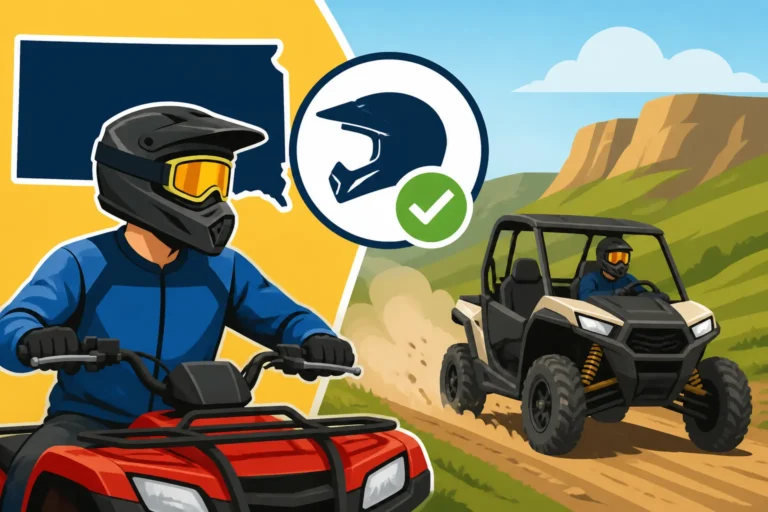
For anyone under the age of eighteen, wearing a helmet while operating or riding as a passenger on an ATV or UTV in South Dakota is not just a suggestion, it's the law. This rule is in place to protect our younger riders, recognizing that they often have less experience, greater susceptibility to serious injury, and are still developing their riding judgment. Whether they're zipping around a private pasture or exploring a designated trail in the Black Hills, if they haven't hit that magic 18th birthday, a helmet is a non-negotiable piece of gear.
Imagine a family weekend out near Custer, with a couple of teenagers eager to explore on their quads. As a parent, you absolutely need to ensure they have properly fitted, DOT-approved helmets. This isn't just about avoiding a ticket; it's about safeguarding their future. A head injury can be life-altering, and South Dakota's law wisely prioritizes the protection of its youngest riders. This applies equally to a 12-year-old taking their first spin or a 17-year-old who feels like a seasoned pro. The law doesn't differentiate based on perceived skill level, only on age. You can find more specific information about this rule in [South Dakota Helmet Rules for ATV Riders].
The Adult Exemption Explained
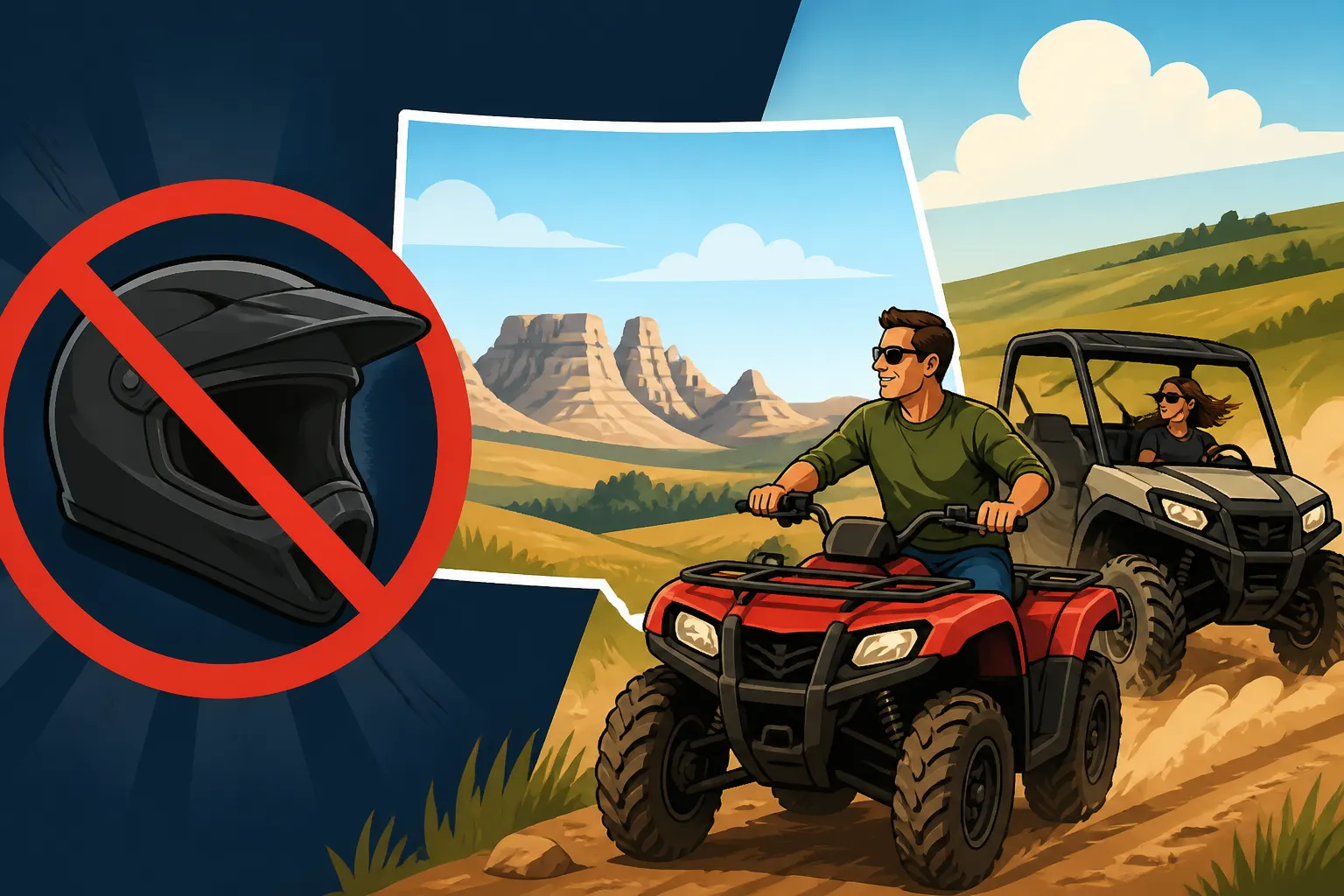
Here's where South Dakota stands apart from many other states: if you are eighteen years of age or older, you are generally exempt from the mandatory helmet law while operating an ATV or UTV. Yes, you read that right. Adults are not legally required to wear a helmet. This is often a pleasant surprise for out-of-state visitors who might expect universal helmet mandates. However, this exemption comes with a significant caveat that many people overlook: it does not negate the need for other protective gear, nor does it excuse you from exercising good judgment.
This exemption gives adult riders the freedom to choose, but with that freedom comes personal responsibility. While you might see riders in the Black Hills National Forest enjoying the open air without a helmet, it's a decision they've made consciously. This rule also extends to passengers who are 18 or older. So, if you're taking your adult partner or friend for a ride, they also fall under the adult exemption. Always confirm the specific requirements, especially if you're bringing a minor along, because [South Dakota Helmet Law for Passengers] is clear on that point. It's a balance between individual liberty and public safety, with the state placing the onus on adults to make informed choices for themselves.
Understanding South Dakota's Eye Protection Mandate
Even with the helmet exemption for adults, there's another crucial piece of safety gear that the law explicitly does require for all riders, regardless of age: eye protection. This often catches people off guard because while they might be focused on the helmet question, they overlook this equally important mandate. Driving an ATV or UTV, whether on a trail, a ditch, or a section line, exposes you to numerous hazards that can severely impact your vision and, by extension, your control of the machine.
What Qualifies as Eye Protection
So, what exactly counts as "eye protection" under South Dakota law? Generally, this means goggles, a face shield (like those integrated into a full-face helmet), or a windscreen on your machine that's tall enough and properly installed to deflect debris and wind from your eyes. Regular prescription glasses or sunglasses, while they offer some protection, typically do not meet the legal standard on their own because they often leave gaps around the eyes, allowing dust, insects, or small rocks to enter.
The intent is to provide comprehensive coverage that shields your eyes from all angles, not just the front. A good pair of riding goggles, designed for off-road use, will seal against your face, preventing debris from getting in and significantly reducing wind discomfort. For those who prefer a more open-face helmet, pairing it with high-quality goggles is essential. If your machine has a windshield, make sure it’s clean, free of cracks that could obstruct your view, and tall enough to protect your eyes when you’re seated in your normal riding position. Remember, it's not just about compliance; it's about maintaining clear vision to react quickly to changing terrain or unexpected obstacles.
When Eye Protection Is Non-Negotiable
Simply put, eye protection is non-negotiable whenever you're operating or riding an ATV or UTV in South Dakota. Whether you're cruising a gravel road, navigating a wooded trail, or crossing a highway, your eyes need to be protected. The dangers are ever-present: dust kicked up by other riders or your own machine, flying gravel, insects, low-hanging branches, or even mud from a puddle. Losing your vision, even for a split second, can lead to a serious accident.
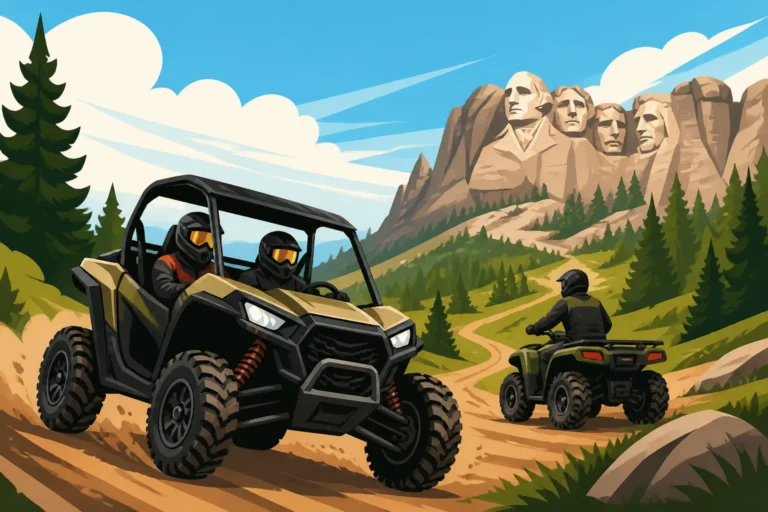
Consider a sunny afternoon ride through the Black Hills. You might encounter a dusty section where a vehicle ahead of you has stirred up a cloud. Without proper eye protection, that dust can temporarily blind you, leading to a loss of control. Or perhaps a small rock gets flung up by your tire or another rider's. A direct hit to an unprotected eye could cause permanent damage. This is why the law is so clear on this point, recognizing the inherent risks of off-road riding. Even if you're just moving your machine across your own property, it's a good habit to always don your eye protection. It's a small step that offers immense protection. Before you head out, make sure your gear meets the standard. For riders with tinted visors, be aware of [South Dakota's 35 Percent Tint Rule] to ensure visibility isn't compromised.
Why Many Adults Still Choose Helmets
Even though South Dakota law grants adults the freedom to ride without a helmet, it's a choice many experienced and safety-conscious riders opt not to make. There's a strong culture of personal responsibility and risk mitigation within the ATV/UTV community, and for many, wearing a helmet is simply a fundamental part of that. It's about weighing the legal requirement against the undeniable benefits of enhanced protection and an improved riding experience.
Beyond the Law: Personal Safety
The primary reason many adults choose to wear helmets is, quite simply, personal safety. While a helmet can't prevent every injury, it's an incredibly effective tool for mitigating head trauma in the event of an accident. An ATV or UTV accident, even at low speeds, can result in being thrown from the machine, striking your head on the ground, a rock, or even the machine itself. The human skull, while robust, has its limits, and the brain inside is incredibly vulnerable.
Think about a common scenario: you hit an unexpected rut on a forest road, or the terrain shifts beneath your tires. In a split second, you could be losing control. A helmet acts as a crucial barrier, absorbing impact forces and distributing them across a wider area, drastically reducing the risk of concussions, skull fractures, or more severe traumatic brain injuries. It's not about being invincible; it's about stacking the odds in your favor. Even a minor tumble can have serious consequences if your head is unprotected. Many riders would rather be slightly inconvenienced by wearing a helmet than face the potentially devastating, lifelong consequences of a preventable head injury. Accessories like those from SuperATV can often integrate well with helmet use, providing added protection or utility without hindering safety.
Enhancing the Riding Experience
Beyond pure safety, a helmet can surprisingly enhance your overall riding experience. Modern ATV/UTV helmets are designed with comfort, ventilation, and visibility in mind. They protect you not just from impacts, but also from the elements. A helmet can shield your face from cold wind, dust, rain, and flying insects, making long rides much more enjoyable. Integrated face shields or the space for goggles keep your vision clear, preventing eye fatigue from constant squinting or irritation.
For example, when you’re pushing through dense brush on a narrower trail, a helmet offers a physical barrier against branches and twigs that might otherwise whip into your face. On a noisy machine, a good helmet can also dampen engine noise and wind roar, allowing for better communication (if equipped with comms) or simply a more peaceful ride. The sense of security a helmet provides also allows riders to focus more on the trail ahead and the joy of the ride, rather than constantly worrying about potential hazards to their head. It's an investment in both your well-being and your enjoyment of the sport.
Gear Up Right: What Else to Consider for South Dakota Rides
While helmets and eye protection are at the forefront of safety discussions, responsible ATV and UTV riding in South Dakota involves a much broader approach to gear. Outfitting yourself and your machine correctly is about more than just legal compliance; it’s about comfort, capability, and crucially, injury prevention. Riding conditions can change rapidly in South Dakota, from dusty prairie two-tracks to rocky Black Hills trails, so being prepared is key.
Essential Protective Gear Beyond Helmets
Even if you're an adult opting out of a helmet, there are several other pieces of protective gear that are strongly recommended and can make a huge difference in preventing injuries or reducing their severity.
- Gloves: Riding gloves protect your hands from blisters, abrasions, and impacts from branches or rocks. They also improve your grip on the handlebars, which is critical for control, especially over rough terrain.
- Long Sleeves and Pants: Ditch the shorts and t-shirts. Long-sleeved shirts and durable pants (like riding pants or heavy jeans) protect your skin from scrapes, cuts, sun exposure, and bug bites. They offer a layer of protection if you fall or brush against obstacles.
- Over-the-Ankle Boots: Sturdy boots that cover your ankles are essential. They protect your feet from impacts, provide ankle support against twists and sprains, and offer a better grip on footpegs or floorboards. Avoid open-toed shoes or low-cut sneakers.
- Chest Protectors/Body Armor: For more aggressive riding or difficult terrain, a chest protector or full body armor can shield your torso from impacts, flying debris, and abrasions. While not mandatory, it’s a smart choice for added safety.
- Water and First-Aid: Always carry water, especially on longer rides, and a basic first-aid kit. You never know when a minor scrape or dehydration might occur, and being prepared can prevent a small issue from becoming a big problem.
Having the right gear isn't about looking like a pro racer; it's about intelligent preparation for the inherent risks of off-road riding. Companies like SuperATV offer a range of accessories that can enhance safety and functionality, such as upgraded harnesses or durable cargo boxes to carry your essential gear.
Accessories for Comfort and Functionality
Beyond personal protective gear, certain accessories for your ATV or UTV can significantly improve comfort, functionality, and safety on the trails.
| Category | Recommended Accessories | Benefits |
|---|---|---|
| Visibility | LED light bars, mirrors, whips with flags | Improved visibility for night riding, awareness of surroundings, increased visibility to others on trails. |
| Protection | Skid plates, A-arm guards, rock sliders, fender flares | Protects critical components from impacts, reduces mud/debris spray, extends machine lifespan. |
| Utility | Winches, cargo boxes, spare tire mounts, cooler bags | Essential for self-recovery, carrying gear, extended trips, and keeping provisions fresh. |
| Rider Comfort | Windshields, cab enclosures, heated grips, seat upgrades | Protection from elements, warmth in cold weather, improved ergonomics for longer rides. |
| Navigation | GPS devices, trail maps (MVUMs), smartphone mounts | Helps stay on designated trails, prevents getting lost, access to emergency services. |
- Winches: If you ride in challenging conditions or alone, a winch is practically a necessity. It can get you unstuck from mud, pull your machine over obstacles, or help recover a fellow rider.
- GPS and Maps: Even if you think you know the area, carrying a GPS device or a reliable trail map (especially a Motor Vehicle Use Map for federal lands) is crucial. Cell service can be spotty in many remote parts of South Dakota. Knowing [Where to Ride an ATV in South Dakota] means having reliable navigation.
- Storage Solutions: Cargo boxes or bags can securely hold your emergency kit, extra water, snacks, tools, and personal items, keeping them protected from the elements and preventing them from bouncing around.
- First-Aid Kit & Emergency Supplies: A well-stocked first-aid kit, a small tool kit, a tire repair kit, and possibly a small fire extinguisher are smart additions to any ride, regardless of how short.
Remember, every piece of gear, whether worn or installed on your machine, contributes to a safer, more enjoyable, and ultimately more responsible riding experience. Don’t skimp on safety, and always prioritize gear that matches the type of riding you do and the conditions you expect to encounter.
Legal Riding and Safe Practices in South Dakota
Understanding the specific laws regarding helmets and eye protection is just one part of being a responsible ATV and UTV rider in South Dakota. To truly enjoy the vast opportunities this state offers for off-road recreation, you need to be aware of the broader legal landscape and adopt safe riding practices. This includes knowing where you can and cannot ride, what conditions apply to those areas, and how to interact with other users and the environment respectfully.
Ditch Riding and Road Crossings
South Dakota has some unique rules when it comes to riding ATVs and UTVs in highway ditches and crossing public roads. This can be a point of confusion for many, especially those from states where ditch riding is strictly prohibited. Generally, in South Dakota, you can operate an ATV or UTV in the ditch bottom of a public highway, but there are critical conditions and exceptions. You need to be mindful of things like [South Dakota Minimum Age for Ditch Riding], which applies to younger riders.
- Ditch Bottoms Only: You must ride in the extreme right-hand side of the ditch bottom, as far from the main traffic lanes as safely possible. You cannot ride on the roadway, shoulder, or the back-slope of the ditch.
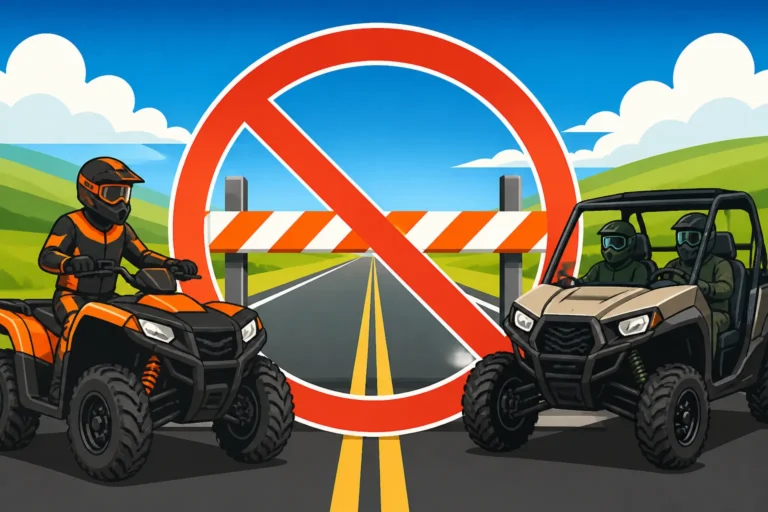
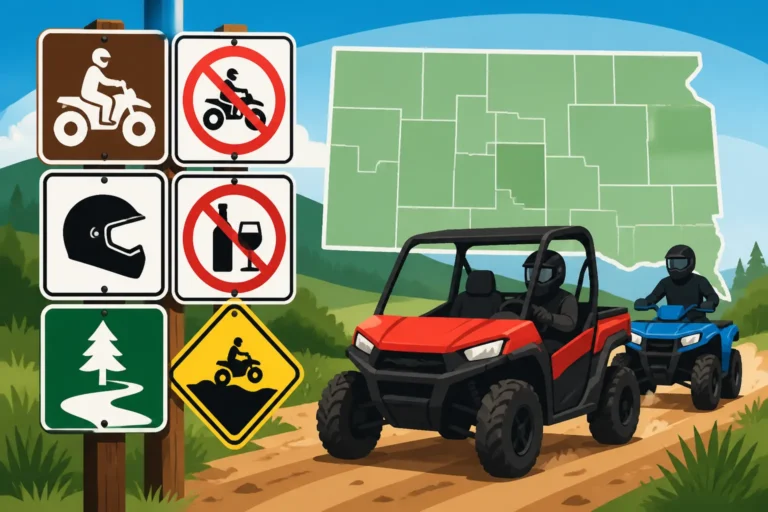
- County Opt-Out: Importantly, individual counties have the authority to opt out of ditch riding entirely. Always check local ordinances before riding, as a county may have banned it in specific areas or across the entire county. Regulatory signs are usually posted where such bans are in effect.
- Highway Crossings: While ditch riding is permitted under specific conditions, crossing a paved public highway is generally allowed at a 90-degree angle, after coming to a complete stop and yielding to all traffic. This must be done safely and efficiently, minimizing time spent on the pavement.
- Road Use for Plated Machines: If your ATV or UTV is properly titled and licensed as a motorcycle, it can be ridden on public roads where motorcycles are allowed, provided it meets all [South Dakota Equipment List for Road Use] requirements like mirrors, horn, and lights. This is a common practice for street-legal machines. Keep in mind that [South Dakota Driver's License Rules for ATVs] also apply when operating on public roads.
Always prioritize safety when operating near public roads. Drivers of traditional vehicles may not expect an ATV or UTV in the ditch, so ride defensively and make yourself visible.
Riding on Public and Private Lands
South Dakota offers a diverse range of riding environments, from the expansive trails of the Black Hills National Forest to vast stretches of private ranchland. Each comes with its own set of rules and etiquette.
- Black Hills National Forest: This is a premier destination for ATV/UTV riding. The forest features thousands of miles of roads and designated trails. However, you must stay on marked routes. [South Dakota's Motorized Trail Permit] is required for riding on designated Black Hills trails, and specific width restrictions apply to certain trails (e.g., under 62 inches). Always consult a Motor Vehicle Use Map (MVUM) to know which routes are open to your type of machine.
- State Parks and Game Production Areas (GFP): Generally, ATVs and UTVs are restricted in South Dakota State Parks and GFP lands to designated areas only, if at all. Never assume you can ride in these areas without explicit permission or signage indicating motorized use is allowed. Areas like Oahe Downstream OHV Area near Pierre are exceptions, being specifically managed for off-highway vehicles.
- Private Land: Riding on private property, whether it's a small parcel or a massive ranch, absolutely requires explicit permission from the landowner. Trespassing is a serious offense and can lead to fines and legal action. Always secure [South Dakota Landowner Permission Rules] in advance, preferably in writing, and respect their property. This includes closing gates, staying on agreed-upon routes, and leaving no trace. A simple conversation with a landowner can open up incredible riding opportunities, but disrespect can quickly close them down for everyone.
Before you load up your machine and head out, take a few moments to review your planned route and understand the regulations that apply to that specific area. Checking current trail conditions and closures, especially during spring thaw or dry summer months, is also critical for a safe and enjoyable experience. Whether you're exploring [South Dakota Trails for Beginners] or tackling more challenging terrain, being informed is your best defense against trouble.
Disclaimer
This article is for general informational purposes only and does not constitute professional advice. Laws, prices and regulations vary by location and change over time. Consult a qualified professional for guidance on your specific situation.