South Dakota Helmet Rules for ATV Riders
Riding an ATV or UTV in the wide-open spaces of South Dakota is an incredible experience, but the rules around safety gear, especially helmets, can feel like a tangled mess. It's frustrating to just want to enjoy the trails or hit a gravel road without constantly worrying if you're legal or safe. This guide is designed to cut through the confusion and give you a clear, comprehensive understanding of South Dakota's helmet rules for ATV riders, helping you ride confidently and responsibly.
The Basics of South Dakota's Helmet Laws for ATV Riders
When you're out on your quad or side-by-side in South Dakota, the question of whether or not you need to wear a helmet often pops up. It's not always as straightforward as a simple "yes" or "no," and the rules actually revolve quite a bit around age. Understanding these nuances is crucial, not just for staying legal, but for ensuring the safety of everyone on your machine.
Age-Specific Requirements for Helmets
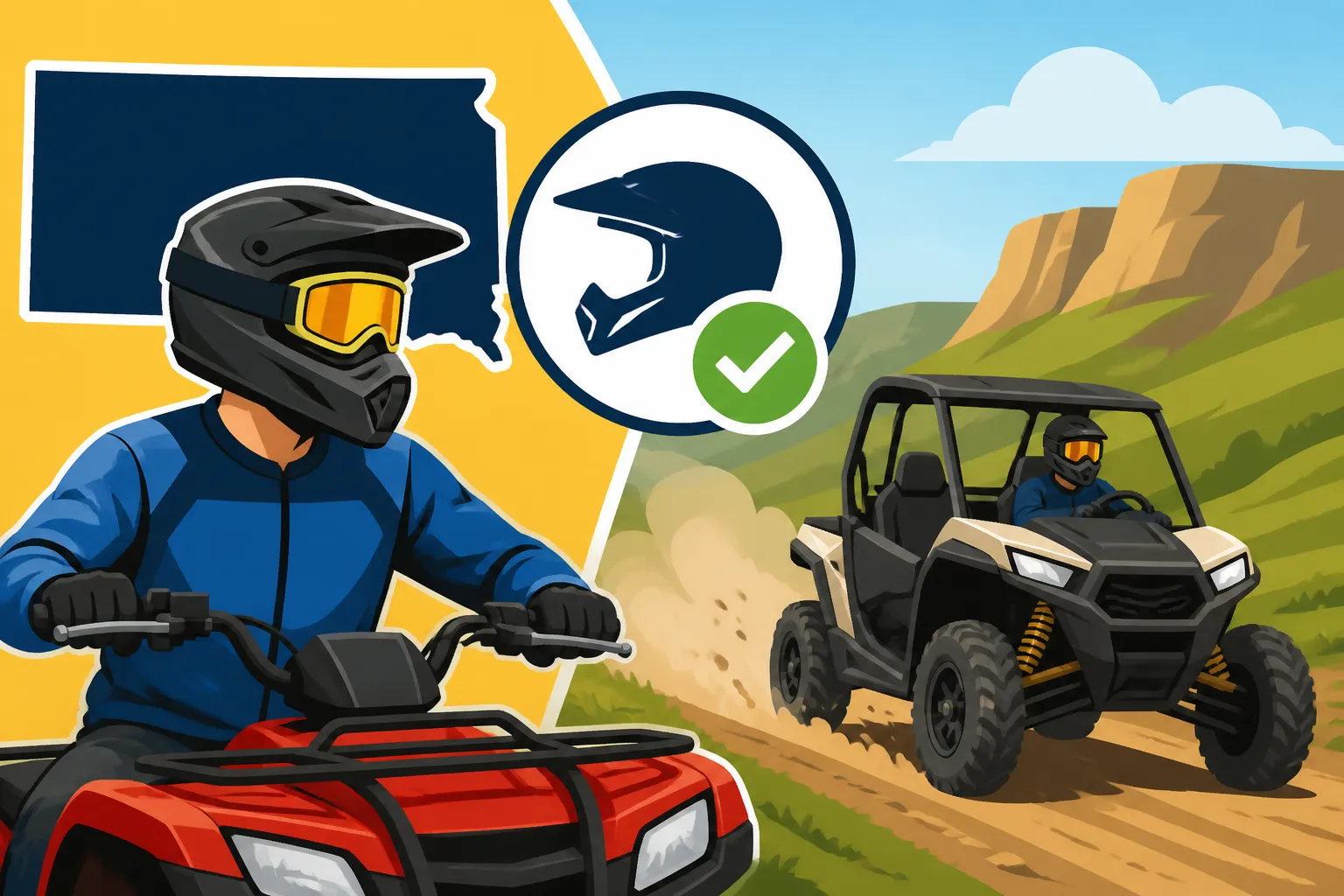
South Dakota has a very clear dividing line when it comes to helmet use: age. If you're under 18 years old, the law mandates that you must wear an approved helmet when operating or riding as a passenger on an ATV. This isn't a suggestion; it's a firm legal requirement designed to protect younger, often less experienced riders who might be more prone to accidents or less capable of reacting quickly to hazards.
Imagine a scenario: you're planning a weekend ride through the Black Hills with your teenage son or daughter. While you might be comfortable without a helmet, your child, who is still a minor, absolutely needs to be wearing one. The same goes if you have a younger sibling or a niece or nephew visiting and wanting to try out the quad. Even if they're just a passenger, if they're under 18, that helmet needs to be securely fastened. This rule applies whether you're cruising a forest road or exploring private land, and it's something law enforcement takes seriously. [South Dakota Helmet Rules for Passengers]
Why South Dakota Exempts Adults From Helmets
Now, here's where it often surprises people: if you're 18 years old or older, South Dakota law does not mandate helmet use when riding an ATV. This is a significant difference from many other states that have universal helmet laws. The rationale behind this exemption often boils down to personal freedom and the idea that adults should be able to make their own risk assessments. It's a common point of discussion among riders, with some appreciating the choice and others advocating for universal helmet use regardless of age.
While the law grants adults this freedom, it's absolutely crucial to understand that an exemption doesn't mean a helmet isn't a good idea. Even the most experienced riders can encounter unforeseen obstacles, sudden traction loss, or unexpected wildlife on the trail. A helmet provides a critical layer of protection against head injuries, which can be devastating. Many seasoned riders, despite the legal exemption, choose to wear helmets as a standard practice for their own well-being. It's always a good idea to consider the risks, especially when navigating unfamiliar terrain or pushing the limits of your machine. [Why South Dakota Exempts Adults From Helmets]
Passengers and Helmet Use
The age rules extend directly to passengers on your ATV or UTV, which is an important consideration for family rides. As mentioned, if your passenger is under 18, they are legally required to wear a helmet. This responsibility falls on the operator of the machine to ensure all minor passengers are properly geared up. Failing to do so could result in a citation, not to mention the potential safety consequences.
However, just like adult operators, if your passenger is 18 years or older, they are not legally required to wear a helmet. This offers flexibility but again, brings up the question of safety. When you have an adult friend or family member riding along, it's a conversation to have beforehand. You might feel more comfortable if everyone, regardless of age, wears a helmet, especially on rougher trails. Ultimately, while the law makes the distinction, encouraging all passengers to wear protective headgear is a proactive step toward a safer ride for everyone involved.
Understanding Eye Protection Requirements in South Dakota
Beyond helmets, South Dakota also has specific requirements regarding eye protection for ATV and UTV riders. While often overlooked, proper eye protection is just as vital as head protection, preventing everything from dust and debris to insects and branches from impairing your vision and causing serious injury. It's not just about comfort; it's about maintaining clear sightlines, which is fundamental to safe operation.
Goggles or a Windscreen on a South Dakota Quad
South Dakota law mandates that ATV operators and passengers must wear eye protection while riding. This means you need something to shield your eyes from the elements. The most common and effective forms are goggles or a face shield integrated into your helmet. These options offer comprehensive coverage, sealing around your eyes to keep out dust, mud, and anything else the trail throws your way. Many riders prefer goggles because they offer excellent peripheral vision and can be easily swapped out for different tints depending on lighting conditions.
Alternatively, if your ATV or UTV is equipped with a windscreen, that can also fulfill the eye protection requirement. This is often seen on side-by-sides, where a full or half windshield offers a barrier against oncoming wind and debris. However, it's essential to ensure the windscreen is properly maintained and clean for optimal visibility. A dirty or scratched windscreen can be just as dangerous as no eye protection at all. Whether you choose goggles, a face shield, or rely on a windscreen, the key is uninterrupted, clear vision at all times. [Goggles or a Windscreen on a South Dakota Quad]
Why a Tinted Visor Fails the 35 Percent Rule
When it comes to visors and windscreens, South Dakota has a specific rule regarding tinting, primarily aimed at ensuring sufficient visibility, especially in varying light conditions. The law states that eye protection, including helmet visors or windscreens, cannot be excessively tinted. Specifically, it generally prohibits tinting that reduces light transmission by more than 35 percent. This means if your visor is too dark, it might not be considered legal eye protection.
The reason for this rule is pure safety. While a dark tint might be comfortable on a bright, sunny day, it becomes a severe hazard as the light fades, when riding through shaded areas, or if the weather suddenly turns cloudy. A visor that's too dark can significantly diminish your ability to see obstacles, other riders, or even road signs. Imagine riding a section line just as the sun dips below the horizon, and your heavily tinted visor makes it almost impossible to discern the changing terrain. It's not worth the risk. Always check the tint level of your visor or windscreen and consider having clear options available for different times of day or weather conditions. [Why a Tinted Visor Fails the 35 Percent Rule] and [South Dakota's Eye Protection Requirement]
Helmet and Gear Recommendations Beyond the Law
While understanding South Dakota's legal requirements for helmets and eye protection is essential, true safety on an ATV or UTV goes well beyond just checking off the legal boxes. The open road and rugged trails of South Dakota present their own unique challenges, and proactive gear choices can make all the difference between a minor mishap and a serious incident. Thinking about what you should wear, not just what you must, is a sign of a responsible rider.
Choosing the Right Helmet for Safety
Even if you're an adult not legally required to wear a helmet, making the choice to don one is perhaps the smartest decision you can make. When selecting a helmet, don't just grab the cheapest one. Look for helmets that meet recognized safety standards such as DOT (Department of Transportation) or Snell. These certifications mean the helmet has undergone rigorous testing to prove its ability to protect your head in an impact. There are different styles, each with its own advantages:
- Full-face helmets offer the most comprehensive protection, covering your entire head and face. They are excellent for protection against impacts, wind, and debris.
- Open-face helmets provide good head coverage but leave your face exposed, necessitating separate eye protection. They can feel less restrictive.
- Modular helmets offer a combination, with a chin bar that can flip up, providing versatility for different situations.
The most important factor, regardless of style, is proper fit. A helmet that's too loose won't offer adequate protection, and one that's too tight will be uncomfortable and distracting. Ensure it sits snugly without causing pressure points, and doesn't wobble when you shake your head. Investing in a good quality helmet from reputable brands is investing in your own safety and peace of mind. Many riders also look to companies like SuperATV for their range of accessories and gear that complement a safe riding experience.
Additional Protective Gear for South Dakota Riding
Riding an ATV exposes you to a multitude of potential bumps, scrapes, and impacts, even during a seemingly calm ride. Helmets and eye protection are just the starting point for comprehensive safety. Consider adding these items to your standard riding kit:
- Gloves: Protect your hands from blisters, abrasions, and impacts. They also improve grip on the handlebars, which is crucial for control.
- Riding Boots: Sturdy, over-the-ankle boots protect your feet and ankles from impacts, hot engine parts, and offer better grip on footpegs. Regular sneakers simply don't cut it.
- Long-Sleeved Shirt and Pants: Even in warm weather, long sleeves and pants made of durable material (like denim or specific riding fabrics) can prevent scrapes, sunburn, and protect against flying debris. For dedicated riders, specialized riding jerseys and pants offer padding and ventilation.
- Chest Protectors/Body Armor: For more aggressive riding or challenging terrain, a chest protector or full body armor can shield your torso from impacts from the handlebars, rocks, or falls.
Think about the environment you're riding in. Are you kicking up a lot of gravel? Is there thick brush? Are you tackling rocky climbs? Each scenario presents different risks that proper gear can mitigate. For those looking to upgrade their ride with additional protection or utility, SuperATV offers a wide array of aftermarket parts and accessories, from heavy-duty bumpers to complete skid plate systems, all designed to enhance both your machine's durability and your safety on the trail.
The Importance of High-Visibility Gear
When you're sharing trails with other riders, or even traversing highway ditches or section lines, being seen is just as important as seeing. High-visibility gear can dramatically reduce the risk of collisions, especially in low light conditions, dusty environments, or during hunting season.
Bright, fluorescent colors like neon green, orange, or yellow stand out against natural backdrops. Many riding jackets and vests are designed with these colors and often incorporate reflective strips. These reflective materials become incredibly effective when hit by headlights, making you much more visible to other vehicles or riders at dawn, dusk, or night. If you're riding through an area where hunting is permitted, wearing blaze orange isn't just a good idea, it's often legally mandated for certain seasons to prevent accidental shootings. Combining bright colors with reflective elements ensures you're visible from all angles, giving others ample time to spot you and react, making the ride safer for everyone involved.
Where South Dakota's Helmet Rules Apply (and Don't Apply)
Navigating South Dakota's vast and varied landscape on an ATV means encountering different types of terrain and legal jurisdictions. The application of helmet rules isn't uniform across all these environments, and understanding where the law's reach extends is key to staying compliant, no matter where your wheels take you. From public roads to designated trails and private ranches, each area might have slightly different considerations.
Public Roads and Ditch Riding
South Dakota has some unique rules regarding riding ATVs on public rights-of-way, particularly with its ditch riding laws. When you're operating an ATV on a public road, or more commonly, in the ditch alongside one, the general helmet laws for age still apply. This means that if you're under 18, you must wear a helmet, even if you're just traversing a short distance in a ditch or crossing a highway. Adult riders, again, are not legally mandated to wear a helmet in these situations, but safety remains paramount.
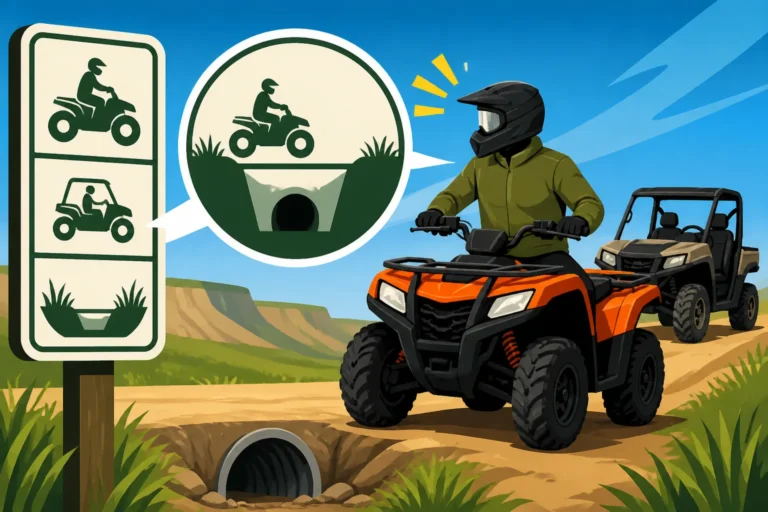
It's important to remember that ditch riding comes with its own set of rules and risks. You're still in proximity to highway traffic, and conditions in ditches can be unpredictable – think hidden culverts, uneven terrain, or sudden drops. Visibility can also be a challenge, both for you seeing what's ahead and for drivers on the main road seeing you. Whether you're making your way down a gravel road or riding the bottom of a highway ditch, applying the age-based helmet rule is non-negotiable for minors, and a wise precaution for adults. Always be aware of your surroundings, especially when operating near vehicles that are much larger and faster. [South Dakota Ditch Riding Rules]
Designated Trails and OHV Areas
South Dakota boasts some fantastic riding opportunities, particularly in the Black Hills National Forest and at designated OHV areas like Oahe Downstream or Revheim Bay. When riding on these official trails and parks, the state's general helmet laws typically apply. This means that minors (under 18) are required to wear helmets, while adults are not. However, it's crucial to check with the specific land management agency or park rules before you ride.
Sometimes, a particular OHV park or managed trail system might have its own additional safety regulations that are stricter than state law. For instance, some private parks or rental operations might require helmets for all riders, regardless of age, as part of their liability and safety policies. Always look for posted signs at trailheads or check the website for the specific riding area you plan to visit. While the state provides a baseline, local regulations can sometimes add extra layers of safety. For instance, when tackling challenging terrain in the Black Hills, a helmet is a smart choice for everyone, regardless of age or legal requirement. [Where to Ride an ATV in South Dakota]
Riding on Private Land and Ranch Property
The rules shift somewhat when you're riding on private land, such as a ranch, farm, or your own property. In these scenarios, the state's helmet laws generally do not apply, as they are primarily designed for public access areas. On private property, the landowner or property owner typically sets the safety rules. If you're riding on someone else's land, it's always respectful and responsible to ask about their specific requirements or recommendations for safety gear.
Even though the law might not mandate helmets for anyone on private land, responsible riding still dictates that safety should be a top priority. Many ranch owners, recognizing the inherent risks of ATVs, will still require or strongly recommend that all riders, especially children, wear helmets. This is particularly true if the land has varied terrain, livestock, or other potential hazards. Ultimately, on private ground, it comes down to a combination of the landowner's rules and your own personal commitment to safety. Always err on the side of caution; a helmet offers protection regardless of whose property you're on. [South Dakota Rules for Riding Private Land]
Penalties for Non-Compliance and Enforcement
Ignoring South Dakota's ATV helmet and eye protection laws, especially for minors, isn't just a matter of principle; it carries real legal consequences. Law enforcement agencies in the state, from local sheriffs to state troopers, are tasked with enforcing these regulations to ensure public safety. Understanding the penalties for non-compliance can underscore the importance of adhering to these rules and encourage all riders to make safe choices.
What a Class 2 Misdemeanor Costs a Rider
If a rider, particularly a minor, is found operating or riding on an ATV without the legally required helmet or eye protection, they could be cited for a Class 2 Misdemeanor. This isn't a minor traffic ticket; a misdemeanor is a criminal offense, albeit on the lower end of the scale. While it might not result in jail time for a first offense, it does carry significant penalties.
A Class 2 Misdemeanor in South Dakota can result in a fine and, potentially, other repercussions depending on the specific circumstances and the judge's discretion. More importantly, having a misdemeanor on your record, even a relatively minor one, can have long-term implications, especially for younger individuals. It can show up on background checks, potentially affecting future employment opportunities, military service, or even college applications. The cost isn't just financial; it's about the broader impact on one's record and future. [What a Class 2 Misdemeanor Costs a Rider]
What a South Dakota Trooper Checks Roadside
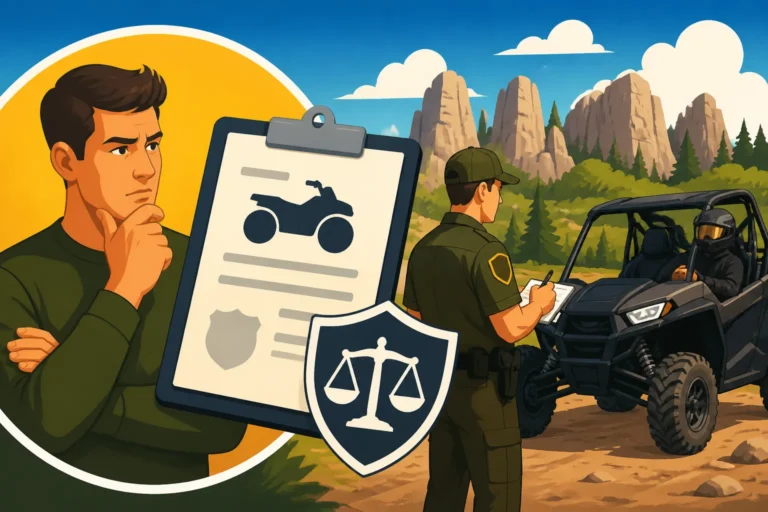
When a South Dakota Highway Patrol trooper or local law enforcement officer pulls over an ATV or UTV, they are typically checking for several key compliance points. In addition to ensuring the machine is properly registered (if applicable) and that the operator has a valid driver's license (for plated machines on roads), they will definitely be looking at rider safety gear.
For any visible riders who appear to be under 18, the absence of a helmet will be an immediate flag. Officers will also check for appropriate eye protection for all riders. They might ask for identification to verify age, especially if a rider looks to be on the cusp of 18. An officer's primary concern is safety, and visible violations of helmet and eye protection laws are often easy to spot. They're not just looking to issue tickets; they're trying to prevent serious injuries. Being prepared with the correct gear for all riders can make a roadside stop quick and uneventful, allowing you to get back to enjoying your ride. [What a South Dakota Trooper Checks Roadside]
Appealing a Black Hills ATV Citation
Receiving a citation for a helmet or eye protection violation, especially if you believe it was issued in error or under specific circumstances, can be frustrating. If you get a citation while riding in the Black Hills or anywhere else in South Dakota, you do have the right to appeal it. The process typically involves appearing in court on the date specified on your ticket to present your case to a judge.
To appeal successfully, you'll need to clearly articulate why you believe the citation is unwarranted. This could involve presenting proof of age if there was a misunderstanding, demonstrating that you were wearing proper eye protection, or explaining any extenuating circumstances. It's advisable to gather any documentation or evidence that supports your claim. However, it's also important to be realistic: if you genuinely were in violation of the law, an appeal might not be successful, but it's always your right to challenge it. Understanding the legal process and preparing thoroughly can make a difference in the outcome. [Appealing a Black Hills ATV Citation]
Here's a quick reference table for South Dakota's ATV helmet and eye protection rules:
| Rider Age / Situation | Helmet Required? | Eye Protection Required? | Notes |
|---|---|---|---|
| Under 18 (Operator/Passenger) | YES | YES | Legal requirement on public land, roads, and most designated trails. |
| 18 and Older (Operator) | NO (Recommended) | YES | Not legally required for adults, but highly recommended for safety. |
| 18 and Older (Passenger) | NO (Recommended) | YES | Not legally required for adult passengers, but highly recommended. |
| On Private Land | NO (Landowner discretion) | NO (Landowner discretion) | State law doesn't apply, but landowner's rules and personal safety choices are paramount. Always confirm with landowner. |
| Ditch Riding | YES (if under 18) | YES | Age-based rules apply. Eye protection is mandatory for all riders. Visibility is key. |
| Black Hills Trails | YES (if under 18) | YES | Age-based rules apply, but check specific trail/park regulations as they may have stricter requirements. |
Disclaimer
This article is for general informational purposes only and does not constitute professional advice. Laws, prices and regulations vary by location and change over time. Consult a qualified professional for guidance on your specific situation.