Appealing a Black Hills ATV Citation
Finding yourself with an ATV citation after what you thought was a great day exploring the stunning Black Hills can be incredibly frustrating, even infuriating. It feels like a beautiful experience has been soured by bureaucratic red tape, and you're left wondering what went wrong and what you can possibly do about it. This guide is here to walk you through the ins and outs of understanding and potentially appealing a South Dakota ATV citation, giving you the knowledge to navigate the process and fight for your riding rights.
Understanding Your Black Hills ATV Citation
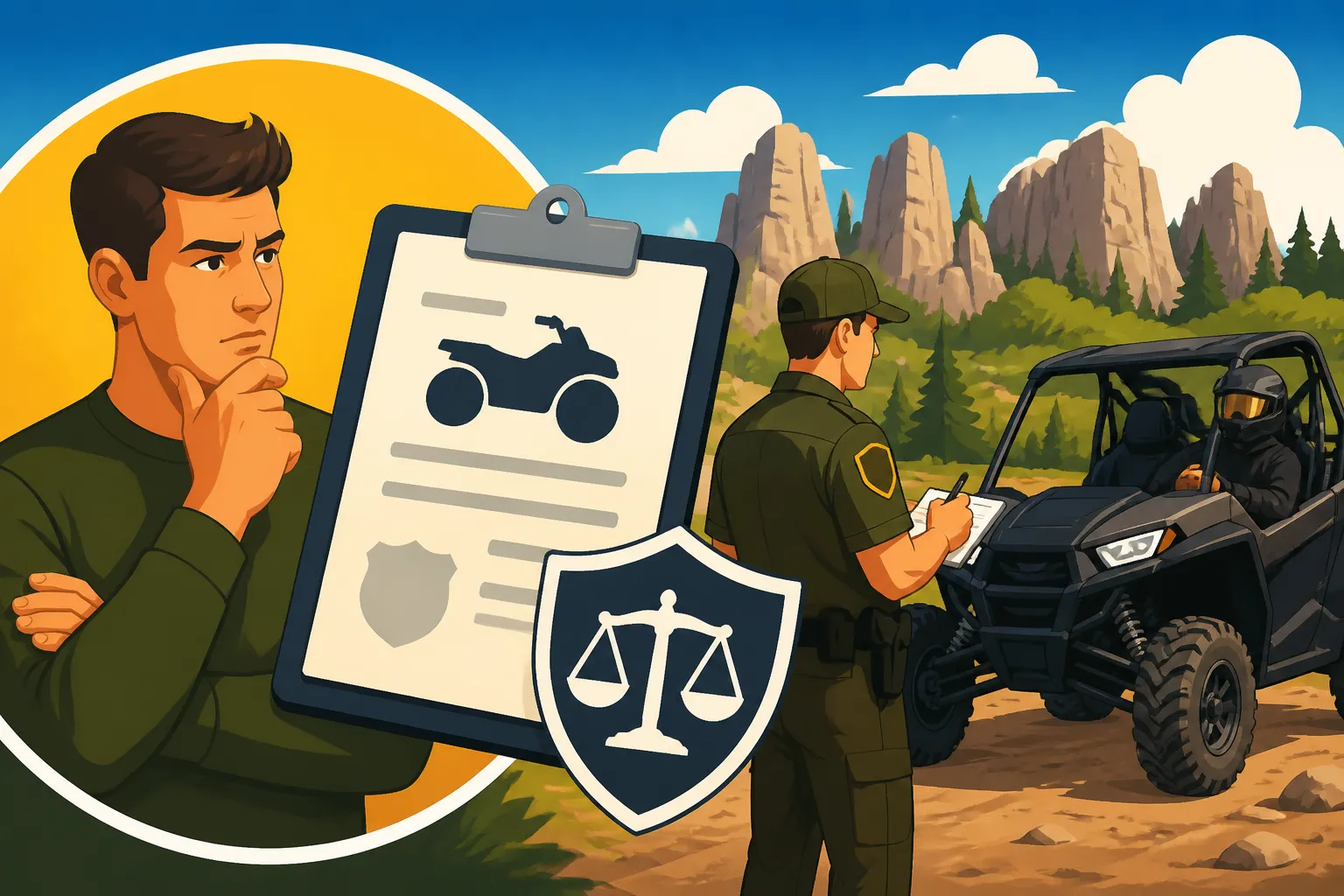
First things first, let's take a deep breath and look at that piece of paper in your hand. An ATV citation in the Black Hills isn't just a generic ticket; it's a legal document with specific details that will determine your next steps. It's easy to get flustered and just want to shove it in the glovebox, but understanding what it actually says is crucial. South Dakota's rules for ATVs and UTVs, especially when it comes to riding on roads or trails, can be quite detailed, and misunderstandings happen to even the most seasoned riders.
Common Reasons for ATV Citations in the Black Hills
Citations can stem from a variety of situations, and often it's not a single, clear-cut issue but a combination of factors. One common area is equipment. Maybe your machine wasn't properly outfitted for the roads you were on, or perhaps a critical piece of safety gear was missing. Another frequent issue involves where you were riding; the Black Hills have a mix of open forest roads, designated trails, and private lands, each with its own set of regulations. And, of course, permits and licensing are a big one, especially for out-of-state visitors.
| Citation Type | Common Issues | Potential Impact |
|---|---|---|
| Equipment Violation | Missing mirrors, horn, headlights, brake lights, or proper tires for road use; illegal modifications. | Fine, requirement to fix equipment, potential impoundment. |
| Riding Area Violation | Riding on closed trails, private property without permission, non-motorized trails, or off-route. | Fine, potential trespass charges, recovery costs. |
| Permit/License | No valid [Black Hills Motorized Trail Permit Cost], expired registration, no valid driver's license for road use. | Fine, inability to continue riding, potential impoundment. |
| Safety Violation | No helmet for riders under 18 (or if required by county), reckless operation, DUI. | Fine, possible license suspension, criminal charges. |
Let's say you've got an aftermarket accessory from a brand like SuperATV that's fantastic for trail performance but might not meet the specific requirements for street-legal use in South Dakota, such as DOT-approved tires or proper turn signals. While these parts enhance your off-road experience, they can inadvertently lead to a citation if you stray onto a road where those specific features are mandatory. This is why knowing the rules, especially those covered in [South Dakota Street Legal ATV Requirements], is so vital.
Deciphering the Citation Details
Your citation isn't just a bill; it's a legal document. It will typically list the specific statute or ordinance you're accused of violating. This is your starting point. You'll also find the date, time, and location of the incident, along with the issuing officer's name and department. Pay close attention to any notes or descriptions the officer included about the alleged violation. These details are important because they form the basis of the charge against you. Often, what seems like a minor detail to you might be a critical point of law. For instance, the exact spot where you were stopped might be the difference between a legal ditch crossing and an illegal road ride.
Look for information on how to respond to the citation. There's usually a deadline for payment or for appearing in court. Missing these deadlines can lead to additional penalties, including a default judgment or even a warrant for your arrest. It's a system designed to keep things moving, so delays often work against you. Sometimes, a citation might even involve multiple charges, stacking up fines and complicating the process. It's a lot to take in, but breaking it down helps make it manageable.
Deciding to Appeal: Is It Worth It?
Once you've wrapped your head around what the citation says, the big question looms: should you appeal it? This isn't a decision to take lightly. Appealing a citation means dedicating time, energy, and potentially more money to the process. It's not always a guaranteed win, and sometimes, paying the fine and moving on is the more practical option. However, if you genuinely believe you were in the right, or if there were extenuating circumstances, appealing can certainly be worthwhile.
Weighing the Pros and Cons of an Appeal
Consider what you stand to gain and lose. On the "pro" side, a successful appeal means no fine, no points on your driving record (if applicable), and no mark against your name. It's a validation of your stance and can provide a sense of justice. It might also prevent future complications, especially if the violation could impact insurance rates or future riding privileges. Perhaps the officer made an error, or misinterpreted a specific rule, which happens.
On the "con" side, an appeal can be time-consuming, requiring court appearances that might mean travel to a Black Hills county seat like Deadwood or Custer. There might be court fees, and if you lose, you'll still have to pay the original fine, potentially with additional court costs. Sometimes, especially with minor infractions, the cost of your time and effort might outweigh the fine itself. It's a calculated risk, and you have to decide if the principle or the potential financial savings are enough to warrant the effort. Remember that [What a Class 2 Misdemeanor Costs a Rider] can be substantial, so if that's what you're facing, an appeal might be more critical.
Evaluating Your Case for an Appeal
The strength of your appeal hinges on the specifics of your situation and the evidence you can provide. Did the officer make a mistake regarding the location, the rules, or your vehicle's equipment? Did you have permission to be on private land when you were cited for trespass, as discussed in [South Dakota Rules for Riding Private Land]? Was your [Black Hills Motorized Trail Permit Cost] current and properly displayed, even if the officer didn't see it?
Think about any witnesses who were with you, or any photographic or video evidence you might have. For example, if you were cited for riding a closed trail, but you have a time-stamped photo showing an "Open" sign at the trailhead, that's powerful evidence. If your aftermarket lighting from SuperATV meets all the state's requirements, and you were cited for inadequate lighting, having documentation or even a demonstration could be key. This is where meticulous record-keeping comes in handy.
What Constitutes a Strong Defense?
A strong defense often involves demonstrating a misunderstanding of the law, a factual error by the officer, or circumstances beyond your control. For instance, if you were cited for an equipment violation, but you had just replaced the faulty part, and you have a receipt from that day, that could be a mitigating factor. If you were truly lost and inadvertently entered a restricted area, while not a complete defense, it might sway a judge towards a reduced penalty.
Consider the specifics of [What a South Dakota Trooper Checks Roadside]. Were all these items truly out of compliance at the time of the stop? If you can show your machine met all requirements, or that the officer's assessment was incorrect, your case is much stronger. Sometimes, just being polite and cooperative with the officer, even if you disagree, can sometimes lead to a better outcome in court later. Always gather as much information as you can at the scene, including the officer's badge number and the exact details of the alleged violation.
The Appeal Process: Step-by-Step
So, you've decided to appeal. Now what? The legal system can feel like a labyrinth, but breaking it down into manageable steps makes it less intimidating. The process typically starts shortly after you receive the citation and involves responding to the court, preparing your case, and eventually appearing before a judge or magistrate. Patience and thoroughness are your best allies here.
Initial Contact and Pleading Not Guilty
The first step is usually to formally notify the court of your intention to plead "not guilty." This is often done by mail, online, or in person at the county courthouse listed on your citation. You'll typically have a specific timeframe—sometimes as short as 10-14 days—to do this. Don't miss this deadline! Once you plead not guilty, the court will schedule a hearing date. This might be a pre-trial conference, where you discuss the case with a prosecutor, or it might be directly to a trial, depending on the severity of the offense and the local court procedures in the Black Hills area.
When you make this initial contact, you might also inquire about any options for diversion programs or plea bargains, especially for minor infractions. Sometimes, completing an ATV safety course or performing community service could lead to a dismissal or reduction of charges, though this isn't always offered for all types of citations. It's always worth asking about alternatives to a full trial.
Gathering Your Evidence and Documentation
This is where your meticulousness pays off. Start compiling everything that supports your case. This includes:
- Your copy of the citation: Review it again for any inaccuracies.
- Photos or videos: Taken at the scene, of your ATV's equipment, or of signage.
- Witness statements: Get names, contact information, and written accounts from anyone who saw the incident.
- Receipts: For equipment repairs, permits, or anything relevant to the citation.
- Maps: Highlight the exact route you took, especially if you're disputing a riding area violation. [Reading a Black Hills Travel Map] can be incredibly helpful here.
- Relevant regulations: Print out copies of the specific South Dakota laws or Black Hills National Forest regulations that apply to your case, especially those from [South Dakota Fines for Illegal ATV Road Use] or [South Dakota Fines for No Trail Permit].
Organize everything clearly. Use folders or binders to keep your documents in order. The clearer and more organized your evidence, the easier it will be for the court to understand your side of the story. If you're arguing about specific equipment, such as whether a particular SuperATV mirror meets the legal size requirements, have the product specifications ready.
Preparing for Your Court Appearance
As your court date approaches, you'll want to rehearse what you're going to say. Courts can be intimidating, and nervousness can make it hard to articulate your points clearly. Practice explaining your side of the story concisely and logically. Focus on the facts and how they support your defense. Avoid emotional appeals or blaming the officer; stick to the legal merits of your case.
Dress respectfully. Business casual attire is usually appropriate. Arrive early to find parking, locate the courtroom, and settle in. Observe how the court proceedings work if you have a chance before your case is called. When your name is called, approach the bench confidently and respectfully. Address the judge as "Your Honor." Remember, even if you disagree with the citation, the court process is about presenting your case within a structured legal environment.
Preparing for Court and What to Expect
The day of your court appearance can be a bit nerve-wracking, but being prepared will significantly boost your confidence. Knowing what to expect, from how the courtroom operates to what a judge might ask, helps you present your case effectively and professionally.
Presenting Your Case to the Judge
When it's your turn, the judge will typically ask you how you plead (you've already done this, but they might confirm) and then give you an opportunity to explain your defense. This is your moment to present your evidence and tell your side of the story. Speak clearly, concisely, and stick to the facts. Refer to your organized documentation and present it when relevant. For example, if you're claiming you were on an open road, point to your marked map and the specific regulatory signs you observed.
If the officer who issued the citation is present, they will also have an opportunity to present their version of events. You may have the chance to cross-examine the officer, asking questions about their observations or the specific regulations they cited. If you choose to do this, focus on clarifying facts or highlighting inconsistencies, rather than arguing. The goal is to sow doubt about the prosecution's case or to clearly establish the validity of your defense. Remember that the burden of proof is generally on the prosecution to show you committed the violation.
Potential Outcomes of an Appeal
There are several possible outcomes when you appeal an ATV citation:
- Dismissal: The best-case scenario. The judge agrees with your defense, or the prosecution decides not to pursue the case. This means no fine, no penalty.
- Reduced Charges/Fine: The judge might find you guilty but reduce the fine or the severity of the charge, especially if there were mitigating circumstances or if you demonstrated a good-faith effort to comply.
- Guilty Verdict: The judge finds the prosecution has proven their case. You'll be ordered to pay the full fine and any associated court costs.
- Continuance/Reschedule: The case might be postponed for various reasons, such as missing evidence or a witness.
Even if you're found guilty, sometimes presenting a well-reasoned defense can lead to a more lenient penalty than if you had simply paid the ticket without explanation. It shows respect for the court and an effort to address the issue.
What Happens After the Verdict?
If your appeal is successful and the citation is dismissed, congratulations! You're free and clear. If you're found guilty, you'll be instructed on how to pay the fine and any court costs. It's crucial to follow these instructions and pay on time to avoid further penalties, such as those detailed in [South Dakota's 1 Percent a Month Penalty] or [South Dakota's 10 Percent Penalty at Sixty Days]. Sometimes, if you genuinely cannot afford to pay the fine immediately, the court might offer a payment plan, but you usually have to request this.
Remember, the goal of appealing isn't just to avoid a fine, but to ensure fairness and uphold your rights as a responsible rider in the beautiful Black Hills. Whether it's a technicality about [South Dakota Sound Limits on Forest Trails] or a dispute over [South Dakota Rules for Riding Off a Route], understanding your options and preparing thoroughly gives you the best chance for a positive outcome.
Disclaimer
This article is for general informational purposes only and does not constitute professional advice. Laws, prices and regulations vary by location and change over time. Consult a qualified professional for guidance on your specific situation.