South Dakota Eye Protection Rules for Riders
There’s nothing quite like the feeling of the open air, the rumble of your machine, and the dust kicking up behind you as you explore the incredible landscapes South Dakota has to offer. But that exhilarating rush can quickly turn into a frustrating, even dangerous, situation if you're not properly protecting your eyes. Too many riders, especially those new to the scene or visiting from out of state, simply don't realize the specific requirements South Dakota has for eye protection, leading to uncomfortable rides, potential injuries, or worse, an unexpected roadside chat with law enforcement. This guide is here to cut through the confusion and ensure you understand exactly what's expected, helping you ride safely and legally across our beautiful state.
Understanding South Dakota's Eye Protection Mandate for ATV & UTV Riders
When you hop on your ATV or UTV in South Dakota, whether you're cruising down a gravel section line or navigating a dusty trail in the Black Hills, proper eye protection isn't just a suggestion—it's often a legal requirement. This isn't about stifling your freedom, but genuinely about keeping you safe from the myriad of hazards that come with off-road and on-road ATV/UTV riding. From tiny pebbles launched by tires to stinging insects, unexpected branches, and even the glare of the sun, your eyes are constantly exposed. The state has put these rules in place to prevent injuries that can range from minor discomfort to permanent damage.
Who Needs Eye Protection and When
The core of South Dakota's eye protection rule is quite straightforward: any person operating or riding as a passenger on an ATV or UTV must wear eye protection when the vehicle doesn't have a windshield. This means if you're out there on an open-air quad, side-by-side, or any other machine without a physical barrier between your face and the elements, your eyes need to be covered. It doesn't matter if you're a seasoned rider with years of experience or a brand-new enthusiast; the rule applies to everyone. This includes young riders, too, and ensuring they have properly fitting and appropriate eye protection is a critical part of [South Dakota Supervision Rules for Young Riders]. It's a proactive measure, acknowledging that even on what seems like a calm ride, conditions can change in an instant, and unexpected debris can become a real threat.
Think about the various riding environments here: you might be legally ditch riding along a county road, or exploring the extensive trail networks in the Black Hills National Forest. In both scenarios, and countless others, dust, dirt, gravel, and even mud can be thrown up by your own tires or those of other riders. The wind itself, especially at higher speeds, can dry out your eyes and impair vision, which is just as dangerous as direct impact from debris. So, if your machine doesn't boast a factory or aftermarket windshield, consider eye protection an automatic, non-negotiable part of your riding gear. This distinction between machines with and without windshields is key and often where riders get tripped up.
The Core Rule: Why It Exists and What It Means
The "why" behind South Dakota's eye protection rule is rooted in public safety and injury prevention. Motorized vehicles, especially those designed for off-road use, generate a lot of environmental interaction. Dust, small rocks, bugs, and even low-hanging branches are constant companions on the trail. Without proper eye protection, these seemingly minor elements can cause significant damage. Imagine a small stone flicked up by a tire hitting your unprotected eye at speed; the potential for a serious, sight-threatening injury is very real.
What the rule means for you as a rider is that you need to be prepared. Before you even think about firing up your engine, you should assess your machine. Does it have a robust windshield that effectively shields the driver and passenger from forward-moving debris? If the answer is no, then eye protection for everyone aboard is mandatory. This rule extends beyond just designated trails; it applies to any public land, including those county roads where [South Dakota Ditch Riding Rules Explained] are in effect. It's not just about what might fly in from ahead; it's about what might come from the side, or even what your own tires kick up. This commitment to rider safety helps ensure that you can enjoy the stunning scenery and thrilling rides without risking your vision.
Specific Scenarios: From Ditch Riding to Forest Trails
Let's dive into some practical scenarios where South Dakota's eye protection rule comes into play. If you're out enjoying a leisurely cruise along the bottom of a highway ditch, which is perfectly legal in many areas under specific conditions, you absolutely need eye protection. Even though speeds might be lower, the dust from passing vehicles or your own machine can be intense. The same goes for venturing onto a gravel road. [South Dakota Rules for Riding a Gravel Road] often involve significant dust, and without eye protection, you'll be squinting, uncomfortable, and potentially prone to vision-obscuring debris.
When you transition from open roads to the dense network of trails in, say, the Black Hills National Forest, the hazards change, but the need for eye protection remains constant. Here, you're not just contending with dust and gravel; you might encounter low-hanging branches, flying insects, or even mud splashes after a recent rain. A clear set of goggles or a full-face shield can be the difference between a minor annoyance and a trip to the nearest urgent care. Consider a ride through a dense section of Ponderosa pine, where unexpected branches can whip back. Your eyes are your primary tool for navigating terrain, spotting hazards, and enjoying the view. Compromising them by neglecting simple eye protection just isn't worth the risk, no matter the terrain.
What Counts as "Eye Protection" Under South Dakota Law
Understanding that you need eye protection is one thing, but knowing what kind of eye protection satisfies South Dakota law is equally important. It's not just about having something over your eyes; it's about having something effective and compliant. The law specifies certain criteria, especially concerning visibility and tinting, to ensure that the protection itself doesn't become a hazard by impairing your vision. This is where choosing the right gear becomes critical, as not all eyewear is created equal when it comes to legal compliance and practical safety.
Acceptable Forms: Goggles, Face Shields, and Eyewear
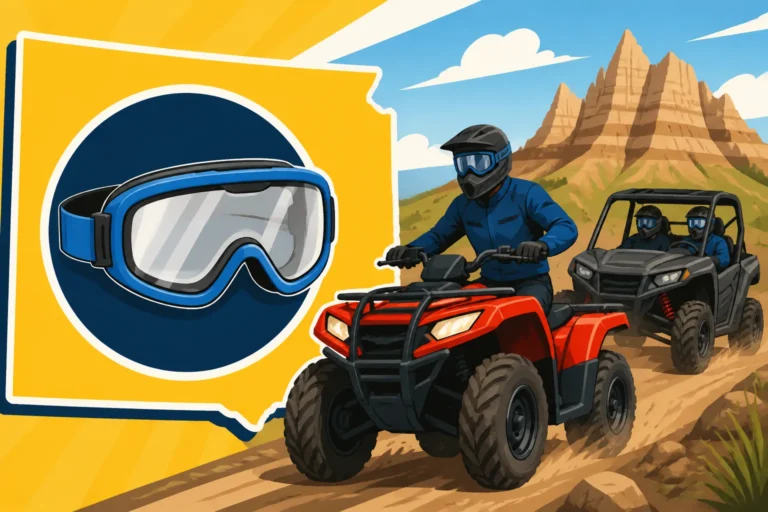
South Dakota broadly defines acceptable eye protection to include things like goggles, face shields, and certain types of glasses. The key is that these items must be "impact resistant" and provide a substantial barrier against debris and wind.
- Goggles: These are perhaps the most common and effective form of eye protection for ATV/UTV riders. They fit snugly around your eyes, often with a strap that goes around your helmet, creating a sealed environment that prevents dust, wind, and debris from entering. Good quality goggles, like those you might find from a brand focused on off-road accessories, should have impact-resistant lenses and good ventilation to prevent fogging. SuperATV, for instance, offers a range of accessories that includes robust eyewear designed for the demands of off-road conditions, ensuring durability and clear vision.
- Face Shields: Many full-face helmets come equipped with integrated face shields. These shields offer excellent protection, covering the entire face from above the eyebrows down to the chin, protecting not just the eyes but also the rest of your face from impacts and wind. Again, these shields must be impact-resistant and provide clear, undistorted vision.
- Eyewear (Glasses): While regular eyeglasses or sunglasses might offer some protection, they often don't meet the "impact resistant" standard and typically don't seal off your eyes from dust and wind. However, specific riding glasses designed for powersports, often with a wrap-around style and impact-resistant lenses, can qualify. The critical difference is the material, construction, and how well they stay on your face during aggressive riding. If you rely on prescription glasses, consider wearing them under goggles or using prescription inserts for your goggles or face shield.
The underlying principle is clear vision and robust protection. The item must stay securely on your face during your ride, resist shattering upon impact, and not distort your field of view.
The 35 Percent Tint Rule: What It Is and Why It Matters
Here's where many riders can inadvertently run afoul of the law, especially when riding after dark or in low-light conditions. South Dakota has a specific stipulation regarding tinted eye protection: [South Dakota's 35 Percent Tint Rule]. This rule dictates that any eye protection used must allow at least 35% of visible light to pass through it. Why is this important? Because heavily tinted visors or goggles, while great for bright sunny days, can severely impair your vision in dim light, at dusk, dawn, or after dark, turning your protection into a hazard.
- Impact on Visibility: Imagine riding on a shaded forest trail in the late afternoon with a visor that's only letting 10% of light through. You'd essentially be riding blind, unable to see changes in terrain, other riders, or potential obstacles. This creates a dangerous situation for everyone.
- Enforcement: A law enforcement officer can, and will, check your tint percentage if they suspect it's too dark. If your eye protection falls below the 35% visible light transmission, you could face a citation. This is particularly relevant if you're out riding after sunset and encounter a trooper, as [South Dakota Rules for Riding After Dark] emphasize the importance of visibility for both the rider and others.
- Practical Application: Many riders keep multiple lenses for their goggles or have interchangeable visors for their helmets—one clear or lightly tinted for low light, and one darker for bright conditions. This flexibility ensures you're always compliant and always have optimal visibility. When purchasing replacement lenses or new goggles, pay attention to the Visible Light Transmission (VLT) rating. Brands like SuperATV often provide this information for their various lens options, helping you make an informed and compliant choice.
This rule emphasizes that safety is paramount, and eye protection should enhance, not hinder, your ability to see and react to your surroundings.
Unacceptable Forms: What Won't Pass Muster
Just as there are acceptable forms of eye protection, there are also things that simply won't cut it under South Dakota law, and understanding these can save you a ticket and, more importantly, an injury.
- Fashion Sunglasses: While stylish, most fashion sunglasses are not designed to be impact-resistant and typically do not offer sufficient coverage to protect against dust and debris from all angles. They can easily fly off during a bumpy ride or shatter upon impact, offering little to no actual protection.
- Mesh or Vented Goggles (without lenses): Some specialized eyewear exists with mesh screens instead of solid lenses, primarily for ventilation or very specific dusty conditions. However, these generally do not provide adequate impact protection against small, fast-moving projectiles and would likely not be considered compliant.
- Heavily Tinted Visors/Goggles (below 35% VLT) in inappropriate conditions: As discussed with the 35% tint rule, a visor that is excessively dark will be deemed unacceptable, especially when it impairs your ability to see. While a dark visor might be fine on a scorching bright summer day, it becomes a liability and a legal issue when the sun sets or you enter shaded areas.
- Damaged or Obscured Eye Protection: If your goggles are so scratched, cracked, or dirty that they significantly impair your vision, they are no longer providing adequate protection and could be considered non-compliant. The point of eye protection is clear vision, and anything that hinders that fails the purpose. Always inspect your gear before each ride.
The takeaway here is that "any" eye covering isn't good enough. It must be specifically designed for impact resistance, offer clear and unobstructed vision, and meet the state's tinting requirements to ensure you're riding safely and legally.
Practical Considerations for Riders: Choosing the Right Gear
Beyond just meeting the legal requirements, choosing the right eye protection involves a blend of safety, comfort, and practical functionality. After all, if your gear isn't comfortable or doesn't perform well in varying conditions, you're less likely to wear it consistently, putting yourself at risk. Investing a little time and thought into your eyewear can drastically improve your riding experience and safety.
Factors Beyond the Law: Comfort, Visibility, and Weather
While legal compliance is a must, your personal comfort and optimal visibility are equally critical for an enjoyable and safe ride.
- Comfort: Ill-fitting goggles or an uncomfortable helmet visor can be a constant distraction. Goggles should fit snugly but not too tightly, with padding that doesn't irritate your skin. If you wear prescription glasses, look for "OTG" (Over The Glasses) goggles designed to accommodate them comfortably without pinching. A comfortable fit means you won't be tempted to remove your eye protection mid-ride, even for a moment.
- Visibility: This goes beyond just the tint rule. Look for lenses that offer a wide field of view, are optically correct (meaning they don't distort your perception of depth or distance), and have anti-fog coatings. Poor visibility can be as dangerous as no eye protection at all. SuperATV, for example, offers various types of goggles and windshields designed to maximize clarity and peripheral vision, which is crucial when navigating dynamic terrain or shared roads.
- Weather Conditions: South Dakota weather can be unpredictable. You might start a ride in bright sunshine and end it in a downpour or thick fog. Consider eyewear with interchangeable lenses to adapt to different light conditions. A clear lens is essential for low light or night riding, while a tinted or mirrored lens is perfect for bright, sunny days. Some lenses also offer UV protection, which is crucial for long days under the South Dakota sun, even if not explicitly mandated by law. In colder weather, look for dual-pane lenses that resist fogging more effectively.
Taking these factors into account ensures that your eye protection is not just a legal formality, but a truly beneficial piece of your riding kit that enhances your experience.
Fitting and Maintenance of Eye Protection
Even the best eye protection won't do its job if it's not properly fitted or well-maintained. A little attention to detail here can go a long way.
- Proper Fit: For goggles, ensure the strap is adjusted so they fit securely on your face and integrate well with your helmet. There should be no significant gaps where dust or wind can enter. If the goggles are too loose, they can shift or fall off; too tight, and they'll be uncomfortable. For full-face helmet shields, make sure they latch securely and don't rattle or vibrate excessively.
- Cleaning: Dust, mud, and bug splatters are inevitable. Always clean your lenses with a soft cloth and a specialized lens cleaner, or simply warm water and a mild soap. Avoid abrasive materials or harsh chemicals, as these can scratch anti-fog or anti-scratch coatings, reducing the lifespan and effectiveness of your eyewear. Keep a microfiber cloth specifically for your lenses in your riding pack.
- Storage: When not in use, store your goggles or helmet in a protective bag to prevent scratches. Leaving them rattling around in a toolbox or on the floor of your garage is a sure way to damage them prematurely.
- Inspection: Before every ride, quickly inspect your eye protection for cracks, deep scratches, or other damage. A compromised lens offers compromised protection. If a lens is significantly damaged, replace it immediately. Regular maintenance not only extends the life of your gear but, more importantly, ensures it provides the maximum possible protection when you need it most.
Special Cases: Prescription Glasses and Contact Lenses
Riders who need corrective vision face a particular challenge, but there are excellent solutions available that ensure both legal compliance and clear vision.
- Over-the-Glasses (OTG) Goggles: Many manufacturers produce goggles specifically designed to fit comfortably over prescription eyeglasses. These "OTG" goggles typically have a deeper frame and channels on the sides to accommodate the arms of your glasses without pressing them into your temples. This is often the most practical solution, allowing you to wear your regular glasses while still enjoying the full protection of riding goggles.
- Prescription Inserts: Some helmet face shields or goggles can accommodate prescription inserts that clip into the inside of the lens. This option keeps your prescription lens protected from the elements and integrated directly into your riding gear.
- Contact Lenses: If you wear contact lenses, pairing them with standard riding goggles or a face shield is usually the most straightforward approach. The goggles will protect your contacts from drying out in the wind and from dust getting trapped underneath them. However, it's always wise to carry a backup pair of glasses or spare contacts, just in case.
No matter your vision needs, there's a safe and compliant way to ensure your eyes are protected while you ride in South Dakota. Never compromise on clear vision or eye safety, as both are paramount to a safe and enjoyable experience on your ATV or UTV.
| Eye Protection Type | Acceptable in SD (Generally) | Key Considerations | Ideal Riding Conditions |
|---|---|---|---|
| Goggles (OTG/Standard) | Yes | Must be impact-resistant, proper fit with helmet. | All, especially dusty trails, high speed, mixed light |
| Full-Face Helmet Shield | Yes | Must be impact-resistant, clear, and functional. | All, offers full face protection, road riding |
| Riding-Specific Glasses | Yes | Must be impact-resistant, wrap-around style, secure fit. | Lighter dust, road use, less intense trail riding |
| Prescription Inserts | Yes | Integrates with goggles/shield, ensures clear vision. | All, for riders with corrective vision |
| Heavily Tinted Visors | Conditional | Must meet 35% VLT rule (especially at night/low light). | Bright sunny days ONLY |
| Fashion Sunglasses | No | Not impact-resistant, poor coverage, often fall off. | Never for riding |
| Damaged/Scratched Gear | No | Impairs vision, compromises protection. Replace promptly. | Never |
Consequences of Non-Compliance and Enforcement
Ignoring South Dakota's eye protection rules can have serious repercussions, far beyond just the immediate risk of injury. While some may view it as a minor inconvenience, law enforcement takes these regulations seriously, and the penalties can be a significant deterrent. Understanding the potential legal and financial impact can serve as a powerful motivator to always gear up appropriately before you ride.
What a Class 2 Misdemeanor Means for Riders
If you're caught operating or riding an ATV/UTV without the required eye protection, especially if your machine doesn't have a windshield, you could be cited for a Class 2 Misdemeanor in South Dakota. This isn't just a slap on the wrist. A Class 2 Misdemeanor carries real weight, and it can result in more than just a simple fine.
[What a Class 2 Misdemeanor Costs a Rider] can involve significant financial penalties, potentially reaching into the hundreds of dollars for fines and court fees. Beyond the immediate monetary cost, a misdemeanor charge goes on your permanent record. While not as severe as a felony, it can still impact various aspects of your life, such as future employment opportunities, professional licensing, or even certain insurance rates. It signals to others that you've been found in violation of state law, which is never a desirable outcome. The inconvenience of a court appearance, dealing with legal processes, and the lingering presence of a misdemeanor on your record far outweigh the momentary discomfort of wearing goggles. This shows that the state isn't just making suggestions for safety; they're enforcing it with tangible legal consequences.
Roadside Stops and Officer Discretion
The enforcement of eye protection rules, like other ATV/UTV regulations, typically occurs during roadside stops. Law enforcement officers, whether from the county sheriff's department, city police, or the Highway Patrol, are trained to look for compliance with vehicle and rider safety laws. If an officer observes you riding without appropriate eye protection on a machine without a windshield, they have every right to initiate a stop.
During such a stop, the officer will assess the situation. They will check if you actually have eye protection on, and if it appears to meet the legal criteria (e.g., not excessively tinted, providing adequate coverage). While there might be some degree of officer discretion, especially in borderline cases or if you're quick to rectify the issue, the law is quite clear. Attempting to argue or claim ignorance of the law is generally unproductive. Instead, if you are stopped, it's always best to be polite, cooperative, and provide any requested information. They are simply doing their job to enforce laws designed for your safety and the safety of others. Understanding what a South Dakota Trooper checks roadside can help you be prepared and avoid unnecessary citations. The primary goal of these stops is often education and compliance, but they will not hesitate to issue a citation for clear violations.
Insurance Implications and Liability
Beyond legal penalties, neglecting eye protection can have significant implications for your insurance and personal liability, especially in the event of an accident.
- Insurance Coverage: Most ATV/UTV insurance policies are contingent on you operating your machine legally and safely. If you are involved in an accident and it's discovered you were not wearing legally required eye protection, your insurance company might argue that you were negligent or in violation of the law. This could potentially reduce or even deny coverage for medical expenses, damage to your machine, or liability claims from others. Imagine having to pay out-of-pocket for eye surgery or property damage because you neglected a simple safety measure.
- Personal Liability: In a civil lawsuit following an accident, your failure to wear eye protection could be used against you to prove negligence. If your vision was impaired by debris or wind, and that impairment contributed to the accident, you could be held more heavily liable for damages or injuries to yourself or others. This is particularly relevant if you cause an accident with another vehicle or person while riding on public roads or trails where [South Dakota Fines for Illegal ATV Road Use] apply. The legal repercussions of such a situation could be financially devastating, extending far beyond the initial cost of a fine.
In essence, properly protecting your eyes isn't just about avoiding a ticket; it's about safeguarding your health, your finances, and your legal standing.
Beyond the Law: Safety Best Practices for Your Eyes
While adhering to South Dakota's eye protection laws is essential, truly prioritizing your eye safety goes beyond mere compliance. The environment you ride in presents a constant barrage of challenges, and adopting some best practices can significantly enhance your protection, comfort, and overall enjoyment on every ride. Think of it as an investment in your long-term vision and riding pleasure.
Protecting Against Dust, Debris, and Glare
The open-air nature of ATV and UTV riding means your eyes are perpetually vulnerable to environmental aggressors. Proactive measures are your best defense.
- Dust Control: Riding in South Dakota, especially during dry spells or on gravel roads, means dealing with dust. High-quality goggles with a good seal are paramount. Look for models with foam liners that filter out fine dust particles while still allowing ventilation to prevent fogging. SuperATV, for example, offers goggles designed with specific ventilation systems and dust filters to keep your vision clear in even the driest conditions, which are common across the plains and into the Black Hills. If you’re riding in a group, maintain a safe following distance to reduce the amount of dust from the machine in front of you.
- Debris Deflection: Small rocks, twigs, and insects are flung up constantly. Impact-resistant lenses are non-negotiable. Polycarbonate lenses are a popular choice due to their strength. For additional protection, especially for UTV riders, consider investing in a full windshield. While not always required by law, a well-placed windshield can significantly reduce the amount of direct debris reaching your face. Ensure that any windshield you install is also durable and provides clear, undistorted vision.
- Glare Reduction: The sun can be intense in South Dakota, creating blinding glare, especially when reflecting off surfaces like water, snow, or even dusty trails. Polarized or mirrored lenses can dramatically reduce glare, improving visibility and reducing eye strain. While these often come with tints, remember the 35% VLT rule for low-light conditions. Having multiple lens options (clear, tinted, polarized) that can be easily swapped out is the ideal solution for adapting to changing light throughout the day.
Riding in Different Conditions: Sun, Rain, and Snow
South Dakota offers a diverse riding experience, often involving rapid changes in weather. Your eye protection needs to be as adaptable as the climate.
- Sunny Days: On bright, clear days, heavily tinted or mirrored lenses are your friend, provided they still meet the 35% VLT rule if there's any chance of riding into dusk or shaded areas. They reduce squinting, minimize glare, and protect against harmful UV rays. Always opt for lenses with 100% UV protection.
- Rain and Fog: Riding in the rain can be a unique challenge for eye protection. Water beads on lenses, and fogging becomes a major issue due to humidity and temperature differences. Look for goggles with effective anti-fog coatings and good ventilation. Dual-pane lenses (like double-paned windows) create an insulating air barrier that is highly effective at preventing fogging. Consider a rain-specific lens treatment that repels water to maintain clearer vision.
- Snow and Cold: While specific [South Dakota Rules for Riding in Winter] might apply, eye protection is crucial in snowy conditions. Snow reflects sunlight intensely, so tinted or mirrored lenses are often necessary to prevent snow blindness. Cold temperatures also increase the likelihood of fogging, so anti-fog properties and good ventilation are key. When riding in colder weather, ensure your goggles integrate seamlessly with your helmet to prevent cold air from seeping in and causing discomfort or accelerated fogging.
Educating Passengers and Younger Riders
Your responsibility for eye safety extends beyond just yourself. As the operator, you are often responsible for the safety of your passengers, especially children.
- Leading by Example: The best way to encourage compliance is to always wear your own eye protection. Children and other passengers are more likely to take safety seriously if they see you doing the same.
- Equipping Passengers: Ensure all passengers, regardless of age, have properly fitted and compliant eye protection. This might mean purchasing separate pairs of goggles for younger riders, as adult-sized gear won't fit them securely. Ill-fitting eye protection can obstruct their view, slip off, or be uncomfortable, leading them to remove it.
- Explaining the "Why": Take the time to explain to your passengers, particularly children, why eye protection is important. Talk about dust, bugs, and branches. A simple explanation can go a long way in fostering a safety-conscious mindset, making them more willing participants in their own protection.
- Checking Gear: Before every ride, do a quick check to make sure everyone's eye protection is securely in place, clear, and comfortable. A proactive approach helps prevent problems before they arise. Remember, while you are focusing on the terrain, your passengers are also exposed to the same hazards, and their safety is just as critical.
By embracing these best practices, you ensure that every South Dakota adventure is not only thrilling but also as safe as possible for everyone on board, allowing you to fully appreciate the stunning vistas without a moment's worry for your eyes.
Disclaimer
This article is for general informational purposes only and does not constitute professional advice. Laws, prices and regulations vary by location and change over time. Consult a qualified professional for guidance on your specific situation.