South Dakota’s Eye Protection Requirement
Alright, let's talk about something incredibly important that often gets overlooked until it's too late: eye protection when you're out riding your ATV or UTV in South Dakota. We've all been there, heading out for a quick spin, maybe just down a ranch road or across a field, thinking, "Oh, I'll be fine without my goggles for a few minutes." But let me tell you, those few minutes are all it takes for a stray pebble, a rogue branch, or even just a persistent bug to turn a fun outing into a painful, vision-threatening emergency. This guide is all about helping you understand exactly what South Dakota expects in terms of eye protection, why it matters so much, and how to choose the best gear to keep your eyes safe and your vision clear on every adventure.
Introduction to the Need for Eye Protection on South Dakota Trails
Riding an ATV or UTV in South Dakota offers some of the most exhilarating experiences imaginable, from carving through the Black Hills National Forest to cruising across an open prairie two-track. The wind in your face, the rush of the engine, the stunning scenery – it's all part of the allure. But that very openness, that exposure to the elements, is precisely why eye protection isn't just a suggestion; it's an absolute necessity and, in many cases, a legal requirement. Ignoring it can have serious consequences, both for your safety and your wallet.
The Unseen Dangers of Open Riding
When you're out on the trails or even just traversing a gravel road, your eyes are constantly bombarded by potential hazards that you might not even realize are there until it's too late. Think about it: your tires are kicking up dust and small stones. The machine in front of you? It's doing the same, creating a constant, low-level barrage that your unprotected eyes have no defense against. Even riding solo, you're not immune. A sudden gust of wind can whip sand right into your face. Imagine hitting a patch of rough terrain, and a tiny piece of debris is launched directly into your eye at speed. The pain would be immediate and intense, and the damage could be permanent. We're talking about things like corneal abrasions, foreign objects embedded in the eye, or even more severe trauma that could impact your vision long-term.
It's not just the big, obvious stuff either. Tiny insects, pollen, or even just the exhaust fumes from another machine can cause irritation and blur your vision, making it hard to react quickly to changing conditions. You might think, "I'm a careful rider," and that's fantastic, but sometimes, danger comes from unexpected places and things you can't control. A close call with a branch that snags your helmet but would have caught your eye can quickly make you a believer in good eye protection. Don't let a moment of forgetfulness lead to a lifetime of regret; your eyesight is too precious.
Beyond Just Flying Debris: Other Risks
While flying debris is a primary concern, eye protection serves a multitude of purposes beyond just blocking physical objects. Consider the elements themselves. South Dakota weather can be unpredictable and extreme. On a sunny summer day, the glare reflecting off a gravel road or a body of water can be blinding, compromising your ability to see upcoming obstacles or other riders. Specialized tinted lenses or UV-protective visors can make a world of difference, reducing eye strain and improving contrast so you can ride more safely and comfortably. [South Dakota Riding in Summer] is beautiful, but the sun is no joke.
Then there's the wind. Even on a mild day, riding at speed without proper eye protection can lead to excessively dry eyes, making them water uncontrollably or causing irritation. This isn't just uncomfortable; it severely impairs your vision, making it difficult to focus on the trail ahead. Anyone who's ridden in the cold knows the stinging, tear-inducing effect of icy wind on unprotected eyes. And let's not forget about mud and water. After a good rain, trails can quickly become a muddy mess. A splash from a puddle, or even just mud flung by your own tires, can instantly obscure your vision if your eyes aren't shielded. Good quality goggles or a face shield, like those you might find from a reputable brand such as SuperATV, can come with anti-fog coatings and tear-offs specifically designed to keep your vision clear in these challenging conditions. Without them, you're essentially riding blind after every significant splash, which is a recipe for disaster.
Decoding South Dakota's Eye Protection Requirements
When it comes to hitting the open road or designated trails in South Dakota, understanding the legal requirements for eye protection is crucial. It's not just about common sense safety; it's about adhering to the law and avoiding unnecessary fines or legal complications. The state has specific rules in place to ensure riders are protected, and these rules apply to a variety of situations.
The Letter of the Law: What South Dakota Mandates
South Dakota law is quite clear regarding eye protection for off-road vehicle operators, especially when these machines are permitted on public roads or rights-of-way. The general rule of thumb is that if you're operating an ATV or UTV on a road, or a ditch where such activity is permitted, you are required to wear eye protection. This isn't just for your benefit; it's for the safety of everyone on the road. The law typically states that "an operator of an off-road vehicle or passenger on an off-road vehicle shall wear an approved safety helmet and eye protection if under the age of eighteen." However, even for adult riders, the expectation of eye protection is often implied or specifically required in various contexts, especially if the machine is "street legal" or licensed as a motorcycle. [South Dakota Street Legal ATV Requirements] often include equipment like proper mirrors, horns, and, yes, eye protection, even if the explicit helmet rule often lifts for adults.
The intent behind these laws is to mitigate the risk of injury from debris, wind, and other elements encountered at speed. Imagine a state trooper pulling you over on a gravel road because they've noticed you're riding without any eye protection. Not only could this lead to a citation, but it also raises questions about your overall commitment to safe riding practices. It's much easier, and far safer, to simply comply with the regulations. Always carry your eye protection and make it a habit to put it on before you even start your engine, especially if you plan to venture onto any public access areas where enforcement might occur.
Understanding "Adequate" Eye Protection
The law doesn't just say "wear eye protection"; it often implies that this protection must be "adequate" or "approved." So, what exactly fits that description in South Dakota? Generally, this means something substantial enough to actually protect your eyes from impacts, wind, and debris. We're talking about items like:
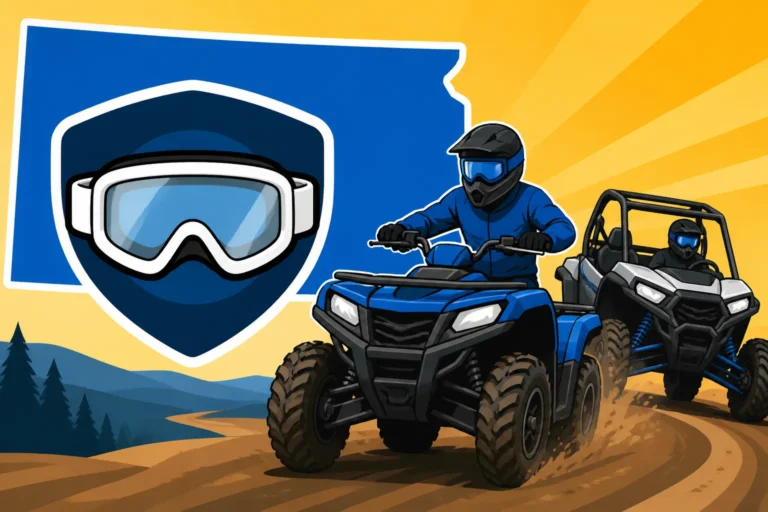
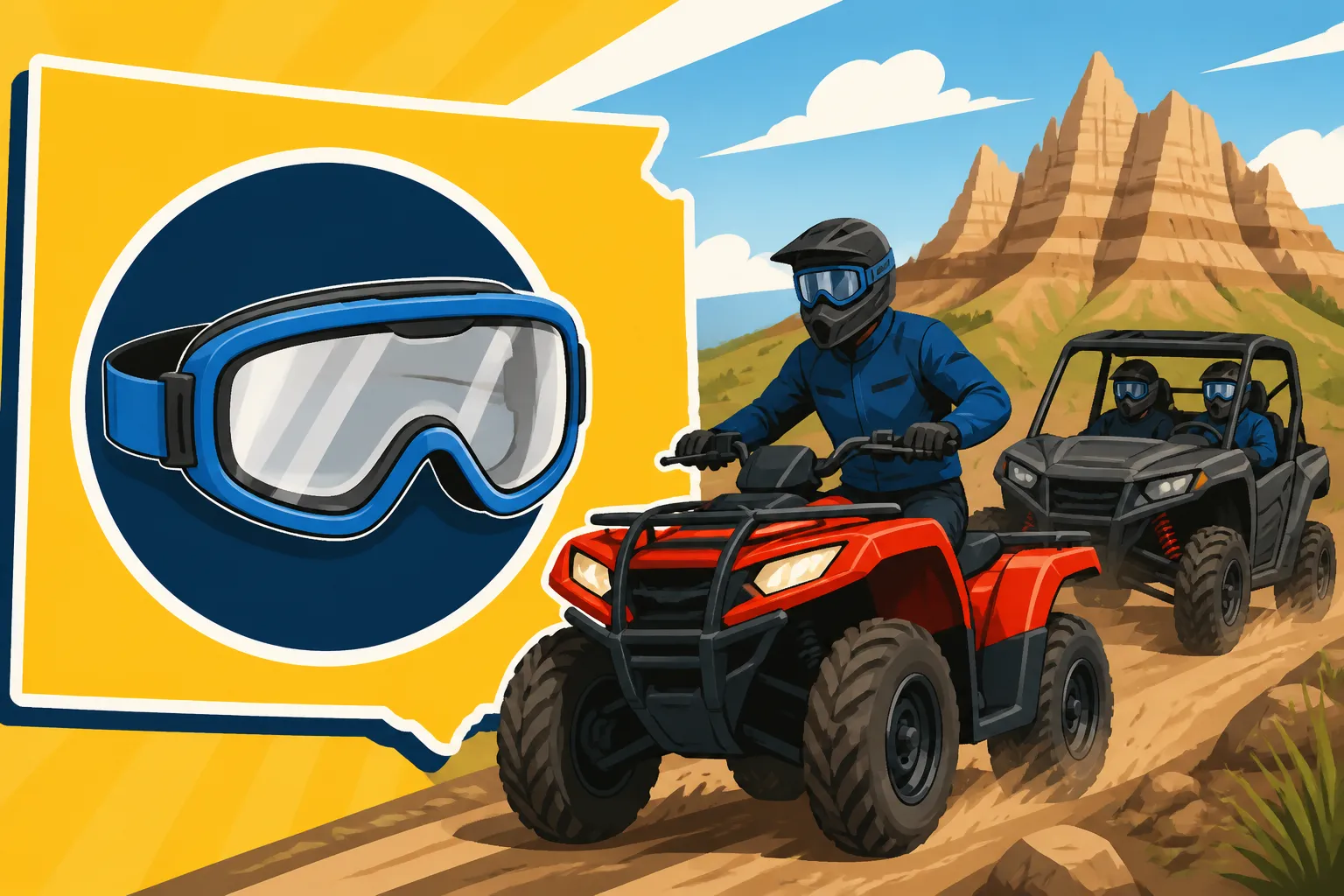
- Motorcycle goggles: These are specifically designed for powersports, featuring durable lenses, good peripheral vision, and often anti-fog coatings. They create a seal around your eyes to keep out dust and wind effectively.
- Face shields attached to an approved helmet: Many full-face or modular helmets come with integrated face shields that offer excellent protection. Just make sure the shield is clear, scratch-free, and securely latched.
- Safety glasses or sunglasses designed for powersports: While less robust than goggles or a full face shield, certain high-impact safety glasses or sport-specific sunglasses can be acceptable, particularly if they wrap around the face to offer side protection. However, they generally don't seal as well against dust and wind as goggles do.
What typically doesn't count as adequate protection? Your everyday fashion sunglasses, for instance. They might offer some UV protection, but they won't necessarily withstand an impact from a flying rock, nor will they seal out dust, wind, or mud effectively. Think about the rigors of off-road riding – you need something built to take a beating and keep your vision clear under challenging conditions. Products from brands like SuperATV often specify their impact ratings, giving you confidence that you're getting genuine protection.
South Dakota's 35 Percent Tint Rule Explained
Beyond just requiring any eye protection, South Dakota also has specific rules concerning the tint of visors and eyewear, especially for road use. This is primarily aimed at ensuring visibility during nighttime or low-light conditions. The rule, often applied to motorcycle visors and vehicle window tint, generally states that no more than 35 percent of light can be blocked. In simpler terms, your visor or goggle lens cannot be excessively dark. [South Dakota's 35 Percent Tint Rule] is something riders need to be aware of.
Why does this matter for ATV/UTV riders? If you're riding your machine on public roads, and your machine is plated and falls under similar regulations as motorcycles, a heavily tinted visor could potentially put you in violation of the law, especially after dusk. Imagine riding home after a prairie sunset, and your dark visor makes it impossible to see clearly. This isn't just a legal issue; it's a huge safety hazard. For daytime riding, a darker tint can be beneficial to reduce glare. Many riders carry multiple sets of lenses or even opt for photochromatic lenses that adjust to light conditions. If you're unsure about your tinted visor or goggles, it's always best to err on the side of caution and opt for a lighter tint or clear lens, particularly if you anticipate riding during twilight or night hours.
Types of Eye Protection: What Works and What Doesn't
Choosing the right eye protection can feel a bit overwhelming with all the options out there. But when you break it down, it's really about matching your gear to your riding style, the conditions you expect, and, of course, South Dakota's legal requirements. Let's look at the most common types and what you should consider.
Goggles: Your Trail Riding Staple
For most serious ATV and UTV trail riders, goggles are the undisputed champion of eye protection. They offer a superior seal against dust, dirt, wind, and debris, which is absolutely critical when you're flying down a [South Dakota Trail With Rock] or a dusty section line. Modern riding goggles come packed with features designed for maximum performance and comfort:
- Impact Resistance: Lenses are typically made from durable polycarbonate, designed to withstand impacts from stones and branches without shattering.
- Anti-Fog Technology: Many models incorporate anti-fog coatings or dual-pane lenses to prevent condensation buildup, ensuring clear vision even when you're working up a sweat or riding in humid conditions. This is a game-changer when you're pushing hard on a climb or after a brief stop.
- Ventilation: Strategic vents help air circulate, further reducing fogging and keeping your eyes cool.
- Interchangeable Lenses: This is a huge plus. You can swap out clear lenses for low-light conditions, tinted lenses for bright sunny days, or even specialized iridium lenses for specific glare reduction. This flexibility ensures you always have the right lens for the conditions, including respecting [South Dakota's 35 Percent Tint Rule].
- Comfort and Fit: High-density foam lining not only creates a snug seal but also wicks away sweat, keeping you comfortable for long rides. Adjustable straps ensure a secure fit over your helmet.
When you're shopping for goggles, consider brands known for quality and durability. Companies that specialize in off-road accessories, like SuperATV, often have a range of goggles designed with the specific demands of powersports in mind. Always try them on with your helmet to ensure a seamless fit, with no gaps where dust or wind can sneak in.
Face Shields: Convenience for the Plated Rider
If your ATV or UTV is plated and you often find yourself riding on public roads, a helmet with an integrated face shield might be your preferred choice. This is especially common for those who ride machines licensed as motorcycles or operate utility vehicles on county roads. [South Dakota Motorcycle Plate for an ATV] means you're often subject to similar rules as a two-wheeled rider.
Face shields offer a different set of advantages:
- Convenience: They're always there, attached to your helmet. No fumbling with separate goggles.
- Wider Field of Vision: Many face shields offer a broader, unobstructed view compared to goggles.
- Ease of Use: You can often flip them up and down quickly, which is handy for talking to fellow riders, grabbing a drink, or just getting some fresh air when stopped.
- Protection from Elements: They protect your entire face from wind, rain, and bugs, though they might not offer as tight a seal against fine dust as dedicated goggles.
However, face shields do have some drawbacks. They can be more prone to fogging than well-ventilated goggles, especially at lower speeds or when you're breathing heavily. Scratching a face shield means replacing the whole shield, which can be more costly than just replacing a goggle lens. Furthermore, heavily tinted face shields might be problematic for night riding due to the 35% tint rule. Many riders who use a helmet with a face shield for road use will switch to goggles if they plan a dedicated trail ride where dust and debris are major concerns.
Eyewear That Falls Short of the Mark
It's important to differentiate between adequate eye protection and simply wearing something over your eyes. Some forms of eyewear might seem convenient but simply do not provide the necessary level of safety for ATV and UTV riding in South Dakota.
Here's what typically falls short:
- Fashion Sunglasses: While they might look cool and offer some UV protection, most fashion sunglasses are not designed for impact resistance. A flying rock could easily shatter the lens, turning the protection into a new hazard. They also offer no seal against dust, wind, or debris from the sides or bottom.
- Prescription Eyeglasses (without additional protection): If you wear prescription glasses, you absolutely need to wear goggles over them, or use prescription inserts with your goggles. Riding with just your regular eyeglasses exposes them to breakage and your eyes to the same dangers as anyone else. Plus, they're not sealed against the elements.
- Safety Glasses (basic industrial type): While better than fashion sunglasses, many basic safety glasses don't offer the comprehensive wrap-around protection or the secure, sealed fit needed for powersports. They might be fine for a workshop, but not for 40 mph on a gravel road.
- Heavily Tinted Visors (at night): As we discussed with [South Dakota's 35 Percent Tint Rule], a visor that is too dark, especially when riding after dark, makes it extremely difficult to see. This is not just inadequate; it's dangerous and illegal.
Always prioritize gear specifically designed for powersports. Your vision is too important to cut corners here.
| Eye Protection Type | Pros | Cons | Best Use | Legal Compliance (SD) |
|---|---|---|---|---|
| Goggles | Excellent seal, impact resistance, anti-fog options, interchangeable lenses. | Can be bulky, may fog if poor quality, less peripheral vision than shield. | Dedicated trail riding, dusty/muddy conditions, high-speed off-road. | Generally compliant. |
| Face Shield (on helmet) | Convenience, wide field of vision, full face coverage, quick to raise/lower. | Prone to fogging if not vented, less sealed against fine dust, scratching means full replacement. | Road riding, casual trail riding, when plated machine is used like motorcycle. | Generally compliant, mind tint. |
| Safety Glasses (sport-specific) | Lightweight, often UV protective, some impact resistance. | Poor seal against dust/wind, limited peripheral protection, can easily fall off. | Light duty, slow riding, short distances, backup. | May be considered adequate by some, but less ideal. |
| Fashion Sunglasses | Style, UV protection. | No impact resistance, no seal, easily lost/broken, dangerous if shattered. | Absolutely NOT for riding. | Non-compliant. |
Eye Protection and Age: Special Considerations for Younger Riders
The rules and recommendations for eye protection become even more stringent when it comes to younger riders. Children and teenagers are often more susceptible to injury, and their developing vision needs maximum safeguarding. South Dakota law reflects this heightened concern, putting specific requirements in place for youth operating ATVs and UTVs.
Why Age Matters for Safety Gear
South Dakota law is quite explicit: "an operator of an off-road vehicle or passenger on an off-road vehicle shall wear an approved safety helmet and eye protection if under the age of eighteen." This isn't just an arbitrary age cut-off; it's based on several factors. Younger riders, particularly those just learning, may not have the same level of judgment, reaction time, or spatial awareness as adults. They might take more risks, or simply not anticipate hazards as effectively. Furthermore, a child's eyes and face are still developing and can be more vulnerable to trauma. An impact that might cause a minor bruise to an adult could result in a more severe injury for a child.
Beyond physical vulnerability, there's the critical aspect of education and habit formation. Instilling good safety habits from a young age, like always wearing a helmet and eye protection, ensures that these practices become second nature as they grow into more experienced riders. Ignoring these rules for a child sends the wrong message and puts them at unnecessary risk. Even if you're just letting them ride a [South Dakota Titles for a Youth Machine] around the pasture, they should be wearing full protective gear.
Supervision and Enforcement for Youth
For parents and guardians, the responsibility for ensuring young riders are properly equipped falls squarely on their shoulders. This means not only providing the correct gear but also enforcing its use consistently. A child might complain that goggles are uncomfortable or "uncool," but their safety should always take precedence. Supervising young riders means more than just watching them; it means actively ensuring they adhere to all safety protocols, including appropriate [South Dakota Helmet Law for Passengers] and riders, and, of course, proper eye protection.
If a South Dakota trooper or game warden observes a minor operating an ATV or UTV without the legally required eye protection, the consequences could extend beyond just the rider. The adult responsible for supervising the minor could face citations or fines. This is part of what a [What a South Dakota Trooper Checks Roadside] includes during a stop. It's a serious matter because the state wants to protect its youngest and most vulnerable riders. So, before you even consider letting a child or teenager climb onto an ATV, ensure they have a properly fitted helmet and goggles that are comfortable, clear, and specifically designed for powersports. Their safety, and your peace of mind, depend on it.
The Real-World Impact of Non-Compliance
Let's be brutally honest: ignoring South Dakota's eye protection requirements isn't just about bending a rule. It carries significant real-world consequences that can range from a quick annoyance to a life-altering tragedy. It's critical to understand that these regulations exist for very good reasons, primarily your safety and the safety of those around you.
Safety Implications: More Than Just a Scratch
The most immediate and severe impact of not wearing eye protection is, naturally, the risk of serious eye injury. We've talked about pebbles and dust, but let's delve a little deeper. Imagine hitting a barely visible low-hanging branch while riding through a wooded section of the Black Hills. Without eye protection, that branch could cause a corneal abrasion, a laceration to the eyelid, or even a direct impact to the eyeball resulting in permanent vision loss. These aren't just hypothetical scenarios; they happen far too often. An injury like this isn't just painful; it can lead to extensive medical treatment, multiple surgeries, and a long, challenging recovery. Your ability to work, drive, or even enjoy simple daily activities could be severely compromised.
Beyond direct injury, compromised vision due to wind, glare, or irritation creates a cascading safety risk. If your eyes are watering excessively from the wind, or you're squinting to see through harsh sunlight, your ability to spot obstacles, react to changing terrain, or even simply maintain your balance is significantly reduced. This can lead to accidents that affect not only your eyes but your entire body. A split-second decision based on impaired vision could send you off the trail, into a tree, or even colliding with another rider. No amount of perceived comfort from not wearing goggles is worth the potential cost of an accident. Always prioritize clear, unobstructed vision.
Legal Ramifications: The Fines and the Future
Beyond the physical risks, failing to wear mandated eye protection can lead to legal troubles and financial penalties. While I can't give specific figures, know that getting caught without proper eye protection, especially if you're under 18 or riding on a public road where it's explicitly required, can result in a citation. These fines might seem like a nuisance, but they add up, and they're certainly more expensive than a good pair of goggles. A South Dakota fine for illegal ATV road use, which might include equipment violations, isn't something you want on your record.
But it's not just about the immediate fine. If you're involved in an accident while not wearing required eye protection, you could face additional legal challenges. Your insurance company might deny or reduce coverage for your medical expenses or damages, arguing that you contributed to your injuries by failing to follow safety laws. This could leave you responsible for hefty bills out of pocket. Furthermore, in cases of severe injury or if another party is involved, your lack of compliance could be used against you in a civil lawsuit, impacting your financial future for years to come. It’s always better to be fully compliant and protect yourself on all fronts.
What a South Dakota Trooper Checks Roadside
When you encounter a South Dakota law enforcement officer, whether it's a game warden on a trail or a county deputy on a back road, they're trained to observe for safety compliance. [What a South Dakota Trooper Checks Roadside] isn't just about speeding; it's about making sure you and your machine are legally equipped and operated safely.
Here's what they'll typically be looking for regarding eye protection:
- Presence of Eye Protection: First and foremost, do you have any form of eye protection on? If you're riding with nothing at all, that's an immediate red flag.
- Type of Eye Protection: Is it adequate? Are you wearing flimsy fashion sunglasses or proper powersports goggles or a face shield? They'll assess if it appears to offer genuine protection.
- Condition of Eye Protection: Is it clear and functional? A heavily scratched or mud-caked visor that obscures your vision can be just as problematic as no eye protection at all.
- Age of Rider: If the rider is clearly under 18, the requirement for eye protection (and a helmet) is non-negotiable and will be strictly enforced.
They are looking for responsible riding. If you're out there being safe and respectful of the rules, your interaction with law enforcement will likely be positive. But if you're cutting corners on basic safety gear, you're inviting unwanted attention and potential penalties. It's a simple choice: invest in good gear and ride safely, or risk the legal and physical fallout.
Choosing and Maintaining Your Eye Protection for South Dakota Adventures
Alright, so you're convinced that eye protection is non-negotiable – fantastic! Now comes the fun part: picking out the right gear. With so many options, how do you make sure you get something that's not only effective but also comfortable and durable enough for those epic South Dakota rides? And once you have it, how do you keep it in top condition?
Factors to Consider for Optimal Vision and Comfort
Choosing the right eye protection involves more than just picking the first pair of goggles you see. You need to think about how they'll perform across different conditions and during long hours in the saddle.
- Fit with Your Helmet: This is paramount. Always try on goggles with your helmet. There should be no significant gaps between the top of the goggles and the helmet's brow, as this allows dust and wind to sneak in. The goggle strap should sit securely around your helmet without interfering with its fit. A comfortable fit means less distraction and more focus on the trail.
- Lens Material and Clarity: Look for lenses made from high-quality polycarbonate. This material is impact-resistant and offers excellent optical clarity, which is crucial for distinguishing trail hazards. Check for anti-scratch coatings, too, as even the smallest scratch can become a frustrating blur.
- Anti-Fog Capabilities: This cannot be stressed enough, especially when riding in varying temperatures or exerting yourself. Look for goggles with good ventilation, dual-pane lenses, or advanced anti-fog coatings. Riding through a [Fog in a Black Hills Draw] or after a sudden temperature drop can render cheap goggles useless in seconds.
- Ventilation: Good airflow prevents fogging and helps keep your eyes cool and comfortable. Proper vents also help to dissipate moisture if you're sweating.
- Foam Density and Sweat Absorption: The foam around the goggle frame should be dense enough to create a comfortable seal against your face, preventing dust and sweat from getting into your eyes. It should also be designed to wick away moisture.
- Strap Adjustability: A wide, adjustable strap with silicone strips on the inside will keep your goggles securely in place on your helmet, even over rough terrain.
- Interchangeable Lenses: As discussed, having the option to swap lenses is incredibly valuable. Clear for low light, tinted for bright sun, and maybe even a yellow tint for enhanced contrast on cloudy days or in dense woods. This versatility ensures you're always ready for whatever the [South Dakota Riding in Summer] or [South Dakota Riding in Winter] might throw at you.
Integrating Eye Protection with Helmets and Other Gear
Your eye protection isn't an isolated piece of gear; it's part of a complete safety system. How it integrates with your helmet, and even your prescription glasses, makes a big difference in comfort and effectiveness.
- Goggles and Open-Face Helmets: This is a classic combination for off-road riders. Ensure the goggles sit comfortably in the helmet's eyeport. Some helmets even have specific channels or designs to hold goggle straps in place.
- Goggles Over Prescription Glasses: Many powersports goggles are specifically designed to fit "over the glasses" (OTG). If you wear prescription eyewear, this is a must. Test them out to ensure they don't pinch your glasses or create uncomfortable pressure points. Alternatively, you can explore prescription inserts for certain goggle models, or even contact lenses if that's an option for you.
- Full-Face Helmet with Face Shield and Goggles: Some riders who use full-face helmets for their protection might still opt for goggles under the face shield when hitting particularly dusty or muddy trails. This offers the best of both worlds: the full-face impact protection and the superior dust/mud sealing of goggles. Just make sure the goggles fit comfortably within the helmet's chin bar area.
- Layering for Different Conditions: Think about carrying multiple lens options or even a spare pair of goggles. On a long ride through varying terrain and light conditions, being able to adapt your eye protection quickly is invaluable.
Brands like SuperATV offer a range of accessories and gear that often integrate well with other common helmet and protective setups, making it easier to build a cohesive and effective safety ensemble.
Care and Longevity for Your Essential Gear
Good eye protection is an investment, and like any investment, it needs proper care to last. Neglecting your goggles or face shield can quickly diminish their effectiveness and shorten their lifespan.
- Cleaning: After every ride, especially dusty or muddy ones, clean your eye protection.
- Goggles: Remove the lens if possible. Rinse the lens under cool, running water to dislodge any large debris before wiping. Use a micro-fiber cloth and a mild soap (or specialized lens cleaner) to gently clean the lens. Avoid abrasive cleaners or paper towels, which can scratch anti-fog or anti-scratch coatings. Clean the foam with a damp cloth and let it air dry completely to prevent mildew.
- Face Shields: Again, rinse first to avoid scratching. Use a soft cloth and mild soap or helmet cleaner. Be gentle.
- Storage: Store your goggles in a protective bag or case to prevent scratches when not in use. Don't just toss them in your gear bag where they can rub against tools or other abrasive items. Keep them away from extreme heat, like direct sunlight in a vehicle, which can warp frames or damage coatings.
- Inspection: Regularly inspect your lenses for deep scratches or cracks. Even a small crack can compromise impact resistance. If a lens is heavily scratched or damaged, replace it. A clear field of vision is non-negotiable. Check the elastic strap for wear and tear; a stretched-out strap won't keep your goggles securely in place.
- Replacing Lenses and Parts: Many quality goggles allow you to replace just the lens, rather than the entire unit. This is cost-effective and environmentally friendly. Keep an eye out for replacement parts like tear-offs (for muddy conditions) or roll-offs for extended clear vision.
By taking these steps, you'll ensure your eye protection remains effective, comfortable, and ready for your next South Dakota adventure, whether you're navigating [South Dakota Trails With Rock] or just cruising a gravel road.
Adapting Your Eye Protection to South Dakota's Diverse Riding Conditions
South Dakota's landscape is incredibly varied, from the dense pine forests and rocky trails of the Black Hills to the wide-open, often dusty, plains and prairies. Each environment presents its own unique challenges for your eyes, and understanding how to adapt your eye protection can dramatically enhance your safety and enjoyment.
Battling Dust on Prairie Two-Tracks and Gravel Roads
If you've ever ridden a [South Dakota Gravel Road After Rain], you know the dust can be absolutely relentless once things dry out. On an open prairie two-track, especially if you're riding with a group, the amount of pulverized dirt and fine particulate matter in the air can be astounding. It gets everywhere, and your eyes are particularly vulnerable.
For these conditions, a good pair of goggles with a superior seal is your best friend. Look for:
- Dense, Multi-Layered Foam: This foam creates a tight barrier against your face, preventing fine dust from sneaking in around the edges. Lower quality goggles often have thinner foam that just can't keep the dust out.
- Clear Lenses (or Light Tint): While a dark tint helps with sun, fine dust often reduces overall visibility. A clear or very light-tinted lens can actually help maintain clarity in dusty, hazy conditions.
- Anti-Fog Coatings: When dust combines with sweat and exertion, fogging can become a major issue. A good anti-fog coating or dual-pane lens will be invaluable.
- Tear-Offs or Roll-Offs: While more common in racing, if you're in an extremely dusty environment, tear-offs can give you instant clear vision by peeling away a layer of film. For general dusty trail riding, ensuring your main lens is clean and scratch-free, perhaps with a super-hydrophobic coating from a brand like SuperATV, is your primary defense.
Remember that even if you're riding solo, the wind can whip up dust from your own tires. So, whether you're bringing a machine from [Hauling a Machine In From Minnesota] or you're a local, dust mitigation for your eyes is always a priority on the prairie.
Navigating Mud and Water Crossings
The South Dakota landscape, particularly after spring rains or summer thunderstorms, can turn into a muddy playground. Crossing streams, splashing through puddles, or just getting caught in the slop can quickly coat your entire machine – and your eye protection – in mud. [South Dakota Rules for Riding a Dry Creek Bed] change dramatically when water flows!
Here's how to prepare your eye protection for the mucky stuff:
- Robust Anti-Fog Lenses: Muddy conditions often go hand-in-hand with humidity, making fogging a major challenge. Choose goggles with excellent anti-fog capabilities.
- Tear-Offs or Roll-Off Systems: These are almost essential for serious mud riding. Tear-offs are thin, clear films you place over your goggle lens. When mud splashes, you simply pull a tab and peel off a dirty layer, revealing a clean lens underneath. Roll-off systems use a similar principle but wind a strip of film across the lens, offering many "wipes" of clear vision.
- Water-Repellent Coatings: Some lenses come with coatings that help water and mud bead up and run off more easily, preventing it from sticking and obscuring your vision.
- Easy-Clean Frames: Goggles with fewer crevices in the frame will be easier to clean thoroughly after a muddy ride.
Even if you're not planning to intentionally hit every mud hole, an unexpected muddy section can pop up. Being prepared with the right eye protection means you won't have to stop every few minutes to try and wipe off your lens, which can lead to scratches.
Sun, Glare, and Night Riding Strategies
South Dakota offers stunning skies, but that means dealing with intense sunlight and, conversely, absolute darkness during night rides. Your eye protection needs to adapt.
- Sun and Glare:
- Tinted Lenses: For bright, sunny days, a good tinted or mirrored lens will significantly reduce glare and eye strain. Gray, brown, or iridium tints are popular choices. However, always remember [South Dakota's 35 Percent Tint Rule] if you're operating on public roads, especially if you plan to extend your ride into twilight.
- UV Protection: Ensure your lenses block 100% of harmful UVA and UVB rays. This is important for long-term eye health, regardless of tint.
- Polarized Lenses: While great for reducing glare off water or flat surfaces, some riders find polarized lenses can interfere with vision on certain digital displays or make it harder to spot icy patches. Test them out to see if they work for you.
- Night Riding:
- Clear Lenses: Absolutely essential for night riding. Any tint, even a light one, will reduce the amount of available light entering your eyes, making it harder to see. Your machine's headlights can only do so much; your eyes need all the light they can get.
- Anti-Fog: Fogging can be even more pronounced at night due to temperature differentials. Ensure your clear lenses have excellent anti-fog properties.
- Headlight Aim: While not strictly eye protection, ensure your ATV or UTV's headlights are properly aimed. [Aiming a Headlight for a Gravel Section Line] is crucial for seeing clearly ahead and avoiding blinding oncoming traffic (if applicable). [South Dakota Rules for Riding After Dark] are stringent for a reason.
By considering these varying conditions and equipping yourself with adaptable eye protection, you'll be able to enjoy the full spectrum of South Dakota riding safely and comfortably, from the brightest midday sun to the darkest Black Hills night.
Disclaimer
This article is for general informational purposes only and does not constitute professional advice. Laws, prices and regulations vary by location and change over time. Consult a qualified professional for guidance on your specific situation.