South Dakota Ditch Riding Rules Explained
There's nothing quite like the freedom of hopping on your ATV or UTV and heading out to explore, whether it's for work on the ranch or a recreational cruise. But here in South Dakota, navigating the rules about where you can and can't ride, especially when it comes to ditch riding, can feel like trying to solve a puzzle with half the pieces missing. Many riders find themselves scratching their heads, wondering if that handy stretch of ditch is fair game or a ticket waiting to happen. This guide is designed to cut through the confusion, helping you understand the ins and outs of South Dakota's ditch riding regulations so you can ride confidently and legally.
The Core of South Dakota's Ditch Riding Law
Riding ATVs and UTVs in the ditches alongside public roads is a long-standing practice in many parts of South Dakota, offering a convenient way to travel, access fields, or connect to trails without having to trailer your machine everywhere. However, it's not a free-for-all. There are specific rules that govern this activity, and understanding them is crucial for staying on the right side of the law.
Understanding the Basic Premise
The foundational principle of South Dakota's ditch riding law is one of permissive use. Essentially, you're generally allowed to ride in a public highway ditch unless a specific county has taken action to prohibit it. This can be a huge relief for folks living in rural areas where the nearest store or neighbor might be just a ditch-ride away. Imagine needing a quick part from the hardware store or just wanting to visit a friend down the road without the hassle of loading your side-by-side onto a trailer. The ability to use the ditch makes these everyday tasks much more manageable and adds a layer of convenience to rural life. It's about respecting the structure of our road system while acknowledging the practical needs of ATV and UTV owners.
Who Can Ride and Where
When it comes to who can ride in these ditches, age is a primary factor. South Dakota law states that a person must be at least 12 years old to operate an ATV or UTV in a highway ditch. For those under 16, there's an additional layer of supervision required; they must be under the direct visual supervision of a parent or guardian. This isn't just a recommendation; it's a legal requirement designed to ensure safety, especially for younger riders who might not have the experience to react quickly to unexpected situations. This rule helps safeguard both the young rider and others who might be using the adjacent roadway or properties. It’s also important to differentiate between highway ditches, which are explicitly covered by these rules, and other areas like private property ditches or section lines, which might have different implications. If you're wondering about specifics, our guide on [South Dakota Minimum Age for Ditch Riding] dives deeper into these age requirements.
The "Outer Edge" and "Bottom" Rules
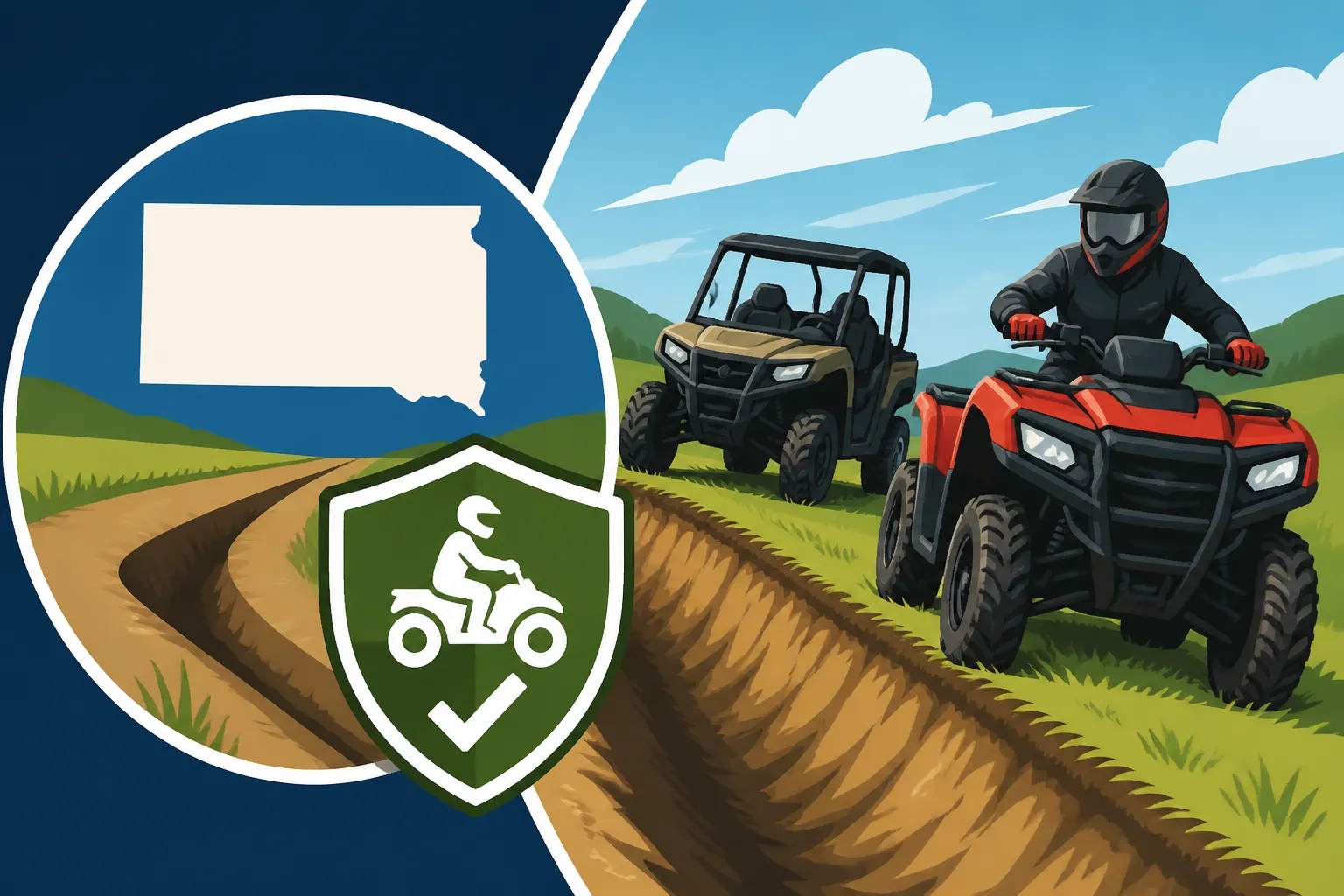
One of the most critical aspects of South Dakota ditch riding is where exactly you can ride within the ditch itself. The law is quite specific here, aiming to keep riders as far away from active traffic as possible. You are generally permitted to ride in the "extreme outer edge" of the right-of-way, which includes the bottom of the ditch and the back slope, staying clear of the traveled portion of the highway. This means you should be riding in the deepest part of the ditch or on the rise leading away from the road, not on the shoulder or too close to the actual pavement where vehicles are traveling at speed. For instance, if you're cruising along a gravel road, you should be down in the ditch, not kicking up dust on the road itself. The idea is to maintain a safe distance and not create a hazard for motorists. Our deep dive into [Riding the Bottom of a Highway Ditch] can offer even more clarity on this often-misunderstood aspect of the law.
County Ordinances and Opt-Out Rules
While ditch riding is generally allowed statewide, South Dakota provides a mechanism for individual counties to ban it within their own borders. This creates a patchwork of rules across the state, making it absolutely essential for riders to know the local regulations of their intended riding area.
How Counties Can Ban Ditch Riding
The state law grants counties the authority to prohibit ATV and UTV riding in public ditches if they choose. This isn't a casual decision; a county must formally "opt out" by passing a specific ordinance. This process usually involves public hearings, community input, and a formal vote by the county commission. Once such an ordinance is in place, riding in the ditches of that particular county becomes illegal. For example, a county that experiences heavy ATV traffic and concerns about safety might decide to enact a ban, whereas a more sparsely populated county might see no need. It’s a local control issue, allowing communities to tailor regulations to their specific circumstances. Always assume ditch riding is permitted until you confirm otherwise in a specific county, but confirm you must! To understand the nuances of this process, you might want to read [How a South Dakota County Opts Out of Ditch Riding].
Regulatory Signs You Need to Watch For
If a county has banned ditch riding, they are generally required to post clear regulatory signs indicating the prohibition. These signs aren't always massive billboards, but they should be visible at the main entry points to the county or along key roadways. They typically state something like "ATV/UTV Ditch Riding Prohibited" or similar clear language. It’s not enough to say, "I didn't see a sign!" as ignorance of the law is rarely an excuse. However, these signs serve as a crucial visual reminder for riders, especially those passing through unfamiliar territory. Imagine you're trailering your SuperATV-equipped UTV through several counties on your way to a riding area. You might encounter different rules in different counties, and these signs are your primary alert. Always be on the lookout for them, especially when crossing county lines or entering a new area. Ignoring such a sign could lead to a citation and dampen your day. Our guide on [Reading the Regulatory Sign at a Ditch Entrance] provides examples and details on what to look for.
The Highway Crossing Exception
Here’s a critical piece of information that often surprises riders: even in counties that have banned ditch riding, they generally cannot prohibit you from crossing a highway. The law makes a specific exception for crossing, provided you do so at a right angle to the highway, safely and legally. This means if you need to get from one side of a road to the other to access private property, a trail, or another ditch where riding is permitted, you can still do so. However, this isn't a license to travel along the highway for any distance; it's strictly for crossing. Safety is paramount here: come to a complete stop, check for traffic in both directions, and cross quickly and efficiently. Think of it as a brief, necessary maneuver rather than an extension of your ride. The intention is to avoid completely isolating riders from their destinations or legal riding areas. For more on this, check out [South Dakota Rules for Crossing a Highway].
Equipment and Rider Requirements for Ditch Riding
Just because you're riding in a ditch doesn't mean all the rules about operating your ATV or UTV go out the window. In fact, many standard safety and legal requirements still apply, ensuring that you and your machine are prepared for whatever the right-of-way might throw your way.
Plate, Permit, and License Considerations
This is where things can get a little nuanced. If your ATV or UTV is being used strictly off-road, like on private land or designated trails, you might not need a license plate, though a Black Hills Motorized Trail Permit would be required for forest trails. However, when you enter the public right-of-way, even in a ditch, the lines blur a bit. South Dakota law often treats ditch riding as a form of "road use," especially if you're using it to travel from one point to another along the road. Therefore, your machine may need to be legally plated and registered as a motorcycle to operate in the ditch. This includes having a valid driver's license for the operator, just as you would for any other vehicle on a public road. A valid driver's license means you’ve demonstrated a basic understanding of traffic laws and safe operation. If you’re caught without the appropriate plate or license, you could face penalties. It's not uncommon for riders to be pulled over if their machine isn't properly marked. For a full rundown on what you need, check out our guides on [South Dakota ATV Plate Requirements] and [South Dakota Driver's License Rules for ATVs]. Make sure you understand [South Dakota Rules for a Machine With No Plate] before hitting the ditch.
Helmets and Eye Protection on the Ditch
Safety gear is not optional, especially when you consider the potential for dust, debris, and unforeseen hazards in a ditch environment. South Dakota's helmet law dictates that riders under the age of 18 must wear a helmet when operating an ATV or UTV on public land, which includes highway ditches. While adults 18 and over are not legally required to wear a helmet, it's always a smart idea for your own protection. Beyond helmets, eye protection is a non-negotiable for all riders, regardless of age. Goggles or a face shield that meets safety standards are required. Think about it: kicking up gravel, dust, or even unexpected mud can severely impair your vision, making a dangerous situation even worse. A good pair of goggles can be the difference between a minor inconvenience and a serious injury. Some riders even opt for full-face helmets, offering both head and eye protection in one go. You can find more specific details in [South Dakota Helmet Rules for ATV Riders] and [South Dakota Eye Protection Requirement].
Machine Equipment for Ditch Use
Even if your machine isn't fully street-legal for pavement, operating it in a public ditch often carries implied (and sometimes explicit) requirements for basic safety equipment. For instance, visibility is key. Having functional headlights and taillights is crucial, especially if you might be riding near dusk or dawn. A horn can be incredibly useful for alerting pedestrians, other riders, or even wildlife to your presence. Mirrors, particularly a rearview mirror, are also highly recommended by many safety advocates and, in some interpretations, are expected for any vehicle sharing a right-of-way. While the ditch itself isn't the primary roadway, you're still in close proximity to traffic, and being able to see what's behind you is vital. Companies like SuperATV offer a fantastic range of accessories, from durable mirrors to high-visibility LED light bars, that can significantly improve your safety and compliance when navigating ditches. Investing in these small but impactful upgrades can make your ditch riding experience much safer and more enjoyable, helping you spot that semi coming up behind you before you even consider merging for a crossing.
Common Ditch Riding Scenarios and Pitfalls
Ditch riding isn't always a straightforward affair. Real-world situations can present unique challenges and legal questions. Understanding these common scenarios can help you navigate the landscape safely and legally.
Riding a Section Line Versus a Highway Ditch
Many rural areas in South Dakota are crisscrossed by section lines, which are often unmaintained, grassy pathways that may or may not be officially open to public travel. The rules for section lines can differ significantly from those for maintained highway ditches. Highway ditches are typically part of the established public right-of-way, with clearer regulations. Section lines, on the other hand, can be a grey area. Some may be open to public travel, others might be privately owned, or their status could be ambiguous. Riding an "unopened" section line without landowner permission could easily lead to a trespassing charge. Always err on the side of caution. If you're unsure about the legal status of a section line, it's best to confirm with the county or the landowner before riding. A friendly conversation with a local rancher can go a long way in avoiding legal trouble and maintaining good relationships within the community. For a more detailed look, check out [Riding an Unopened South Dakota Section Line?].
Weather, Obstructions, and Safety
South Dakota weather can change on a dime, and what might be a perfectly rideable ditch one day could be a hazardous mess the next. Rain can turn ditches into muddy trenches, making traction difficult and increasing the risk of getting stuck or losing control. Snow, especially deep snow, can obscure hazards and make it nearly impossible to differentiate between the ditch and the roadway. If you find yourself in a situation where the ditch is impassable due to an obstruction, like a fallen tree or a washout, you might be tempted to move onto the shoulder or even the roadway to get around it. The law sometimes allows for a temporary deviation if the ditch is genuinely obstructed, but this is a very narrow exception. You must rejoin the ditch as soon as safely possible. Always exercise extreme caution in adverse conditions, reducing your speed and being hyper-aware of your surroundings. Remember, a broken axle or a fender bender far from home can ruin your day and cost a pretty penny. It's often better to turn back or find an alternative route than to risk an accident. You can learn more about specific weather challenges in [Riding a Ditch in Deep Snow].
Exceptions for Agricultural and Utility Vehicles
It's important to remember that not all vehicles in ditches are recreational ATVs or UTVs. South Dakota law often provides specific exemptions for agricultural and utility vehicles when they are being used for their intended purpose. For example, a farmer driving their side-by-side in a ditch to access fields for planting or harvesting, or a utility worker inspecting power lines, might not be subject to the same strict regulations as a recreational rider. These machines are considered essential for work and are granted more leeway. This distinction is crucial for recreational riders to understand, as it explains why you might see a pickup truck or tractor in a ditch that you, on your recreational machine, might not be allowed to enter. It highlights the practical, economic functions many of these vehicles serve in our state. Our article on [Agricultural and Utility Vehicles Exempted] provides more context on these specific carve-outs.
Enforcement and Penalties
If you're caught riding illegally in a South Dakota ditch, the consequences can range from a warning to significant fines and even legal trouble. Riding in a county that has prohibited ditch riding, operating an unregistered or unplated machine where required, or letting an underage rider operate without supervision are all infractions that law enforcement takes seriously. Depending on the severity and nature of the violation, you could be facing a Class 2 Misdemeanor, which carries potential fines and could even result in points on your driver's license. For example, if you're found operating your UTV on the shoulder of a highway in a county where ditch riding is banned, a state trooper or local sheriff's deputy could issue a citation. These penalties are designed to deter unsafe or illegal behavior and ensure public safety. Always be respectful and cooperative with law enforcement officials. Understanding [What a Class 2 Misdemeanor Costs a Rider] can give you a clear picture of the financial implications.
Best Practices for Responsible Ditch Riding
Navigating the rules of ditch riding in South Dakota can feel like a maze, but by adopting a few best practices, you can ensure your rides are both enjoyable and legal. It’s all about preparation, awareness, and respect for the land and others.
Always Know Before You Go
This cannot be stressed enough: before you load up your ATV or UTV and head out, especially if you're venturing into a new area, always do your homework. The most important step is to confirm the specific ditch riding ordinances for the county you'll be in. Since counties can opt-out, what's legal in one county might be illegal just a few miles down the road. You can usually find this information on the county's official website, or by making a quick phone call to the county treasurer's office or sheriff's department. Don't rely solely on what a buddy told you last year, as rules can change. It's also wise to check local maps for designated routes or restrictions. Knowing the rules ahead of time not only keeps you legal but also ensures you don't waste precious riding time dealing with a citation or getting turned around.
Respect Landowners and Private Property
While ditches are generally public right-of-ways, they often directly border private land. It is absolutely crucial to be aware of property lines and to avoid trespassing onto private property. Straying even a few feet off the ditch bottom can lead to serious issues with landowners. Many rural properties in South Dakota are working ranches or farms, and accidental trespassing can damage crops, disturb livestock, or simply create resentment. Always assume land is private unless clearly marked otherwise, and if there's any doubt, stay within the defined public right-of-way. If you need to cross private land to access another area, always seek explicit permission from the landowner beforehand. A simple knock on the door or a phone call can save you a lot of trouble and foster good relationships within the community. Our guide on [South Dakota Landowner Permission Requirements] offers more insights into how to approach this respectfully and legally.
Prioritizing Safety and Awareness
Ditch riding, by its nature, puts you in close proximity to moving vehicle traffic on the adjacent road. Your safety, and the safety of others, must be your absolute top priority. This means maintaining a safe speed, typically no more than 20 mph, and constantly being aware of your surroundings. Dust can be a major issue on gravel roads, significantly reducing visibility for both you and drivers. Consider installing a safety flag on your ATV or UTV, especially if you have a SuperATV model with a flag mount, to make yourself more visible. Bright clothing can also help. Always anticipate potential hazards like road crossings, driveways, mailboxes, and hidden obstructions in the ditch itself. Never assume a motorist sees you; be proactive in making yourself seen. A moment of inattention could lead to a serious accident. By staying vigilant and using common sense, you can ensure that your South Dakota ditch riding adventures are safe, enjoyable, and free from unwanted complications.
| Feature | Highway Ditch (Permitted County) | Highway Ditch (Banned County) | Highway Crossing (Permitted) | Section Line (Open/Public) | Section Line (Unopened/Private) |
|---|---|---|---|---|---|
| Legal Status | Generally Allowed | Prohibited | Allowed for Direct Crossing | Varies by County/Designation | Private – Permission Needed |
| Minimum Age | 12+ (Under 16 supervised) | N/A (Prohibited) | 12+ (Under 16 supervised) | 12+ (Under 16 supervised) | Varies (Often 16+ or with adult) |
| Helmet Required | Under 18 | N/A (Prohibited) | Under 18 | Under 18 | Under 18 (Private land may vary) |
| Eye Protection Required | Yes (All riders) | N/A (Prohibited) | Yes (All riders) | Yes (All riders) | Yes (All riders) |
| Plate/Registration | Often Required (Road use interpretation) | N/A (Prohibited) | Often Required (Road use interpretation) | Recommended/Required for Public Use | Check local/landowner rules |
| Speed Limit (Typical) | 20 MPH | N/A (Prohibited) | Slow, safe speed | 20 MPH | Varies (Owner's discretion) |
| Key Rule | Stay in ditch bottom/outer edge | Do not ride in ditch | Cross at right angles, yield to traffic | Respect boundaries, verify status | Always get explicit permission |
| Enforcement Risk | Moderate (if non-compliant) | High (direct violation) | Low (if performed safely) | Moderate (if status unclear) | High (trespassing) |
Disclaimer
This article is for general informational purposes only and does not constitute professional advice. Laws, prices and regulations vary by location and change over time. Consult a qualified professional for guidance on your specific situation.