Twelve Years Old in a South Dakota Ditch
The thought of a young rider, perhaps a curious twelve-year-old, eagerly wanting to hop on an ATV and explore the vast landscapes of South Dakota is a common one for many families. But for parents, that excitement is often tempered with a healthy dose of worry and confusion about what's actually legal and safe, especially when it comes to riding in the road ditches. South Dakota has some unique rules around ditch riding and age limits that can feel like a maze. This guide will cut through the noise, explaining exactly when and how a twelve-year-old can legally ride an off-road vehicle in a South Dakota ditch, and what all those specific regulations truly mean for your family.
The Lure and the Law: Understanding South Dakota's Ditch Riding Rules
There’s something undeniably appealing about the freedom of riding an ATV or UTV in South Dakota, especially when you consider the expansive prairies and wide-open spaces. For many, this includes the tradition of riding in road ditches. However, for a parent with a twelve-year-old eager to join in, these traditions meet legal realities that need careful navigation. It's not as simple as just heading out; understanding the foundational principles of ditch riding in the Mount Rushmore State is crucial.
The Basic Ditch Riding Principle: Opt-Out, Not Opt-In
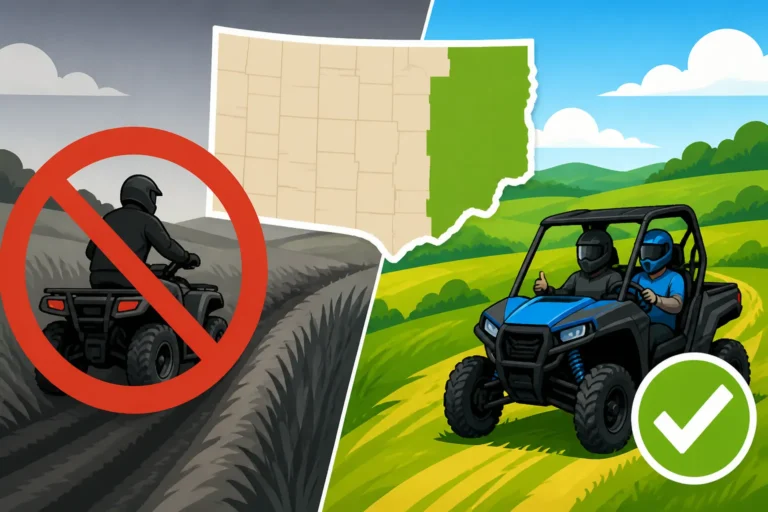
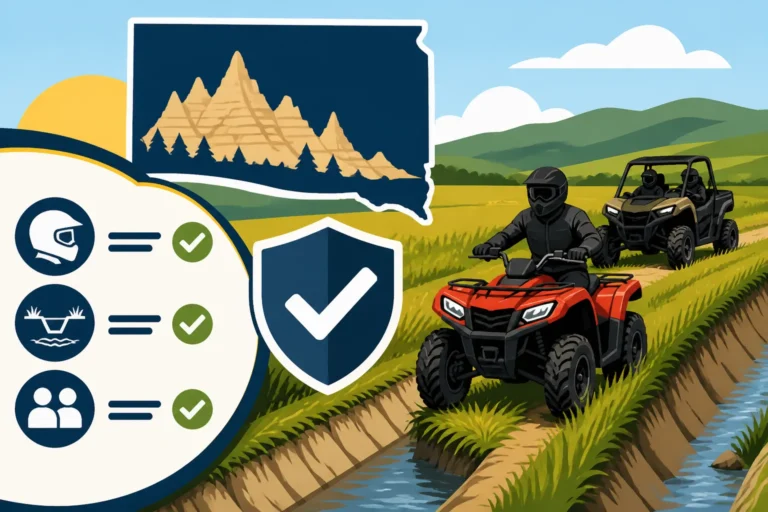
One of the most distinctive aspects of South Dakota's ATV laws is its approach to ditch riding: it's generally allowed unless a local county has specifically chosen to ban it. This "opt-out" system means that residents and visitors alike often assume ditches are fair game, and for the most part, they are. You're expected to stay within the right-of-way, specifically in the ditch bottom or on the back-slope, and always on the outer edge, away from the traveled portion of the road. This rule, often referred to as [South Dakota's Outer Edge Rule], is designed to keep riders as far as possible from moving traffic, making safety a primary concern.
However, this default freedom comes with the significant caveat that local jurisdictions, namely counties, have the power to override it. They can, and sometimes do, pass ordinances that prohibit ATV and UTV use in their road ditches. This means that while you might be riding legally in one county, crossing an invisible line into the next could suddenly put you in violation of the law. It’s a patchwork system that requires riders to be diligent about local ordinances, and for parents, this adds another layer of research before letting their young ones ride.
Age and Supervision: When Can a Young Rider Hit the Ditch?
This is where the rubber meets the road (or rather, the tires meet the ditch) for our twelve-year-olds. South Dakota law specifically states that a person must be at least twelve years old to operate an ORV in a public ditch or on a highway shoulder, provided the county has not banned such activity. This isn't just a suggestion; it's a hard and fast rule. Before hitting that ditch, your child must have celebrated their twelfth birthday. This specific age limit aims to balance the desire for youth to enjoy the outdoors with necessary safety considerations, acknowledging that children need a certain level of maturity and physical capability to handle an off-road machine safely.
But age isn't the only factor. The law also mandates that any rider between the ages of twelve and sixteen must be under the direct supervision of an adult who is at least eighteen years old. "Direct supervision" isn't just having an adult somewhere in the vicinity; it implies that the adult should be close enough to observe and intervene if necessary. This often means riding together, with the adult on their own machine or riding as a passenger, maintaining constant visual and auditory contact. It's about immediate oversight, ensuring that the young rider has guidance and support in real-time, especially considering the unpredictable nature of terrain and other traffic. Understanding [South Dakota Minimum Age for Ditch Riding] is essential for responsible parenting and compliance.
The "Why" Behind the Twelve-Year-Old Rule
As parents, it’s easy to feel frustrated by rules that seem arbitrary, especially when your child is begging to ride. However, the twelve-year-old age limit for ditch riding in South Dakota isn't just pulled out of thin air. It's a reflection of developmental realities. At twelve, most children have developed sufficient motor skills, coordination, and judgment to operate an ATV or UTV with a reasonable degree of safety. They're typically strong enough to manage the machine's weight and controls, and their cognitive abilities allow them to understand and react to their surroundings, read terrain, and grasp the rules of the road – even if that road is a ditch.
Before this age, children may lack the physical stature or the cognitive maturity to make split-second decisions safely, react to unexpected obstacles, or anticipate potential hazards effectively. Furthermore, the supervision requirement for those under sixteen reinforces this protective stance, acknowledging that even at twelve, children are still developing. It allows for a gradual introduction to more independent riding, ensuring that experienced guidance is readily available. This framework is designed to keep young riders safe while still allowing them to experience the joy of off-road riding, particularly with the added protection of reputable gear, perhaps even from brands like SuperATV, which focuses on enhancing machine capability and safety.
Navigating the Nuances of Ditch Riding Legality
The general rule that ditch riding is permitted until a county specifically prohibits it creates a mosaic of regulations across South Dakota. This means riders, especially those with young family members, need to be hyper-aware of their location and the specific rules governing that area. It's not enough to know the statewide standard; local knowledge is paramount to stay on the right side of the law and ensure safety.
Identifying Closed Ditches: Reading the Signs
Given the opt-out nature of South Dakota's ditch riding laws, the onus is often on the rider to know whether a particular county has chosen to ban the activity. How do you find out? The primary method is through signage. If a county has opted out, they are required to post clear regulatory signs indicating that ATV and UTV use is prohibited in the ditches. These signs should be posted at key entry points to the county's road systems, though it's always wise to look for them along specific stretches of road as well. Imagine you're approaching a county line, perhaps from Lawrence County into another; a sign prohibiting ditch riding would ideally be visible as you enter the new jurisdiction. This helps you understand [Reading the Regulatory Sign at a Ditch Entrance].
Before you even load up the machine, especially if you plan to explore a new area, it's highly recommended to check with the specific county's sheriff's office or highway department. Many counties will have their ordinances available online. Relying solely on the presence of a sign might not always be enough, as signs can be vandalized, obscured, or simply missed. A proactive phone call or website check can save you a lot of trouble and potential fines, particularly when you're riding with a twelve-year-old who is just learning the ropes and shouldn't be exposed to unnecessary risks. This due diligence is part of responsible riding and helps explain [How a South Dakota County Opts Out of Ditch Riding].
Exceptions and Exemptions: When the Rules Bend
While the general rules for ditch riding are fairly clear, there are always specific situations where exemptions apply. One of the most common and important exemptions involves agricultural and utility vehicles. Farmers and ranchers, for example, often use ATVs and UTVs as essential tools for their work, and they are typically exempt from ditch riding prohibitions when operating these machines in the course of their agricultural duties. This means that a rancher checking fences or moving livestock in a ditch, even in a county that has generally banned ATV ditch riding, would likely be operating within the law. Similarly, utility workers performing maintenance on infrastructure located in the right-of-way often have exemptions.
Another crucial exception relates to highway crossings. Even if a county has banned riding in its ditches, it cannot prohibit ATVs and UTVs from crossing a highway. This is a statewide provision that ensures riders can access trails or private property on the other side of a road. However, crossing must be done safely and directly, at a ninety-degree angle to the road, and only when safe to do so. It's not an excuse to ride along the highway; it's a brief maneuver to get from one side to the other. Understanding [South Dakota Rules for Crossing a Highway] is vital, as this is a high-risk maneuver that requires extreme caution, especially when a young rider is involved. [Why No South Dakota County May Bar a Crossing] reinforces this specific exception.
Equipment and Safety for Ditch Riders
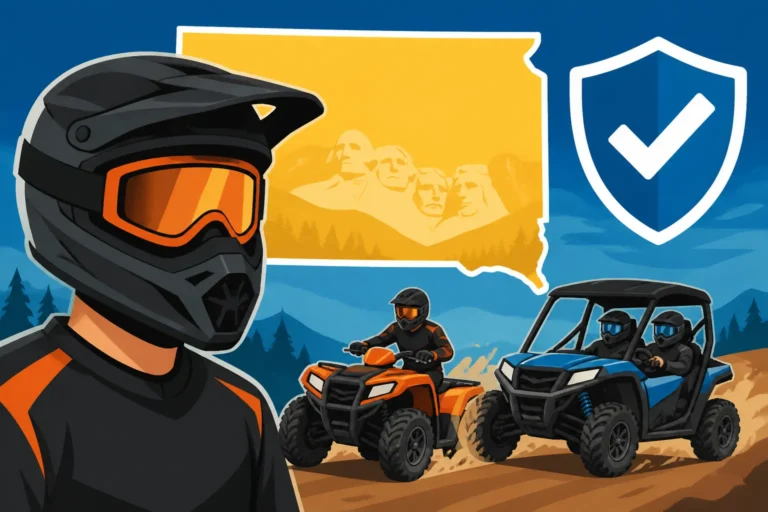
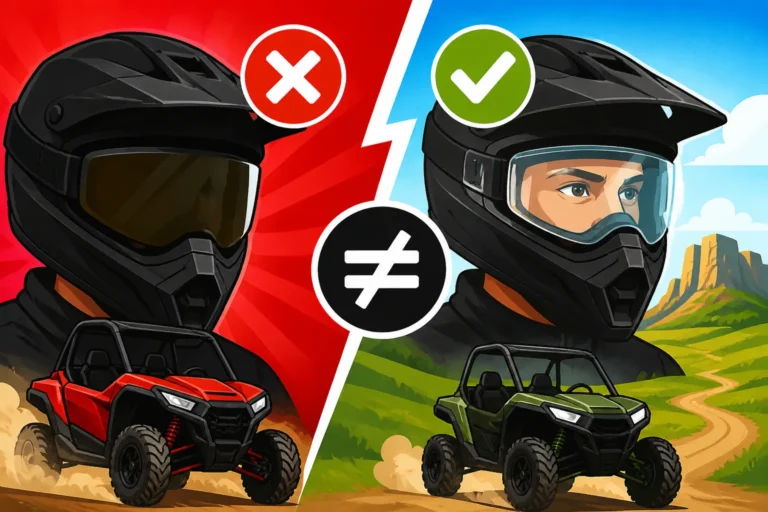
Even though ditch riding might seem less regulated than street-legal riding, safety equipment remains paramount, especially for young riders. While South Dakota has specific helmet laws, they generally apply to riders under the age of eighteen. This means a twelve-year-old riding in a ditch must wear a helmet. Furthermore, eye protection is required for all riders, regardless of age, whenever operating an ATV or UTV. This could be goggles, a face shield on a helmet, or even a windshield on a UTV, as long as it offers adequate protection from debris, dust, and insects. Investing in good quality protective gear, perhaps even from a brand like SuperATV, which offers various accessories, is a wise move for any rider.
Beyond personal protective equipment, the machine itself should be in good working order. Regular maintenance, including checking tires, brakes, lights, and steering components, is crucial. A well-maintained machine is a safer machine. For a twelve-year-old, ensuring the ATV or UTV is the right size and power for their ability is also critical. An overpowered or oversized machine can be incredibly dangerous for a young, inexperienced rider. Parents should also ensure their child understands the machine's controls thoroughly and has practiced safe operation in a controlled environment before venturing into public ditches.
Beyond the Ditch: Other Road-Related Rules for Young Riders
While ditch riding is a significant part of the South Dakota ATV experience, it's just one piece of the puzzle when considering where and how young riders can operate their machines. Understanding the distinctions between ditch riding, highway crossings, private land use, and potential street-legal options is crucial for comprehensive safety and legal compliance, especially for a twelve-year-old just beginning their riding journey.
Highway Crossings: A Different Set of Rules
It’s important to reiterate that crossing a highway is not the same as riding in a ditch, and it comes with its own strict set of guidelines. As mentioned, even if a county bans ditch riding, they cannot prohibit a direct highway crossing. However, this is a maneuver that demands extreme caution, particularly when a young rider is at the controls. A highway crossing should only be attempted when there is clear visibility in both directions and no oncoming traffic. The vehicle must cross at approximately a 90-degree angle to the roadway, ensuring the quickest and most direct path across traffic lanes.
For a twelve-year-old, performing such a maneuver requires mature judgment, quick reflexes, and a thorough understanding of traffic laws. It’s highly advisable for the supervising adult to lead the way or provide very clear instructions and observation during any highway crossing. The goal is to minimize the time spent in active traffic lanes. This is a moment when a momentary lapse in judgment could have severe consequences. Teaching a child how to confidently yet cautiously execute a highway crossing is a critical skill, and it should be practiced in a safe environment before being attempted in real-world scenarios.
Private Property vs. Public Ditch: The Landowner's Role
The rules change dramatically once you step off public right-of-way and onto private land. On private property, the landowner's permission is the sole determinant of whether an ATV or UTV can be ridden. This means that if you own the land, or have explicit permission from the landowner, the state's age limits and ditch riding rules for public land generally do not apply. This is often where young riders, including those under twelve, get their first taste of operating an off-road vehicle in a safe and controlled environment. Parents with property, or access to it, often use this as a training ground. This distinction is key for understanding [South Dakota Rules for Riding Private Land].
However, "private property" doesn't automatically mean "anything goes." Landowners still have a responsibility to ensure a safe environment, and common sense safety rules should always be followed. When riding on someone else's private land, always ensure you have explicit, clear permission. Trespassing, even accidentally, can lead to serious legal issues and erode trust within communities. Moreover, while state age limits might not strictly apply, it's still prudent for parents to ensure their child is physically and mentally capable of handling the machine, even on private land, often with the same level of supervision as required on public ditches.
Licensing and Plates: When Does a Ditch Machine Need More?
For the most part, an ATV or UTV being ridden exclusively in a road ditch or on private property in South Dakota does not require a title, license plate, or the operator to possess a driver's license. The age restriction and supervision rules are what govern these situations. This is a common point of confusion, as many people assume any motorized vehicle needs a plate. However, once an ATV or UTV ventures beyond these specific allowances, such as onto a designated street-legal route (if permitted), it enters a different regulatory sphere.
If an owner intends to make their ATV or UTV street-legal in South Dakota – a process that involves meeting specific equipment requirements (like mirrors, lights, and a horn) and obtaining a motorcycle plate – then the operator would generally need a valid driver's license. Furthermore, for a machine to qualify for a plate, it must meet certain engine size thresholds, typically 200cc for four-wheeled machines. For a twelve-year-old, this means that while they can ride in a ditch with proper supervision, the option of them legally operating a plated, street-legal ATV is not available to them due to driver's license requirements. Therefore, for the majority of young riders, the focus remains on supervised ditch and private property riding, which helps explain [What a South Dakota Trooper Checks Roadside] in a ditch scenario, where they would be checking age and supervision, not a plate.
| Scenario | Minimum Age | Driver's License Required | Plate Required | Supervision Required (12-16) | Legal Riding Location |
|---|---|---|---|---|---|
| Public Road Ditch | 12 | No | No | Yes | Outer edge of ditch (if not banned) |
| Private Property | None* | No | No | Recommended | With landowner permission |
| Highway Crossing | 12 | No | No | Yes | Direct, 90-degree crossing |
| Street Legal Road Use | 18 | Yes (Valid Driver's) | Yes | No | Designated roads (if compliant) |
*Note: While no minimum age is legally set for private property, parental discretion and safety are paramount.
Common Pitfalls and Best Practices for Young Ditch Riders
Navigating the rules for ATV and UTV use in South Dakota, especially for younger riders, involves more than just knowing the letter of the law. It requires practical application, proactive safety measures, and a continuous commitment to education. Even with the best intentions, it's easy to fall into common traps if you're not fully prepared for the varied landscapes and localized rules of the state.
Avoiding Misunderstandings: Know Your County Lines
One of the biggest pitfalls for ditch riders, especially when traveling, is the assumption that rules are uniform across all of South Dakota. Because counties have the power to "opt-out" of the default ditch riding allowance, you can literally cross from a county where ditch riding is perfectly legal into one where it's strictly prohibited, all without realizing it. This often happens in areas where county lines are not clearly marked, or where one might be focused on the ride rather than administrative boundaries. For a parent supervising a twelve-year-old, this can turn an enjoyable outing into a stressful encounter with law enforcement, potentially resulting in fines.
The best practice here is to be proactive. Before embarking on a ride that spans multiple counties or ventures into an unfamiliar area, take the time to research the specific ordinances for each county you plan to enter. Websites for county sheriffs' offices or highway departments are often good resources. If you're unsure, it's always safer to assume the activity is prohibited until you confirm otherwise. This level of preparation ensures that your young rider has a safe and legal experience, free from unexpected legal troubles. The more you know about [South Dakota Counties That Ban Ditch Riding], the better prepared you'll be.
Safety First: More Than Just the Law
While legal compliance is essential, true responsibility, especially when a twelve-year-old is involved, goes far beyond simply adhering to minimum legal requirements. Safety should always be the top priority. This means not just wearing the legally required helmet and eye protection, but investing in high-quality gear that fits well and offers maximum protection. Think about additional protective clothing like long sleeves, long pants, gloves, and sturdy over-the-ankle boots. Even on a hot day, scrapes and bruises are far less severe with proper attire. Products from companies like SuperATV, while often performance-oriented, also contribute to overall vehicle safety through robust components and accessories that can enhance a machine's handling and durability.
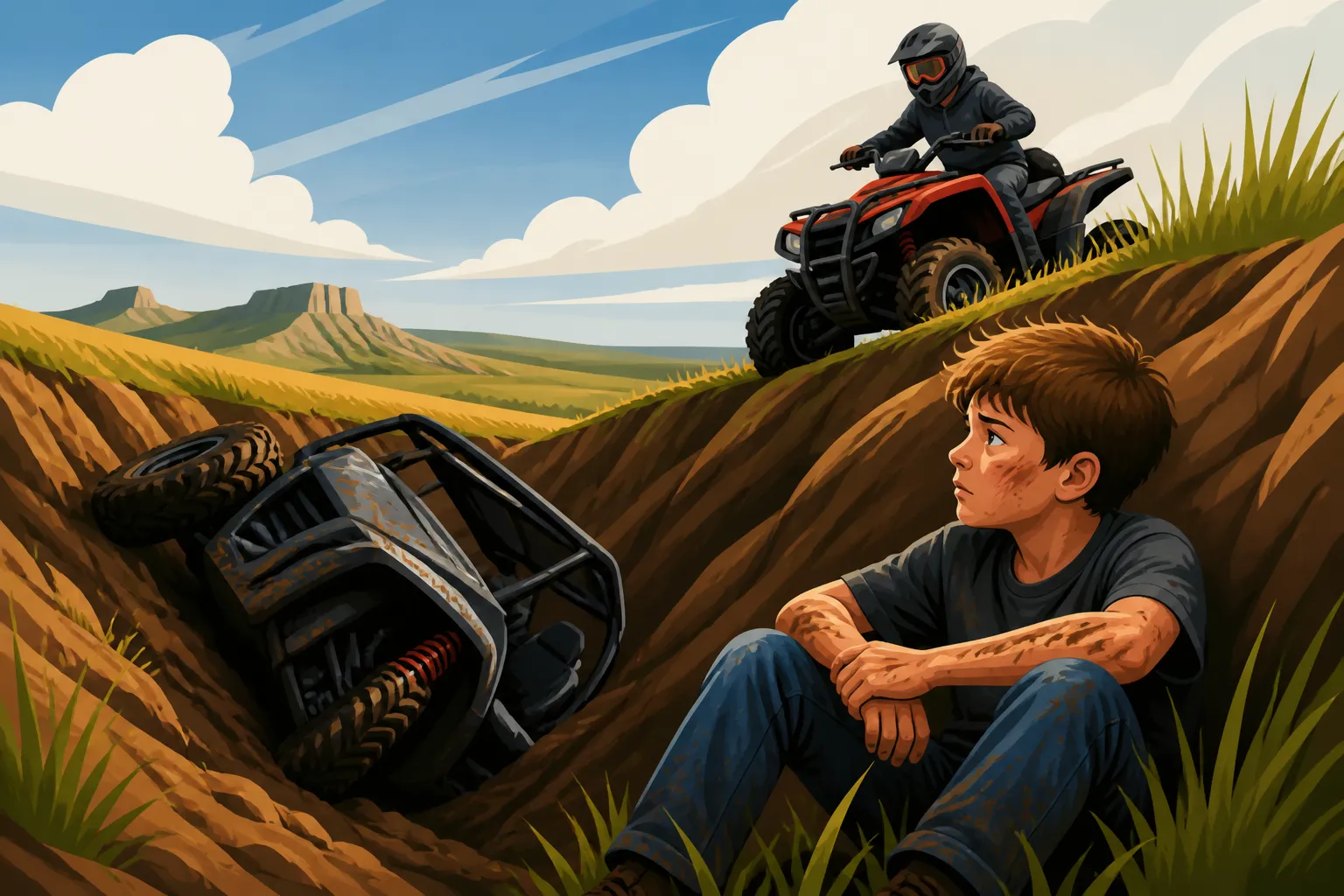
Beyond gear, consider the conditions. Is the weather suitable? Are there any unexpected hazards in the ditch, like deep ruts, hidden rocks, or standing water that could pose a risk to a young rider? Visibility is also key; bright colors on clothing and machines can make riders more visible to motorists who might not be expecting ATVs in the ditch. Teaching defensive riding techniques, always expecting the unexpected, and maintaining a safe distance from other vehicles (including other ATVs) are crucial life lessons for young riders that extend far beyond the specific legal requirements.
The Importance of Education and Training
The legal age for ditch riding in South Dakota is twelve, but that doesn't automatically mean every twelve-year-old is ready. Practical education and hands-on training are invaluable. While South Dakota does not mandate an ATV safety course, enrolling your child in one is a highly recommended best practice. These courses teach critical skills such as proper riding posture, throttle control, braking techniques, turning, and how to safely navigate various terrains and obstacles. They also instill a deeper understanding of responsible riding etiquette and environmental awareness.
Beyond formal courses, consistent parental supervision and coaching are vital. Start with riding in very controlled, open environments, such as a large field on private property, before venturing into public ditches. Gradually introduce more complex terrain and scenarios as your child's skills and confidence grow. Discuss potential hazards, review emergency procedures, and constantly reinforce the importance of looking out for other vehicles and pedestrians. By combining legal knowledge, superior safety practices, and ongoing education, you can ensure that your twelve-year-old's experience riding an ATV in a South Dakota ditch is both thrilling and safe.
Disclaimer
This article is for general informational purposes only and does not constitute professional advice. Laws, prices and regulations vary by location and change over time. Consult a qualified professional for guidance on your specific situation.