Why a Tinted Visor Fails the 35 Percent Rule
Many ATV and UTV enthusiasts love the idea of a sleek, dark visor to complete their riding gear, adding a touch of cool to their adventure. However, if you're planning to take your machine onto South Dakota's roads, that stylish tinted visor could land you in serious trouble and compromise your safety. This guide will meticulously break down why South Dakota's eye protection laws, specifically the 35 percent visible light transmission rule, often make tinted visors a no-go for legal road use, and what you can do to stay compliant and protected.
Understanding South Dakota's Eye Protection Requirement
When you're out enjoying the vast expanses and incredible trails South Dakota has to offer, whether in the Black Hills or across the prairie, it's easy to get caught up in the thrill of the ride. But for those times you need to venture onto a public road, even just to get from one trail segment to another or run into town for supplies, the rules shift. South Dakota has specific requirements for eye protection, and these aren't just suggestions; they are laws designed for your safety and the safety of everyone else on the road. It's not about stifling your personal style, but about ensuring you have unimpeded vision.
The Mandate for Eye Protection on South Dakota Roads
The state of South Dakota is pretty clear: if you're riding an ATV or UTV on a public road, you absolutely need eye protection. This isn't just for you; it's a critical safety measure. Think about all the things that can fly up on a gravel road or even a paved highway – dust, rocks, insects, or even debris from other vehicles. Any of these can hit your eyes, causing you to lose control, even for a split second, and that's all it takes for an accident to happen. The law aims to prevent such scenarios by making sure your eyes are shielded from potential hazards.
Furthermore, South Dakota's law sets a standard for this protection. It's not enough to just have something in front of your eyes; that protection must allow for adequate visibility. This is where the "35 percent visible light transmission" rule comes into play, a detail many riders overlook or simply aren't aware of. It's a precise measurement, not a vague guideline, and it's enforced to ensure your ability to see the road, traffic, and potential obstacles isn't compromised by your choice of gear. This rule applies whether you're cruising down a county road or just crossing a highway.
The 35 Percent Visible Light Transmission Rule Explained
So, what exactly does "35 percent visible light transmission" mean in practical terms? Simply put, it refers to the amount of light that can pass through your eye protection. If your visor, goggles, or glasses allow less than 35 percent of visible light to get through, they are considered too dark for legal use on South Dakota roads. The higher the percentage, the more transparent the material. A completely clear visor, for example, would have a VLT close to 100 percent, meaning almost all light passes through. A very dark, opaque material would have a VLT closer to 0 percent.
This rule is crucial because it directly impacts your ability to see clearly in all lighting conditions, particularly in low light. Imagine riding at dusk, dawn, or on an overcast day. A visor that lets in only 20 percent of the light, for instance, would make it feel significantly darker than it actually is, severely limiting your perception of depth, identifying hazards, and reacting to changing road conditions. This isn't just about what you can make out, but about the clarity, contrast, and speed at which your eyes can process information, which is vital for safe operation of any vehicle.
The South Dakota rule is in place to ensure that your field of vision remains clear and unobstructed, allowing you to react quickly to the unpredictable nature of road riding. It's about maintaining optical clarity that isn't dependent on bright sunshine. This often means that many off-the-shelf tinted visors, especially those designed for sunny track days or fashion, simply won't cut it when it comes to meeting the state's minimum legal requirement for road-going ATVs and UTVs. Checking the VLT rating before you buy is always a smart move.
Why a Tinted Visor Fails the 35 Percent Rule
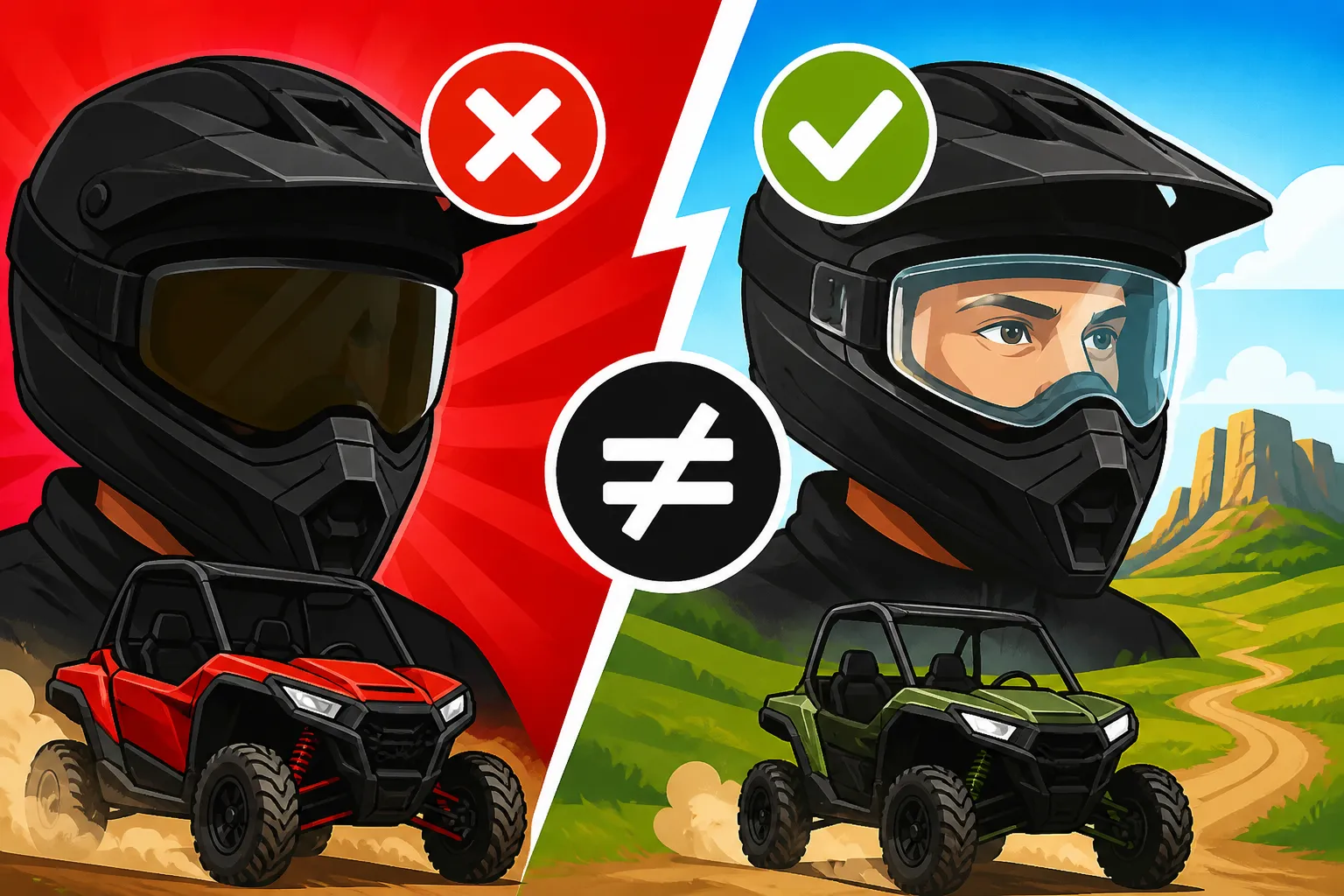
It’s completely understandable why a tinted visor might appeal to you. They look sharp, reduce glare on sunny days, and can even add a sense of privacy. However, what makes them appealing for style or bright sun often makes them illegal and unsafe for general road use in South Dakota. The core issue almost always comes down to that specific 35 percent Visible Light Transmission (VLT) rule, which many tinted visors simply cannot meet, especially those with a darker tint.
The Dark Side of Style: Reduced Light Transmission
The very purpose of a tinted visor is to reduce the amount of light that reaches your eyes. This is fantastic on a brilliantly sunny day, cutting down on glare and making the ride more comfortable. But the problem arises when that reduction goes too far, dipping below the 35 percent VLT threshold required by South Dakota law for road use. Many common tinted visors, particularly those with a smoke, iridium, or mirror finish, are designed to block a significant portion of light, often having VLT ratings in the 10-25 percent range. While perfect for bright conditions, this makes them illegal for road use in South Dakota.
Consider the variability of riding conditions. You might start your ride in bright sunshine, where your tinted visor feels great. But what happens if you encounter a heavily shaded section of road, ride into a tunnel, or if the weather suddenly changes and it becomes overcast? With a visor that transmits less than 35 percent of light, your eyes will struggle to adapt to the sudden drop in ambient light. This can lead to a dangerous situation where you literally cannot see what's in front of you, increasing the risk of not spotting a pothole, an animal, or another vehicle in time. The law isn't just being particular; it's trying to protect you from these exact scenarios.
Safety Implications Beyond Legalities
Beyond the simple fact of being illegal, using a visor that fails the 35 percent VLT rule poses significant safety risks. Your ability to perceive depth, identify colors, and react quickly to unexpected situations is directly tied to how much light reaches your eyes. With overly dark eye protection, your reaction time can be significantly impaired. Imagine needing to stop quickly for a deer, or interpret traffic signals; if your vision is artificially darkened, those precious milliseconds of recognition and response are lost.
Think about navigating a winding back road with changing light, perhaps dappled sunlight through trees, followed by a dark shadowed curve. A dark visor would make these transitions incredibly jarring and unsafe, forcing your eyes to constantly struggle to adjust, leading to fatigue and reduced awareness. This isn't a problem a clear visor or even lightly tinted sunglasses would present to the same degree. The risk increases exponentially when you combine low light transmission with the fast-paced, dynamic environment of road riding. Brands like SuperATV, known for robust UTV accessories, prioritize clear visibility in their windshields and protective gear precisely because they understand the critical role it plays in rider safety and confidence. You won't find overly dark tints in their road-legal windshields for good reason. [South Dakota's Eye Protection Requirement] clearly outlines these concerns.
| Eye Protection Type | Typical VLT Range | South Dakota Road Legal? | Best Use Case |
|---|---|---|---|
| Clear Visor/Goggles | 85-95% | Yes | All conditions, especially low light |
| Light Smoke Tint | 50-70% | Yes, if > 35% VLT | Moderately sunny to overcast |
| Dark Smoke Tint | 10-30% | No | Very bright sun, off-road only |
| Mirror/Iridium Tint | 10-30% | No | Very bright sun, off-road only |
| Photochromatic | Varies widely | Yes, if adapts > 35% VLT | Adaptable to changing light, check specifics |
Navigating Eye Protection Options That Keep You Safe and Legal
So, you understand the problem with dark tinted visors and South Dakota's 35 percent VLT rule. The good news is that you don't have to sacrifice protection or even style entirely to stay legal and safe. There are plenty of fantastic eye protection options out there that meet South Dakota's requirements while still offering excellent performance and comfort for your road-going ATV or UTV adventures. The key is to be informed and choose wisely, considering both the law and your personal riding habits.
Opting for Clear or Lightly Tinted Visors and Goggles
The most straightforward way to comply with South Dakota's eye protection laws for road use is to choose a clear visor or a pair of clear goggles. These options offer the maximum visible light transmission, typically in the 85-95% range, ensuring that your vision is never compromised by an artificial darkening effect. They are ideal for all riding conditions, from bright noon sun to twilight rides, and will allow you to adapt seamlessly to changing light as you ride through different terrains and shaded areas. Many helmets come standard with a clear visor, making this an easy and cost-effective choice.
If you absolutely prefer some tint to cut glare on brighter days, look for visors or goggles specifically labeled as "light smoke" or with a VLT rating clearly stated above 35 percent. Some manufacturers offer various tint levels, and understanding the VLT percentage is crucial here. Always double-check these specifications before purchasing, especially if you plan to use your machine on public roads. Remember, the rule is about the light passing through the material, so even a light tint can sometimes fall below the threshold if it's not designed with road legality in mind. Companies like SuperATV offer excellent UTV accessories, and while they focus on windshields, their dedication to clear, durable materials highlights the importance of quality visibility in all riding gear. When considering [South Dakota's Eye Protection Rules for Riders], remember that clarity is king.
The Versatility of Photochromatic Lenses and Convertible Systems
For riders who want the best of both worlds – glare reduction in bright sun and clear vision in low light – photochromatic lenses are a fantastic solution. These lenses automatically adjust their tint based on UV light exposure. In bright sunlight, they darken, providing sunglass-like protection, and in lower light or indoors, they lighten up, becoming mostly clear. This adaptive technology means you're always operating within the legal VLT limits as the conditions change, making them a highly versatile and compliant option for South Dakota roads.
Another approach is a convertible system or carrying multiple visors/goggles. Some helmets are designed to easily swap visors, allowing you to carry a clear visor for road use and a darker one for off-road trails if you desire. Alternatively, many riders opt for a clear visor on their helmet and wear a good pair of sunglasses underneath for glare protection. Just be sure your chosen sunglasses themselves don't fall under a VLT that would impede vision, though standard sunglasses typically aren't regulated in the same way as the primary eye protection worn on the vehicle itself. What's crucial is that your primary eye shield meets the state's rules, ensuring overall road safety and legal compliance. You can learn more about [South Dakota's 35 Percent Tint Rule] to make an informed decision.
Consequences of Non-Compliance: What Happens If You're Caught?
Ignoring South Dakota's eye protection laws, particularly the 35 percent Visible Light Transmission rule for your visor or goggles, isn't just a minor oversight. It carries real consequences, ranging from fines to more serious legal troubles. Nobody wants their fun ride to end with a roadside stop and a ticket, let alone the potential for an accident that could have been avoided with proper gear. Understanding these repercussions can serve as a powerful motivator to ensure your eye protection is always compliant when you hit the roads.
Fines and Citations for Illegal Eye Protection
If a law enforcement officer in South Dakota pulls you over and observes that your eye protection, such as a helmet visor, does not meet the 35 percent VLT requirement, you can expect to receive a citation. This is not a warning-level offense in many cases; it's a direct violation of state law. The specific fines can vary, but even a basic traffic citation can be a significant hit to your wallet, not to mention the inconvenience and potential impact on your driving record. It’s a completely avoidable expense that could easily be put towards quality, compliant gear instead.
Moreover, a citation for improper eye protection is often accompanied by the requirement to correct the issue immediately. This might mean removing the non-compliant visor if you have an alternative, or even being told you cannot continue riding on the public road until you can secure legal eye protection. This can completely disrupt your ride, leaving you stranded or forcing you to abandon your plans. It's a frustrating situation that no rider wants to face, especially when you're far from home or deep into an adventure. [What a Class 2 Misdemeanor Costs a Rider] might give you an idea of the kind of penalties related to traffic violations, although eye protection might fall under a different category.
Increased Risk and Liability in an Accident
Beyond the immediate legal and financial penalties, using non-compliant eye protection significantly increases your risk in the event of an accident. As discussed, a dark visor impairs your vision, slowing your reaction time and making it harder to spot hazards. If you are involved in a collision and it's determined that your vision was compromised by an illegally tinted visor, you could face much greater liability. This could mean being found partially or fully at fault, even if the initial cause of the accident wasn't directly related to your vision.
Imagine the scenario: you're involved in a minor fender-bender while crossing a road on your UTV. If you're wearing an illegally tinted visor, and the other driver or authorities argue that your vision was impaired, it could drastically change the outcome of any insurance claims or legal proceedings. Your insurance company might even deny coverage or challenge claims if you were operating your vehicle in violation of a safety law. This added layer of risk and potential financial burden is simply not worth the aesthetic appeal of a dark visor. Prioritizing legal and safe eye protection, which allows for unimpeded vision, is not just about avoiding a ticket; it's about safeguarding your well-being and financial future. Before you head out, make sure you're aware of all [South Dakota Equipment List for Road Use] requirements.
Practical Tips for Ensuring Compliance and Safety
Riding your ATV or UTV on South Dakota's roads can be a fantastic experience, offering access to beautiful areas and connecting trails. To make sure those experiences are memorable for all the right reasons, not for a run-in with the law or a preventable accident, it's essential to be proactive about your eye protection. Taking a few simple steps can ensure you're always riding safely and legally, without compromising on comfort or the thrill of the ride.
Before You Ride: Check Your Gear and Local Laws
The absolute best practice is to check your gear before you ever pull out onto a public road. Make it a habit. If you have a tinted visor, check its Visible Light Transmission (VLT) rating. If it's not clearly marked, assume it's too dark for road use, especially if it looks significantly dark to the naked eye. Have a clear visor or clear goggles readily available, especially if you anticipate riding at dawn, dusk, or in varying light conditions. Many riders keep a clear visor in their UTV's storage compartment or a spare set of clear goggles with their riding essentials, ready to swap out when needed.
Always remember that laws can change, and what might be acceptable in one state may not be in another. Since you're riding in South Dakota, make sure you're familiar with [South Dakota Helmet Law for ATV Riders] and [South Dakota Eye Protection Requirement]. This might seem like a lot to remember, but a quick refresh on the key safety rules can save you a lot of hassle. Think of it as part of your pre-ride checklist, just like checking your tire pressure and fuel levels.
Riding Smart: Adapt to Conditions and Plan Ahead
Even with compliant gear, smart riding habits make all the difference. If you're using a photochromatic visor, understand that it might take a few moments to adjust when going from bright sun to deep shade. Give your eyes time to adapt. If you're wearing sunglasses under a clear visor, choose a pair that doesn't overly darken your vision, especially if you're riding later in the day. Planning your route can also help. If you know you'll be on public roads during low light hours, prioritize the clearest eye protection possible.
For those who rely heavily on off-road adventures, where darker tints might be more beneficial for sun glare, consider dedicated clear eye protection for the road segments. This could mean a helmet with an easily swappable visor system or simply packing a pair of safety-rated, clear riding glasses in your kit. Organizations like SuperATV promote product solutions that enhance safety and visibility, and even if they don't sell visors, their philosophy for clear windshields reinforces the overarching message: good visibility is paramount for safety. Don't let a simple piece of gear turn a fantastic [South Dakota Riding in Summer] day into a frustrating or dangerous experience.
Disclaimer
This article is for general informational purposes only and does not constitute professional advice. Laws, prices and regulations vary by location and change over time. Consult a qualified professional for guidance on your specific situation.