Helmet Rules for South Dakota Riders
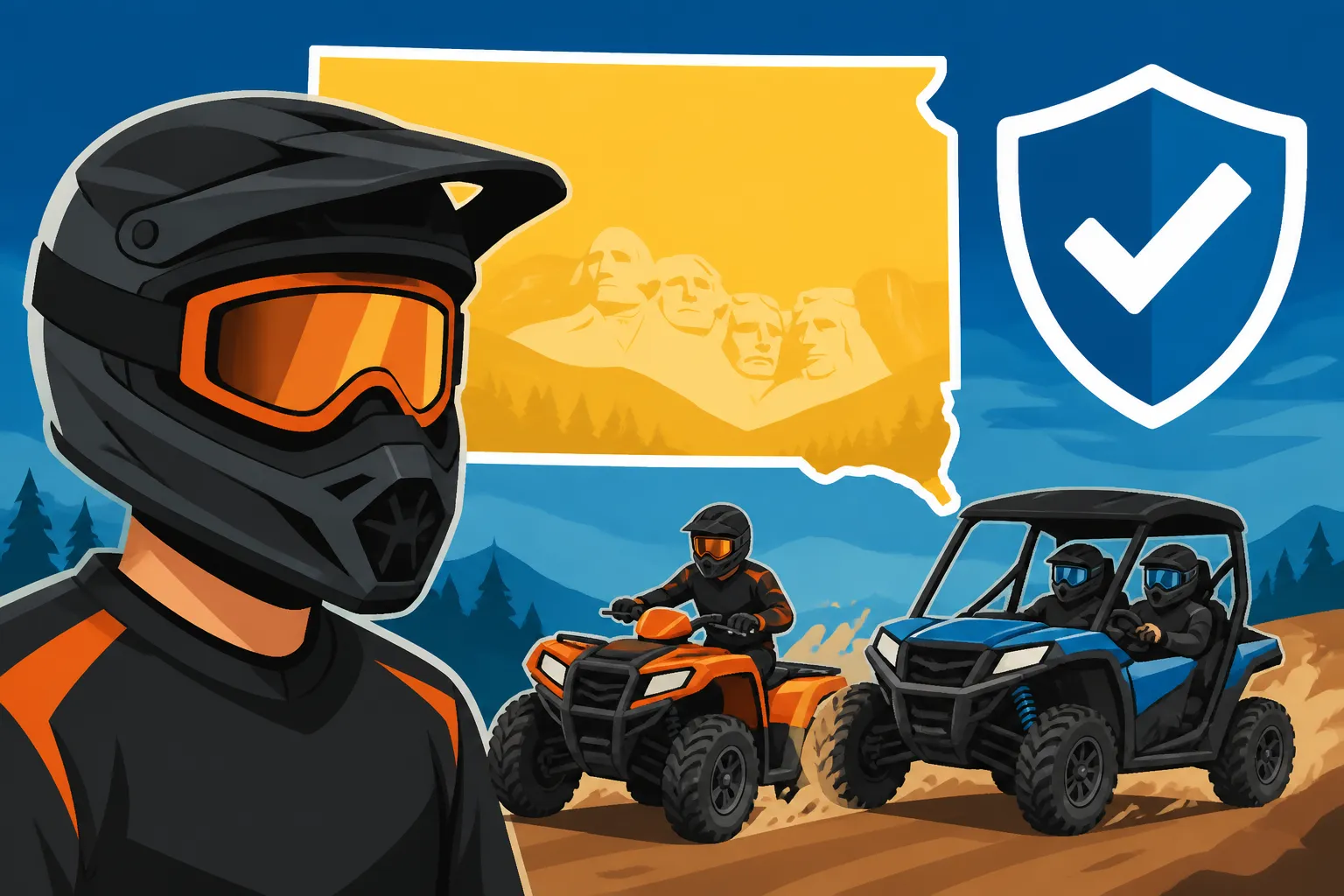
Riding an ATV or UTV in South Dakota is an incredible experience, offering everything from the winding trails of the Black Hills to the wide-open prairies. But before you hit the throttle, it’s crucial to understand the state's helmet laws, which can often feel confusing and lead to unnecessary fines or, more importantly, put your safety at risk. This comprehensive guide will break down exactly when and why you need a helmet, what kind of helmet is required, and other essential safety tips to ensure your adventures are both thrilling and compliant.
The Core South Dakota Helmet Law for ATV and UTV Riders
Let's face it, nobody wants to get a ticket when they're out enjoying a ride, especially for something as fundamental as safety gear. South Dakota's helmet laws for ATVs and UTVs are primarily designed around age, aiming to protect the most vulnerable riders. It's not a blanket "everyone must wear a helmet, everywhere" rule, which is often where the confusion begins for many riders. Understanding the core legislation is the first step to knowing when to strap one on.
Who Exactly Needs to Wear a Helmet? (Age-based rules)
The most significant factor determining whether you need a helmet in South Dakota is your age. The state takes a clear stance: if you're under a certain age, a helmet isn't just a good idea, it's the law. This isn't about restricting fun; it's about protecting developing brains and bodies from the severe impact injuries that can occur in even a minor ATV or UTV incident. Many riders, particularly those visiting from out of state, might assume rules are universal or that they only apply to "dirt bikes," but ATVs and UTVs have their own specific regulations.
For anyone under the age of eighteen, wearing an approved helmet is mandatory when operating or riding as a passenger on an ATV or UTV on public lands, public trails, or public rights-of-way. This includes the vast network of forest roads and trails in the Black Hills, county roads where ATV use is permitted, and designated OHV parks. It's a non-negotiable requirement, and law enforcement officers in areas like Meade County are quite familiar with enforcing it. This rule applies whether you're actively riding or just traversing a short distance from your campsite to a trailhead.
The "Why" Behind South Dakota's Helmet Regulations
It might feel like an inconvenience to some, but the "why" behind helmet laws is rooted deeply in accident statistics and medical science. Head injuries are among the most devastating outcomes of ATV and UTV accidents. These machines, while incredibly fun and useful, can be unstable, especially on uneven terrain or at higher speeds. A sudden roll-over, collision with an obstacle, or even being thrown from the machine can lead to severe traumatic brain injury.
South Dakota's legislators, like those in many other states, have recognized the disproportionate risk to younger riders. Children and teenagers often have less experience, slower reaction times, and can sometimes take greater risks. Their skulls are also still developing, potentially making them more vulnerable to certain types of head trauma. The helmet requirement for those under eighteen acts as a critical line of defense, significantly reducing the risk of fatal or life-altering injuries. It's an investment in safety that far outweighs any perceived discomfort or inconvenience.
What Constitutes a Legal Helmet in South Dakota? (Safety standards)
It's not enough to simply wear "a helmet"; it has to be one that meets recognized safety standards. South Dakota law specifies that the helmet must be approved by the U.S. Department of Transportation (DOT). This isn't just a label; it signifies that the helmet has undergone rigorous testing to ensure it can withstand certain impacts and protect the wearer's head effectively. You'll typically find a DOT sticker on the back of any compliant helmet.
Beyond DOT certification, many riders opt for helmets that also meet Snell Memorial Foundation standards. Snell certification indicates an even higher level of protection, often through more stringent testing protocols. While not legally mandated by South Dakota for ATV/UTV use, a Snell-certified helmet offers an added layer of peace of mind. When choosing a helmet, look for these certifications, ensure it fits snugly without being uncomfortable, and that it provides full head coverage. Helmets designed specifically for off-road use, often with visors and extended chin bars, are ideal for the type of riding you'll encounter in South Dakota.
Navigating Age-Based Exemptions and Requirements
The age divide is the most crucial aspect of South Dakota's helmet rules. For adult riders, the law offers a different perspective than for their younger counterparts. This distinction often creates questions, especially for families or groups with riders of mixed ages. Understanding these nuances is key to staying legal and, most importantly, safe.
The Critical Age of Eighteen: When the Rules Change
Here's where many adult riders breathe a sigh of relief (or perhaps, a quiet groan, depending on their preference for helmets). In South Dakota, if you are eighteen years of age or older, you are generally not legally required to wear a helmet when operating or riding as a passenger on an ATV or UTV. This exemption applies when riding on public roads, designated trails, or other public lands where ATV/UTV use is allowed. This is a common point of discussion and sometimes confusion, as some states have universal helmet laws. [Why South Dakota Exempts Adults From Helmets] often comes down to personal liberty and the belief that adults can make their own informed safety choices.
However, just because it's not legally mandated for adults doesn't mean it's not highly recommended. Accidents can happen to anyone, regardless of age or experience. Many seasoned riders, even those over eighteen, choose to wear a helmet every time they ride, recognizing the inherent risks of off-road vehicle operation. They understand that a helmet is a relatively small piece of gear that offers enormous protection against potentially life-altering injuries. For many, the comfort and security of knowing their head is protected far outweigh the desire to ride without one.
Riders Under Eighteen: Non-Negotiable Helmet Use
For anyone under eighteen, there's absolutely no wiggle room. Whether they are operating the ATV or UTV, or simply riding as a passenger, a DOT-approved helmet is a must. This rule is strictly enforced by law enforcement officers throughout the state, from the national forest lands to local county roads. A violation could result in a fine and, depending on the circumstances, potentially other legal consequences for the adult responsible for the minor. [Does a Seventeen-Year-Old Need a Helmet in South Dakota?] The unequivocal answer is yes.
This isn't just a suggestion; it's a legal mandate designed to safeguard young people. Parents, guardians, or any adult supervising a minor on an ATV or UTV in South Dakota bears the responsibility of ensuring these rules are followed. It means making sure the helmet fits properly, is securely fastened, and meets the required safety standards. When planning a family ride in areas like the Black Hills, this is one of the first safety considerations you should address.
Supervision and Young Riders: Beyond Just Helmets
While helmets are critical, the safety of young riders extends beyond just head protection. South Dakota law also has provisions regarding the supervision of minors operating ATVs or UTVs. Generally, riders under a certain age (often 12 or 16, depending on the specific type of riding and location) must be supervised by an adult. For example, [South Dakota Minimum Age for Ditch Riding] often goes hand-in-hand with supervision requirements, even if a helmet is worn.
Supervision means more than just being present. It involves actively monitoring the young rider, providing guidance on safe operation, and ensuring they are not taking unnecessary risks. It's about teaching them proper riding techniques, obstacle avoidance, and how to react in different terrain conditions. A helmet protects the head, but good supervision helps prevent the accidents that lead to head injuries in the first place. Pairing mandatory helmet use with vigilant adult supervision creates the safest environment for minors to enjoy off-road riding in South Dakota.
Specific Scenarios: When and Where Helmets Apply
Understanding the general age-based rules is a great start, but the practical application can sometimes get murky depending on where you're riding. South Dakota offers a diverse range of riding environments, from designated trails to private land and even certain public roadways. Each scenario can have subtle differences in how helmet laws are applied.
Helmet Use on Public Trails and Designated Riding Areas
When you're exploring the vast network of public trails, forest roads, and designated OHV areas in South Dakota – like those found in the Black Hills National Forest or at the Oahe Downstream OHV Area – the age-based helmet rules are strictly in effect. This means if you are under eighteen, you must wear a DOT-approved helmet. This also applies if you are riding a rented machine, as rental companies will also enforce the state laws and their own safety policies.
These public lands are actively patrolled by forest service rangers, game, fish, and parks wardens, and local law enforcement. They are well-versed in the state's ATV and UTV regulations, and a helmet violation for a minor will likely result in a stop and a citation. The purpose of these regulations on public trails is uniform safety for all users, regardless of where they come from. So, whether you're climbing a rocky trail near Spearfish or cruising a gravel road near Custer, the under-18 helmet rule is constant. Don't forget, a valid [Black Hills Motorized Trail Permit Cost] is also required for many of these trails, further emphasizing the regulated nature of these riding areas.
The Nuances of Ditch Riding and Road Use
South Dakota has some unique provisions regarding ATV and UTV use on public roads and in road ditches. While many states restrict off-road vehicles heavily from these areas, South Dakota allows ditch riding in many counties, with specific rules. [South Dakota Ditch Riding Rules Explained] are complex, but the helmet requirements follow the standard age-based rule: if you're under eighteen, a helmet is required.
This rule applies whether you're simply crossing a highway, riding along a section line, or utilizing the ditch of a county road where permitted. Even if you're riding your ATV that has been plated to be [Street Legal ATVs in South Dakota: The Short Answer], if a minor is operating or is a passenger, that helmet requirement for under-18s still stands. For adults over eighteen, the choice to wear a helmet in these road-use scenarios remains personal, but the increased exposure to other traffic, even in ditches, certainly elevates the safety rationale for wearing one.
Helmet Rules for Private Property and Agricultural Use
Here's where the legal requirements can become a bit more flexible, though safety should always remain paramount. South Dakota's helmet laws primarily focus on public lands, trails, and rights-of-way. Generally, if you are operating an ATV or UTV exclusively on your own private property, or with permission on another's private land, the state's mandatory helmet law for those under eighteen may not apply in the same strict legal sense. This is a common situation for ranch owners or those using their machines for agricultural purposes.
However, even on private land, the safety reasons for wearing a helmet, especially for younger riders, do not disappear. A rollover on a private pasture is just as dangerous as one on a public trail. Many responsible landowners and parents still mandate helmet use for all riders on their property, regardless of age, as a best practice. Furthermore, if you are operating an ATV as an "agricultural and utility vehicle" as defined by South Dakota law, some exemptions regarding road use and other regulations might apply, but this typically doesn't override the fundamental safety recommendations for minors. [South Dakota Rules for Riding Private Land] still emphasize responsible operation and common sense safety.
| Rider Age | Public Trails/Roads/Ditches | Private Property/Agricultural Use | Recommendation (All Scenarios) |
|---|---|---|---|
| Under 18 | Mandatory DOT-Approved Helmet | Generally not legally mandated by state law, but highly recommended | Always wear a DOT-approved helmet |
| 18 and Over | Not legally mandated | Not legally mandated | Highly recommended for all rides |
Understanding Helmet Standards and Proper Fit
It's one thing to know when to wear a helmet; it's another to know what kind of helmet to wear and how to ensure it's doing its job effectively. A helmet that doesn't meet safety standards or doesn't fit correctly provides a false sense of security, potentially putting you or your loved ones at greater risk.
What South Dakota Recognizes as a Compliant Helmet (DOT, Snell)
As mentioned earlier, for a helmet to be considered legal for mandatory use in South Dakota, it must be approved by the U.S. Department of Transportation (DOT). This is indicated by a "DOT" sticker on the back of the helmet. This certification means the helmet has met specific federal safety standards designed to protect against impact and penetration. These standards cover things like impact absorption, resistance to penetration, and retention system strength.
Beyond DOT, many reputable helmet manufacturers also seek certification from the Snell Memorial Foundation. Snell is an independent, non-profit organization that establishes even more rigorous helmet safety standards and conducts extensive testing. While not a legal requirement for ATV/UTV riding in South Dakota, a Snell-certified helmet offers an enhanced level of protection. When you're out buying a helmet, don't just grab the cheapest one you see. Look for these certifications, as they are your assurance that the helmet is designed to perform when it matters most. Investing in a good helmet is an investment in your well-being.
The Importance of a Properly Fitted Helmet
A helmet, no matter how highly rated, is only effective if it fits properly. A helmet that's too loose can shift during an impact, exposing vulnerable parts of the head or even flying off entirely. One that's too tight can be uncomfortable and distracting, potentially leading to poor visibility or headaches. For children, especially, it's tempting to buy a helmet they can "grow into," but this is a dangerous practice. A child's helmet should fit them now.
To check for proper fit:
- Size: Measure the circumference of the head just above the eyebrows. Helmet manufacturers provide sizing charts based on these measurements.
- Snugness: The helmet should feel snug all around your head, with no pressure points. Your cheeks should feel a slight squeeze.
- Movement: With the chin strap fastened, try to move the helmet from side to side and front to back. Your scalp should move with the helmet; if the helmet slides around independently, it's too big.
- Field of Vision: Ensure the helmet doesn't obstruct your peripheral vision.
- Chin Strap: The chin strap should be securely fastened, with only enough room to slip one or two fingers between the strap and your chin. It should feel comfortable, not constricting, but firm.
Many off-road shops and even general sporting goods stores offer fitting services, which can be invaluable, especially for first-time buyers or children.
When to Replace Your Helmet: Beyond Just Damage
Helmets are not designed to last forever, and their protective capabilities can degrade over time, even without visible damage. Manufacturers generally recommend replacing helmets every five to seven years, regardless of how often they've been used. The materials that provide impact absorption, like expanded polystyrene (EPS) foam, can break down due to age, exposure to UV light, sweat, and oils from hair and skin.
More critically, a helmet that has been involved in any significant impact, even if it looks fine on the outside, should be replaced immediately. The internal foam, which is designed to crush and absorb energy, can be compromised in a single impact. While the outer shell might appear intact, the helmet's ability to protect you in a subsequent crash is severely diminished. Think of it like a crumple zone in a car – once it's deployed, it needs replacing. Always inspect your helmet for cracks, frayed straps, or any signs of wear and tear before each ride. A new helmet is a small price to pay for superior protection. You might even find replacement parts or accessories for various helmets at places like SuperATV, but if the main protective components are compromised, a full replacement is the only safe option.
Consequences of Non-Compliance: What to Expect
Ignoring South Dakota's helmet laws, especially for minors, isn't just a minor oversight; it carries legal consequences and, more significantly, increases the risk of severe injury. Understanding these ramifications can help underscore why adherence to these regulations is so important.
The Legal Ramifications of Riding Without a Helmet (Fines, Misdemeanors)
If a law enforcement officer observes a rider under eighteen operating or riding as a passenger on an ATV or UTV without a DOT-approved helmet on public land or rights-of-way, they have the authority to issue a citation. This violation typically falls under a Class 2 Misdemeanor. While it might sound daunting, [What a Class 2 Misdemeanor Costs a Rider] can vary, but generally involves a fine. The exact amount of the fine can depend on the specific county, the officer's discretion, and whether it's a first offense.
Beyond the immediate financial penalty, repeated violations or more serious accompanying infractions could lead to further legal complications. For minors, this might involve their parents or guardians being held responsible. It's not just about the cost of the ticket; it's about the time and hassle of dealing with the legal system. No one wants their Black Hills adventure to end with a trip to the local magistrate's office. It's far simpler and safer to just wear the helmet when required.
Safety Risks: Why the Law Exists for Your Protection
The legal consequences are secondary to the primary reason these laws exist: rider safety. The human brain is incredibly delicate, and even seemingly minor head trauma can have long-lasting, debilitating effects. Helmets are scientifically proven to reduce the risk of head injury and death in ATV and UTV accidents. They work by distributing the force of an impact over a larger area, absorbing energy through the crushing of internal materials, and resisting penetration from sharp objects.
Riding without a helmet, especially for younger, less experienced riders, dramatically increases the risk of:
- Traumatic Brain Injury (TBI): Concussions, contusions, and even more severe injuries can lead to permanent cognitive, physical, and emotional impairments.
- Skull Fractures: Direct impacts can break the skull, leading to internal bleeding, swelling, and brain damage.
- Facial Injuries: While not exclusively prevented by a helmet, many helmets offer facial protection that can prevent lacerations, broken jaws, and dental damage.
The cost of medical care for a severe head injury can be astronomical, far exceeding any fine or the cost of a good quality helmet. It's a stark reminder that the law is truly trying to save you from yourself, or more accurately, from the unpredictable nature of off-road riding.
Insurance Implications and Liability Concerns
Beyond the immediate legal and safety risks, non-compliance with helmet laws can have significant insurance and liability repercussions. If an unhelmeted minor is involved in an accident where a helmet was legally required, insurance companies may scrutinize the claim. They could argue that the injuries were exacerbated by the failure to wear a helmet, potentially reducing the payout for medical expenses or other damages. This "contributory negligence" argument could leave you on the hook for substantial costs.
Furthermore, if you are the adult responsible for supervising a minor who is injured without a helmet, you could face civil liability. Other parties involved in an accident, or even the child's own family, might pursue legal action, arguing negligence for not ensuring compliance with the law. This can be a particularly complex area, especially for those renting machines. [South Dakota Rental Insurance and Waivers] are standard practice, but even waivers may not fully protect you if you knowingly violate state safety laws. The safest course of action, from both a legal and financial perspective, is to always ensure minors wear helmets where required and consider wearing one yourself.
Beyond Helmets: Other Essential Safety Gear for South Dakota Riding
While helmets are a critical component of ATV and UTV safety, especially for young riders in South Dakota, they are just one piece of the protective puzzle. A truly safe riding experience involves a comprehensive approach to gear, preparing you for all kinds of terrain, weather, and potential incidents.
Eye Protection: A Mandatory Requirement for All Riders
Regardless of age, and regardless of whether a helmet is legally mandated for you, eye protection is a mandatory requirement for all ATV and UTV riders in South Dakota. This is explicitly stated in state law. Dust, dirt, insects, low-hanging branches, and flying debris are constant threats on trails and gravel roads. An unprotected eye can be severely injured, leading to temporary or permanent vision loss. [South Dakota Eye Protection Requirement] is not to be overlooked.
Appropriate eye protection includes goggles designed for off-road use, which seal around the eyes to prevent debris entry, or a face shield integrated into a full-face helmet. Regular sunglasses or prescription glasses alone are generally not sufficient, as they do not offer adequate impact protection or peripheral coverage. Look for eye protection that is shatter-resistant and provides UV protection. Many quality helmets come with a built-in face shield, or you can easily pair a good set of goggles with an open-face helmet.
The Role of Proper Clothing and Footwear
Think of your riding gear as a second skin, protecting you from the elements and potential abrasions. Proper clothing isn't just about comfort; it's about minimizing injury in a slide or fall.
- Long Sleeves and Pants: Even on a hot day, long sleeves and pants made of durable material (like denim or specialized riding fabrics) are crucial. They protect your skin from scrapes, cuts, and brush, as well as sunburn.
- Gloves: Riding gloves improve your grip on the handlebars, reduce fatigue, and protect your hands from blisters, abrasions, and impacts.
- Over-the-Ankle Boots: Sturdy boots that cover your ankles are essential. They protect your feet from impacts, provide ankle support against twists and sprains, and offer a good grip on footpegs. Avoid open-toed shoes, sandals, or flimsy sneakers, which offer virtually no protection in an off-road environment.
Dressing appropriately can also significantly enhance your riding experience by protecting you from the sun, wind, and sudden changes in South Dakota weather, which can be notoriously unpredictable, especially in the Black Hills.
Considering Additional Protective Gear (Gloves, Chest Protectors)
For those who ride aggressively, on challenging terrain, or simply want maximum protection, there's a range of additional gear worth considering.
- Chest Protectors/Roost Guards: These offer vital protection for your chest, back, and shoulders from impacts with handlebars, trees, or roost (debris kicked up by other riders).
- Knee and Elbow Pads: Especially useful for youth riders or anyone prone to falls, these can prevent painful abrasions and impacts to joints.
- Neck Braces: While not for everyone, neck braces are designed to reduce the risk of neck and spinal injuries by preventing extreme movements of the head and neck in a crash.
When exploring accessories and protective gear, a quick search for "SuperATV" might yield options for everything from full body armor to durable riding apparel that can withstand the rigors of South Dakota trails. Equipping yourself fully isn't about being overly cautious; it's about being prepared for the unexpected and ensuring that your riding adventures remain safe and enjoyable for years to come.
Special Considerations for Passengers and Rental Machines
Riding with a passenger or taking advantage of South Dakota's numerous ATV/UTV rental opportunities introduces specific nuances to helmet laws and general safety protocols. It's important to understand these details to ensure everyone in your party is protected and compliant.
Helmet Rules for Passengers of All Ages
The age-based helmet rules in South Dakota apply equally to both operators and passengers of ATVs and UTVs. This means that if you have a passenger under the age of eighteen, they must be wearing a DOT-approved helmet when riding on public lands, trails, or rights-of-way. There are no exceptions for passengers based on their role; protection is paramount. [South Dakota Rules for a Passenger on a Road] or trail always include the helmet mandate for minors.
When riding with passengers, it's also crucial to ensure your ATV or UTV is designed to carry more than one person. Many ATVs are single-rider machines, and carrying a passenger on one not designed for it is unsafe and illegal. UTVs, with their multiple seats and seatbelts, are generally more suitable for passengers, but the same helmet rules for minors still apply. Always make sure your passenger is properly seated, holding on, and aware of what to do in various riding situations.
What to Expect from South Dakota ATV/UTV Rental Companies
South Dakota is a popular destination for ATV and UTV enthusiasts, and numerous rental companies operate, especially around the Black Hills. When you rent a machine, you're not just getting a vehicle; you're also agreeing to abide by the company's rules and state laws. Reputable rental outfits will have strict policies in place to ensure safety and compliance.
Expect the following when renting:
- Helmet Provision: Rental companies are legally obligated to ensure all riders under eighteen wear helmets. They will typically provide DOT-approved helmets as part of your rental package, or make them available for a nominal fee. They will also likely strongly recommend or even require helmets for adult riders, even if not legally mandated by the state.
- Safety Briefings: You'll usually receive a safety briefing covering machine operation, trail etiquette, and state laws, including helmet requirements.
- Waivers and Age Restrictions: You will sign waivers acknowledging risks and agreeing to adhere to rules. There will also be age restrictions for operators (e.g., often 18 or 21 to operate, with minimum ages for passengers). [South Dakota Rules for Riding a Rented Machine] often align closely with state law, but rental companies may impose even stricter internal policies for liability reasons.
- Proof of License: Operators will need a valid driver's license.
Always ask about helmet policies and any other safety gear requirements when booking a rental. It's better to clarify everything upfront than to face surprises or safety compromises on the trail. Many companies, like those offering "Black Hills Off-Road Rentals South of Deadwood," prioritize safety gear for all their customers.
Group Rides and Organized Events: Collective Responsibility
Participating in a group ride or an organized ATV/UTV event in South Dakota also brings a layer of collective responsibility regarding safety gear, particularly helmets. Event organizers will typically outline specific safety rules, which often include mandatory helmet use for all participants, regardless of age, as a condition of participation. This is done to enhance safety for everyone in the group and to limit the organizer's liability.
Even if you're just out with a group of friends on public trails, there's an unspoken understanding that everyone looks out for each other. This includes ensuring that any minors in the group are properly helmeted and adhering to all state laws. If you're leading a ride, make it a point to do a quick gear check before heading out. A shared commitment to safety not only reduces risks but also contributes to a more enjoyable and worry-free experience for everyone on the trail.
Dispelling Common Myths and Misconceptions
South Dakota's ATV and UTV helmet laws, like many regulations, are often surrounded by myths and misunderstandings. It's easy to fall prey to outdated information, local lore, or assumptions based on other states' laws. Let's clear up some of the most common misconceptions.
"I'm an Experienced Rider, I Don't Need One"
This is perhaps the most dangerous myth of all. While experience certainly contributes to safer riding, it does not make you immune to accidents. Even the most seasoned riders can encounter unpredictable terrain, sudden obstacles, mechanical failures, or unexpected actions from other riders. A moment of inattention, a patch of loose gravel, or a deer darting across the trail can quickly turn an ordinary ride into an emergency.
Head injuries don't discriminate based on your years in the saddle. In fact, some experienced riders, due to overconfidence, might push limits more, inadvertently increasing their risk. While South Dakota law permits adults over eighteen to ride without a helmet, relying solely on experience to justify going without one is a gamble with incredibly high stakes. Many "experienced" riders still wear helmets every time they ride because they understand that an accident is rarely due to a lack of skill but rather an unforeseen circumstance. Protect yourself proactively, regardless of your skill level.
"It's Just a Short Ride, What's the Harm?"
The duration or distance of a ride has absolutely no bearing on the risk of an accident. The vast majority of ATV and UTV accidents occur close to home, often on familiar terrain, and during short, seemingly innocuous rides. It's during these "quick trips" that riders might let their guard down, thinking the low speed or short distance makes safety gear unnecessary. This mindset is a trap.
Whether you're moving your machine across the yard, running to a neighbor's house, or just trying out a new accessory from SuperATV, the potential for a tip-over or collision is present from the moment you start the engine. A head injury can occur at very low speeds and from seemingly minor falls. For minors, this myth is even more problematic, as the "short ride" still falls under the legal mandate for helmet use on public access points. It takes mere seconds to put on a helmet; those seconds are a worthwhile investment.
"Only Tourists Get Ticketed for Helmet Violations"
This is a common refrain in many popular tourist destinations, implying that local law enforcement primarily targets visitors for infractions. While tourists might be less familiar with local laws and therefore more prone to accidental violations, the truth is that South Dakota law enforcement officers are tasked with enforcing the law for everyone. Whether you're a long-time resident of the Black Hills or a visitor from out of state, the helmet laws apply universally.
Local rangers and county sheriffs patrol the trails and roads, and they are trained to identify and address safety violations. They are concerned with the safety of all riders, not just those with out-of-state license plates. Relying on the hope that you won't be caught is a risky strategy that can lead to fines, a [Class 2 Misdemeanor] charge, and potentially dangerous situations. The safest and most respectful approach to enjoying South Dakota's fantastic riding opportunities is to know the rules, follow them, and prioritize safety for yourself and everyone else on the trail.
Disclaimer
This article is for general informational purposes only and does not constitute professional advice. Laws, prices and regulations vary by location and change over time. Consult a qualified professional for guidance on your specific situation.