Riding a Prairie Two-Track
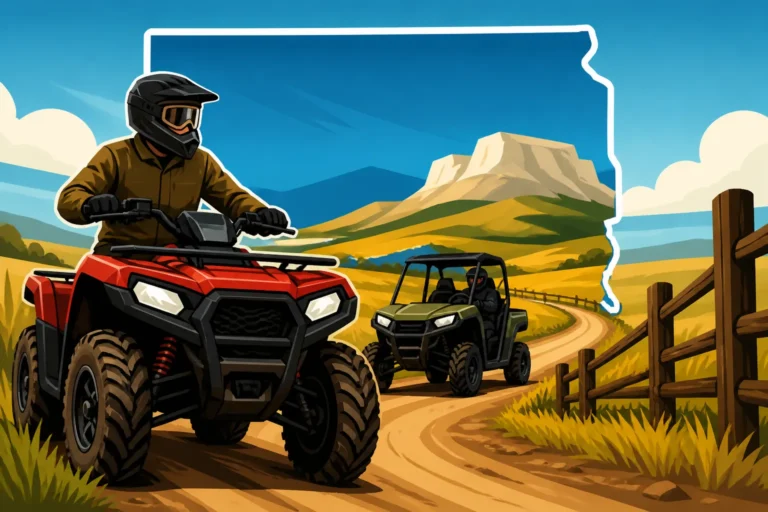
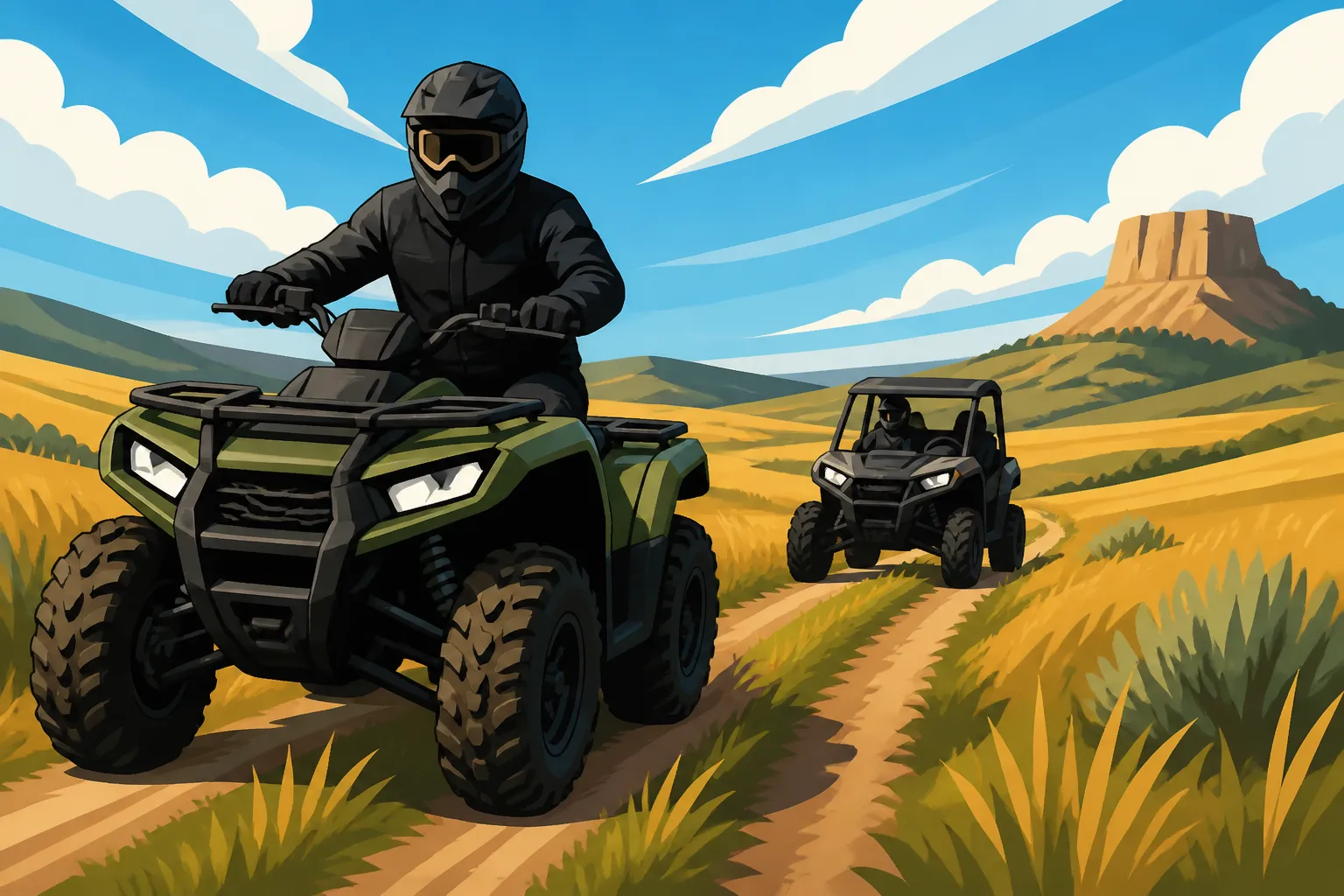
There's something truly captivating about the vast openness of the South Dakota prairie, especially when you're on your ATV or UTV, cruising along a faint, winding path. These "two-tracks" offer a unique sense of freedom and adventure that paved roads and even official trails sometimes can't match. But riding these less-defined paths comes with its own set of challenges and responsibilities that can quickly turn a scenic cruise into a sticky situation if you're not prepared. This guide will help you understand what prairie two-tracks are, how to navigate their unique demands, and most importantly, how to enjoy them safely and respectfully, ensuring both your adventure and the landscape remain intact.
What Exactly Is a Prairie Two-Track?
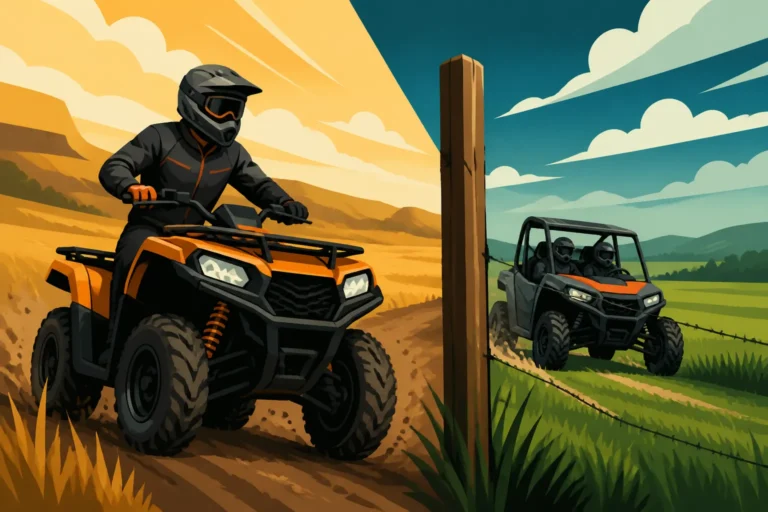
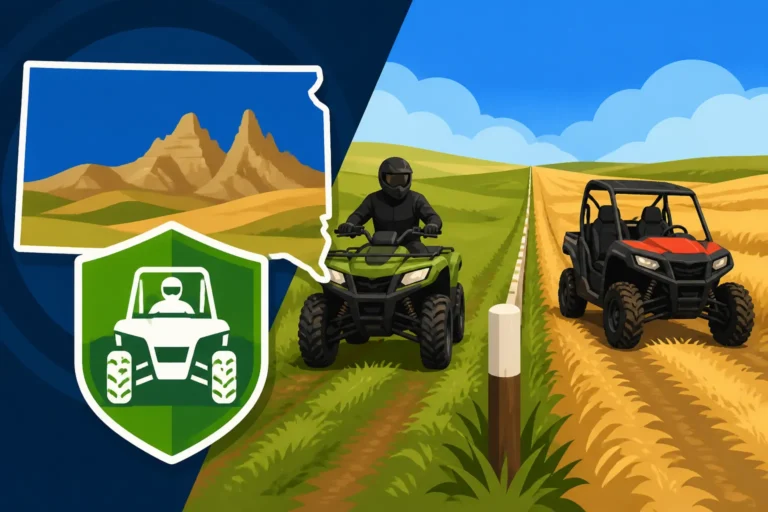
When we talk about a "prairie two-track" in South Dakota, we're generally referring to an unpaved, often unofficial, path that has been created over time by vehicles repeatedly driving over the same ground. Unlike a graded gravel road or a clearly marked off-road trail, two-tracks are typically just two parallel ruts worn into the grass or dirt, often in grasslands, pastures, or alongside section lines. They're not always maintained, can be rough, and might disappear and reappear depending on vegetation, erosion, or recent use. They’re a world away from the defined, engineered experience of a designated trail system.
The Informal Nature of Prairie Paths
These paths are often informal and can vary wildly in their origin and purpose. Some might be old ranch roads used for checking livestock or fences, others could be remnants of historic wagon trails, and many are simply tracks made by local residents accessing remote parts of their property or hunting grounds. Because they aren't officially designated, they don't always appear on standard maps, and their condition can change drastically with weather or season. One day it might be a firm, easy ride, the next a muddy bog or a dust bowl.
It's this informal nature that makes them so appealing to many riders – they offer a sense of discovery and isolation. However, it also means you can't assume they are public access or maintained for recreational use. Understanding this distinction is crucial for responsible riding. You might encounter anything from a barely visible cow path to a more defined dirt track, but the common thread is their unpaved, often unimproved, and generally unmarked character. They beckon to the adventurous spirit, but demand respect for their origins and the land they traverse.
Distinguishing Two-Tracks from Roads and Trails
While a two-track might feel like a trail or a rough road, there are some key differences to keep in mind, especially in South Dakota. Official roads, even gravel ones, are typically county-maintained, signed, and intended for general vehicular traffic. Designated off-road trails, like those you find in the Black Hills National Forest, are usually part of a specific system, marked with signage, and often have width restrictions and permitted seasons. These are engineered for recreational use and often come with specific rules you need to follow, like requiring a [Black Hills Motorized Trail Permit Cost].
A prairie two-track, on the other hand, usually lacks all of this. It’s often on private land, even if it looks open. It won't have trail markers, nor will it be graded. You won't find mile markers or signs indicating upcoming hazards. Instead, you'll rely on your own navigation, your machine's capabilities, and your understanding of the terrain. The rules of the road for public highways or even designated off-road areas often don't directly apply, replaced instead by the unwritten rules of respect for private property and the environment. This distinction highlights the importance of doing your homework before you venture out, especially when it comes to land ownership.
| Feature | Prairie Two-Track | Designated OHV Trail | Graded Gravel Road |
|---|---|---|---|
| Maintenance | Minimal to none | Regular, specifically for OHVs | Regular, for general traffic |
| Markings/Signs | Rarely any | Extensive, for navigation & safety | Standard road signs |
| Surface | Grass, dirt, mud, rock, sand | Varied, often engineered | Graded gravel, packed earth |
| Access | Often private, requires permission | Public, permits often required | Public |
| Width | Varies, often single-file or narrow | Specific width restrictions (e.g., 62 inches) | Wide enough for multiple vehicles |
| Legal Status | Depends on landowner's permission | Designated for recreational use | Public right-of-way |
| Encountered Hazards | Livestock, hidden holes, fences, washouts, overgrown areas | Defined obstacles, trail features | Traffic, rough patches |
The Unique Challenges of Prairie Riding
Riding a prairie two-track can be incredibly rewarding, but it’s far from a carefree cruise. The open, often remote, environment presents a distinct set of challenges that riders should be aware of and prepared for. Unlike a groomed trail or a paved road, the prairie is untamed and unpredictable, demanding a higher level of awareness and preparedness from the rider. Many of these challenges are directly tied to the natural landscape and the lack of official oversight.
Navigating Unmarked Terrain and Obstacles
One of the biggest hurdles is the lack of clear navigation. GPS might show a faint line, but it won't tell you if that line dead-ends in a marsh, is blocked by a downed fence, or simply fades into a cow pasture. Without signs or markers, it's easy to get disoriented, especially if the two-track is faint or obscured by tall grass. You're truly on your own when it comes to finding your way. For those interested in improving their navigation and off-road capabilities, considering upgrades from companies like SuperATV, such as more aggressive tires or a robust GPS system, can be a game-changer for tackling unknown terrain.
Beyond navigation, the ground itself can be a minefield of unseen obstacles. Prairie dog towns are notorious for their extensive tunnel systems, creating holes that can easily swallow a tire and cause a rollover if you hit them at speed. Washouts from heavy rains can leave deep ruts or sudden drop-offs. Rocks, old farm equipment, discarded fencing, and even tree stumps can be hidden just beneath the grass. It's not uncommon to encounter low-hanging branches or brush that can scratch your machine or even impede your progress. Always keep your speed in check, especially when visibility is limited, and be ready to react to the unexpected.
Weather Whims and Environmental Factors
South Dakota weather is famously unpredictable and can change dramatically in a short amount of time. A sunny, dry day can quickly turn into a torrential downpour, transforming dusty two-tracks into slick, muddy quagmires. Flash flooding in low-lying areas is a real concern, making what was a simple creek crossing into a dangerous torrent. Conversely, long dry spells can lead to incredibly dusty conditions, reducing visibility to near zero and making breathing uncomfortable without proper gear. These dust clouds can also obscure other riders or vehicles, increasing the risk of collisions.
Temperature extremes are another factor. Summers can be scorching, leading to heat exhaustion if you're not properly hydrated. Winters bring bitter cold, snow, and ice, making traction perilous and risking frostbite. High winds are a constant on the open prairie, capable of kicking up dust, making communication difficult, and even causing physical fatigue over long rides. Before heading out, always check the forecast, but also be prepared for anything, carrying extra layers, plenty of water, and emergency supplies. [Riding a Ditch in Deep Snow] will tell you more about riding in winter conditions, which often apply to prairie two-tracks as well.
Respecting Private Land and Livestock
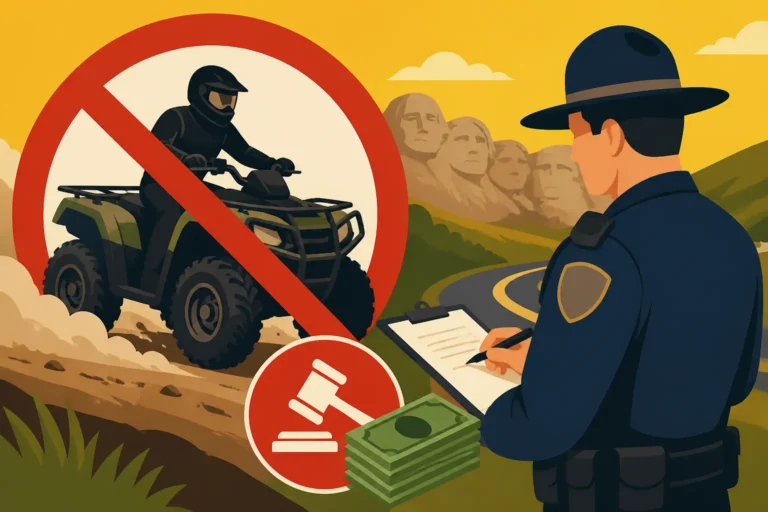
Perhaps the most critical challenge, and often the biggest point of contention, is the issue of land ownership. A significant portion of South Dakota's prairie is privately owned, often by ranchers and farmers. Many two-tracks traverse this private property. Riding on private land without explicit permission is trespassing, a serious offense that can lead to fines, your machine being impounded, and a severe deterioration of relations between riders and landowners. You might be accustomed to the clear boundaries of national forest lands, but out here, the rules are different.
Even if you have permission, you must be incredibly respectful. Gates are common on ranch roads, and they are there for a reason – to contain livestock. The golden rule is simple: if you open a gate, close it behind you. Failure to do so can result in cattle wandering off, which is a major financial loss and headache for the landowner. Always be mindful of livestock; slow down, give them a wide berth, and never harass them. You might also encounter active farming operations, so be aware of tractors or other heavy machinery. For more detailed information, check out [South Dakota Rules for Riding Private Land] and [South Dakota Landowner Permission Rules]. Maintaining a good reputation among landowners is vital for preserving access to these unique riding opportunities.
Essential Preparations for a South Dakota Prairie Ride
Embarking on a prairie two-track adventure in South Dakota isn't something you can just do on a whim. The remote nature of these rides demands thorough preparation, both for your machine and yourself. Without proper planning, you could find yourself stranded, facing mechanical issues, or even in a dangerous situation far from help. This isn't like riding a designated trail where help might be a call away; out here, you're often truly on your own.
Securing Permission and Planning Your Route
The absolute first step before even thinking about airing up your tires is securing permission if you plan to ride on private land. This cannot be stressed enough. Many prairie two-tracks are on private ranches or farms, and riding them without explicit permission is trespassing. Take the time to identify landowners using county plat maps or by simply asking locals. A friendly conversation can go a long way, and often, landowners are willing to grant access if they trust you'll be respectful. Always get clear instructions on where you can and cannot go. Remember, maintaining positive relationships with landowners is key to continued access. For specific guidance, review [Getting a Rancher's Permission in South Dakota].
Once permission is secured (or if you're on known public land), plan your route meticulously. Don't rely solely on vague maps or memory. Use detailed topographical maps, satellite imagery, and GPS devices. Mark potential hazards, water crossings, gates, and bailout points. Share your route and estimated return time with someone reliable. Cell service can be spotty or nonexistent in remote prairie areas, so don't count on your phone as your sole navigation or communication tool. A solid plan will help you avoid getting lost, save you time, and significantly increase your safety margin.
Machine Maintenance and Essential Gear
Before any serious prairie ride, give your ATV or UTV a thorough inspection. Check tire pressure and condition – punctures are common on two-tracks from sharp rocks or thorns. Ensure all fluids are topped off, brakes are functioning, and lights work. A well-maintained machine is less likely to leave you stranded miles from anywhere. It's also wise to carry a basic toolkit, tire repair kit, and a portable air compressor. For machines that regularly tackle rough prairie terrain, considering upgrades like heavier-duty skid plates or A-arm guards from SuperATV can prevent damage from hidden rocks and stumps.
Beyond your machine, pack essential gear for yourself. This includes:
- Navigation: A reliable GPS device with pre-loaded maps and a compass as a backup.
- Communication: A satellite messenger or two-way radio (if riding with others) since cell service is unreliable.
- Hydration: Plenty of water. Dehydration is a serious risk in the open prairie sun, especially during warmer months.
- First Aid: A comprehensive first-aid kit for minor injuries and emergencies.
- Survival: Fire starter, emergency blanket, and a whistle.
- Sun Protection: Sunscreen, wide-brimmed hat, and sunglasses.
- Tools/Repair: Basic tool kit, spare belt, duct tape, zip ties, small shovel.
- Recovery Gear: A winch (if your machine has one), tow strap, and shackles are invaluable for getting unstuck from mud or crossing difficult terrain.
- Personal Protective Equipment (PPE): Helmet, goggles (essential for dust and wind), gloves, long sleeves, and pants to protect against sun, brush, and scrapes.
Don't forget to pack enough fuel for your planned route, plus a reserve. Fuel stations can be few and far between on the prairie.
Understanding South Dakota's Rules for Prairie Riding
While two-tracks often lack official signage, you are still bound by South Dakota's general regulations, especially concerning public lands and certain types of roads. For instance, if a two-track crosses or briefly follows a public section line or gravel road, your machine may need to be titled and registered appropriately. [South Dakota Rules for Riding a Section Line] are particularly relevant here. Even on private land with permission, be aware of things like sound limits if you're near residential areas or sensitive wildlife zones.
Furthermore, if your prairie ride involves crossing federal land, such as small parcels managed by the Bureau of Land Management (BLM) or National Grasslands, you'll need to adhere to their specific rules, which can vary from national forest regulations. This might involve different permit requirements or restrictions on where you can ride. Always assume that unless explicitly stated otherwise, cross-country travel off a two-track is prohibited. Understanding these nuances before you ride helps you stay legal and respectful of the diverse land management across the state.
Responsible Riding on Private and Public Prairie Land
Riding prairie two-tracks is a privilege, not a right. Because these paths often exist in a gray area between official trails and private property, it’s imperative that riders adopt a strong ethic of responsibility and respect. Failing to do so can lead to trail closures, fines, and further restrict access for everyone. Our actions as riders directly impact the future of these unique opportunities.
Respecting the Land and Its Inhabitants
The South Dakota prairie is a fragile ecosystem. Stick to existing two-tracks and avoid creating new ones, especially in wet conditions where you can cause deep ruts and erosion. "Tread Lightly!" isn't just a slogan; it's a principle. If you encounter mud or water obstacles, assess them carefully. If they look too deep or risky, find an alternative route or turn back rather than widening the trail or damaging the environment. Excessive speed can also churn up dust, disturb wildlife, and increase erosion.
Wildlife is abundant on the prairie – deer, antelope, pheasants, and countless smaller creatures. Give them space. Never chase or harass animals. Remember that many ranchers rely on this land for their livelihood, and disturbing livestock can have real consequences. Always pack out everything you pack in, and perhaps even a little more. Leaving trash behind is disrespectful to both the landowner and the environment, and it contributes to a negative image of ATV/UTV riders. A good rule of thumb is to leave the area better than you found it. This applies to things like gates, fences, and any signs of your presence.
Navigating Gates, Fences, and Section Lines
As mentioned earlier, gates are a common feature on prairie two-tracks, particularly on private ranch land. The rule is simple and non-negotiable: "Leave gates as you find them." If a gate is open, leave it open. If it's closed, close it behind you. Failure to do so can result in livestock escaping, which can lead to significant financial loss for the landowner and undoubtedly revoke any future riding privileges. Always double-check that the latch is secure before moving on. For more insights on this, read [Crossing Cattle Guards on a Ranch Road].
Fences, especially barbed wire, are also prevalent. They mark boundaries and contain animals. Never cut or damage a fence to create a shortcut. If a fence is down or damaged, report it to the landowner if possible. Section lines, which sometimes run alongside or are part of two-tracks, are often public access but can have specific rules. Be aware of signage, or lack thereof, and understand that even if you're on a public section line, the land directly adjacent to it is likely private. Staying strictly on the two-track and respecting property boundaries is paramount. For example, [Can You Ride an Unopened South Dakota Section Line?] discusses rules around these boundaries.
Being a Good Steward of the Riding Community
Every time you ride a prairie two-track, you're an ambassador for the entire ATV/UTV community. Positive interactions with landowners, other recreationists (like hikers or horseback riders), and even passersby contribute to maintaining access. A friendly wave, a respectful conversation, or offering help if someone is stuck can go a long way. If you see someone else riding irresponsibly, it's often best to address it politely or report it to the landowner or authorities, rather than letting it reflect poorly on all riders.
Supporting local businesses in the communities near your riding areas also helps build goodwill. Whether it's grabbing a meal, fueling up, or buying supplies, your patronage is appreciated and helps sustain the local economy. Ultimately, the future of riding these unique prairie two-tracks depends on the collective actions of individual riders. By being prepared, respectful, and responsible, we can ensure that these adventures remain available for generations to come.
Disclaimer
This article is for general informational purposes only and does not constitute professional advice. Laws, prices and regulations vary by location and change over time. Consult a qualified professional for guidance on your specific situation.