Does a Seventeen-Year-Old Need a Helmet in South Dakota?
It's a question many parents and young riders in South Dakota grapple with: when does the law say you really need to wear a helmet on an ATV or UTV? There's a lot of confusion out there, especially when you consider different types of riding, from dusty trails in the Black Hills to just cruising around the family ranch. This guide is here to clear up the exact helmet requirements for seventeen-year-olds and other age groups in the Mount Rushmore State, ensuring you stay safe and on the right side of the law.
Understanding South Dakota's ATV Helmet Laws for Young Riders
Navigating the rules and regulations for ATV and UTV use can feel like a maze, especially when it comes to safety gear for younger family members. South Dakota has specific laws in place to protect those who might be less experienced or more vulnerable in the event of an accident. It’s not just about what sounds like a good idea; it’s about what the law demands.
The Age Threshold: When Helmets Stop Being Required
In South Dakota, the age of eighteen is the key number when it comes to helmet requirements for ATV and UTV riders. For anyone who has celebrated their eighteenth birthday, the state generally leaves the decision of wearing a helmet up to the individual, provided they are operating a machine that falls under specific categories, particularly when on public roads or rights-of-way. This can often lead to confusion because other states might have different age cutoffs or more stringent universal helmet laws. Many folks assume that if they're old enough to drive a car, they're old enough to decide on a helmet, but the law makes a clear distinction for ATV and UTV operation. It's a common point of discussion around campfires after a day of riding, with seasoned riders often sharing stories of how rules have changed over the years.
This age-based distinction means that a seventeen-year-old is treated differently by the law than an eighteen-year-old. While an adult rider might opt for a helmet for personal safety on a particularly challenging [South Dakota Trail With Rock] or a fast [South Dakota Trail With Long Climbs], the choice becomes mandatory for those younger than 18. This legal framework is designed to provide an extra layer of protection for minors who may lack the judgment or experience to always prioritize safety in high-risk situations. It's not about doubting their riding skills, but rather about acknowledging the increased risk associated with off-road vehicle operation for younger individuals.
Who Needs a Helmet? Riders Under 18
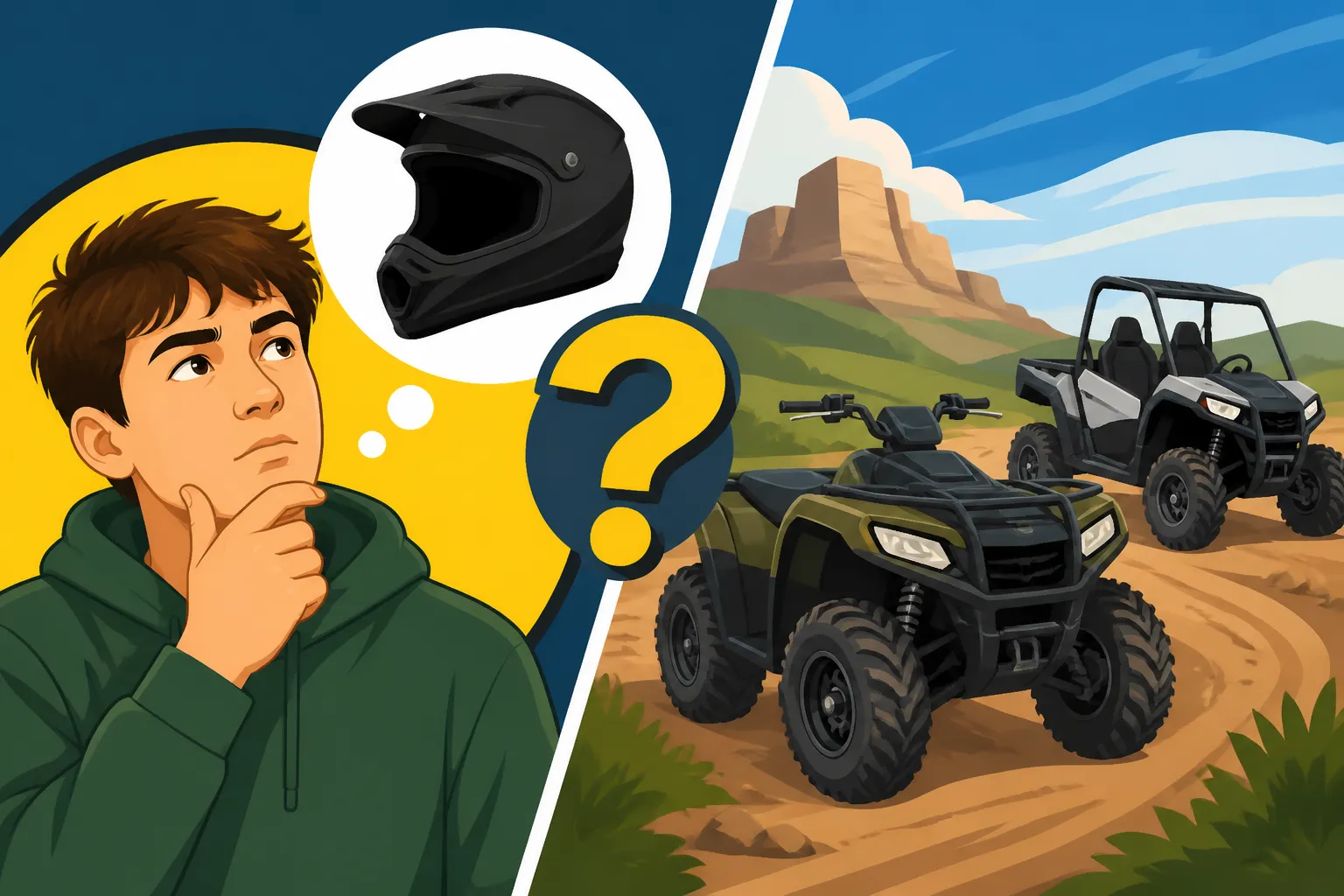
So, to directly answer the burning question: does a seventeen-year-old need a helmet in South Dakota? Yes, absolutely. Any operator or passenger of an ATV or UTV who is under the age of 18 is legally required to wear an approved safety helmet. This isn't just a suggestion; it's a non-negotiable legal mandate. This rule applies whether they're tearing up the trails in the Black Hills National Forest or just riding a section line out on the prairie. It doesn't matter if they are driving their own machine, riding as a passenger with an adult, or operating a rented machine; the helmet rule stands firm for anyone under the age of eighteen.
This requirement extends to all scenarios involving public land or public access. Whether it’s riding in the [Black Hills National Forest in South Dakota] or navigating the permissible stretches of [South Dakota Ditch Riding Rules], if you're under 18, that helmet needs to be securely fastened. It's important to understand that this isn't about infringing on personal freedom, but rather about ensuring the safety of younger riders. Head injuries can be devastating, and helmets are proven to significantly reduce the risk of serious injury. When planning a family trip to ride, ensure every young rider has a properly fitting, DOT-approved helmet. Brands like SuperATV, while primarily known for parts and accessories, emphasize overall rider safety, which always starts with foundational gear like helmets.
Supervising Younger Riders in South Dakota
Beyond just wearing a helmet, South Dakota also has guidelines regarding the supervision of young riders. For anyone under the age of 16, they must be under the direct supervision of an adult who is at least 18 years old. This adult must also be operating an ATV or UTV within visual contact of the younger rider. This means you can't just send your 15-year-old out on their own with a helmet and assume all is well. This supervision requirement is another layer of protection, ensuring that an experienced adult is on hand to guide, assist, and intervene if necessary. It really drives home the state's commitment to the safety of its youngest riders.
This adult supervision is crucial, especially when tackling varied terrain or new riding environments. Imagine a family outing through the winding forest roads near [South Dakota ATV Trails Near Custer]. An adult's presence can help a younger rider navigate unexpected obstacles, understand trail etiquette, and respond appropriately to changing conditions. Even on private property, while enforcement might be different, the spirit of supervision and helmet use for minors remains a best practice. Teaching a child good riding habits, including consistent helmet use, from an early age is invaluable. Remember, safety always starts with responsible adult leadership, and that includes ensuring proper supervision and gear.
Beyond Helmets: Other Essential Gear for South Dakota Riders
While helmets are a critical piece of the safety puzzle, they are far from the only consideration when hitting the trails or roads in South Dakota. Riding an ATV or UTV exposes you to various elements and potential hazards, making other protective gear equally important. Think about flying debris, unexpected falls, or simply prolonged exposure to sun and wind—all good reasons to consider a full ensemble of safety equipment.
Eye Protection: A Universal Requirement
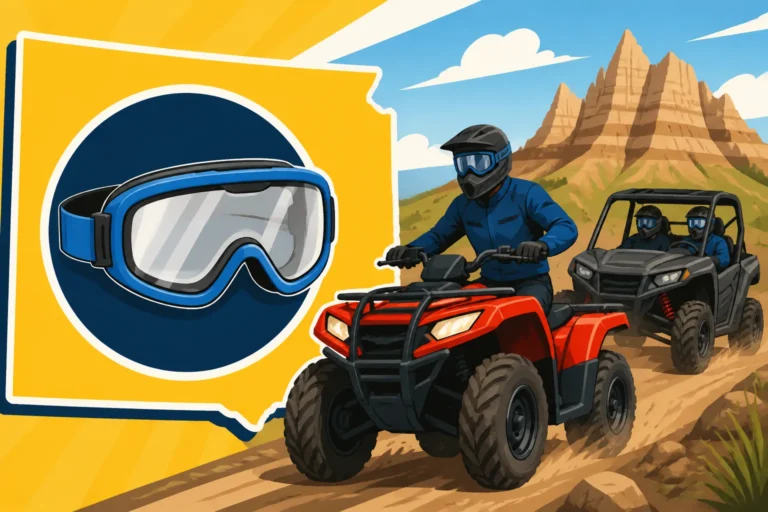
Here's another crucial point that often gets overlooked: eye protection is a requirement for all ATV and UTV operators and passengers in South Dakota, regardless of age. This isn't just for those under 18; if you're operating one of these machines, you need to have appropriate eye protection. This means goggles, a face shield on a helmet, or eyeglasses (but not just your everyday sunglasses, unless they offer robust impact protection). The reason is simple: dust, rocks, branches, and even insects can fly up and cause serious eye injury, which can lead to a loss of control and an accident. Imagine hitting a dusty stretch on a [South Dakota Gravel Road After Rain]—without eye protection, your vision could be compromised in an instant.
The requirement for eye protection is a non-negotiable aspect of safe riding. It’s a small, inexpensive piece of gear that can prevent a lot of pain and potential long-term damage. Many helmets designed for ATV and UTV use come with integrated face shields, offering convenient, all-in-one protection. If you’re wearing an open-face helmet, or if you're an adult rider choosing not to wear a helmet where permitted, a good pair of riding goggles is absolutely essential. Don't skimp on quality here; clear, anti-fog, scratch-resistant lenses will make your ride safer and more enjoyable. SuperATV, for instance, offers various accessories that can improve visibility and safety, underscoring the importance of comprehensive protection beyond just the frame of your vehicle.
Protective Clothing and Footwear
While not always explicitly mandated by law, wearing appropriate clothing and footwear is a smart safety practice for any ATV or UTV rider. Think long sleeves and pants made of durable material, like denim or specialized riding gear. This provides a layer of protection against scrapes, cuts, and abrasions in the event of a fall. It also shields you from sun exposure and provides a barrier against branches or brush when riding through wooded areas, such as the trails in the [Black Hills National Forest in South Dakota]. Gloves are also highly recommended to protect your hands, improve grip, and reduce fatigue.
When it comes to footwear, sturdy, over-the-ankle boots are the best choice. They protect your feet and ankles from impacts, provide good grip on the footpegs or floorboards, and can prevent your feet from slipping off the controls. Sandals, open-toed shoes, or even regular sneakers simply don't offer the necessary protection for the dynamic and sometimes unpredictable environment of off-road riding. Even if you're just riding [A Quad That Only Works a South Dakota Ranch], a simple mishap can lead to injury if you're not properly dressed. Dressing for the slide, not just the ride, is a maxim that holds true for ATV and UTV enthusiasts too.
Machine-Specific Safety Equipment
Beyond personal protective gear, the machine itself needs to meet certain safety standards, especially when venturing onto public lands or designated trails. For example, most public riding areas, including those in the Black Hills, require spark arresters on exhaust systems. This is a crucial piece of equipment designed to prevent hot carbon particles from escaping the exhaust and potentially igniting dry vegetation, which is a very real concern during dry South Dakota summers, leading to [Fire Closures in a Dry Black Hills Summer]. Ensuring your machine is fitted with a proper spark arrester is not just about compliance; it's about protecting the environment we all love to ride in.
Furthermore, if you plan on making your ATV or UTV "street legal" in South Dakota for limited road use, you'll need additional equipment like working headlights, brake lights, a horn, and a rearview mirror. While a seventeen-year-old might be excited about getting their machine plated, these requirements are non-negotiable for road use. Companies like SuperATV offer a vast array of parts and accessories that can help riders meet these requirements, from lighting kits to mirrors. Always check the specific requirements for [South Dakota Street Legal ATV Requirements] if you intend to ride on roads, as these rules are strictly enforced for everyone, regardless of age.
Where South Dakota Helmet Rules Apply
Understanding where the helmet laws apply is just as important as knowing who they apply to. South Dakota offers a diverse range of riding environments, from expansive open prairies to dense forest trails, and the rules can subtly shift depending on your location. It's not a one-size-fits-all situation across the entire state.
Public Roads and Rights-of-Way
When an ATV or UTV is operated on a public road or within its right-of-way in South Dakota, the helmet law for riders under 18 absolutely applies. This includes riding in the ditch bottom, crossing a highway, or utilizing a section line that's been opened for vehicle traffic. Even if you're just using the ditch for a short distance to get from one field to another on a ranch, if that ditch is part of a public right-of-way, the law remains in effect for minors. It's a common misconception that "off-road" vehicles automatically escape "on-road" rules, but when they intersect with public thoroughfares, they fall under that jurisdiction. This is particularly relevant for those who might use ATVs for chores but also need to cross a paved road or ride a [South Dakota Gravel Road After Rain].
The rules for ditch riding in South Dakota can be particularly complex. While many counties allow it, some may have opted out of ditch riding. However, regardless of county-specific ditch rules, the age-based helmet requirement for those under 18 remains consistent if you are in a public right-of-way. This is also true if you're taking advantage of the ability to cross a highway or riding a [South Dakota Section Line] that is considered public access. A trooper conducting a roadside check, perhaps near [What a Trooper Checks at a Meade County Stop], will certainly be looking for helmet compliance among younger riders. Ignorance of the law is never an excuse, so it’s vital to be aware of these distinctions before you load up and head out.
Designated Trails and OHV Areas
For designated motorized trails and OHV areas, such as those found in the Black Hills National Forest or specific state-managed riding parks like [Oahe Downstream OHV Area in South Dakota], the helmet requirement for anyone under 18 is unwavering. These areas are designed for off-road recreation, and while they might feel remote, they are still public lands with specific regulations governing their use. The varying terrain and potential for challenging conditions on trails make helmets even more critical in these environments. Imagine navigating [South Dakota Trails With Rock] or steep climbs; a helmet provides essential protection against falls or impacts with trail obstacles.
Even if you're visiting from out of state and your home state has different rules, South Dakota's laws apply when you're riding on their public lands. A nonresident coming to ride the [Black Hills National Forest in South Dakota] needs to understand that their 17-year-old child must wear a helmet, even if they wouldn't back home. Furthermore, while these trails are a fantastic resource, they often have specific dates of operation, like [Trails Open May 15 to December 15], and might require a [South Dakota's Motorized Trail Permit]. These permits and operational rules are separate from, but equally as important as, the safety gear requirements.
Private Land Considerations
When it comes to riding on private land in South Dakota, the legal enforcement of helmet laws for minors becomes a bit more nuanced. While the state's statutes generally apply to public roads and lands, a private landowner has the authority to set their own rules for riders on their property. Many responsible landowners, especially those with children or grandchildren who ride, will often enforce helmet use for minors on their property, recognizing it as a critical safety measure. So, while a law enforcement officer might not cite a 17-year-old for not wearing a helmet solely on private land, it's still an absolute best practice.
Furthermore, if an accident were to occur on private property and a minor was injured while not wearing a helmet, it could raise questions about liability, particularly if the landowner was aware of the rider's age and lack of protective gear. Most organized events or guided tours, even on private land, will have strict helmet policies for all participants, especially minors. When riding on someone else's property, always clarify their specific rules regarding safety gear. Whether you're riding a [South Dakota Ranch Road] or simply practicing in a private field, making helmet use mandatory for any rider under 18 is a sign of good judgment and responsible ownership.
Penalties and Enforcement for Non-Compliance
Ignoring South Dakota's helmet laws for underage ATV and UTV riders isn't just a risk to personal safety; it also carries legal consequences. Enforcement officers, whether it's a local sheriff, state trooper, or a Forest Service ranger, take these regulations seriously, especially when minors are involved. The goal isn't just to issue tickets, but to ensure everyone's safety and to deter dangerous riding practices.
What Happens If You're Caught Without a Helmet
If a law enforcement officer observes a rider under 18 operating or riding as a passenger on an ATV or UTV without an approved helmet on public land or a public right-of-way, they can issue a citation. The specific penalty can vary, but generally, it falls under a Class 2 Misdemeanor. This isn't a minor traffic ticket; a Class 2 Misdemeanor can result in fines, and in some cases, even jail time, though jail time is rarely imposed for a first-time helmet violation on a minor. More commonly, it involves a substantial fine. For parents or guardians, this means not only a financial hit but also the potential for a legal record associated with their child's violation.
Beyond the immediate fine, there are other potential repercussions. An accident involving an un-helmeted minor could lead to much more severe legal consequences, especially if serious injuries are sustained. Insurance companies might also look unfavorably upon claims where laws were clearly violated, potentially impacting coverage or payouts. It’s always cheaper and safer to invest in a good quality helmet than to deal with the aftermath of a citation or, worse, a preventable head injury. Always verify that everyone, especially minors, is in compliance before you ever turn the key.
The Trooper's Discretion and Roadside Checks
While the law is clear, how it's enforced can sometimes depend on the specific circumstances and the discretion of the enforcing officer. However, when it comes to the safety of minors, officers are typically less lenient. During roadside checks, perhaps initiated due to a complaint or simply part of routine patrols, an officer will definitely be checking for appropriate safety gear, especially for younger riders. They might pull you over if they see a 17-year-old without a helmet while riding a [South Dakota Ditch Beside a State Route] or even just crossing a county road.
Officers are generally looking for visible compliance. This means not just having a helmet, but wearing it properly and having it securely fastened. A helmet sitting on the handlebars or worn incorrectly offers little protection and is still considered a violation. In areas popular with riders, like those around [Buying a Quad in Lawrence County] or near the many trailheads in the Black Hills, patrols are more frequent, and enforcement of safety regulations is common. The message is simple: adhere to the helmet laws for minors, and make sure they're also using proper [South Dakota Eye Protection Requirement], to avoid an unpleasant encounter with law enforcement and, most importantly, to keep everyone safe.
South Dakota ATV & UTV Safety Gear Requirements
Here's a quick overview of the key safety gear requirements for ATV and UTV riders in South Dakota, focusing on age distinctions.
| Requirement | Riders Under 18 Years Old | Riders 18 Years Old and Older | Notes |
|---|---|---|---|
| Helmet | Mandatory | Optional (Highly Recommended) | Must be DOT-approved. Applies on public lands, roads, and rights-of-way. |
| Eye Protection | Mandatory | Mandatory | Goggles, face shield, or protective eyewear required for all riders on public lands/roads. |
| Adult Supervision | Mandatory (Under 16 only) | Not Applicable | Riders under 16 must be within visual contact of an adult (18+) operating an ATV/UTV. |
| Protective Clothing | Highly Recommended | Highly Recommended | Long sleeves, pants, gloves, and over-the-ankle boots for all. |
| Spark Arrester | Mandatory (Public Trails) | Mandatory (Public Trails) | Required on public lands, especially during dry seasons, to prevent wildfires. |
| Street Legal Gear | Mandatory (Road Use) | Mandatory (Road Use) | Headlights, brake lights, horn, rearview mirror required if licensed for road use, regardless of age. |
At the end of the day, whether the law mandates it or not, prioritizing safety should always be your top concern when enjoying the incredible ATV and UTV opportunities South Dakota has to offer. A properly fitted helmet, especially for a seventeen-year-old, can be the difference between a minor tumble and a life-altering injury. Ride smart, ride safe, and enjoy the beautiful South Dakota landscape responsibly!
Disclaimer
This article is for general informational purposes only and does not constitute professional advice. Laws, prices and regulations vary by location and change over time. Consult a qualified professional for guidance on your specific situation.