South Dakota Rules for Crossing a Highway
It’s a common scenario for many of us who love riding our ATVs and UTVs in South Dakota: you’re enjoying a beautiful backroad, perhaps cruising along a ditch, when suddenly, a paved highway looms ahead, cutting off your path. The frustration is real – you just want to get to the other side to continue your adventure, but you’re left wondering if it’s even legal, let alone safe, to simply cross that asphalt. This guide is here to untangle the specific rules around crossing a highway with your off-road vehicle in South Dakota, helping you navigate these moments with confidence and compliance.
Understanding South Dakota's Ditch Riding Rules for Crossings
South Dakota has some pretty specific rules about where you can and cannot ride your ATV or UTV, and a big part of that revolves around ditch riding. While the state generally allows riding in the bottom of highway ditches, this privilege doesn't automatically translate to unfettered access across every paved surface. It’s crucial to understand that crossing a highway is often treated differently in the eyes of the law than simply riding along a ditch. Many riders, especially those new to the area or unfamiliar with the nuances, assume that if they can ride in the ditch, they can just pop across the road whenever needed. This assumption can lead to uncomfortable conversations with law enforcement or, worse, dangerous situations.
The spirit of the law, as it applies to ditch riding, is often about connecting agricultural lands or providing access to remote areas without integrating off-road vehicles fully into highway traffic. This means there's a practical allowance for movement that often includes crossing roads. However, "practical allowance" doesn't mean "anything goes." There are still expectations for how these crossings are performed, and overlooking them could put both you and others at risk. The key is to distinguish between the general allowance for ditch riding and the specific, often more stringent, requirements for traversing a highway. You might be able to ride for miles in a ditch, but how you handle that brief, intense moment of crossing can make all the difference.
The Critical Difference: Riding vs. Crossing
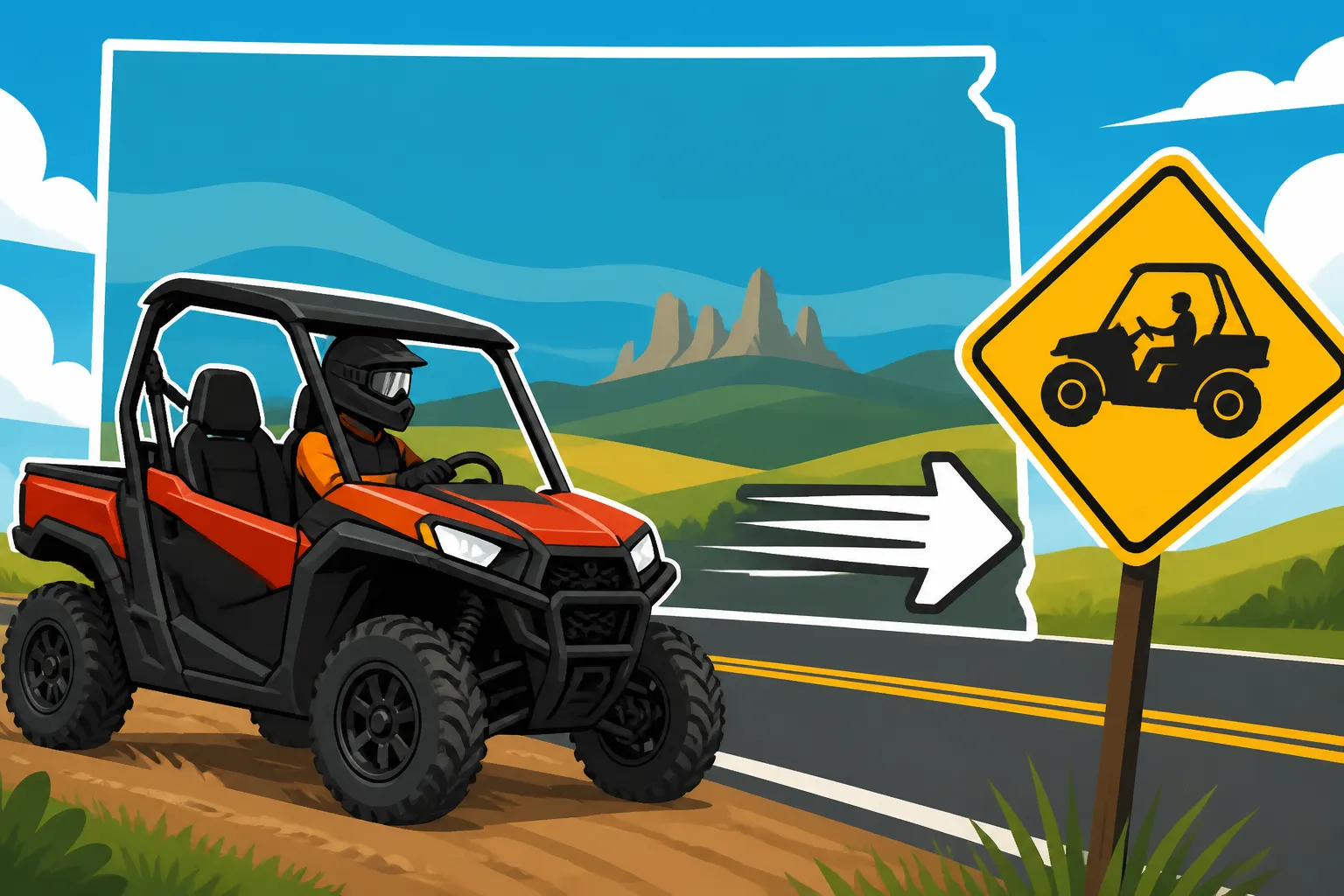
While [South Dakota's Ditch Riding Rule] allows you to operate your ATV or UTV in the bottom of the right-of-way ditch of a public highway, this is not the same as operating on the highway itself. A "crossing" is typically defined as the shortest, most direct path from one side of the highway to the other, minimizing the time spent on the actual paved driving surface. This distinction is paramount. You aren't permitted to drive down the highway lane for a significant distance just to find a more convenient crossing point, nor can you use the paved shoulder as an extension of the ditch. The law acknowledges that riders need to be able to move from one side of a road to another to continue their journey, especially when accessing trails, private land, or simply following a continuous ditch line.
The reason for this critical difference is safety. Highway ditches are typically separated from moving traffic by a shoulder and sometimes a grassy area. The ditch bottom itself is not designed for high-speed travel or interaction with cars. When you move onto the paved surface of a highway, even for a moment, you are directly entering the flow of traffic. This is where the rules shift, requiring greater caution and often specific equipment. Think of it less as an extension of your ditch ride and more as a controlled, momentary interaction with the traditional road system. The law provides for this interaction, but it places the onus on the ATV/UTV operator to ensure it's done safely and efficiently.
How to Safely Execute a Highway Crossing
Executing a highway crossing safely requires planning, vigilance, and adherence to specific procedures. It's not a maneuver to be taken lightly. First and foremost, always approach the highway at a reasonable speed, ready to stop. Before you even think about entering the paved surface, bring your machine to a complete stop at the very edge of the ditch or shoulder, where you have the best possible view of oncoming traffic in both directions. Never assume the road is clear, especially around blind curves or hills. Take your time to look, listen, and assess the traffic situation.
Once you have a clear line of sight and an adequate gap in traffic, you should cross the highway as perpendicularly as possible. This minimizes your time in the travel lanes. Accelerate smoothly and maintain control, making your presence known without being reckless. Avoid any sudden swerving or stopping in the middle of the road. Your goal is to get from one ditch to the other as quickly and safely as possible. This might sound obvious, but in the heat of the moment, or when riding with a group, it’s easy to get distracted or rush. Remember, other drivers may not be expecting an ATV or UTV to suddenly appear on the highway, so assume they haven't seen you.
Equipment and Legalities for South Dakota Highway Crossings
Just because you're only crossing a highway doesn't mean you're exempt from all vehicle requirements. In South Dakota, if your ATV or UTV is going to touch any part of a public roadway, even for a brief crossing, it needs to meet certain basic equipment standards. This isn't just about legality; it's about making sure you're visible and can signal your intentions to other drivers, which is critical for preventing accidents. Many riders focus solely on getting their machine plated for full road use, but even for those occasional crossings, there's a baseline of necessary gear. It's a fundamental part of responsible riding.
Beyond the machine itself, the operator also has responsibilities, particularly concerning their driver's license and age. While South Dakota has certain allowances for younger riders or those without a traditional driver's license in specific off-road or ditch riding scenarios, these can change when you interact with the main flow of traffic on a highway. Understanding these requirements beforehand will save you a headache and potential fines down the road. It’s always better to be over-prepared than under-prepared when it comes to legal compliance and safety on public roadways.
Minimum Equipment for Crossing a Road
When you're making a highway crossing in South Dakota, your ATV or UTV needs to be equipped with certain safety features to ensure visibility and communication. These typically include [Headlights and Brake Lights in South Dakota], a [A Horn on a South Dakota Road Machine], and a rearview mirror. The headlights and taillights are crucial, especially if visibility is poor or you find yourself crossing near dusk or dawn. They make your machine visible to approaching traffic from both directions. Even if it's broad daylight, having your lights on can significantly increase your visibility.
A horn is essential for warning other drivers or pedestrians if necessary, though it should be used judiciously. Finally, a rearview mirror allows you to quickly check for approaching traffic without having to turn your entire body, which can be unstable and distracting. Companies like SuperATV offer a wide range of aftermarket mirrors that can easily be mounted to most ATVs and UTVs, providing excellent visibility and a secure fit. While you might not be fully street legal for extended road travel without a license plate, these basic items are often considered a minimum for any brief interaction with highway traffic. Remember, the goal is to make yourself as predictable and visible as possible to prevent any misunderstandings with other vehicles.
Driver's License and Age Requirements
For operating an ATV or UTV on a highway for the purpose of crossing, South Dakota law generally requires the operator to hold a valid driver's license. This aligns with the rules for operating any motor vehicle on a public roadway. While you might not need a specific motorcycle endorsement for an ATV if it meets certain criteria, a basic driver's license is typically a must. This requirement ensures that the operator has demonstrated a basic understanding of traffic laws and safe driving practices. For more detailed information on general requirements, you can refer to [South Dakota Driver's License Rules for ATVs].
When it comes to age, if a driver's license is required, then the operator must meet the minimum age for obtaining that license. Generally, this means at least 16 years old for an unrestricted license. There are specific provisions for youth riding in ditches or on private land, but these usually do not extend to highway crossings. A rider who is, for example, 12 years old and legally riding in a ditch might not be permitted to cross a highway, even under adult supervision, if they do not possess a valid driver's license. Always check the current regulations, as these rules are in place to protect both the young rider and the public from potential hazards on high-speed roadways.
Navigating County-Specific Rules and Exceptions
One of the more confusing aspects of ATV and UTV regulations in South Dakota is the interplay between state law and local county ordinances. While the state provides a general framework, counties have some power to modify certain aspects, particularly concerning ditch riding. This can leave riders scratching their heads, wondering if a rule that applies in one county also applies when they cross into the next. However, when it comes to highway crossings, there's a significant safeguard built into South Dakota law that protects a rider's ability to traverse roads. This provision is designed to ensure that even if a county restricts ditch riding, it doesn't completely cut off access or create impossible navigation challenges for off-road enthusiasts.
Understanding this balance is key to confident and legal riding. You don't want to find yourself on the wrong side of a county line, suddenly in violation of a local rule you didn't even know existed. Knowing your rights and the limits of county authority will help you plan your routes more effectively and avoid unnecessary stops or citations. It's all about riding smart and being informed, especially in an area where boundaries and regulations can shift.
Why No County Can Close a Highway Crossing
This is a crucial point for South Dakota ATV and UTV riders: even though counties have the authority to "opt out" of allowing ditch riding on state highways within their jurisdiction, they cannot prohibit the crossing of a highway by an off-road vehicle. This is explicitly stated in state law, offering a vital lifeline for riders who might otherwise be completely cut off. So, while you might encounter a county that has exercised its right to ban continuous ditch riding, as detailed in [Why South Dakota Counties May Only Opt Out], they cannot legally prevent you from crossing that highway to continue your journey on the other side, assuming the crossing is done legally and safely.
This provision exists to prevent counties from effectively barricading access for ATVs and UTVs, which would create significant logistical problems for riders moving through different areas. Imagine a long trail system or a route connecting private properties that is bisected by numerous highways. If counties could prevent crossings, these routes would become fragmented and unusable. The state recognizes the practical need for off-road vehicles to traverse highways, even if their primary mode of travel isn't directly on the paved surface. This doesn't mean you can just dart across without caution, but it does mean you won't be cited simply for making a legal crossing, regardless of the county's stance on ditch riding.
Identifying Approved Crossing Points and Signage
South Dakota law generally allows for highway crossings to be made at any point where it is safe and practical, not just at designated intersections. However, the operative words here are "safe and practical." This implies that you should choose a spot with good visibility in both directions, away from blind curves, hillcrests, or heavy traffic areas. There isn't typically specific "ATV Crossing" signage you'll see like you might for a pedestrian crosswalk, but you should always be aware of general road signage. For instance, signs indicating upcoming intersections, merges, or reduced visibility should heighten your caution.
While a county cannot prohibit a crossing, if they have opted out of ditch riding, they are required to post [Regulatory Signs a South Dakota County Must Post] indicating this restriction. If you see such a sign, it means you can't ride down the ditch, but you can still cross the highway if safe. Always look for any regulatory signs that might influence your decision to cross, such as "No Motorized Vehicles Beyond This Point" if you're entering certain state or federal lands. Common sense and good judgment are your best allies here; if a spot feels unsafe to cross, it probably is.
Common Pitfalls and Best Practices for Safe Crossings
Even with a clear understanding of the rules, highway crossings can be tricky. They demand a heightened level of awareness and precise execution. Many of the issues riders encounter stem not from a lack of legal knowledge, but from common mistakes made in the moment. Rushing, poor judgment of speed, and underestimating traffic can turn a simple crossing into a dangerous incident. This is where experience, combined with proactive safety measures, really pays off. It's not just about what the law says you can do, but what you should do to ensure everyone's safety.
Adopting best practices isn't just about avoiding a ticket; it's about making sure you get to your destination in one piece. Planning your route to anticipate crossings, equipping your machine properly, and cultivating a safety-first mindset are all part of responsible off-road vehicle operation in South Dakota. By being prepared and methodical, you can minimize risks and enjoy your ride without unnecessary stress.
Avoiding Risky Crossing Behaviors
One of the biggest pitfalls when crossing a highway is underestimating the speed and volume of vehicle traffic. It’s easy to misjudge how quickly a car or truck is approaching, especially on rural South Dakota highways where speeds can be high. Never attempt to "beat" oncoming traffic. If there's any doubt, wait. Another risky behavior is failing to come to a complete stop before entering the roadway. Rolling stops are dangerous and legally questionable. Always stop, assess, and then proceed.
Crossing diagonally or at an angle greater than necessary is another mistake. This increases your time exposed to traffic and makes your movements less predictable. Similarly, failing to use your headlights (even during the day) or a horn if needed can reduce your visibility to other drivers. Lastly, don't ride with distractions. Whether it's looking at a map, talking to a passenger, or adjusting gear, save these actions for when you are safely off the highway. A brief moment of distraction can have severe consequences when interacting with fast-moving vehicles. For enhanced visibility, consider adding a light bar from SuperATV to ensure you're seen, day or night.
Planning Your Route for Multiple Crossings
If your ride involves multiple highway crossings, incorporating them into your route planning is essential. Don't just stumble upon them; anticipate them. Look at maps beforehand to identify where you'll need to cross paved roads. Google Maps or various trail apps can be invaluable for this. When planning, try to identify areas with good sightlines and lower traffic volumes, if possible. Sometimes, riding a little further in the ditch to find a safer crossing point is a much better option than a quick, risky dash across.
For group rides, establish clear communication and a crossing protocol. Designate a lead rider to assess traffic and signal when it's safe to cross. Have each rider cross individually, maintaining adequate spacing, rather than attempting to cross in a large, unpredictable cluster. This allows each person to make their own judgment call based on traffic conditions. And always ensure that your machine meets [Equipment a South Dakota Road Machine Needs] for road interaction, even if it's just for these brief crossings. Being prepared and organized will make these necessary maneuvers smooth and safe, allowing you to focus on the enjoyment of your South Dakota ATV adventure.
| Requirement | Description | Applies to Ditch Riding? | Applies to Highway Crossing? |
|---|---|---|---|
| Valid Driver's License | Operator must hold a current, valid license. | No (with exceptions) | Yes |
| Headlights & Taillights | Must be functional and visible. | No | Yes |
| Horn | Must be functional. | No | Yes |
| Rearview Mirror | Required for visibility of traffic behind. | No | Yes |
| Perpendicular Crossing | Cross at a 90-degree angle to minimize time on pavement. | N/A | Yes |
| Full Stop Before Crossing | Stop completely before entering the highway. | N/A | Yes |
| Yield to Traffic | Must yield to all oncoming traffic. | N/A | Yes |
Disclaimer
This article is for general informational purposes only and does not constitute professional advice. Laws, prices and regulations vary by location and change over time. Consult a qualified professional for guidance on your specific situation.