South Dakota Counties That Ban Ditch Riding
It can feel incredibly frustrating to try and figure out where you're legally allowed to ride your ATV or UTV, especially when state laws have nuances that let local jurisdictions step in. One minute you think you understand the rules for ditch riding in South Dakota, and the next you hear whispers about certain counties having different regulations. This guide is here to cut through that confusion, explaining exactly how ditch riding works in South Dakota and which counties might have specific bans in place, so you can ride with confidence and avoid any unwelcome surprises.
Understanding South Dakota's Ditch Riding Rules
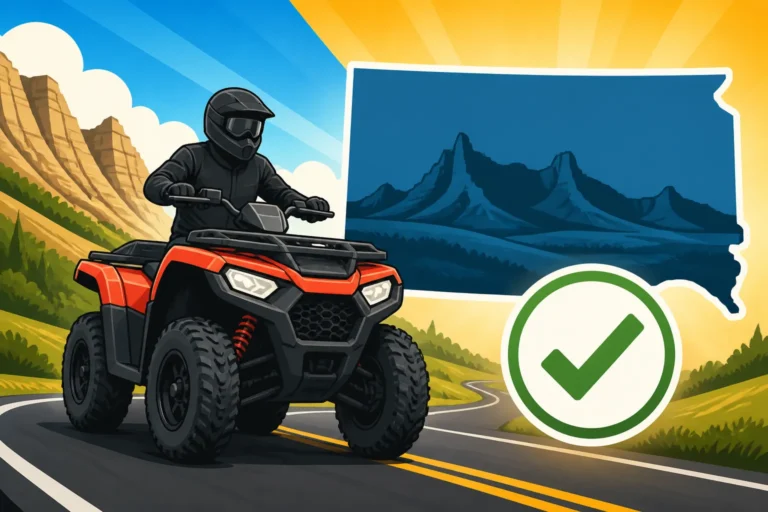
First things first, let's establish the baseline. South Dakota's statewide law generally permits the operation of ATVs and UTVs in the highway right-of-way, which includes those roadside ditches we often refer to. This means that, by default, if you're riding your machine in South Dakota, you generally have the right to use those ditches. It's an important part of how many rural communities get around and access trails or hunting grounds. However, this isn't an open invitation to ride anywhere and everywhere without thought. There are specific stipulations on how you must operate your machine, such as riding on the extreme outer edge of the right-of-way, following the flow of traffic, and, of course, adhering to the basic safety rules. For a more detailed look at these specifics, you'll want to check out [South Dakota Ditch Riding Rules Explained].
The Default Rule: Ditch Riding is Generally Permitted
Imagine you're out on the prairie, miles from any major town, and you need to get your quad from your property to a friend's place a mile down a gravel road. In many parts of South Dakota, the ditches provide a safe and legal way to travel without directly using the main lane of traffic. This foundational allowance for ditch riding reflects the state's rural character and the practical needs of residents who use these machines for work and recreation. It's a privilege, though, and it comes with responsibilities. Riders are expected to know and follow the rules, which include things like operating during daylight hours, having proper lighting if riding at dawn or dusk, and always exercising caution. This general permission sets the stage for understanding the exceptions, which are critical for any rider to know.
Why the Rules Can Feel Confusing to Riders
The confusion often stems from the fact that while there's a statewide default, individual counties have a specific power to modify that default. This creates a patchwork of regulations that can be incredibly frustrating to navigate, especially if you're traveling through multiple counties in a single day or planning a trip from out of state. One minute you're legally cruising a ditch, and the next you might unknowingly cross into a county where that activity is prohibited. This isn't always clearly marked, and it can leave riders feeling like they're constantly guessing. The inconsistency makes it challenging for even seasoned South Dakota riders, let alone visitors trying to enjoy the state's beautiful landscapes. This is why understanding the opt-out provision is so vital—it explains why these variations exist.
How South Dakota Defines an Off-Road Vehicle
Before we dive into the bans, it's helpful to clarify what kind of machine we're talking about. South Dakota has a specific definition for what it considers an "off-road vehicle," or ORV, which encompasses most ATVs and UTVs. Generally, these are vehicles designed primarily for off-highway use, weighing less than 2,000 pounds, and typically having a width of 60 inches or less, though some UTVs can be wider. This definition helps distinguish them from street-legal motorcycles or cars, and it's the category of machine that the ditch riding laws apply to. Understanding [What South Dakota Counts as an Off-Road Vehicle] is the first step in knowing whether the ditch riding rules even apply to your specific machine. If your machine falls outside this definition, other rules might apply, so it’s always good to be clear on what you’re riding.
The County Opt-Out Provision: How Bans Happen
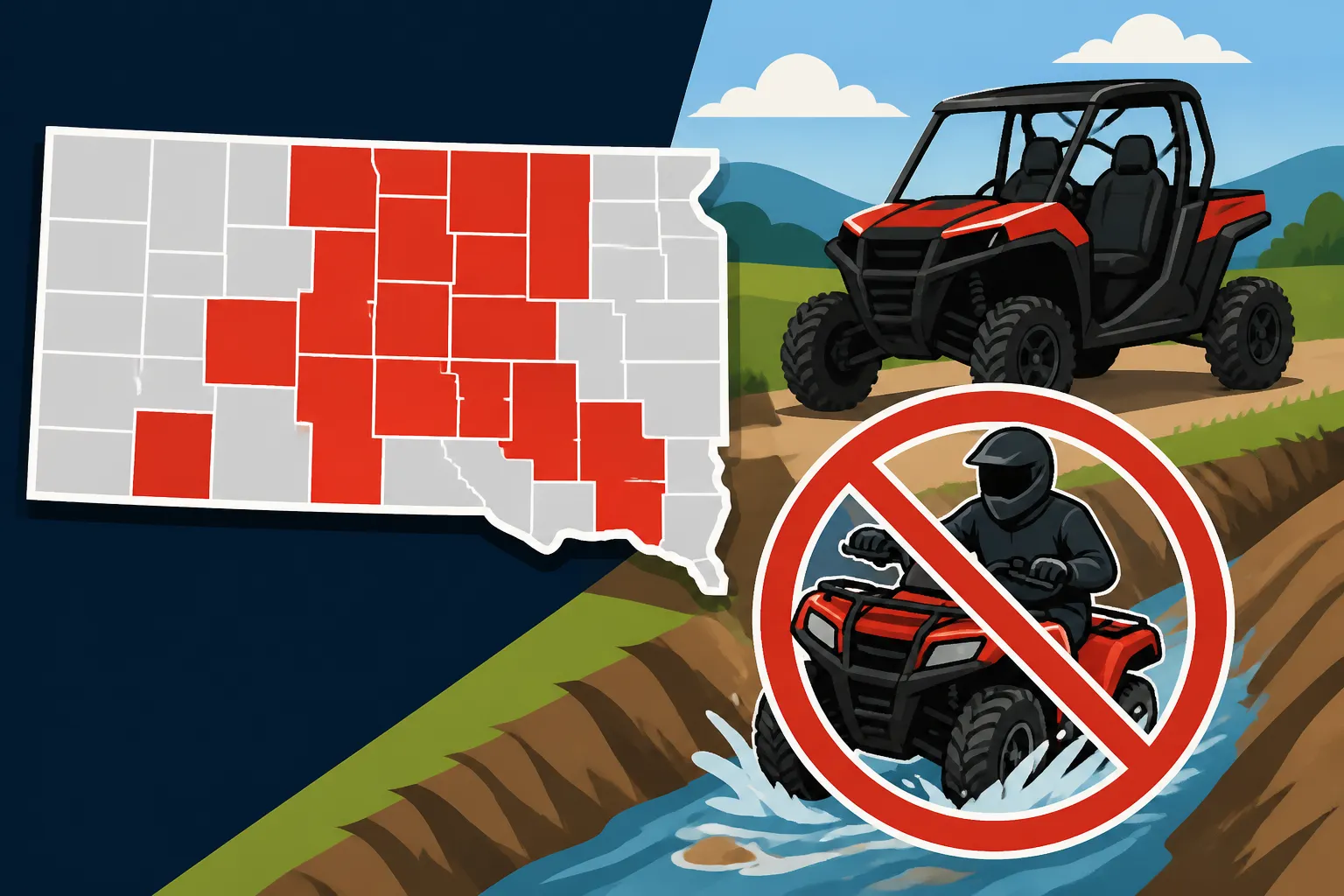
Now for the core of the matter: South Dakota state law provides a specific mechanism for counties to opt out of the general statewide permission for ditch riding. This is not an automatic ban; rather, it requires a county to take specific legislative action. This means that while the state allows ditch riding, a county's local government can, through a formal process, decide to prohibit it within its borders. This is a critical distinction, as it places the burden on individual counties to proactively establish such bans, rather than requiring riders to assume all ditches are closed. This opt-out provision is designed to give local communities control over their roadsides, allowing them to address specific safety concerns, environmental impacts, or nuisance issues they might face.
The Process for a County to Ban Ditch Riding
A South Dakota county doesn't just wake up one morning and decide ditch riding is banned. There's a formal, public process involved. Typically, the county commission must pass an ordinance, often after public hearings and discussions with local residents and law enforcement. This ordinance explicitly states that ATVs and UTVs are prohibited from operating in the highway right-of-way within that county's jurisdiction. Once an ordinance is passed, the county is then obligated to post regulatory signs at reasonable intervals along the affected roads, especially where county lines are crossed, to inform riders of the restriction. This process ensures that such bans are not arbitrary but are a result of local governance. For more details on the exact steps, you might find [How a South Dakota County Opts Out of Ditch Riding] very informative.
It's important to recognize that this is a local decision-making process. Factors that might influence a county to opt out could include high traffic volumes on certain rural roads, concerns about environmental damage to ditches, or a history of accidents involving ORVs in the right-of-way. These are legitimate concerns that local governments need to address, and the opt-out provision gives them the legal authority to do so. Therefore, as a rider, you can't assume that because one county allows it, the next county over will too. You need to be aware that these local decisions create variability.
What a Regulatory Sign Means for Riders
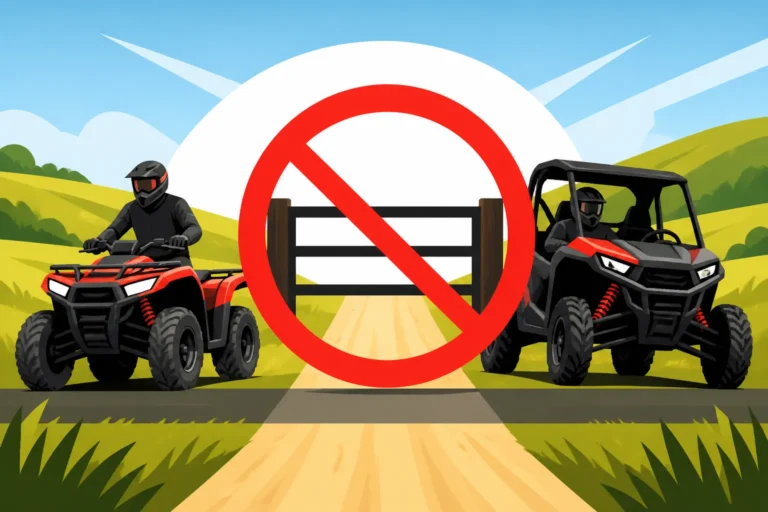
If a county has successfully opted out of ditch riding, they are required to place clear regulatory signs. These aren't subtle little markers; they are intended to be visible and unambiguous, informing riders that ORV operation in the ditches is prohibited. Think of a sign that explicitly states "NO ATV/UTV DITCH RIDING" or something similar, placed at key entry points into the county or along its major roadways. When you see such a sign, it's a clear signal that the general statewide permission for ditch riding no longer applies in that area, and continuing to ride in the ditch could result in a citation. Knowing [Reading the Regulatory Sign at a Ditch Entrance] is crucial for any rider venturing into unfamiliar territory.
These signs serve as the official notification to the public. Without them, it would be difficult for law enforcement to enforce the ban, as riders could reasonably claim ignorance. So, if you're riding in a county where you're unsure of the rules, keep your eyes peeled for these specific regulatory signs. They are your primary indicator of a local ditch riding ban. If you are looking to prepare your machine for a trip where you might encounter varied regulations, ensure your visibility and safety equipment is up to par with products from brands like SuperATV, so you are always ready for unexpected changes.
Why No South Dakota County May Bar a Crossing
Here's a crucial piece of information that often gets overlooked: even if a county opts out of ditch riding, they cannot legally prohibit an ATV or UTV from crossing a highway or road. The state law specifically protects this right. This means that if you're on one side of a road and need to get to the other, you are generally permitted to cross, even in a county that bans continuous ditch riding. This provision acknowledges the practical necessity of being able to traverse roads to access trails, properties, or other riding areas. It prevents counties from essentially landlocking riders within their own property or a small section of ditch. You can read more about this specific protection in [Why No County Can Close a Highway Crossing].
This distinction is extremely important for planning your rides. It means that while you might not be able to continuously ride along the ditch in certain areas, you can still use it for access across a roadway. You still need to exercise extreme caution when crossing, yielding to all traffic, and ensuring it's safe to proceed, but the right to cross remains. This gives riders some flexibility even in more restrictive counties, allowing them to connect different riding areas or simply get home without breaking the law.
Navigating Ditch Riding in an Opt-Out County
So, you've found yourself in a county that has exercised its right to ban ditch riding. What does this mean for you, the rider? It doesn't necessarily mean you have to trailer up your machine and go home. While the continuous use of ditches might be out, there are still ways to enjoy your ATV or UTV and important exceptions to be aware of. The key is knowing what's still permitted and what's strictly off-limits. This requires a bit of local knowledge and careful observation of signage.
Where You Can Still Ride in a Restricted County
Even in counties that have banned ditch riding, you're usually still permitted to ride your ATV or UTV on private property with the landowner's permission. This is often the primary reason many rural residents own these machines – for use on their farms, ranches, or recreational land. Additionally, as mentioned, the right to cross a highway remains, so you can still move between areas of private land or access designated trail systems if they are available. Some counties might also designate specific off-road parks or trails where machines are allowed, but these would be separate from the highway right-of-way.
It's also worth noting that if your ATV or UTV is properly licensed and equipped to be street-legal as a motorcycle (which is possible for some machines in South Dakota under specific conditions, like meeting engine size requirements, usually 200cc or more, and having appropriate safety gear like mirrors, a horn, and lights), then you would follow the rules for motorcycles on the paved or gravel road itself, not the ditch. However, this is a distinct status from simply riding an ORV in the ditch, and involves meeting specific equipment and licensing requirements, as outlined in guides like [South Dakota Street Legal ATV Requirements]. For aftermarket parts to help meet these requirements, many riders turn to companies like SuperATV for mirrors, horns, or lighting kits.
Exemptions for Farm and Utility Vehicles
Here's another critical point that often causes confusion: there are specific exemptions for agricultural and utility vehicles. If you're operating your ATV or UTV for agricultural purposes, such as checking fences, moving livestock, or performing other farm-related tasks, or if you're part of a utility crew maintaining lines, you are generally exempt from these ditch riding bans. This is a practical consideration for a state with a strong agricultural backbone. These machines are essential tools for many working professionals, and restricting their use for legitimate work purposes would create undue hardship. [Agricultural and Utility Vehicles Exempted] explains this in more detail.
This exemption is not a free pass for recreational riding, however. It applies strictly to the vehicle's use for its intended agricultural or utility function. So, while a rancher might be able to ride their UTV in a ditch to repair a fence line in an "opt-out" county, that doesn't mean their neighbor can take their identical UTV for a joyride in the same ditch. The intent and purpose of the ride are key here. This distinction helps balance local control with the economic and practical needs of South Dakota's industries.
The Importance of Checking Local Ordinances
Because of the county opt-out provision, the most responsible action you can take as an ATV or UTV rider in South Dakota is to always check the local ordinances for any county you plan to ride in. Don't rely solely on what you think the state law says, or what you experienced in a different county. A quick call to the county sheriff's office or the county auditor's office before your trip can save you a lot of grief (and potential fines). Ignorance of the law is rarely an excuse, and a friendly phone call can clarify any doubts.
Remember, rules can change. While a county might not have had a ban in place last year, they could have enacted one since. Staying informed is your best defense against inadvertently breaking local laws. Websites for county governments often publish their ordinances, or you can find maps from state agencies that indicate where bans are in effect. Being proactive means you can plan your routes accordingly and ensure a hassle-free ride.
Here's a quick summary of the key distinctions for ditch riding in South Dakota:
| Feature | Statewide Default Rule | County Opt-Out (if enacted) |
|---|---|---|
| Ditch Riding | Generally permitted | Prohibited |
| Highway Crossing | Permitted with caution | Still permitted with caution (cannot be banned) |
| Required Signage | No specific signage required for permission | Regulatory signs must be posted to indicate prohibition |
| Agricultural/Utility Use | Generally permitted | Generally exempt from ban for legitimate work purposes |
| Rider Responsibility | Know and follow general rules, ride on outer edge | Check local ordinances, heed regulatory signs |
| Street-Legal Machines | Follow motorcycle rules, not ditch riding rules | Follow motorcycle rules, not ditch riding rules |
Ultimately, South Dakota offers a unique riding environment with a blend of statewide permissions and local control. By understanding how counties can ban ditch riding and what those bans entail, you can ensure your adventures remain safe, legal, and enjoyable. Always ride responsibly, be aware of your surroundings, and stay informed about the specific rules of the area you're exploring.
Disclaimer
This article is for general informational purposes only and does not constitute professional advice. Laws, prices and regulations vary by location and change over time. Consult a qualified professional for guidance on your specific situation.