Goggles or a Windscreen on a South Dakota Quad
Riding your ATV or UTV in South Dakota promises incredible adventures, from the rugged trails of the Black Hills to the wide-open prairie. But before you hit that throttle, it's easy to get tangled up in the various safety requirements, especially when it comes to eye protection. Many riders scratch their heads wondering if their stylish goggles are enough, or if that sleek windscreen on their side-by-side truly meets the letter of the law. This guide is here to clear up that confusion, diving deep into South Dakota's specific rules for eye protection, exploring the nuances of goggles versus windscreens, and making sure you're geared up both legally and safely for your next ride.
The Core of South Dakota's Eye Protection Rule
When you're out there enjoying the incredible landscapes South Dakota has to offer, whether it's kicking up dust on a forest road or traversing a section line, your eyes are vulnerable. Debris from the trail, insects, wind, and even the glare of the sun can all pose significant risks, leading to momentary blindness, injury, or simply making it impossible to see where you're going. South Dakota, recognizing these very real dangers, has clear regulations in place to ensure riders protect their vision. It's not just a suggestion; it's a mandate designed to keep you safe and your vision unimpaired.
The basic premise is straightforward: if you're operating an ATV or UTV on any public land, road, or trail where these vehicles are permitted, you must have adequate eye protection. This isn't just about avoiding a ticket; it's about making sure you can react to sudden changes in terrain, spot wildlife, and generally maintain control of your machine. The rule applies across the board, whether you're a seasoned local or a visitor enjoying a Black Hills vacation. Think of it as a crucial piece of your essential riding gear, just like a helmet or appropriate clothing. Without it, you're not only risking a fine but, more importantly, your own well-being and the safety of those around you. This requirement is a cornerstone of the broader [South Dakota Eye Protection Rules for Riders] and aims to cover every rider.
Goggles vs. Windscreen: What South Dakota Says
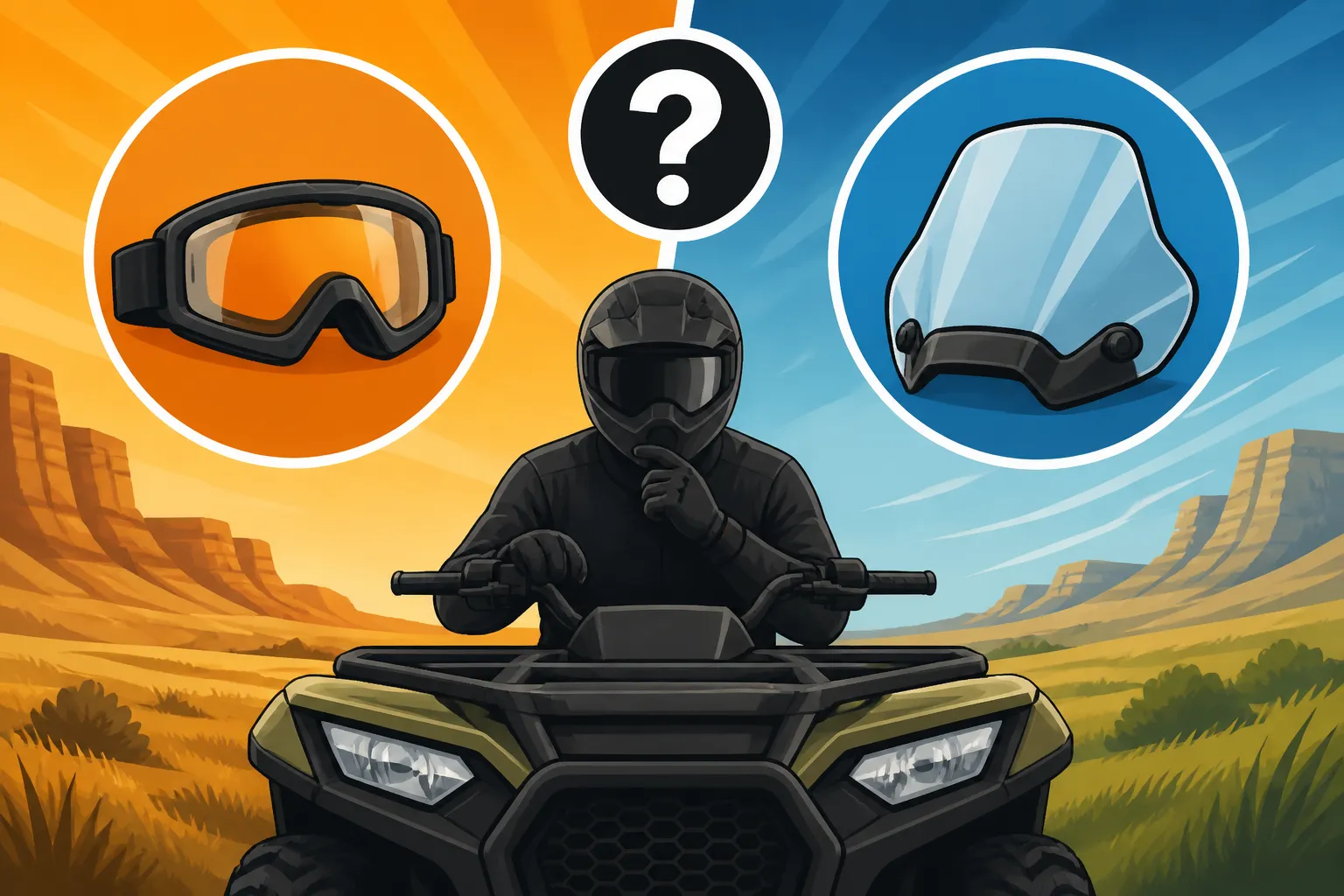
This is where many riders get hung up, and it's a completely fair question. Is a traditional pair of goggles sufficient, or does a UTV's integrated windscreen count? South Dakota's law is quite practical on this front, generally accepting either as valid forms of eye protection, provided they meet certain criteria. The key is that the protection must be effective in preventing foreign objects and wind from impairing the rider's vision.
When Goggles Are the Go-To
For most ATV riders, and many open-air UTVs, goggles are the primary and often preferred method of eye protection. They offer a snug fit, prevent dust and debris from sneaking in, and are designed to withstand impacts. When you're bombing down a gravel road or navigating a tight, dusty trail, a good pair of goggles can be a lifesaver. They often integrate well with helmets, ensuring a complete seal against the elements. If you choose goggles, make sure they are designed for off-road use, offering a wide field of vision, anti-fog properties, and UV protection. Brands like SuperATV offer a range of protective gear, including goggles, that are built to handle the rigors of off-road riding. They are easy to carry and provide reliable protection, whether you're on an older quad or a modern side-by-side.
It's crucial that your goggles are in good condition – no scratched lenses that obscure your vision, and the strap should be secure enough to keep them in place during bumpy rides. A trooper conducting a roadside check, part of [What a South Dakota Trooper Checks Roadside], will be looking for functional and effective eye protection, not just something resting on your helmet.
The Role of a Windscreen in UTVs
For those riding UTVs equipped with a factory or aftermarket windscreen, this typically fulfills the eye protection requirement. The rationale is simple: a properly installed windscreen is designed to deflect wind, dust, and projectiles away from the occupants. This means that if you're behind a full-coverage windscreen, you're considered to have adequate eye protection. However, there are a few important caveats.
Firstly, the windscreen needs to be intact and clear. Cracks, chips, or excessive scratching that impair your vision would negate its effectiveness as eye protection. Secondly, if the windscreen is a half-windscreen or offers incomplete coverage, it might not be considered sufficient on its own, especially at higher speeds or in extremely dusty conditions. In such cases, riders and passengers might still need to wear goggles or glasses. Always err on the side of caution. If there's any doubt, a pair of safety glasses or goggles is a small investment for peace of mind and, more importantly, safety. When you are assessing the [Equipment a South Dakota Road Machine Needs] for plating and road use, the windscreen's condition is a notable factor. Many riders choose aftermarket windscreens, often from companies like SuperATV, which are known for their durability and clear visibility, ensuring they meet the practical and legal requirements.
The Tint Rule: How Dark is Too Dark for Your Eye Protection?
Beyond simply having eye protection, South Dakota also has regulations concerning the tint of the material you use. This is particularly relevant for helmet visors, goggle lenses, and even some aftermarket windscreens. The specific rule, [South Dakota's 35 Percent Tint Rule], states that any material used for eye protection should not have a light transmission of less than 35 percent.
Understanding the 35 Percent Rule
What does "less than 35 percent light transmission" actually mean in practical terms? It means that the material must allow at least 35% of visible light to pass through it. In simpler terms, it can't be too dark. This rule is in place for a very good reason: visibility, especially in varying light conditions. Imagine riding through a deeply shaded forest section, then suddenly emerging into bright sunlight, or vice-versa. If your eye protection is too dark, your eyes won't be able to adjust quickly enough, creating a dangerous situation where you might miss obstacles, other riders, or road signs. This becomes critically important when considering [South Dakota Rules for Riding After Dark], where dark tint becomes a serious hazard.
Tinted visors or goggle lenses that are very dark, often marketed as "smoke" or "iridium" for bright sunny days, might fall outside this 35% threshold. While they're fantastic for cutting glare on a clear, midday ride, they become a liability as dusk approaches or when entering shaded areas. The intent of the law is to ensure that your vision is never unduly compromised by overly dark tinting, which can be as dangerous as no eye protection at all in certain circumstances.
Practical Implications for Riders
So, what does this mean for you when choosing your gear?
- Goggles/Visors: If you primarily ride during the day and in bright conditions, a lightly tinted or clear lens is often your best bet to stay compliant. Some riders opt for photochromatic lenses that adjust to light conditions, offering a versatile solution. If you have a very dark tint, it's wise to carry a clear spare lens or a second pair of goggles for those rides that might extend into the evening or take you through varied lighting.
- Windscreens: While most factory windscreens are clear, some aftermarket options may come with a tint. If you're purchasing a tinted windscreen, especially from a company like SuperATV that offers various options, it's crucial to ensure it complies with the 35% light transmission rule. This often means avoiding very dark "smoke" or "blackout" tints if you intend to use your UTV on public roads or trails.
Ultimately, your safety is paramount. The 35% tint rule isn't just an arbitrary number; it's a safety measure. Always prioritize clear, unimpeded vision, especially when riding in diverse South Dakota environments. The last thing you want is to be caught off guard by a sudden change in light, or worse, to receive a citation because your eye protection was deemed too dark to be safe.
Choosing Your Gear: Practical Tips Beyond the Legal Minimum
Meeting South Dakota's legal requirements for eye protection is your baseline, but truly safe and enjoyable riding often means going above and beyond the minimum. While the law mandates you have some form of eye protection, the quality and type can significantly enhance your experience and safeguard your vision for years to come.
Comfort and Fit Are King
Whether you choose goggles or rely on a windscreen, comfort and fit are paramount. Ill-fitting goggles can chafe, fog up easily, or allow dust to seep in, distracting you from the trail. A poorly installed windscreen might rattle, obstruct your view, or even detach. When it comes to goggles, ensure they fit snugly with your helmet, provide a wide field of vision without distortion, and have good ventilation to prevent fogging. Many riders find that a higher quality goggle with triple-layer foam provides better comfort and a tighter seal against fine dust common on South Dakota trails. [South Dakota Helmet Rules for ATV Riders] also touch on fit, and your goggles should complement your helmet choice.
For windscreens, consider materials like polycarbonate for superior impact resistance over acrylic. A company like SuperATV offers robust windscreens designed for specific machine models, ensuring a precise fit and reliable protection. Also, think about features like quick-release clamps if you anticipate needing to remove it frequently for cleaning or specific riding conditions.
Prepare for the Elements
South Dakota's weather can be unpredictable. A clear, sunny morning can quickly turn into a dusty afternoon or a sudden rain shower.
Here's how to prepare:
- Dust: This is a given on many unpaved roads and trails, especially during dry spells. Goggles with a good seal are essential. If you rely on a windscreen, keep it clean; dust buildup can quickly obscure your view. Consider carrying a small spray bottle of water and a microfiber cloth for quick cleanings on the go.
- Sun: UV protection in your goggle lenses or a UV-resistant coating on your windscreen is crucial for long-term eye health and reducing glare. While the 35% tint rule applies, many clear lenses still offer excellent UV protection.
- Rain/Mud: Anti-fog coatings on goggles are invaluable in wet conditions. For windscreens, hydrophobic treatments can help water bead up and roll off, improving visibility. A working windshield wiper, if your UTV has one, can also make a huge difference.
Regular Inspection and Maintenance
Your eye protection, like all safety gear, needs regular attention. Scratched goggle lenses dramatically reduce visibility and can cause eye strain. If your lenses are deeply scratched, replace them. Goggle foam can degrade over time, leading to a poor seal. Windscreens can accumulate micro-scratches from dust and cleaning, eventually affecting clarity. Inspect your windscreen for cracks or loose mounting hardware.
A well-maintained piece of eye protection ensures not only legal compliance but, more importantly, your sustained ability to safely navigate the beautiful, challenging terrain South Dakota offers. Taking these extra steps beyond the bare minimum ensures you're prepared for anything the ride throws at you, allowing you to fully immerse yourself in the adventure. Whether you're heading out for a day trip or an extended journey such as [Riding the Black Hills for a Week], your eye protection is a critical component of your overall safety strategy.
Frequently Asked Questions About South Dakota Eye Protection
Navigating the specifics of off-road vehicle regulations can sometimes feel like a maze, and eye protection is no exception. Here are some of the common questions riders have, offering clarity to ensure you're always prepared and compliant.
Do passengers need eye protection in South Dakota?
Yes, if the operator is required to wear eye protection, then any passenger riding in a position that exposes them to similar risks (wind, debris, etc.) must also wear appropriate eye protection. This rule applies equally to operators and passengers to ensure everyone's safety on public lands, roads, and trails. If you're riding a side-by-side with a full windshield, the passengers behind it are generally covered, but in open-air setups or when the windshield is compromised, everyone needs protection.
Is clear safety glasses sufficient eye protection?
Generally, yes, clear safety glasses with side protection are considered sufficient eye protection under South Dakota law. They must be impact-resistant and designed to protect against flying debris and wind. However, while legally sufficient, they might not offer the same level of dust protection or field of view as dedicated off-road goggles, especially in very dusty or high-speed conditions. Always consider the riding environment when choosing your gear; what's legal isn't always optimal for comfort or advanced protection.
Are sunglasses considered eye protection?
Standard sunglasses, while providing UV protection and reducing glare, often do not meet the legal requirements for eye protection. They typically lack the impact resistance, full wrap-around coverage, or secure fit needed to adequately protect against debris, dust, and wind at off-road speeds. If you choose to wear sunglasses, they should be specifically rated as safety glasses, offering ANSI Z87.1 certification for impact resistance, and provide side protection. Even then, you still need to be mindful of [South Dakota's 35 Percent Tint Rule] if the sunglasses are darkly tinted. For serious off-road riding, dedicated goggles or a clear, safety-rated visor is almost always a better and safer choice.
What if my machine has doors? Do I still need eye protection?
Even if your UTV has full doors, eye protection is still generally required unless your machine is fully enclosed with a complete roof and a full, functioning windshield that provides adequate protection from wind and debris. Doors protect your lower body, but your face and eyes remain exposed to the elements without proper eye protection or a comprehensive enclosure. Think about what truly shields your eyes from the dust, bugs, and other things you might encounter on the trail or road. The presence of doors does not negate the need for eye protection for occupants.
Can I get fined for not wearing eye protection?
Absolutely. Not complying with South Dakota's eye protection laws can result in a citation and associated fines. Law enforcement officers, as part of their routine checks, will verify that riders and passengers are using appropriate eye protection. The penalties can vary, but it's an unnecessary expense and a blot on your riding record, not to mention the risk you take with your vision. Compliance is simple and far less costly than a ticket or, worse, an eye injury. Understanding [South Dakota Fines for Illegal ATV Road Use] includes knowing all the equipment requirements.
Does the rule apply to private land?
South Dakota's specific eye protection laws generally apply to public roads, trails, and public riding areas. When riding on private land, the state's statutes may not directly enforce these specific equipment rules. However, landowners can set their own rules for safety. More importantly, regardless of the legal mandate, the reasons for wearing eye protection (protection from dust, debris, wind, and impacts) remain just as valid on private property. Always prioritize your safety and wear appropriate eye protection, even when the law isn't strictly compelling you to do so on private ground.
| Eye Protection Type | South Dakota Legal Status | Key Considerations | When It's Best Suited |
|---|---|---|---|
| Off-Road Goggles | Generally Accepted | Secure fit with helmet, impact-resistant, anti-fog, UV protection. Must meet tint rule. | ATVs, open-cockpit UTVs, dusty or technical trails. |
| Full Windscreen | Generally Accepted (for UTVs) | Clear, intact, full coverage. No significant cracks/scratches. Must meet tint rule. | UTVs with enclosed or semi-enclosed cabins, less dusty conditions. |
| Clear Safety Glasses | Legally Sufficient | Impact-resistant (ANSI Z87.1), side protection. | Less dusty rides, secondary protection, or under a half-windscreen. |
| Tinted Sunglasses | Generally NOT Sufficient | Lacks full coverage, impact resistance. May violate tint rule. | Not recommended as primary eye protection. |
| Helmet Visor (Integrated) | Generally Accepted | Clear, impact-resistant, anti-fog. Must meet tint rule. | Helmets with integrated visors, often used in conjunction with goggles for dust. |
Disclaimer
This article is for general informational purposes only and does not constitute professional advice. Laws, prices and regulations vary by location and change over time. Consult a qualified professional for guidance on your specific situation.