Riding GFP Ground Outside a Designated Area
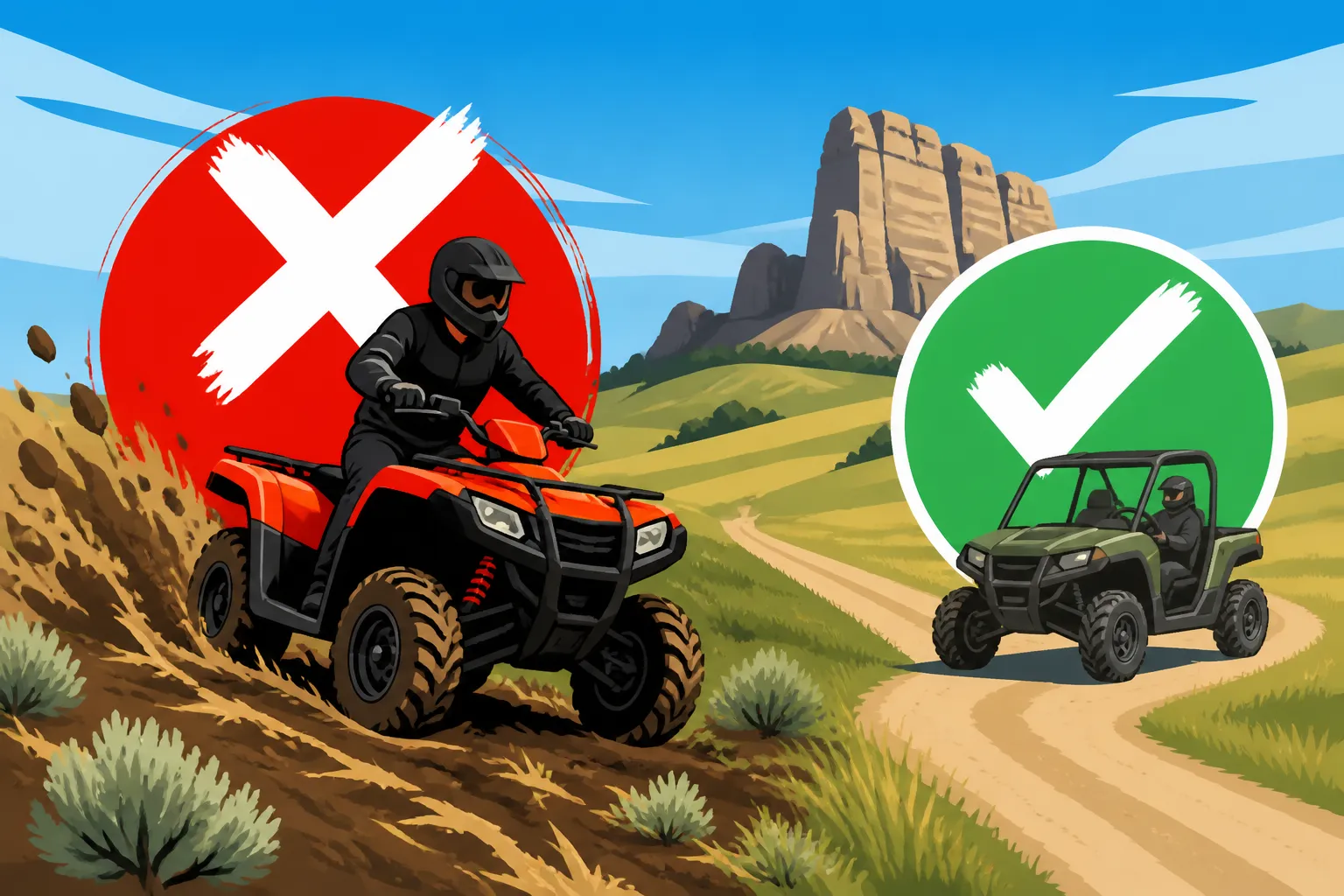
It’s a common scenario: you’ve got your ATV or UTV all prepped, the sun is shining, and you're itching to explore some of South Dakota's beautiful natural landscapes. You know a lot of that land is managed by the Department of Game, Fish and Parks (GFP), and it's easy to assume that open spaces mean open season for riding. However, trying to navigate GFP ground outside of very specific, designated areas with your off-road vehicle can lead to confusion, frustration, and even legal trouble. This guide is here to cut through the guesswork, clarify exactly where you can and cannot ride on GFP land, and explain why those rules are so crucial for everyone.
Understanding South Dakota GFP Land Access for ATVs and UTVs
South Dakota's Game, Fish and Parks manages a vast array of public lands, from state parks and recreation areas to public hunting lands and game production areas. These lands are invaluable resources, offering opportunities for hunting, fishing, hiking, camping, and wildlife viewing. Because these areas serve multiple purposes and protect sensitive ecosystems, access for motorized vehicles, including ATVs and UTVs, is carefully controlled. It's not about being exclusive; it's about responsible management and ensuring the longevity of these precious natural spaces for all users.
What "Designated Area" Really Means for OHVs
When the GFP talks about "designated areas" for Off-Highway Vehicles (OHVs), they're not talking about any random two-track or open field you might spot. They mean very specific locations that have been explicitly identified, marked, and prepared for ATV and UTV use. These areas are usually purpose-built or clearly delineated to handle the impact of motorized recreation without undue damage to the environment or conflict with other users.
Think of it like a carefully managed garden: certain paths are designed for walking, while others are off-limits to protect delicate plants. Similarly, GFP lands are managed with specific zones for specific activities. If an area isn't clearly signed or mapped as an OHV trail or riding park, the default assumption should always be that motorized vehicle use is prohibited. This helps prevent accidental trespassing and environmental harm, keeping both you and the landscape safe.
The Importance of Official Maps and Signage
Relying on hearsay or what "looks" like a good spot to ride is a recipe for disaster on GFP land. The official word comes from official sources. This means before you even load your machine, you should be consulting current, official GFP maps, which are typically available on their website, at park offices, or through their online mapping tools. These maps will clearly indicate any motorized trails or designated riding areas.
Beyond maps, on-the-ground signage is paramount. Look for posted signs at trailheads, entry points, and along boundaries. These signs are your primary indicators of where you can and cannot go. If you see signs restricting motorized vehicle use, or if there are no signs indicating it's an OHV-friendly zone, then it's safe to assume you should not be riding your ATV or UTV there. A little proactive research and attention to signage can save you a lot of grief and potential fines.
Why Restrictions Exist: Conservation and Safety
It's easy to feel frustrated by restrictions, especially when you just want to get out and ride. However, the rules regarding ATV and UTV use on GFP land are in place for very good reasons, primarily focused on conservation and public safety. Off-road vehicles can have a significant impact on fragile ecosystems. They can cause soil erosion, disturb wildlife, spread invasive plant species, and damage vegetation. These lands are often vital habitats for various animals and plants, and uncontrolled vehicle use could quickly degrade these areas.
From a safety standpoint, restricting OHV use in non-designated areas helps prevent conflicts with other user groups, such as hikers, birdwatchers, hunters, and anglers, who are enjoying the peace and quiet of nature. It also reduces the risk of accidents in areas not designed for high-speed or heavy vehicle traffic. By adhering to these restrictions, we're not just following rules; we're contributing to the preservation of South Dakota's natural beauty and ensuring a safe, enjoyable experience for everyone who visits these cherished public lands.
Where You Can Ride on GFP Land and What It Entails
While the general rule is that you can't just ride anywhere on GFP land, there are indeed specific places where ATVs and UTVs are not only welcome but encouraged. These designated areas are managed to provide excellent riding experiences while minimizing environmental impact and user conflict. Knowing these spots and understanding their specific rules is key to responsible recreation.
Known OHV Areas: Oahe Downstream and Revheim Bay
South Dakota proudly offers a couple of dedicated OHV areas managed by the GFP where you can truly let loose with your ATV or UTV. These are the [Oahe Downstream OHV Area in South Dakota] near Pierre and the [Revheim Bay OHV Area] located close by. The Oahe Downstream area boasts a mix of bluffs and shale, providing a challenging and varied terrain that riders often seek out. It's a fantastic place to test your machine's capabilities and enjoy some thrilling off-road action.
Revheim Bay, on the other hand, offers a mile-long track designed for riders looking for a more structured, motocross-style experience. Both of these locations are purpose-built for OHV recreation, meaning the infrastructure and management are geared towards supporting your ride. Crucially, in these specific GFP-managed OHV areas, you generally won't need a separate park entrance license for your vehicle itself, as the riding area permit covers access. For example, you might be pleased to know [Why No Park License Is Needed Inside One] of these areas, though standard fees may apply for camping or other amenities. Also, for the machines themselves, typically [Why No Plate Is Needed Inside a GFP Area] dedicated to OHV riding, as long as you're staying within the boundaries.
Limited Access for Specific Activities Hunting/Retrieval
Beyond designated OHV parks, there are very limited circumstances where motorized vehicles might be permitted on other GFP lands, and these are almost exclusively tied to specific activities, not recreational riding. The most common exception involves hunting. During certain hunting seasons, and often with specific permits or adherence to strict guidelines, ATVs and UTVs might be allowed for game retrieval. This means using your machine to haul out a harvested animal, not to cruise around looking for game or for general exploration.
These rules are often very precise, dictating which roads or two-tracks can be used and prohibiting off-trail travel. It's never about joyriding; it's about facilitating a legal hunting activity under controlled conditions. Always check the specific hunting regulations for the area you intend to hunt in, as rules can vary. The [South Dakota Rules for Retrieving Game by ATV] are quite clear that this is a functional use, not a recreational one, and it's heavily regulated to prevent abuse and protect wildlife habitats.
The Role of Roads and Section Lines within GFP Areas
Here’s where it can get a little nuanced: if a public road, such as a county road or a state highway, passes through GFP managed land, the rules that apply to that road generally remain in effect. This means if your ATV or UTV is street-legal and properly licensed for road use in South Dakota, you can typically use these public roads within a GFP boundary just as you would any other public road. However, this is a very important distinction: you are on the road, not on the GFP property adjacent to it.
The moment you leave that public road and venture onto the GFP's un-designated property, you are subject to the GFP's off-road vehicle restrictions. So, while you might be able to ride your [South Dakota Street Legal ATV Requirements] machine on a gravel section line that cuts through a Game Production Area, you cannot pull off that section line and start riding through the fields or wooded areas. The rules for [South Dakota Rules for Riding a Section Line] apply to the right-of-way itself, not the land it bisects if that land is GFP property. Always be vigilant about distinguishing between public roads and the managed lands they may traverse.
The Risks and Consequences of Unauthorized Riding
The temptation to explore off the beaten path can be strong, especially when you see what looks like an inviting trail or open space. However, riding your ATV or UTV on GFP land outside of designated areas carries significant risks—risks not only for you but for the environment and for the future of OHV access in South Dakota. These aren't just minor inconveniences; they can lead to serious legal and financial repercussions, as well as irreparable damage to our natural resources.
Legal Penalties for Trespassing and Off-Route Riding
Ignoring signage or venturing off designated trails on GFP land can quickly turn a fun day into a costly one. GFP enforcement officers and other law enforcement personnel regularly patrol these areas, especially during peak seasons. If you're caught riding where you shouldn't be, you could face citations for trespassing, illegal off-road vehicle use, or other related offenses. These citations often come with hefty fines that can quickly add up, making that unauthorized ride a very expensive memory.
Beyond monetary penalties, authorities have the power to impound your machine, requiring you to pay towing and storage fees to retrieve it. In some cases, repeated offenses or significant environmental damage could even lead to your being banned from GFP lands entirely. While the specifics might differ from [South Dakota Fines for Illegal ATV Road Use], the principle of penalties for unauthorized use is very much the same. If you are riding on trails where a permit is required but don't have one, you could also face [South Dakota Fines for No Trail Permit], even if the trail is technically designated. These are not minor slaps on the wrist; they are serious consequences designed to deter unauthorized activity and protect public resources.
Environmental Damage and Its Impact
One of the primary reasons for strict regulations on GFP land is the potential for significant environmental damage caused by unauthorized off-road vehicle use. Even a single pass with an ATV or UTV in a sensitive area can have long-lasting effects. Machines can compact soil, making it difficult for plants to grow and increasing runoff during rain, leading to erosion. Tires can churn up fragile vegetation, destroy wildlife habitats, and create ruts that scar the landscape.
Furthermore, off-road vehicles can easily spread invasive species. Seeds, spores, and even small plant fragments can hitch a ride on tires and undercarriages, introducing non-native species to new areas where they can outcompete native plants and disrupt ecosystems. The noise and presence of vehicles can also stress wildlife, disrupting breeding patterns and feeding behaviors. This damage not only degrades the natural beauty of these lands but also impacts the long-term health of the environment, affecting everything from water quality to biodiversity.
Maintaining Access: Why Rules Matter for All Riders
Every time an ATV or UTV rider goes off-trail or enters a prohibited area, it puts the broader OHV community at risk of losing access. When environmental damage occurs, or conflicts arise with other user groups, the natural response from land managers is often to implement stricter rules, close more areas, or even ban motorized vehicles altogether. This isn't just a punishment for the individual offender; it's a consequence that impacts all responsible riders who cherish the opportunity to enjoy South Dakota's trails and designated areas.
The actions of a few irresponsible riders can unfortunately lead to broader restrictions for everyone. By understanding and respecting the rules, staying on designated trails, and being mindful of your impact, you are actively helping to preserve and expand access for ATVs and UTVs across the state. Advocating for responsible use, supporting conservation efforts, and educating fellow riders are all crucial steps in ensuring that South Dakota's beautiful landscapes remain open and accessible for future generations of off-road enthusiasts.
How to Be a Responsible Rider on South Dakota GFP Lands
Being a responsible ATV or UTV rider on South Dakota GFP lands isn't just about avoiding fines; it's about being a good steward of our shared natural resources and ensuring that these beautiful areas remain open for everyone to enjoy. It requires a proactive approach, respect for the rules, and a commitment to minimizing your environmental footprint.
Always "Know Before You Go"
The golden rule for riding on any public land, especially GFP areas, is "Know Before You Go." Never assume that an area is open to motorized vehicles unless you have explicitly verified it. This means making a quick call to the local GFP office, checking their official website for maps and regulations, or stopping at a visitor center. Don't rely on outdated information from friends, old internet forums, or generic mapping apps that might not reflect current land use policies.
Laws and regulations can change, and what was open last year might be closed this year due to environmental concerns, nesting seasons, or new management plans. Taking a few minutes to confirm the current status of an area can prevent hours of frustration, potential fines, and unwanted environmental impact. A little preparation goes a long way in ensuring a legal and enjoyable ride.
Respect Signage and Boundaries
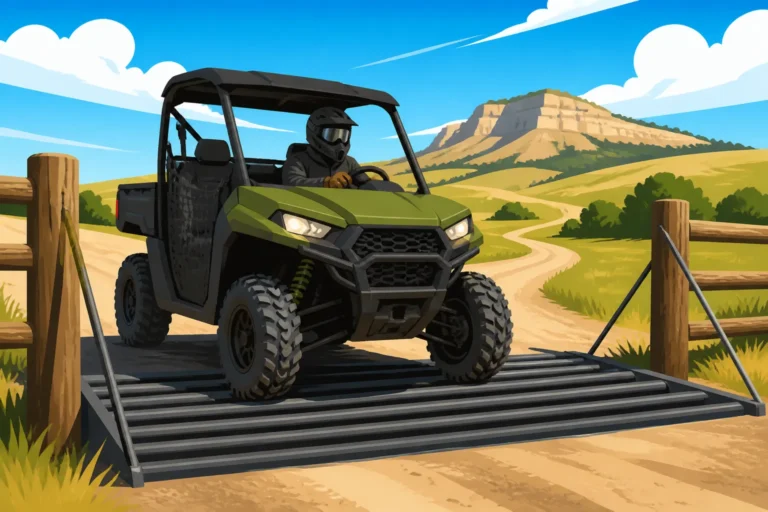
Once you're on the ground, your primary guide should be the posted signage. Obey all signs, gates, and boundary markers without question. If a sign indicates "No Motorized Vehicles," it means exactly that. If a gate is closed, even if it looks like a passable road beyond it, respect the closure. These signs and barriers are there for specific reasons, often to protect sensitive habitats, private property, or to manage specific resources.
It’s tempting to think you might know better, or that "just this once" won't hurt, but ignoring these markers undermines the entire system of land management. It also sets a poor example for other users and can contribute to a negative perception of ATV and UTV riders. Your respect for these clear boundaries directly contributes to the sustainability of public land access for everyone.
Equip Your Machine Appropriately (where allowed)
When you are riding in designated OHV areas on GFP land, or on public roads where your machine is street legal, ensuring your ATV or UTV is properly equipped and maintained is crucial. This isn't just for performance; it’s for safety and environmental protection. For instance, most designated riding areas and any off-road machine used on public lands (if street-legal) will require a working spark arrester. [South Dakota Spark Arrester Rules] are in place to prevent wildfires, a critical concern in dry South Dakota landscapes.
Beyond spark arresters, ensure your machine is in good working order to prevent fluid leaks or breakdowns that could litter the landscape. Consider upgrading certain components for durability and reliability. Reputable brands like SuperATV offer a wide range of aftermarket parts, from heavy-duty axles and lift kits to winches and skid plates, that can enhance your machine's capability and help it withstand the rigors of legal off-road use. Preparing your machine not only improves your experience but also minimizes your environmental impact.
Exploring Alternatives for Off-Road Fun
If you find that the GFP land you were hoping to explore isn't open to ATVs or UTVs, don't despair! South Dakota still offers fantastic opportunities for off-road recreation. The Black Hills National Forest, for example, boasts thousands of miles of roads and trails specifically designated for motorized use. This federal land is managed differently from GFP land and often provides a much wider array of riding options for all skill levels. You can find out more about these opportunities in resources like [Where to Ride an ATV in South Dakota].
Another excellent option is to seek permission to ride on private land. Many ranchers and private landowners are open to allowing responsible riders on their property, especially if you establish a good relationship and respect their rules. Always get explicit, preferably written, permission before entering private property. This approach ensures you're riding legally and often opens up unique riding experiences you wouldn't find on public lands. For more details on this, check out [South Dakota Rules for Riding Private Land]. By exploring these alternatives, you can continue to enjoy your ATV or UTV responsibly without encroaching on restricted GFP areas.
| Feature | Designated GFP OHV Areas (e.g., Oahe, Revheim Bay) | General GFP Land (e.g., State Parks, Game Production Areas) |
|---|---|---|
| ATV/UTV Use | Explicitly permitted and encouraged | Generally prohibited off public roads |
| Primary Purpose | Recreational OHV riding | Conservation, hunting, fishing, hiking, camping, wildlife |
| Required Permit | None beyond general OHV area use/machine purchase (no park entrance license usually needed for riding itself) | N/A (as OHV use is restricted); standard park entrance license for other activities |
| Signage | Clearly marked trails, boundaries, and rules | Signs prohibiting motorized vehicles or no OHV-specific signs |
| Environmental Impact Management | Areas designed to withstand OHV impact | Focus on protecting fragile habitats from motorized impact |
| Exceptions | None, designed for OHV use | Limited exceptions for specific, regulated activities like game retrieval |
Disclaimer
This article is for general informational purposes only and does not constitute professional advice. Laws, prices and regulations vary by location and change over time. Consult a qualified professional for guidance on your specific situation.