Titling a Machine Bought Privately in South Dakota
Buying an off-road vehicle (ORV) from a private seller in South Dakota can feel like a straightforward deal at first – you find the perfect ATV or UTV, shake hands, exchange cash, and you're ready to hit the trails, right? Not so fast! Many folks overlook the critical step of properly titling that machine in their name, which can lead to headaches down the road. This guide is here to unravel the mysteries of titling a privately purchased ATV or UTV in South Dakota, ensuring you avoid penalties, prove ownership, and can ride with peace of mind.
Understanding the South Dakota Titling Landscape for Private Sales
When you buy a used ATV or UTV from an individual, it’s a different ballgame than purchasing from a dealership. There's no sales team to handle the paperwork for you, and the responsibility falls squarely on your shoulders. It’s easy to feel overwhelmed by the process, especially if you’re new to the world of off-road vehicles or if you’ve recently moved to the state. But taking the time to understand the requirements upfront will save you a lot of grief later.
Why Titling Matters, Even for Off-Roaders
You might be thinking, "It's just an off-road vehicle, I'm not putting a license plate on it, so why do I need a title?" This is a common misconception, and honestly, one that can cause a lot of problems. A title isn't just for street-legal vehicles; it is the fundamental legal document that proves you are the rightful owner of that ATV or UTV. Without a title in your name, you essentially don't have clear ownership.
Imagine trying to sell the machine down the line. If you can't provide a properly transferred title, most savvy buyers will walk away, or offer you significantly less because they know they’ll face the same titling hurdles. Or, even worse, what if your pride and joy is stolen? Without a title proving it's yours, law enforcement can have a much harder time recovering it for you, and insurance claims can become a nightmare. Getting the title in your name is a crucial layer of protection for your investment.
The Role of the County Treasurer
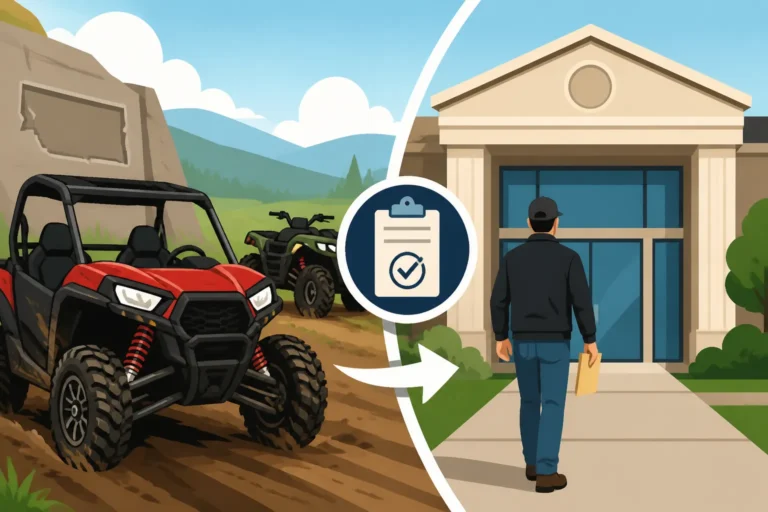
Unlike many states where you might visit a centralized Department of Motor Vehicles (DMV) or equivalent state agency for vehicle titling, South Dakota handles these transactions at the county level. This often surprises people, especially those moving from larger states with a more centralized system. So, when it comes to titling your privately purchased ORV, your destination isn't a state office, but rather your local County Treasurer's office.
Each county in South Dakota has its own Treasurer's office, and these are the folks who will process your title application, collect fees, and ultimately issue your new title. While the basic rules are state-mandated, the experience can vary slightly from one county to another, often depending on how busy they are or how many staff they have. Patience and preparation are your best friends here. For a deeper dive into why this system is in place, you can check out [Why a County Treasurer Handles South Dakota Titles].
What South Dakota Counts as an ORV
Before you even worry about the paperwork, it’s good to know if your specific machine falls under South Dakota's definition of an "off-road vehicle" (ORV) for titling purposes. Generally, this includes ATVs (All-Terrain Vehicles) and UTVs (Utility Terrain Vehicles), often referred to as side-by-sides. These are typically designed for off-highway use, have four or more wheels, and are not primarily intended for street use.
The state's definition is pretty broad and aims to encompass most machines you'd take off-pavement for recreation, hunting, or work. Understanding this definition is important because it dictates which titling rules apply to your machine. If you're unsure if your specific vehicle qualifies, it's always best to check with your County Treasurer's office or review the state statutes. To learn more about what counts, take a look at [What South Dakota Counts as an Off-Road Vehicle].
Gathering Your Paperwork: What You Need from the Seller
This is where the rubber meets the road when buying privately. The seller is your primary source for the documents you need to successfully title the machine in your name. Without the correct paperwork from them, your journey to the County Treasurer’s office will likely end in frustration and a request to go back and get more information. Don’t be afraid to ask the seller for everything you need before you finalize the purchase. It's your right as the buyer to ensure a smooth transfer of ownership.
The Signed-Over Title: The Cornerstone of Ownership
The absolute most critical piece of paper you need from the seller is the original title to the ATV or UTV. This document must be physically handed over to you, and it needs to be properly signed over by the seller. Look for designated areas on the title for the seller's signature, printed name, the date of sale, and the selling price. Ensure all fields are filled out completely and legibly.
A "clean" title means there are no active liens listed on it. If there is a lienholder (like a bank or credit union) listed, that lien must be officially released by the lienholder before the seller can legally transfer the title to you. This is a huge red flag if not handled properly, so always confirm there are no outstanding liens. If you encounter a machine with a lien, you'll need to know the specific steps for [Titling a Machine With a Lien in South Dakota]. Without a properly signed-over original title, the County Treasurer cannot process your request, period.
The Bill of Sale: Your Proof of Transaction
While the title itself usually has space for the sale price, a separate, detailed bill of sale is always a good idea, even if it's not strictly required by every County Treasurer for titling. Think of it as your extra layer of protection and proof. This document should clearly state the buyer's name and address, the seller's name and address, the date of sale, the exact purchase price, and a full description of the ATV or UTV, including its make, model, year, and most importantly, its Vehicle Identification Number (VIN).
A well-crafted bill of sale helps prevent disputes later and provides concrete proof of the transaction terms. It can also be invaluable if there's ever a question about the purchase price when calculating excise tax. Resources like LawDepot offer templates for bills of sale that can help both buyer and seller ensure all the necessary details are included, making for a smoother transaction. A good bill of sale protects both parties and makes the titling process much clearer. For specific South Dakota requirements, check out [A South Dakota Bill of Sale for an ORV].
Proof of Purchase Price and Tax Implications
The purchase price listed on your bill of sale (or the title itself, if no separate bill is used) is extremely important because it's what the South Dakota Department of Revenue will use to calculate your excise tax. South Dakota levies a 4 percent excise tax on the purchase price of vehicles, including ATVs and UTVs. This tax is due at the time of titling, and it’s typically one of the larger costs associated with the process.
It’s crucial that the price you list is accurate and reflects the actual amount you paid. Understating the price to avoid tax can lead to penalties if discovered, and overstating it means you pay more tax than necessary. Be honest and transparent. The County Treasurer's office will review this information carefully. Understanding the specifics of this tax is important, so read more about [South Dakota's 4 Percent Excise Tax].
Checking the VIN Before a South Dakota Purchase
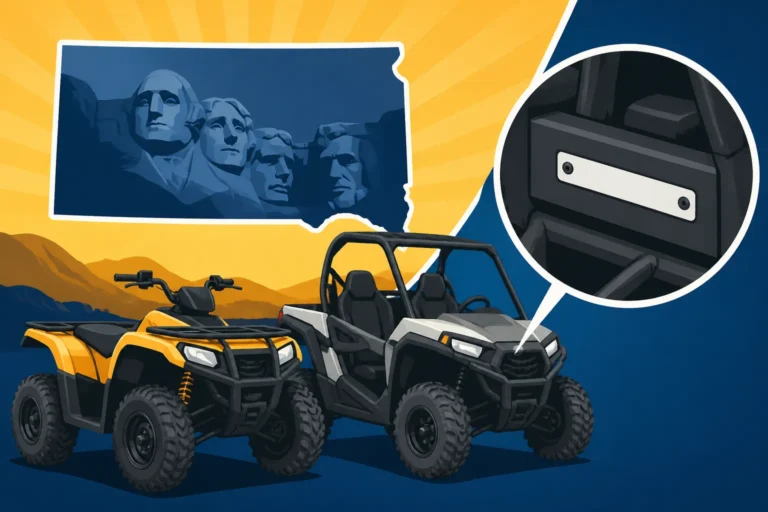
Before you hand over any cash, and certainly before you leave with the machine, perform a thorough VIN check. The Vehicle Identification Number is like the ORV's fingerprint – unique to that specific machine. You need to physically locate the VIN on the ATV or UTV itself and compare it character for character with the VIN listed on the title and on your bill of sale.
Why is this so important? Because discrepancies can indicate a stolen vehicle, a fraudulent title, or simply a clerical error that will cause you immense headaches at the Treasurer's office. If the numbers don't match, do not proceed with the purchase until the seller can explain and rectify the discrepancy. This simple step can save you from buying a machine you can never legally title. For more guidance on this vital check, see [Checking a VIN Before a South Dakota Purchase].
Here’s a quick checklist of what you should aim to collect from the seller:
| Document | Purpose | Key Details to Verify |
|---|---|---|
| Original Title Certificate | Legal proof of ownership, transferred to you. | Seller's signature, printed name, date of sale, purchase price, odometer reading (if applicable), no active liens, correct VIN. |
| Bill of Sale | Detailed record of transaction, price verification, buyer/seller info. | Buyer/seller names and addresses, date, purchase price, detailed ORV description (make, model, year, VIN). |
| Lien Release (if applicable) | Confirms any previous loans on the ORV have been paid off. | Official document from the lienholder stating the lien is satisfied. |
| Odometer Disclosure | Required for some vehicles, even ORVs if specified. | Accurate mileage reading, signed by seller, transferred to buyer. (Less common for pure ORVs but good to confirm). |
Your Trip to the County Treasurer's Office
With all your paperwork meticulously gathered and reviewed, it’s time for the final step: a visit to your local County Treasurer's office. This is where you’ll officially submit your documents, pay the necessary fees, and initiate the process of getting a new title issued in your name. While it might seem intimidating, being prepared and understanding what to expect will make the experience much smoother.
The Application Process
When you arrive at the County Treasurer's office, you’ll need to complete the South Dakota Title and Registration Application. This form asks for all the pertinent information about you (the new owner) and the ATV or UTV. You’ll enter details like your name, address, the vehicle's VIN, make, model, year, and the purchase price. Some counties might have this form available online for you to print and fill out in advance, which can save you time at the office.
Take your time filling out the application, ensuring all information matches the title and bill of sale you've brought with you. Any discrepancies could cause delays. The staff at the Treasurer's office are there to help if you have questions about specific fields, so don't hesitate to ask for clarification. This application is the official record of your request for a new title. For details on this form, refer to [South Dakota's Title and Registration Application].
Fees You'll Encounter
Titling an ATV or UTV in South Dakota involves a few different fees, which are generally collected all at once at the County Treasurer’s office. It's a good idea to call ahead or check your county's website for acceptable payment methods (cash, check, credit/debit card). The primary costs you’ll face include:
- Title Fee: There's a set fee for issuing a new title in your name.
- Excise Tax: As mentioned before, this is 4 percent of the purchase price you declared. This can be the largest chunk of change.
- Technology Fee: South Dakota also includes a small technology fee on titles. This often applies to most vehicle transactions. For more on this, consider [South Dakota's $2 Technology Fee].
- Lien Notation Fee (if applicable): If you're financing your purchase and there's a lienholder involved, there will be an additional fee to record that lien on the title.
While the exact dollar amounts can change, these are the main categories of fees you should budget for. It's always wise to contact your specific County Treasurer's office for the most current fee schedule before you go. To get a general idea of the overall cost, you might find [South Dakota ATV Title Cost] helpful.
The Forty-Five Day Deadline (and Penalties)
This is a critical piece of information that many new ORV owners overlook, often to their financial detriment. South Dakota law requires you to title your newly purchased ATV or UTV within 45 days of the purchase date. This deadline starts ticking the moment you buy the machine, not when you get around to it. Failing to meet this deadline results in penalties.
If you miss the 45-day window, you'll incur a penalty of 1 percent of the excise tax due for each month or part of a month that you're late. This can quickly add up, turning a manageable tax into a more significant burden. And if you wait 60 days or more, there’s an additional 10 percent penalty on top of the monthly fees. Don’t let a simple delay cost you extra money! Mark your calendar and make that appointment. Learn more about avoiding these charges by reading [South Dakota's Forty-Five Day Title Deadline] and [South Dakota's 1 Percent a Month Penalty].
What to Expect and Common Pitfalls
When you visit the County Treasurer's office, be prepared for some questions. They'll verify your identification, review all your documents, and calculate your fees. Bring your driver's license or state ID. If you’re an out-of-state resident buying an ORV in South Dakota, the process is largely the same, but there might be additional considerations or fees, so it’s always best to clarify your specific situation with the Treasurer’s office beforehand. [What an Out-of-State Owner Pays to Title in South Dakota] might offer more context.
Common pitfalls include missing signatures, incorrect VINs, or an incomplete bill of sale. Sometimes, if the purchase price seems unusually low, they might ask for additional documentation to verify the transaction. Try to go during less busy times, like mid-morning or mid-afternoon on a Tuesday or Wednesday, to potentially avoid long waits. Most importantly, ensure you have the original title and all supporting documents. Copies generally won’t cut it. Once processed, your new title will typically be mailed to you within a few weeks, though processing times can vary by county.
Disclaimer
This article is for general informational purposes only and does not constitute professional advice. Laws, prices and regulations vary by location and change over time. Consult a qualified professional for guidance on your specific situation.