South Dakota Rules for an Electric Machine on a Road
Trying to figure out where your electric ATV or UTV can legally roll on South Dakota's roads can feel like deciphering an ancient scroll. With the rise of quiet, powerful electric off-road machines, many riders are left scratching their heads, wondering if the same rules apply to their battery-powered beast as they do to a gas-guzzling quad. This guide aims to unravel that confusion, laying out the specific regulations that govern electric off-road vehicles on the state's public roads, helping you navigate the asphalt and ditches with confidence.
How South Dakota Defines an Off-Road Vehicle for Road Use
When you start talking about driving an ATV or UTV on public roads in South Dakota, the first thing to understand is how the state generally defines an Off-Road Vehicle (ORV) and how that definition applies to electric machines. It can feel like the rulebook was written before electric options were a twinkle in anyone's eye, but thankfully, the state's framework is robust enough to include them. The crucial thing to remember is that an electric motor doesn't automatically grant you special privileges or, conversely, exclude you from existing regulations.
South Dakota broadly defines an ORV as any motor vehicle designed for or capable of travel over unimproved terrain, which includes the vast majority of ATVs, UTVs, and side-by-sides, whether they run on gasoline or electricity. The state isn't particularly concerned with the fuel source when it comes to the design and capability of the machine. If it looks like an ORV and acts like an ORV, it's generally treated as such. This means that your silent, emission-free electric machine is still an ORV in the eyes of the law, subject to many of the same titling, plating, and operating requirements as its gas-powered counterparts.
The distinction between different types of ORVs, and how they qualify for road use, often boils down to factors like engine size for gas machines, or equivalent power for electric, and overall dimensions and weight. For electric machines, since there isn't a traditional "cubic centimeter" displacement, the state generally looks at how it fits into the broader ORV category. It's about ensuring all machines meet basic safety and identification standards if they're to share public thoroughfares, regardless of how they're propelled. This foundational understanding is key to unlocking the rest of the road-use rules.
Plating Your Electric Machine for South Dakota Road Use
Now, this is where things get really interesting for electric machine owners. Getting a plate for your ORV in South Dakota is the golden ticket to riding on many public roads and ditches, but the requirements can seem tailored for internal combustion engines. Don't worry, your electric machine can absolutely be plated, but you need to understand how the existing rules are interpreted. Many riders fret that their electric motor, lacking a cubic centimeter rating, will disqualify them, but that's not the case.
The common requirement for a gas-powered ATV or UTV to be plated as a motorcycle in South Dakota is an engine displacement of 200 cubic centimeters (cc) or more. For a two-wheeled dirt bike, it's 120cc. But what about an electric machine that doesn't have a combustion engine at all? This is a point of frequent confusion for owners. The state's intent is to ensure that only machines powerful enough to safely operate in traffic, or at least keep pace on lower-speed roads, are granted road access. For electric vehicles, this typically means they assess the machine's overall power and performance characteristics to determine if it meets the spirit of the "200cc threshold."
Essentially, if your electric ATV or UTV is comparable in power and performance to a gas machine that would qualify for a plate, it should be eligible. You won't be expected to convert watts into an imaginary cubic centimeter figure. Instead, focus on the machine's capabilities. If it's a full-sized, capable off-road vehicle, it's likely going to pass muster. The key is that it's not a miniature youth model or a low-speed utility cart. This is also where checking directly with your county treasurer's office for their specific guidance on [How the Engine Size Rule Applies to Electric ATVs] becomes invaluable, as they are the ones handling the paperwork.
Once your electric machine clears the power hurdle, it still needs to be equipped for road safety. Just like any gas-powered vehicle, it must have specific equipment to qualify for a South Dakota motorcycle plate. This isn't just about ticking boxes; it's about making your machine visible and controllable on public roads. You'll need at least one rear-view mirror, a functional horn, and proper lighting including headlights and brake lights. [South Dakota Equipment List for Road Use] details all these requirements. You might find yourself needing to add aftermarket parts, and companies like SuperATV offer a range of universal mirrors, horns, and lighting kits that can help bring your electric ORV into compliance. It's about ensuring your silent ride is also a safe one for you and everyone else on the road.
Ditch Riding Rules for Electric Off-Road Machines
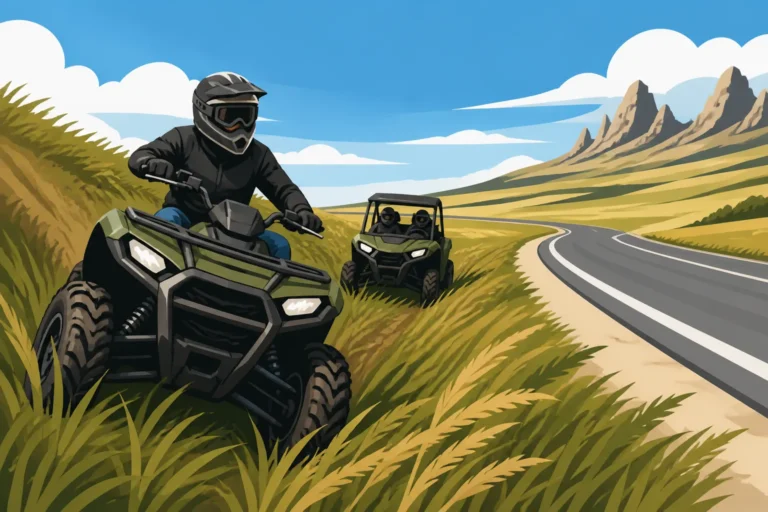
South Dakota is famous for its ditch riding laws, allowing ORVs access to the ditches alongside many public roads. For electric machine owners, this opens up a whole new world of exploration right off the beaten path, but it also comes with its own set of considerations. The general rules for ditch riding apply uniformly, whether your machine hums or roars, but the unique characteristics of an electric ORV can affect how you experience and navigate these areas.
First, let's be clear: if your electric ATV or UTV is properly plated, it's generally allowed to use highway ditches just like any other plated ORV, provided the county hasn't opted out of ditch riding. [South Dakota Ditch Riding Rules] cover the specifics, such as needing to stay on the outer edge, avoiding snowmobile or bike trails in ditches, and not being allowed on interstate ditches. The fact that your machine is electric doesn't change these fundamental rules. You'll still need to be aware of the minimum age for riders in ditches and adhere to any local ordinances.
However, the quiet nature of electric machines introduces a unique factor into ditch riding. While the silence is often a huge draw for riders, it can also pose a safety challenge, especially when encountering pedestrians, cyclists, or even other ORV riders who might not hear you approaching. It's paramount to be extra vigilant, use your horn when appropriate, and assume that you're not heard. This means giving extra space and approaching blind spots with extreme caution. Investing in a louder horn than the standard factory option, perhaps from an aftermarket provider like SuperATV, can be a smart move for enhanced safety and awareness in these shared spaces.
Furthermore, while electric machines excel in torque and often have excellent range, planning your ditch riding adventures with charging opportunities in mind is crucial. Unlike gas machines where a spare can of fuel is common, extending the range of an electric ORV requires a different approach. You'll need to know your machine's limits, factor in terrain and riding style (aggressive riding drains batteries faster), and understand where your next charge might come from. Ditch riding often takes you away from easily accessible power, so meticulous planning prevents being stranded in a silent, dead machine miles from anywhere.
| Equipment Item | Required for Gas ORV | Required for Electric ORV | Purpose on Road |
|---|---|---|---|
| Headlights | Yes | Yes | Visibility (forward) |
| Tail Lights | Yes | Yes | Visibility (rear) |
| Brake Lights | Yes | Yes | Signaling stops |
| Rear-View Mirror | Yes (at least 1) | Yes (at least 1) | Awareness of surroundings |
| Horn | Yes | Yes | Audible warning |
| Muffler/Quiet Exhaust | Yes (Spark Arrester) | N/A (Quiet by design) | Noise control, fire prevention |
| Engine (200cc+) | Yes | Equivalent Power | Performance for road safety |
| License Plate Light | Yes | Yes | Plate visibility |
Beyond the Plate: Operating Your Electric ORV on South Dakota Roads
Getting your electric ORV plated and ready for the road is a huge step, but the journey doesn't end there. There are several other crucial rules and considerations that every rider must adhere to when operating their machine on South Dakota's public roads and ditches. These rules are designed to ensure the safety of all road users and apply broadly to all ORVs, regardless of their power source. Ignorance of these laws won't save you from a ticket, so it's vital to be informed.
Firstly, you need to possess a valid driver's license to operate any plated ORV on South Dakota public roads. This isn't a special "ORV license;" it's your standard Class D driver's license, just like you'd use for your car or truck. The state considers a plated ATV or UTV as a motorcycle for licensing purposes, so if you're pulling onto a county road, you need to be a licensed driver. There are specific exemptions for farm use, but for general road access, a license is non-negotiable. [South Dakota Driver's License Rules for ATVs] provides more context on this.
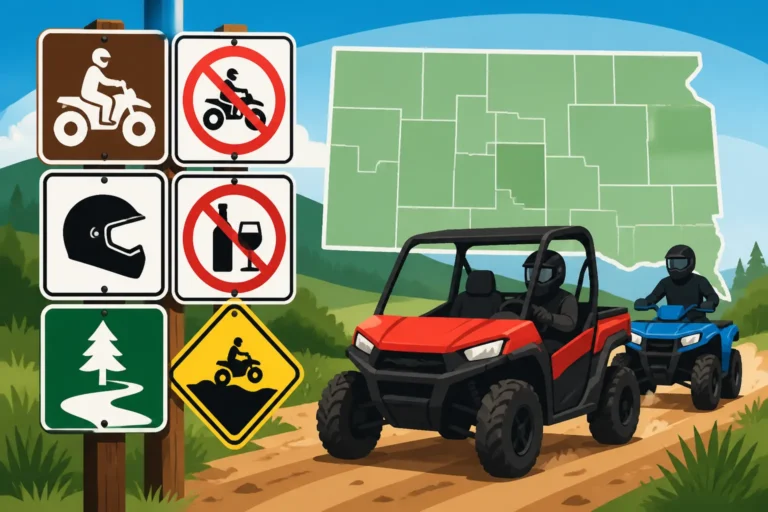
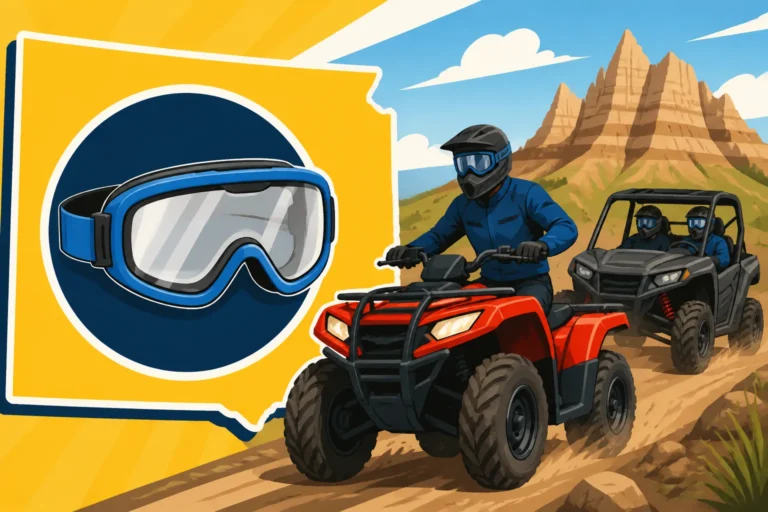
Next, while South Dakota is one of the few states that doesn't mandate helmets for adult ATV riders on public land, this changes when you're under 18. If you're a young rider on a public road or ditch, or if you're carrying a passenger under 18, helmets are required. For all riders, however, eye protection is universally mandated. Whether it's goggles, a face shield, or safety glasses, you need something to shield your eyes from dust, debris, and insects. Given the speeds you might reach on a road, or the sudden encounters with gravel, proper eye protection is just plain smart. [South Dakota Helmet Law for ATV Riders] and [South Dakota Eye Protection Requirement] elaborate on these safety rules.
Finally, while plating your electric ORV grants you significant access, it's important to remember that not all roads are open to you. Interstates are strictly off-limits, and certain highways may also have restrictions. Crossing a highway, however, is generally permitted, provided it's done safely and directly, ideally at an intersection. When you do venture onto public roads, especially paved ones, it's wise to consider additional safety measures. While not always mandated, adding a bright flag, reflective tape, or even upgrading to brighter LED lights (many of which are available from a company like SuperATV) can significantly increase your visibility, making your quiet electric machine more noticeable to other traffic. Being a conscientious rider, regardless of your machine's propulsion, is key to enjoying South Dakota's roads safely.
Disclaimer
This article is for general informational purposes only and does not constitute professional advice. Laws, prices and regulations vary by location and change over time. Consult a qualified professional for guidance on your specific situation.