South Dakota Rules for a Passenger on a Road
It's incredibly frustrating when you want to take a passenger along for a ride on your ATV or UTV on South Dakota's beautiful roads, only to find yourself swimming in a sea of confusing rules and "what ifs." You're not alone in wondering if it's even legal, what kind of machine you need, and what safety precautions you really have to take. This guide is here to untangle all that uncertainty, offering clear, actionable insights into South Dakota's specific rules for carrying passengers on your off-road vehicle when you're on public roads, so you can ride with confidence and peace of mind.
Navigating South Dakota Roads with Your ATV or UTV
Riding your ATV or UTV on public roads in South Dakota isn't quite as straightforward as hopping in your pickup and heading out. There's a specific set of hoops your machine and you, as the operator, need to jump through before you can legally hit the pavement, or even the gravel. This foundation is crucial because passenger rules often build upon these initial requirements.
The Basics of Road Legality for ORVs
First things first: South Dakota has distinct rules about what constitutes an "off-road vehicle" (ORV) and under what conditions it can even touch a public road. Unlike some states where virtually all ORVs are strictly confined to trails, South Dakota offers avenues for road use, albeit with limitations. Generally, your machine needs to be explicitly allowed on the type of road you're riding. This usually means county roads, section lines, and sometimes state highways, but often excludes interstates. It's a common misconception that if you just have a plate, you're good to go anywhere, but that's not the case. The specific type of road matters immensely. [Are ATVs Street Legal in South Dakota?] addresses this in more detail.
Many riders, especially those who primarily use their machines for ranch work or hunting, might not even consider their ATV or UTV for road use until they need to quickly move between properties or access a trailhead. But once you introduce the idea of public road travel, even for short distances, you're stepping into a different regulatory landscape. It's not just about getting from point A to point B; it's about doing so legally and safely, especially if you plan to have company. The state aims to keep everyone safe, and part of that involves making sure these powerful machines, not originally designed for highway speeds, are used appropriately when sharing space with traditional vehicles.
Machine Requirements for Road Use
If you plan to have your ATV or UTV on a public road in South Dakota, it needs to meet certain equipment standards. This isn't just a suggestion; it's a requirement designed to make your machine visible and controllable on shared roadways. Think about it: a standard ATV straight off the dealer lot often lacks many of the features cars and trucks have by default. These requirements help bridge that gap. A common frustration is realizing your machine isn't quite up to snuff without some modifications. [South Dakota Equipment List for Road Use] goes into a full breakdown of what's needed.
What kind of equipment are we talking about? Generally, you're looking at things like headlights and brake lights, a horn, and a rear-view mirror. You might find yourself upgrading your machine's stock setup or adding new components. For example, a quality rear-view mirror is non-negotiable for road safety. Companies like SuperATV offer a range of accessories, from mirrors that attach easily to your roll cage to more robust lighting solutions, that can help bring your machine into compliance. Remember, these aren't just cosmetic additions; they're vital for signaling your presence and intentions to other drivers and seeing what's behind you, which becomes even more critical when you have a passenger.
Driver Licensing and Age for Road Use
Just as important as your machine's equipment is your own qualification to operate it on the road. South Dakota has specific rules regarding who can drive an ATV or UTV on a public road. This isn't just about general driving competency; it's about holding the correct license and meeting age minimums. It can be a rude awakening for some riders who are used to operating their machines on private land without a traditional driver's license. Once you venture onto public roadways, the rules change significantly.
Generally, to operate a plated ATV or UTV on South Dakota roads, you must possess a valid driver's license. This means a standard automobile driver's license, not a special ORV permit. There's also an engine size threshold; your ATV must typically be 200cc or greater to be eligible for a motorcycle plate in South Dakota, which is what allows road use. For UTVs, the rules are slightly different but still require a licensed operator. [South Dakota Driver's License Rules for ATVs] explains this thoroughly. Knowing these rules upfront can save a lot of heartache, especially if you're planning a trip where road sections are unavoidable.
Understanding Passenger Regulations on South Dakota Roads
Now, let's get to the heart of the matter: taking a passenger along for the ride on South Dakota's roads. This is where many riders feel the most confusion, as the rules aren't always intuitively clear and can differ dramatically from private land riding. The state's primary concern is safety, and carrying a passenger, especially on public roads, introduces additional risks and therefore, additional regulations.
Where Passengers Are Permitted or Prohibited
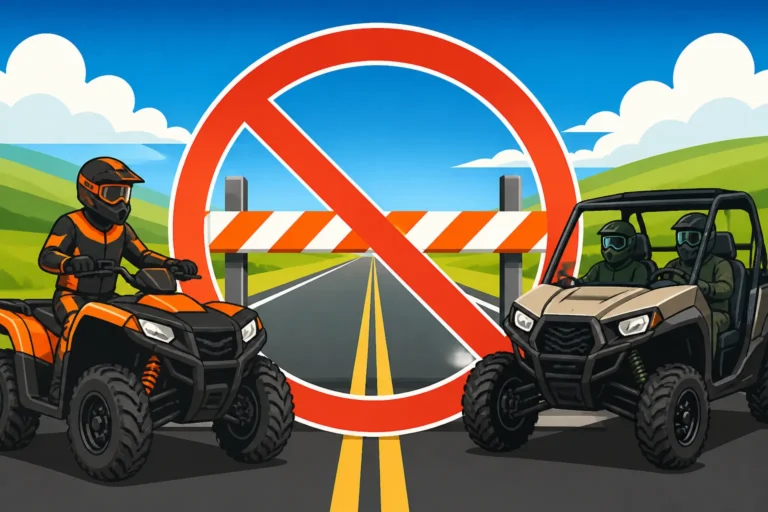
The biggest differentiator when it comes to carrying passengers on public roads is the type of machine you're operating. For traditional ATVs (often referred to as quads), South Dakota law typically states that these machines are designed for a single operator. Unless the ATV is specifically designed by the manufacturer to carry a passenger, it's generally prohibited to have one on a public road. This means no "double riding" on a single-seat ATV, regardless of how short the distance or how capable you feel. It's a hard rule designed to prevent rollovers and maintain machine stability.
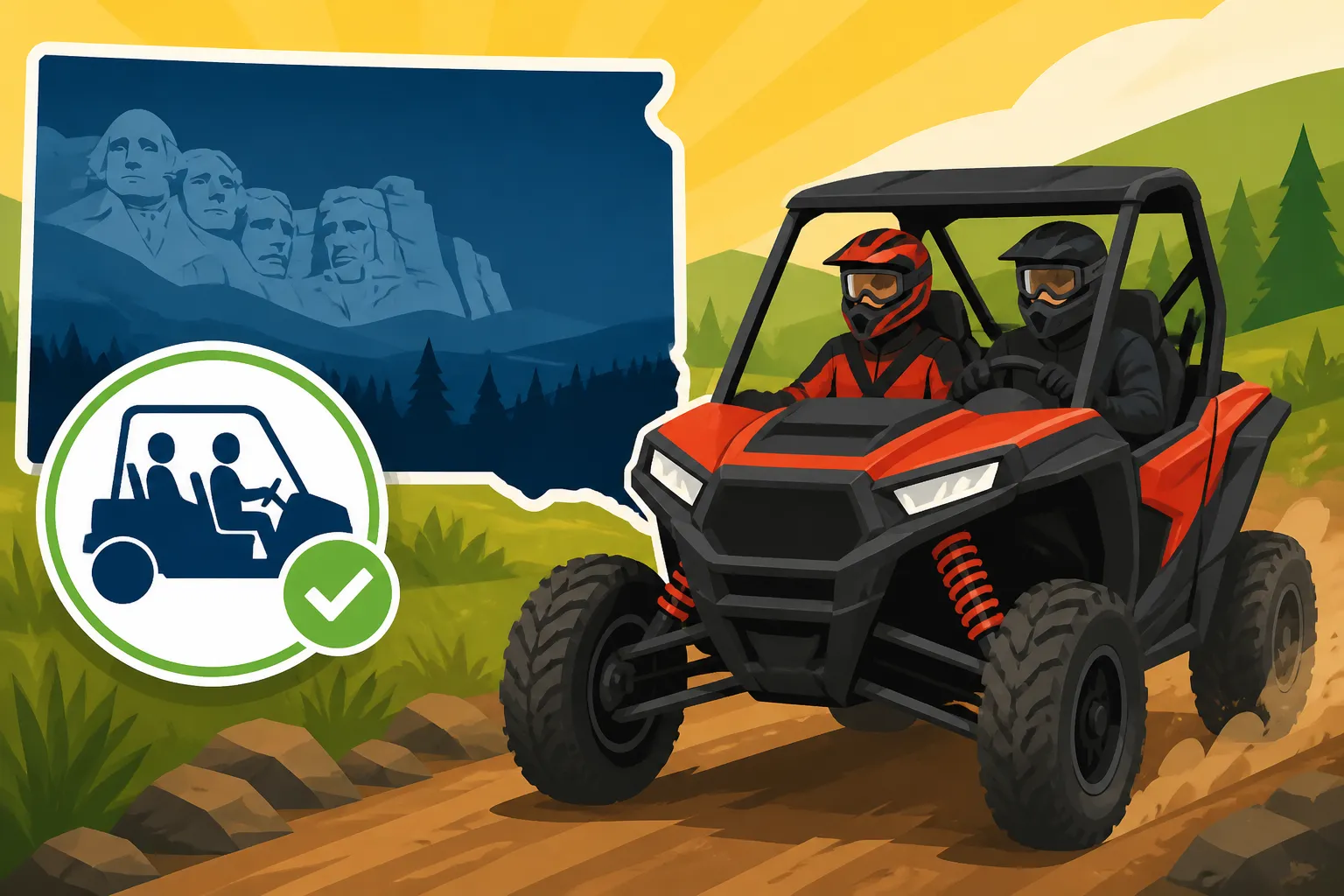
However, Side-by-Sides (UTVs) are a different story. These machines are explicitly designed with multiple seats, making them much more accommodating for passengers. If your UTV has factory-installed seating for two, four, or even six people, then carrying that number of passengers on a public road is generally permitted, provided all other road-use requirements are met. It's critical to respect the manufacturer's design and never exceed the designated seating capacity. Overloading a UTV, even if it has ample space, can compromise its handling and stability, especially on uneven gravel roads or when making turns.
Age Restrictions for Passengers
While the focus often falls on the driver's age and licensing, the age of your passenger also plays a role, especially concerning safety equipment. South Dakota has specific helmet laws that apply to younger riders, regardless of whether they are operators or passengers. If you're carrying a passenger who is under the age of 18, they are generally required to wear a helmet. This rule applies uniformly, whether you're riding a UTV that's street legal or just crossing a highway on a single-track trail. [South Dakota Helmet Law for ATV Riders] details these requirements comprehensively.
This isn't just a suggestion; it's a legal mandate intended to protect vulnerable younger riders. Even if you, as an adult driver, are exempt from wearing a helmet on certain roads, your minor passenger is not. This often means planning ahead to ensure you have appropriately sized helmets for any younger companions. It's a common oversight, but one that can lead to fines and, more importantly, put a child at serious risk in the event of an accident. Always prioritize their safety and ensure they are properly geared up before the ride begins.
Equipment and Seating Requirements for Passengers
Beyond helmets for minors, the machine itself must be designed to safely carry passengers. For UTVs, this means using the factory-installed seating. Passengers must be seated in the designated seating areas, not standing in the cargo bed or perched on the fenders. Each passenger should also have access to a seatbelt, which they must use. These machines are built with specific safety cells and restraints, and deviating from them negates much of the built-in protection. This is why you'll often see robust roll cages and secure doors on modern UTVs.
Furthermore, passengers should have adequate handholds or grab bars to stabilize themselves, especially on rougher sections of road. While public roads in South Dakota might be smoother than some trails, gravel roads can still be unpredictable, and sudden bumps or turns can easily throw an unsecured passenger. Aftermarket companies like SuperATV offer additional grab handles or upgraded seatbelts that can enhance passenger safety and comfort, giving riders a more secure feeling during the journey. Always inspect your machine's passenger safety features before setting out, ensuring all belts are functional and nothing is loose.
| Machine Type | Passenger Allowed on Road | Seating Requirement | Helmet for Passenger (Under 18) |
|---|---|---|---|
| ATV (Quad) | Generally No (single rider design) | N/A | Yes |
| UTV (Side-by-Side) | Yes (if factory-designed for multiple seats) | Designated factory seating, seatbelts | Yes |
Prioritizing Safety When Carrying Road Passengers
Taking a passenger along for the ride adds a whole new layer of responsibility to your driving experience, especially on public roads. It's not just about following the letter of the law; it's about actively mitigating risks and ensuring everyone's well-being. A small error that might be manageable when riding solo can have much graver consequences with another person on board.
Essential Safety Gear for Drivers and Passengers
While South Dakota's helmet laws primarily focus on minors, and adults are often exempt on roads, it's always a wise decision for everyone to wear a helmet, regardless of age, when riding an ORV. This is particularly true if you anticipate riding on gravel roads where dust can impair vision or where loose aggregate can cause unexpected skids. Eye protection is another non-negotiable item for both driver and passenger. Dust, insects, and kicked-up debris can easily blind a rider, leading to dangerous situations. [South Dakota Eye Protection Requirement] clearly outlines this.
Beyond helmets and eye protection, consider sturdy footwear that covers the ankles, long pants, and long-sleeved shirts to protect against scrapes, sun exposure, and flying debris. Gloves can also provide better grip and hand protection. Think of it as investing in your safety and your passenger's safety. While these items might seem like overkill for a short jaunt down a county road, an accident can happen in an instant, and being properly geared up can be the difference between a minor bruise and a serious injury. Don't let comfort trump common sense when it comes to protective clothing.
The Importance of Machine Design and Modifications
The base design of your UTV is its first line of defense for passengers. The roll cage, the width of the machine, and the suspension system are all engineered to provide a level of protection and stability. However, many riders make modifications to their machines, and it's vital to consider how these changes might impact passenger safety. For instance, lifting a UTV can raise its center of gravity, making it more prone to rollovers, especially with the added weight of passengers. Wider tires can help counteract this, but it's a balance.
If you are considering aftermarket modifications, always prioritize safety and consult with reputable manufacturers or experts. Companies like SuperATV offer a vast array of parts, but it's crucial to select those that enhance, rather than compromise, your machine's inherent safety features. For example, adding stronger doors or a full windshield can offer increased protection for passengers from external elements. However, any modification that alters the fundamental handling characteristics of the machine needs to be approached with extreme caution, especially when you plan to carry extra weight in the form of passengers.
Defensive Driving with a Passenger
Driving defensively is crucial in any vehicle, but it's paramount when operating an ATV or UTV with a passenger on a public road. Your machine handles differently with extra weight, especially if that weight shifts unexpectedly. This means slower speeds, especially around corners, on uneven surfaces, or when braking. You need to account for increased stopping distances and reduced acceleration. Always give yourself more space between your machine and other vehicles, and be extra cautious when approaching intersections or blind curves.
Communicate with your passenger throughout the ride. Let them know when you're about to hit a bump, make a sharp turn, or if you need them to brace themselves. A well-informed passenger can better anticipate movements and avoid being caught off guard, reducing the risk of injury. Moreover, avoid distractions. Your full attention needs to be on the road, the traffic, and your machine's handling. Remember, your passenger is relying entirely on your judgment and skill to get them to your destination safely.
Consequences of Non-Compliance and Enforcement
Ignoring the rules for carrying passengers on South Dakota roads isn't just a slight oversight; it can lead to significant legal and financial repercussions. Law enforcement officers take these regulations seriously, and ignorance of the law is rarely an acceptable defense. Understanding the potential consequences can serve as a strong motivator to ensure you're always operating within the legal framework.
Fines and Penalties for Violating Passenger Rules
If you're caught violating South Dakota's passenger rules for ATVs or UTVs on public roads, you could be facing a range of penalties. These typically include fines, which can vary depending on the severity of the infraction and whether it's a first offense. For instance, illegally carrying a passenger on a single-rider ATV, or having an unhelmeted minor passenger, could result in a citation. These fines are not insignificant and can quickly add up, especially if there are multiple violations or if an accident occurs. [South Dakota Fines for Illegal ATV Road Use] provides context on how these penalties stack up.
Beyond monetary fines, repeated offenses or particularly egregious violations could potentially lead to more serious consequences, such as impoundment of your machine or even suspension of your driving privileges. While these are less common for simple passenger violations, they highlight the seriousness with which these laws are enforced. It's a reminder that these aren't just polite suggestions; they are enforceable laws designed to protect public safety. The cost of a fine pales in comparison to the peace of mind of knowing you're riding legally and safely.
Understanding Law Enforcement's Perspective
Law enforcement officers in South Dakota, whether it's a county sheriff, a state trooper, or a Game, Fish and Parks ranger, are primarily concerned with safety. When they see an ATV or UTV on a public road, especially with passengers, they are assessing several factors: Is the machine street legal? Is the driver licensed? Are the passengers safe and appropriately secured? They are looking for violations that could lead to accidents or injuries. Their perspective is one of prevention and enforcement.
They understand that many ORV riders are responsible and simply enjoy the outdoors. However, they also know the risks associated with these machines on public roads. Expect them to pull you over if they observe what appears to be a violation, whether it's an overloaded UTV or a child without a helmet. A polite and cooperative attitude, along with being able to demonstrate your understanding of the rules, can go a long way. Have your documentation (license, registration, proof of insurance if applicable) readily available.
How to Stay Informed About Regulations
South Dakota's laws and regulations are subject to change. What was true last year might have been updated this year. This can be incredibly frustrating for riders trying to stay compliant. The best way to stay informed is to regularly check the official sources, such as the South Dakota Department of Public Safety's Motor Vehicles Division website or the Game, Fish and Parks department. These agencies are the definitive source for current laws. You can also contact your local county treasurer's office, as they often handle the titling and registration aspects for ORVs and are well-versed in local requirements. [South Dakota ATV Title Paperwork] often includes a rundown of relevant regulations.
Furthermore, engaging with local riding clubs or online forums dedicated to South Dakota ATV/UTV enthusiasts can be beneficial. While these aren't official sources, experienced riders often share insights into recent changes or common enforcement practices they've encountered. Just be sure to cross-reference any information with official channels. Your safety, and the safety of your passengers, depends on having the most accurate and up-to-date information.
Disclaimer
This article is for general informational purposes only and does not constitute professional advice. Laws, prices and regulations vary by location and change over time. Consult a qualified professional for guidance on your specific situation.