South Dakota Rules for Riding a Mickelson Trail Crossing
Picture this: you're out enjoying a fantastic ride on your ATV or UTV through the stunning Black Hills, maybe exploring some forest roads or cruising along a gravel path, and suddenly you come across the iconic George S. Mickelson Trail. It's a natural reaction to wonder if you can just zip across it, or even ride a short section. But here's the thing – the rules aren't always as obvious as we'd like, and misunderstanding them can quickly turn a great day into a ticket. This guide is here to clear up the confusion, explaining exactly what South Dakota law says about how you can (and cannot) interact with the Mickelson Trail on your off-road machine, especially when it comes to crossing it.
Understanding the Mickelson Trail's Primary Purpose and ATV Limitations
It’s easy to look at the wide, well-maintained surface of the Mickelson Trail and think it would be a perfect spot for your ATV or UTV. After all, it’s a trail, right? But the reality is that this specific trail system operates under a different set of rules designed for a very particular kind of outdoor recreation. If you’re a rider, it’s crucial to understand why ATVs and UTVs are largely excluded from riding on the trail itself, even if it feels counterintuitive at first glance.
The Mickelson Trail: A Non-Motorized Gem
The George S. Mickelson Trail is truly one of South Dakota's crown jewels. Stretching over 100 miles through the heart of the Black Hills, it's a converted rail-to-trail path, primarily designed for non-motorized activities. Think hiking, biking, and horseback riding. It offers some of the most breathtaking scenery in the state, winding through tunnels, over trestles, and past historic towns like Hill City, Lead, and Custer. For walkers and cyclists, it's a peaceful escape, a place where the only sounds are the rustling leaves, chirping birds, and the occasional whir of a bike chain. This serene atmosphere is carefully preserved by its non-motorized status, ensuring a quiet, immersive experience for those using it as intended. This designation is key to understanding why motorized vehicles aren't part of its day-to-day use.
The trail itself is maintained by South Dakota Game, Fish and Parks (GFP), and they have a very clear vision for its use. It’s about sustainable recreation, protecting the natural environment, and providing a safe, enjoyable experience for a specific user group. The infrastructure, from the surface material to the bridges, is built to support the lighter impact of foot traffic, bicycles, and horses, not the weight and wear of motorized vehicles. So, while it might look like a tempting shortcut or a scenic detour, its very nature and purpose are fundamentally different from the motorized trails you might typically explore in the Black Hills National Forest. When you encounter it, remember you're seeing a dedicated space, much like a sidewalk is for pedestrians, even if it runs alongside a road.
Why ATVs Aren't Allowed on the Trail Itself
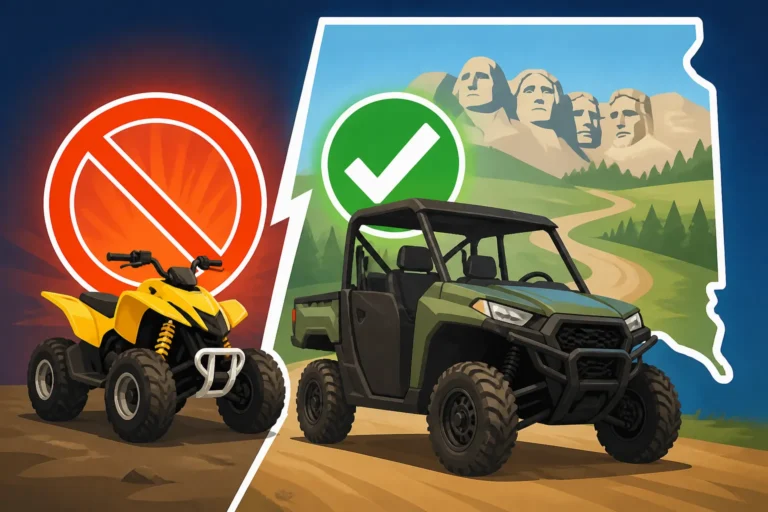
The primary reason ATVs and UTVs are prohibited from riding on the Mickelson Trail is its fundamental designation as a non-motorized recreation path. [Why South Dakota's Mickelson Trail Bans Machines] is a topic many riders grapple with, especially when they're accustomed to open-access trails elsewhere. This isn't just an arbitrary rule; it's a deliberate choice rooted in safety, environmental impact, and maintaining the intended user experience. Motorized vehicles, by their nature, are faster, heavier, and louder than bicycles or hikers. Introducing them to a trail shared by these slower, quieter users would create significant safety hazards and fundamentally alter the peaceful environment the trail is famous for. Imagine a family with young children on bikes encountering a UTV zipping around a blind corner – it's a recipe for disaster.
Beyond safety, there's the environmental aspect. ATVs and UTVs, particularly if not equipped with proper spark arresters or if ridden irresponsibly, can contribute to dust, noise pollution, and erosion, especially on a trail surface not specifically designed for their impact. The Mickelson Trail's packed gravel surface, while durable for bikes, is not built to withstand the constant churning and weight of off-road vehicles. Furthermore, the presence of motorized vehicles would disrupt the wildlife that often uses the corridors adjacent to the trail, impacting the natural experience for hikers and birdwatchers. The rules are in place to ensure that the trail remains a sanctuary for quiet recreation, preserving its character and safety for everyone who uses it for its intended purpose. It’s about respecting the specific use agreement that allows this beautiful path to exist for the public.
Navigating a Mickelson Trail Crossing with an ATV
While riding on the Mickelson Trail is a definite no-go for ATVs and UTVs, there's a crucial distinction to be made for crossings. It's often necessary to cross the trail to get from one road or motorized trail to another, especially in the Black Hills where the Mickelson Trail frequently intersects with other routes. Knowing how to execute a legal crossing is essential for any rider in the area, allowing you to continue your journey without breaking the rules or endangering other trail users.
The Legal Framework for Crossings
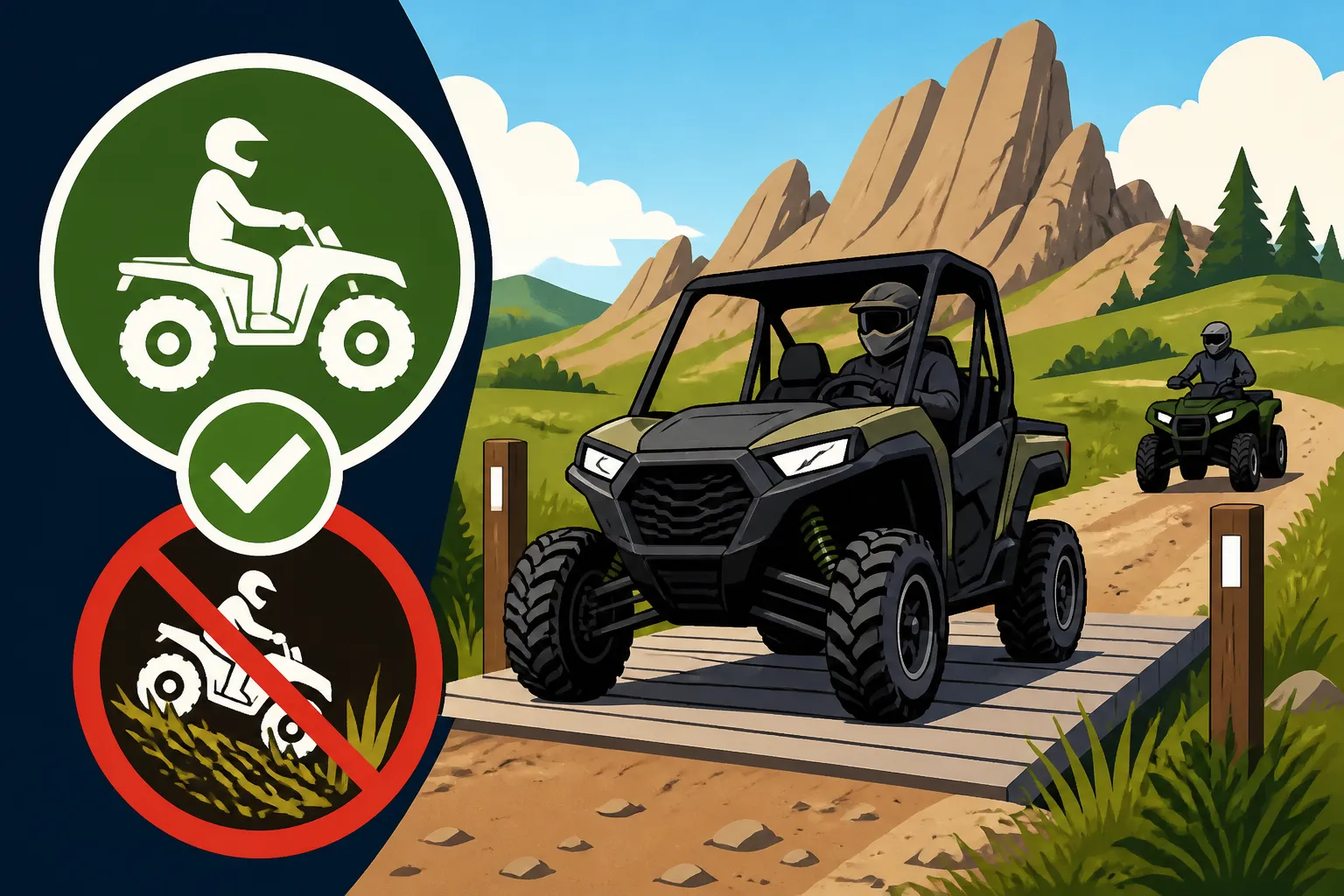
The good news is that, yes, you absolutely can cross the Mickelson Trail on your ATV or UTV! South Dakota law recognizes the necessity of allowing motorized vehicles to traverse designated non-motorized paths where they intersect with public roads or legal motorized routes. This isn't a free-for-all, however; these crossings are treated much like crossing any other road or right-of-way. The key here is that you are crossing, not riding parallel to or traveling along the trail. This distinction is critical and legally enforced. You must proceed directly across the trail at a designated intersection, which often coincides with a road crossing. Think of it like a pedestrian crosswalk: you have the right to cross, but you don't have the right to walk down the middle of the road.
These intersections are typically well-marked, indicating where roads or other trails meet the Mickelson. The legal framework ensures that motorized vehicles can connect different parts of the Black Hills' extensive road and trail system without creating impasses due to the non-motorized nature of the Mickelson Trail itself. For many riders, these crossings are vital points on their route planning, allowing them to access different areas, sometimes even using roads like the ones discussed in [South Dakota Rules for Crossing a Highway] to reach the next segment of their adventure. The law doesn't want to create isolated pockets of motorized recreation; it aims for connectivity while protecting the character of the Mickelson Trail. So, you're not breaking the law by crossing; you're simply adhering to the specific terms of access for that particular interface.
Essential Rules for a Safe and Legal Crossing
Executing a safe and legal Mickelson Trail crossing requires adherence to a few straightforward rules, designed to protect both you and the non-motorized users of the trail. The most important rule is to yield to all non-motorized traffic. Hikers, bikers, and horseback riders have the right-of-way on the Mickelson Trail. As you approach a crossing, you must slow down, look both ways, and be prepared to stop completely if anyone is approaching from either direction on the trail. It's not a race; it's a moment of shared space that demands caution and courtesy.
Secondly, cross directly and without delay. You should not ride alongside the trail, even for a short distance, or pause on the trail surface. Your machine should proceed from one side to the other as efficiently and safely as possible. This means no stopping for pictures while on the trail, no waiting around, and definitely no turning onto the trail for any reason. If you're on a street-legal ATV, which requires specific equipment like a horn (see [South Dakota Horn Requirement]) and lights (check [South Dakota Lighting Requirements for ATVs]), you'll still need to follow these crossing rules. However, even if your machine isn't plated for road use, you'll likely be reaching the crossing via a gravel road or legal [South Dakota Ditch Riding Rules Explained] path, and the same principles of caution apply. Always assume there could be someone just out of sight and operate with maximum awareness. Your goal is to be invisible as a motorized user for the Mickelson Trail crowd, minimizing your presence and impact.
| Action | Legality for ATV/UTV on Mickelson Trail | Details |
|---|---|---|
| Riding on the trail | Illegal | The Mickelson Trail is for non-motorized use only (hiking, biking, horseback riding). |
| Crossing the trail | Legal (with conditions) | Allowed at designated intersections with roads or motorized routes. Must yield to non-motorized traffic. |
| Stopping on the trail | Illegal | Cross directly and without delay. Do not pause or loiter on the trail surface. |
| Riding alongside the trail | Generally illegal/discouraged | Unless on a public road or legal ditch, avoid riding parallel to the trail. |
| Using designated crosswalks/intersections | Required | Only cross where clear intersections with roads or motorized trails exist. |
| Yielding to all trail users | Required | Non-motorized users always have the right-of-way. Slow down and stop if necessary. |
Practical Tips for ATV Riders Near the Mickelson Trail
Riding in the Black Hills is an incredible experience, and the Mickelson Trail often serves as a landmark or a boundary within that landscape. Knowing how to respect its presence, even when you’re not directly interacting with it, is part of being a responsible rider. Planning your routes, understanding your machine's capabilities, and being mindful of other outdoor enthusiasts will enhance your own ride and foster good relationships within the larger outdoor community.
Respecting Trail Users and Private Property
When your ATV or UTV route takes you close to the Mickelson Trail, whether for a crossing or just paralleling it on a forest road, it’s absolutely vital to be mindful of its users. These are typically people seeking quiet, natural experiences, and the sudden appearance or loud noise of an off-road vehicle can be jarring. If you see hikers or bikers, especially when slowing down for a crossing, a friendly wave or a nod can go a long way in showing courtesy. Avoiding excessive dust, noise, or speed in these areas contributes to a positive impression of ATV riders. Remember, we all share these outdoor spaces, even if for different purposes. Utilizing accessories like quiet exhausts from SuperATV (if you're looking for aftermarket upgrades) can also help reduce your sound footprint, which is a common concern near residential areas or quiet trails.
Beyond the trail itself, you're often riding through a mosaic of public and private land. The Mickelson Trail frequently abuts private property, and understanding [South Dakota Rules for Riding Private Land] is crucial. Always respect "No Trespassing" signs, keep gates as you found them (closed if closed, open if open), and stay on designated roads or trails. Drifting off a legal trail, even for a short distance, onto private ground or an unauthorized path can lead to fines, loss of riding privileges, and understandably, frustrated landowners. Taking the time to study a map beforehand, such as a Black Hills National Forest Motor Vehicle Use Map (MVUM), can prevent accidental incursions and ensure you stay on legitimate routes, keeping your ride enjoyable and respectful.
Planning Your Route to Include Crossings
Effective route planning is key to a seamless and enjoyable ATV or UTV experience in the Black Hills, especially when the Mickelson Trail is part of your navigational puzzle. Before you head out, grab a detailed map – either a physical one or a reliable GPS app that shows both motorized and non-motorized trails. Identify where the Mickelson Trail intersects with the roads or forest trails you intend to use. These intersection points are your legal crossing zones. Knowing these ahead of time prevents you from getting stuck at a non-crossing point, forcing you to backtrack or, worse, attempt an illegal shortcut.
Consider the flow of your ride. If you know you'll be making several Mickelson Trail crossings, factor in the need to slow down, yield, and quickly traverse the trail each time. This isn't just about legality; it's about safety. Approaching these intersections with awareness will prevent surprises. Many riders find that a well-equipped machine, perhaps with robust skid plates or a winch from a brand like SuperATV for other parts of their journey, gives them confidence on more challenging motorized trails, but even the best-equipped machine needs to be operated cautiously at trail crossings. By planning your journey with the Mickelson Trail's specific rules in mind, you can seamlessly integrate these crossings into your adventure without any hiccups, ensuring a smooth ride from start to finish.
Common Misconceptions and Penalties for Illegal Use
Despite the clear rules, it's surprisingly common for riders to misunderstand their rights and responsibilities when it comes to the Mickelson Trail. Sometimes it's an honest mistake, other times it's a calculated risk. But in South Dakota, ignorance of the law is rarely an excuse. Understanding the potential pitfalls and the consequences of violating these rules is just as important as knowing how to ride legally.
The Myth of "Just a Little Bit"
One of the most persistent misconceptions among ATV and UTV riders, especially when encountering the Mickelson Trail, is the idea of "just a little bit." Riders might think, "Oh, I'll just ride it for a quarter-mile to the next turn," or "I'll only cut across this section; no one will see me." This mindset is a direct path to trouble. The Mickelson Trail is unequivocally non-motorized along its entire length, except for authorized administrative use or specific, very limited snowmobile access in winter on particular sections not relevant to ATVs. There's no gray area for "just a little bit" on an ATV or UTV. The moment your motorized tires leave a designated road or crossing point and begin traveling on the Mickelson Trail, you are in violation of state regulations.
This isn't about being overly strict; it's about maintaining consistency and safety for all users. If everyone rode "just a little bit," the trail's character would quickly degrade, and the safety risks for hikers and cyclists would skyrocket. Law enforcement, including Game, Fish and Parks rangers and local deputies, are aware of these common temptations and patrol areas near the Mickelson Trail. They understand that riders sometimes miss a turn or get confused, but that doesn't excuse illegal travel on a clearly marked non-motorized path. It's much like thinking you can drive "just a little bit" on a sidewalk – it's designed for a different type of traffic.
Consequences of Violating Trail Rules
The consequences of violating the rules by riding your ATV or UTV on the Mickelson Trail can range from frustrating to financially impactful. First and foremost, you're likely looking at a citation. These aren't just slaps on the wrist; they can carry significant fines. While specific dollar amounts can vary and change, you should anticipate a penalty that will definitely make you regret that "just a little bit" decision. These types of infractions fall under categories often seen for illegal motorized use of non-motorized areas, similar to what you might encounter if caught on restricted [South Dakota Rules for Riding a Wilderness Boundary].
Beyond the immediate financial penalty, there can be other repercussions. Depending on the severity of the offense or if it's a repeat violation, you could face stricter consequences, including potential impoundment of your machine in extreme cases, or a requirement to appear in court. Moreover, these violations can sour relationships between motorized and non-motorized user groups, leading to increased scrutiny and potentially stricter regulations for all ATV and UTV riders in the area. Law enforcement officers, as outlined in [What a South Dakota Trooper Checks Roadside], are trained to identify and address these violations, ensuring the integrity of the trail system. It’s always far better, and certainly cheaper, to stick to the designated routes and respect the Mickelson Trail for the unique resource that it is. Your best bet is always to err on the side of caution and keep your motorized adventure strictly to the roads and trails where it’s explicitly permitted.
Disclaimer
This article is for general informational purposes only and does not constitute professional advice. Laws, prices and regulations vary by location and change over time. Consult a qualified professional for guidance on your specific situation.