Twelve Years Old in the Right of Way
It can be incredibly confusing to figure out where your off-road vehicle is allowed to go in South Dakota, especially when you have a younger rider in your family eager to join the adventure. Understanding the specific rules about age restrictions for riding in the public right-of-way, like ditches, is critical to avoid fines and ensure everyone's safety. This guide will walk you through the nuances of South Dakota's regulations concerning twelve-year-olds and ATV/UTV use in the right-of-way, helping you navigate these rules with confidence.
Understanding South Dakota's Right-of-Way Rules for ATVs
South Dakota has some pretty unique rules when it comes to riding ATVs and UTVs, particularly concerning what's called the "right-of-way." For many folks, this term immediately brings to mind pavement, but in South Dakota, it often extends to the ditches and shoulders alongside public roads. These areas can sometimes offer a path for off-road vehicles, but it's not a free-for-all. There are specific guidelines, and they can vary depending on the county you're in. It's a common misconception that all ditches are fair game, leading to frustration and potential legal trouble for riders who aren't aware of the specific local ordinances.
The state's general rule allows for ditch riding, but it's crucial to understand that this permission comes with a significant asterisk: counties have the power to "opt out" and prohibit it within their borders. This creates a patchwork of regulations across the state, making it essential for riders to do their homework before heading out. [South Dakota Ditch Riding Rules Explained] delves into the specifics of what is generally allowed and why these rules exist, often balancing recreational access with agricultural and public safety concerns. Navigating these rules requires more than just knowing the state law; it demands an awareness of local proclamations and signage.
The Age Requirement for Ditch Riding
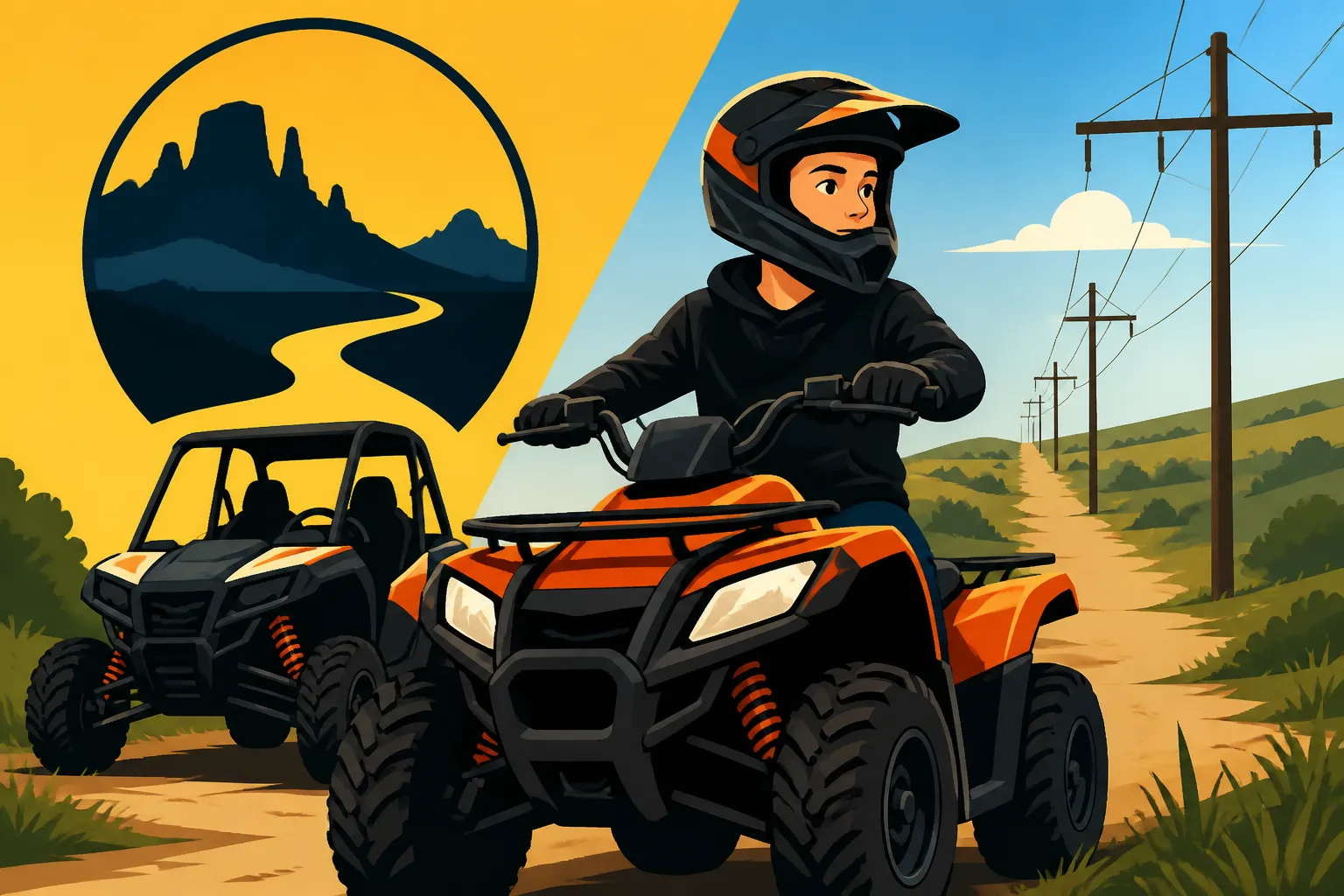
When it comes to allowing younger riders to enjoy the thrill of an ATV or UTV, South Dakota has a very clear line drawn in the sand: twelve years old. If your child is at least twelve, they can operate an off-road vehicle in the designated right-of-way ditches. This age minimum isn't just a suggestion; it's a legal requirement designed to ensure a basic level of maturity, judgment, and physical capability for operating such machinery in close proximity to public roadways. It acknowledges that operating an ATV, even in a ditch, requires focus and an understanding of the potential hazards, not just from the vehicle itself but from the environment around it.
However, simply being twelve isn't the only criterion. The law also implies a certain level of responsibility and awareness. While a twelve-year-old might be physically able to handle a machine, they must also demonstrate the mental capacity to adhere to traffic laws, respect private property boundaries, and operate the ATV safely. This means parents or guardians often bear the responsibility of not just teaching them to ride, but to ride responsibly within these specific legal parameters. For a deep dive into this particular age bracket, you can look at [South Dakota Minimum Age for Ditch Riding] and [Twelve Years Old in a South Dakota Ditch], which explain the intricacies of what a rider of this age can and cannot do.
Supervision and Safety for Young Riders
Even with the age requirement met, supervision is paramount when a young rider is operating an ATV or UTV in the right-of-way. While the state doesn't always mandate direct adult supervision for every situation, it's undeniably the safest and most responsible approach. A twelve-year-old, no matter how skilled, is still developing their judgment and may react differently to unexpected situations than an adult would. Having an experienced adult nearby provides an immediate resource for guidance, emergency assistance, and reinforcement of safe riding practices.
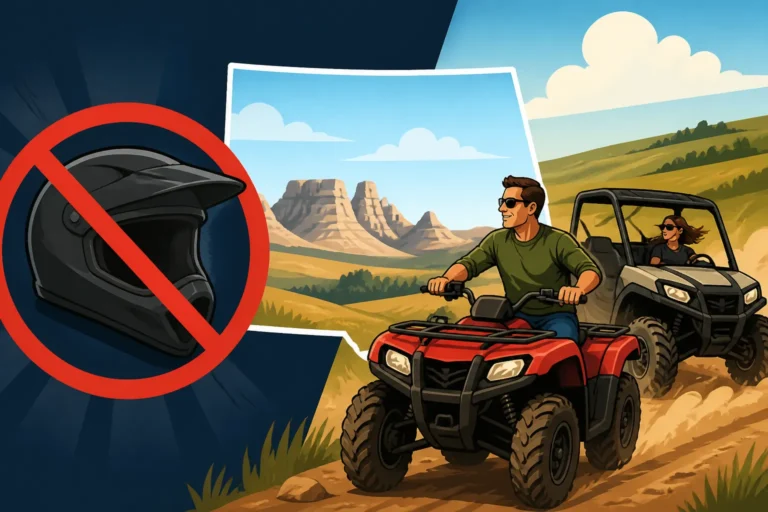
Parents should equip their young riders not just with knowledge, but with the proper safety gear. This includes a DOT-approved helmet—which, while not strictly required for all adult riders in South Dakota, is highly recommended for everyone, especially minors. Eye protection, long pants, long-sleeved shirts, gloves, and sturdy boots are also crucial. Investing in quality protective gear makes a significant difference in preventing injuries. Many riders look to companies like SuperATV for reliable aftermarket parts and accessories that can enhance safety, such as side mirrors for better visibility, durable skid plates, or even seatbelts and harnesses for UTVs that can provide extra security. [South Dakota Supervision Rules for Young Riders] offers further insights into recommended practices, while [South Dakota Helmet Rules for ATV Riders] details the state's specific helmet requirements and exemptions. Ensuring your young rider is well-protected and supervised helps foster good habits and builds confidence for future riding adventures.
Navigating South Dakota's Ditch Riding Regulations
The concept of ditch riding in South Dakota, while generally permitted statewide, is not universally applicable. This is where many riders, especially those new to the state or just passing through, can get tripped up. The key factor is that individual counties have the authority to prohibit off-road vehicle use in their ditches and rights-of-way. This "opt-out" provision means that what's legal in Lawrence County might be illegal just across the border in Meade County. It's a critical distinction that demands riders be vigilant and informed about the specific rules of their riding location.
The responsibility falls squarely on the rider to know whether the ditch they intend to use is open or closed to ATVs and UTVs. You won't find a single, comprehensive statewide map detailing every open and closed ditch. Instead, you'll need to look for local signage, check county websites, or contact local law enforcement or county treasurers' offices. The article [Ditch Riding Is Legal Until a County Opts Out] provides a more detailed explanation of this default-to-open rule and the county's power to change it. Understanding [How a South Dakota County Opts Out of Ditch Riding] gives you insight into the local legislative process that creates these variations, helping you appreciate why research is so vital before you ride.
Permitted and Prohibited Ditch Use
Even in counties where ditch riding is allowed, there are specific rules about how you can use these areas. One of the most important is the "outer edge rule," which generally dictates that riders must stay as far away from the traveled portion of the highway as possible, remaining near the outer edge of the right-of-way. This rule is designed to maintain a safe distance between off-road vehicles and faster-moving road traffic, minimizing the risk of collisions. It’s not just about staying in the ditch; it’s about choosing the safest line within it. Failure to adhere to this could still result in a citation, even in an otherwise open ditch.
Beyond the "outer edge," there are also explicit prohibitions. For instance, riding in the ditches alongside interstate highways is almost universally forbidden. These areas are considered high-speed corridors, and the presence of ATVs or UTVs, regardless of age of the operator, would pose a significant safety risk. Similarly, ditches adjacent to certain dedicated recreational trails, like snowmobile or bike trails, might also be off-limits to preserve their intended use and prevent conflicts. It's crucial to distinguish between a general public right-of-way ditch and those specifically designated for other activities. You can learn more about specific restrictions by reading [South Dakota's Outer Edge Rule] and [Why South Dakota Interstate Ditches Stay Closed]. These resources highlight critical no-go zones and help ensure you’re not just in the right ditch, but riding it correctly.
Equipment Requirements for Roadside Use
While riding in a ditch isn't quite the same as riding on a public road, machines operating in the right-of-way, even for ditch use, still need to adhere to certain basic safety and visibility standards. After all, you're still in a public area, often visible to traffic, and you might need to cross a highway or section line. This means your ATV or UTV should be equipped with functional headlights and taillights, especially if there's any chance you'll be riding near dusk or in low-light conditions. These aren't just for seeing where you're going; they're vital for making sure other drivers and pedestrians can see you.
Beyond lighting, a rear-view mirror is an excellent safety addition, allowing you to monitor traffic behind you and make safer decisions, even if you’re staying strictly in the ditch. A horn can also be incredibly useful for alerting others to your presence, whether it’s a fellow rider, a pedestrian, or a farm vehicle pulling out of a field. While a full "street legal" conversion might not be required for ditch riding, equipping your machine with these basic visibility and warning devices significantly enhances safety for everyone. Companies like SuperATV offer a range of aftermarket lighting kits, mirrors, and horn kits that are perfect for ensuring your machine is seen and heard, even in these semi-public areas. For a deeper understanding of what's expected for road-adjacent travel, refer to [Equipment a South Dakota Road Machine Needs], which covers the basics of what a machine needs to be considered safe for public interaction.
Penalties and Responsible Riding Practices
Ignoring South Dakota's age and right-of-way rules for ATVs and UTVs can lead to more than just a stern warning. Law enforcement officers take these regulations seriously, especially when it involves minors or safety hazards near public roads. The penalties can range from significant fines to other legal consequences, potentially impacting the rider and the adult responsible for them. For instance, operating an ATV in a prohibited area, or an underage rider (under 12) operating one in the right-of-way, could result in a Class 2 Misdemeanor. This isn't just a slap on the wrist; it carries real weight and can affect more than just your wallet.
The aim of these regulations isn't to prevent people from enjoying their machines but to ensure everyone's safety and maintain order on shared public lands and rights-of-way. Responsible riding means not just adhering to the letter of the law but also understanding its spirit. It involves making informed decisions, prioritizing safety, and being considerate of other land users and nearby residents. Always double-check local rules before you head out, and if you’re ever in doubt, err on the side of caution.
Staying Informed and Local Rules
Given the county-by-county variations in South Dakota's ditch riding rules, staying informed is your best defense against accidental violations. Before you even load up your ATV or UTV, take a few minutes to confirm the regulations for your specific destination. This might involve a quick search of the county's official website, a phone call to the county treasurer's office, or even contacting the local sheriff's department. Many counties will post clear regulatory signs where ditch riding is prohibited, so always keep an eye out for these. [Reading the Regulatory Sign at a Ditch Entrance] can help you understand what these signs look like and what information they convey.
Beyond public rights-of-way, it's also crucial to remember that private land is just that: private. Never assume you have permission to ride on someone's property, even if it looks like an open field or an unmarked trail. Always seek and obtain explicit permission from the landowner before crossing or riding on private ground. Trespassing can lead to serious legal repercussions and damages the reputation of all responsible riders. For more on this, check out [South Dakota Landowner Permission Rules], which outlines the importance of securing approval before venturing onto private property. A little communication goes a long way in maintaining good relationships with landowners and ensuring continued access where permitted.
General Safety and Etiquette
Responsible riding goes beyond just legal compliance; it's also about practicing good etiquette and prioritizing safety for everyone. When you're riding in a ditch or anywhere near public access points, be aware of your surroundings. Watch for pedestrians, cyclists, children, and even wildlife. Maintain a safe speed, especially when visibility is limited or when passing other users. Excessive speed or reckless behavior not only endangers yourself and others but can also lead to noise complaints and further restrictions on ATV/UTV access.
Carrying essential gear for unexpected situations is always a good idea. This might include a basic tool kit, a first-aid kit, and enough water and snacks, especially on longer rides. For those unpredictable moments, like getting stuck in mud or needing to clear a small obstruction, a winch can be invaluable. SuperATV offers robust winches and other utility accessories that can make your ride safer and more enjoyable, allowing you to tackle minor challenges without needing external assistance. Having a small shovel or even a tow strap can also be a lifesaver. These practices ensure that you're prepared, respectful, and contributing positively to the riding community.
Here's a quick summary of key rules for young riders in South Dakota's right-of-way:
| Feature | Rule/Guideline | Notes |
|---|---|---|
| Minimum Age (Ditch) | 12 years old | Riders must be at least 12 to operate an ATV/UTV in the public right-of-way (ditches, shoulders). This is a legal requirement. |
| County Opt-Out | Counties can prohibit ditch riding | Not all ditches are open. Always check local county regulations. Ditch riding is legal until a county specifically opts out and posts signage. |
| Outer Edge Rule | Stay as far from traveled road as possible | Even in open ditches, riders must remain near the outer edge of the right-of-way, away from the paved or graveled road surface. |
| Prohibited Areas | Interstate ditches, specific trails | Riding in ditches alongside interstate highways is generally forbidden. Be aware of other designated no-ride zones. |
| Required Equipment | No specific requirements for ditch riding, but prudent for safety | Headlights, taillights, a horn, and a rearview mirror are highly recommended for visibility and safety, especially when crossing roads or near traffic. |
| Supervision | Highly recommended for minors | While not always legally mandated for 12-year-olds, direct adult supervision enhances safety, guidance, and emergency preparedness. |
| Safety Gear | Helmet, eye protection, sturdy clothing, boots | A DOT-approved helmet is strongly advised for all riders, especially minors, along with other protective gear to prevent injuries. |
| Penalties | Fines, Class 2 Misdemeanor | Violations of age or ditch riding rules can lead to legal consequences. Always adhere to laws to avoid fines and potential criminal charges. |
| Private Land | Obtain explicit permission | Never ride on private property without the landowner's direct permission. Trespassing is illegal and harms the riding community's reputation. |
Disclaimer
This article is for general informational purposes only and does not constitute professional advice. Laws, prices and regulations vary by location and change over time. Consult a qualified professional for guidance on your specific situation.