Why Utility Crews Can Work a Closed Right of Way
It's certainly a head-scratcher, isn't it? You're out enjoying the wide-open spaces of South Dakota on your ATV or UTV, trying to stick to the rules about where you can and can't ride, and then you see a utility crew rumbling along in a ditch or on a restricted section line, seemingly breaking every rule in the book. It can be incredibly frustrating to feel like there's one set of rules for you and another for everyone else. This guide is here to unravel that mystery, explaining precisely why utility crews have different permissions for working in what might appear to be a closed right-of-way, and how these exemptions are critical to keeping our communities running.
Understanding South Dakota's Ditch Riding Rules and Their Purpose
Let's start by getting on the same page about what the rules generally are for us, the everyday riders. South Dakota has some very specific regulations concerning where ATVs and UTVs can operate, especially when it comes to ditch riding. These aren't just arbitrary lines drawn on a map; they're in place for very important reasons, primarily public safety and the protection of infrastructure.
The General Rules for ATV and UTV Use in Rights-of-Way
For recreational riders like us, the rules for using rights-of-way, including those ditches alongside the road, are pretty clear and often quite restrictive. Generally, you're allowed to ride in the bottom of a highway ditch or on the back-slope, but there are strict conditions. For instance, you usually need to stay on the [South Dakota's Outer Edge Rule] of the roadway, far from traffic, and you can only cross highways at designated points.
The idea behind these rules is to keep us safe from fast-moving traffic and to prevent damage to the road itself or the sensitive areas surrounding it. Many counties across the state have even taken steps to ban ditch riding entirely, using the option to [How a South Dakota County Opts Out of Ditch Riding]. When a county does this, they are typically required to post [Regulatory Signs a South Dakota County Must Post] at the entry points to those rights-of-way, making it clear that motorized vehicles, even ATVs and UTVs, are not permitted. It can feel limiting, but these rules exist to maintain order and safety.
Why Public Safety Drives These Regulations
At its core, the reason for these restrictions comes down to public safety. Imagine trying to navigate a busy highway ditch on your UTV while cars are whizzing by at 65 miles per hour just feet away. The risk of an accident, either with another vehicle or even a pedestrian, is incredibly high. Ditches can also hide unexpected obstacles, water hazards, or even deep ruts that could cause a serious rollover.
Beyond immediate safety, these regulations also serve to protect the infrastructure itself. The shoulders and ditches of roads are designed to handle water runoff, support the roadway, and provide a safe zone for disabled vehicles. Heavy or continuous ATV and UTV traffic, especially in wet conditions, can cause erosion, damage culverts, and destabilize the roadbed. It's a balance: we want to enjoy our machines, but we also need to ensure our actions don't inadvertently create hazards or maintenance headaches for everyone else.
The Essential Role of Utility Crews and Their Exemptions
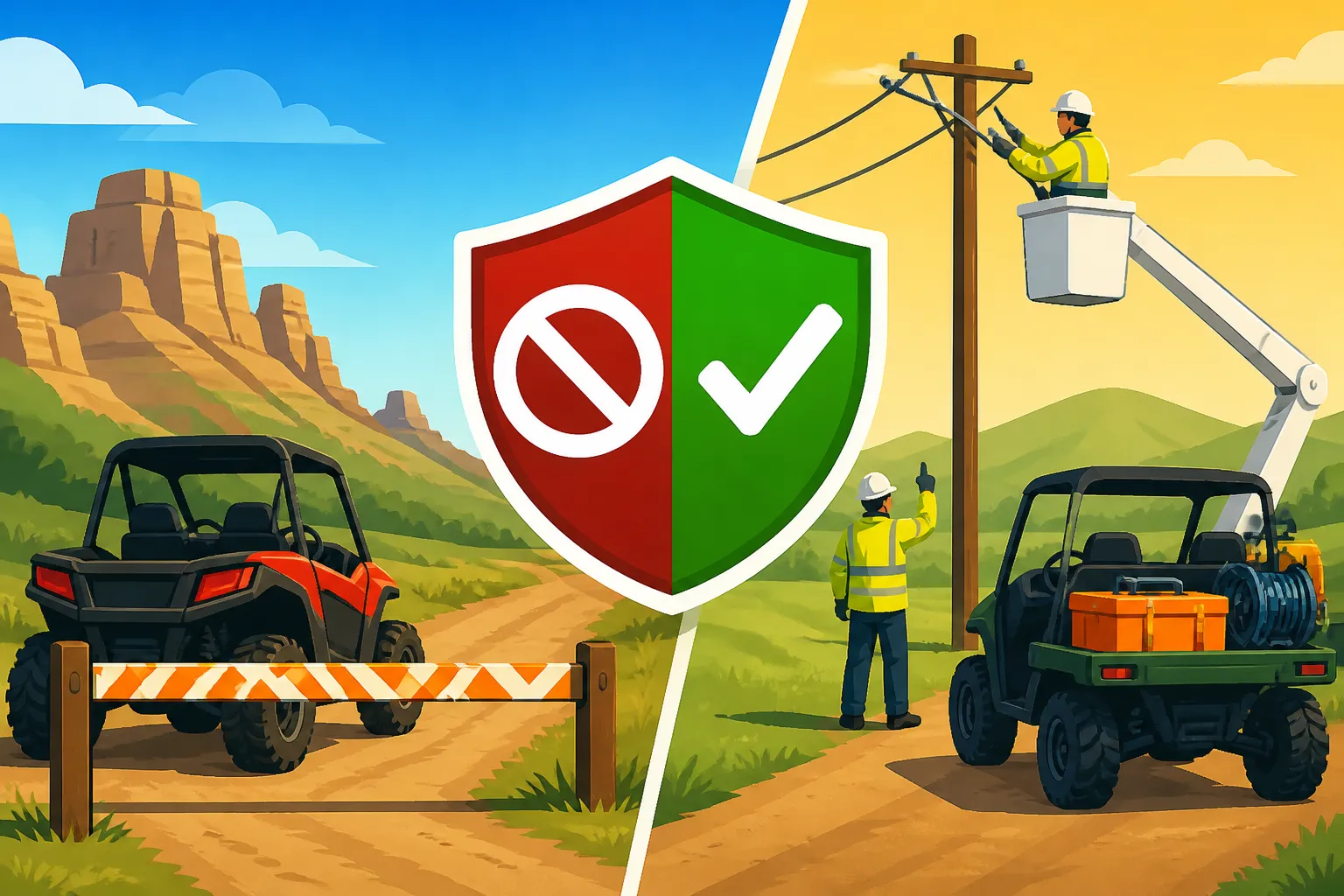
Now, let's talk about the exception to the rule – the utility crews. When you see a truck with a trailer carrying an ATV, or a specialized UTV working deep in a ditch where you know you'd get a ticket, it's not because they're above the law. It's because their work is deemed essential and is specifically exempted under South Dakota law.
Defining "Utility Crew" in the Context of South Dakota Law
When we talk about "utility crews," we're not just referring to anyone with a company logo on their truck. This term typically encompasses employees or contractors of electric companies, telecommunications providers, water and sewer districts, gas pipeline companies, and sometimes emergency services like fire and rescue. These are the folks responsible for installing, maintaining, and repairing the vital infrastructure that powers our homes, keeps our water flowing, and connects us to the outside world.
Think about it: who fixes a downed power line after a blizzard? Who inspects the integrity of a remote gas pipeline? Who ensures that internet and phone services are restored after an outage? It's these utility crews. Their work is considered critical for the public good, directly impacting the health, safety, and economic well-being of every resident in South Dakota.
Specific Exemptions for Utility Vehicles and ATVs/UTVs
South Dakota law recognizes the unique challenges these crews face. There's a specific exemption for [Agricultural and Utility Vehicles Exempted] from many of the standard road and right-of-way restrictions that apply to recreational riders. This isn't a blanket "do whatever you want" pass, but rather a targeted allowance for them to perform their jobs effectively.
Often, an ATV or UTV is not just a convenient option for these crews; it's the only practical way to access certain areas. Imagine a power pole in a muddy, overgrown ditch, or a buried cable running across a farmer's field far from any paved road. A standard truck simply can't get there without causing significant damage or getting stuck. This is where the agility and off-road capability of an ATV or UTV become indispensable. These machines can navigate rough terrain, traverse narrow paths, and even ford shallow streams that would halt larger vehicles.
Furthermore, utility machines are often outfitted with specialized equipment to handle the demands of the job. You might see winches for pulling heavy cables, special racks for tools and parts, or even small cranes mounted on UTVs. Companies like SuperATV often provide rugged, aftermarket parts and accessories that enhance the utility of these machines, from heavy-duty cargo beds to reinforced control arms, allowing them to carry the necessary load and withstand the harsh conditions of continuous field work. These specialized setups make them far more than just recreational vehicles; they are essential tools for a very specific job.
Balancing Public Access with Critical Infrastructure Needs
It's completely understandable to feel a pang of frustration when you see a utility UTV operating in an area that's off-limits to you. You might think, "If they can do it, why can't I?" However, the distinction lies in the purpose of their travel. Their presence in a restricted right-of-way is not for leisure or recreation; it's to perform a function that directly benefits the entire community.
Consider a scenario: a severe thunderstorm rolls through, knocking out power to an entire town. A recreational ban on ditch riding is designed to protect people and property under normal circumstances. But in an emergency, the priority shifts to restoring essential services. Utility crews need immediate, unimpeded access to find and fix the problem. Their exemption prioritizes the greater public good – keeping our lights on, our water running, and our communications flowing – over the recreational use of a specific piece of land. Without these exemptions, the time it would take to restore services or conduct critical maintenance would increase dramatically, impacting everyone negatively.
| Feature | Recreational ATV/UTV Use in Right-of-Way | Utility Crew ATV/UTV Use in Right-of-Way |
|---|---|---|
| Purpose | Leisure, sport, transportation | Essential infrastructure maintenance/repair |
| Legal Basis | General public access rules, restrictions | Specific statutory exemptions |
| County Opt-Out | Counties can ban ditch riding | Exemptions typically override local bans |
| Equipment | Standard recreational setup | Specialized tools, enhanced capabilities |
| Safety Focus | Personal safety, adherence to rules | Public safety (restoring services), worker safety |
| Typical Hours | Daylight, non-emergency | 24/7, emergency & routine work |
| Identification | Personal vehicle | Company logos, safety markings |
Operational Considerations and Best Practices for Utility Crews
While utility crews operate under exemptions, they don't do so without rules or a high degree of professionalism. Their operations involve specific equipment, safety protocols, and a clear understanding of when and where these exemptions apply.
Equipment and Safety Measures for Utility Vehicles
The ATVs and UTVs used by utility crews are often a far cry from the machines we use for weekend trail rides. They are typically heavy-duty models designed for continuous work, carrying significant loads, and sometimes operating specialized attachments. They might have upgraded suspensions to handle the weight of tools and materials, robust tires for varied terrain, and often feature extensive lighting packages for working in low light or emergency situations. When you see a utility UTV, chances are it's been customized with practical accessories from reliable brands like SuperATV, ensuring it can tackle the toughest jobs day in and day out. This might include heavy-duty skid plates for protecting vital components, specific brush guards for navigating dense vegetation, or even advanced GPS systems for tracking assets and work progress in remote areas.
Safety is paramount for these crews. They are often working in hazardous environments – near live power lines, in deep ditches, or alongside busy roads. Consequently, their vehicles are almost always equipped with flashing amber lights, reflective tape, and company markings for clear identification. The crews themselves wear high-visibility clothing and adhere to stringent safety protocols to minimize risks to themselves and the public.
When These Exemptions Apply – Specific Scenarios
The exemptions for utility crews aren't for casual rides. They apply directly to their job functions. This includes:
- Routine Maintenance: Inspecting power lines, gas pipelines, communication cables, and other infrastructure to prevent failures. This might involve driving along section lines or through ditches that would otherwise be closed to the public.
- Emergency Repairs: Responding to outages caused by storms, accidents, or equipment failures. In these urgent situations, the fastest and most direct route to the problem area, regardless of typical restrictions, is critical.
- Installation of New Infrastructure: Accessing sites for new utility poles, fiber optic cables, or water lines, which often requires traversing undeveloped or off-road areas.
- Surveying and Assessment: Evaluating potential routes for new lines or assessing damage after a major incident.
The key takeaway is that their presence in these areas is always tied to an essential work activity, not recreational enjoyment.
Respecting the Rules Even With Exemptions
It's important to remember that even with their exemptions, utility crews still operate under a strong duty of care. They aren't exempt from basic traffic laws like speed limits when on public roads, nor are they immune to the principles of safe operation. They must still drive carefully, be mindful of their surroundings, and ensure their activities don't create new hazards for the public. Their vehicles are clearly marked, and their personnel are identifiable, reinforcing the fact that they are working professionals, not recreational riders. When you see them, it's generally a sign that important work is being done to keep our infrastructure reliable.
What This Means for Recreational ATV/UTV Riders
So, what's the takeaway for us, the recreational riders? Understanding these distinctions is crucial not just for avoiding fines, but for fostering a more harmonious environment for all users of South Dakota's varied landscapes.
Why You Still Need to Follow the Standard Rules
The most important thing to remember is that the exemptions for utility crews do not apply to you as a recreational rider. Seeing a utility UTV in a ditch does not give you permission to follow suit. Violating these rules can lead to serious consequences, including [South Dakota Fines for Illegal ATV Road Use], impoundment of your machine, and even more severe penalties depending on the nature of the infraction.
Instead of trying to replicate utility crew movements, focus on the abundant and legal riding opportunities available. South Dakota has fantastic places to ride, from the expansive Black Hills National Forest (which often requires a permit like the [Black Hills Motorized Trail Permit Cost]) to designated OHV areas. Always check maps and local regulations, and make sure your machine is properly titled and equipped, understanding aspects like [South Dakota ATV Plate Requirements] if you plan to use any road-legal sections.
Learning from Utility Practices for Your Own Rides
Even though the rules are different, there's a lot we can learn from utility crews regarding preparedness and responsible riding. They are meticulous about their equipment and safety. Consider implementing some of their practices into your own recreational rides:
- Pre-Ride Checks: Always inspect your machine before heading out.
- Appropriate Gear: Wear all the necessary safety gear, even if South Dakota's helmet laws have age exemptions, for example [South Dakota Helmet Rules for ATV Riders].
- Tool Kits & Recovery Gear: Carry essential tools, a first-aid kit, and perhaps even recovery equipment. SuperATV, for instance, offers a wide range of recovery gear that could be just as useful for a recreational rider getting stuck on a challenging trail as it would be for a utility crew in a remote location.
- Communication: Always have a way to communicate, especially if you're riding in areas with spotty cell service.
- Route Planning: Plan your route in advance and stick to designated trails. Knowing where you're going and what to expect helps prevent getting lost or entering restricted areas.
Advocating for More Riding Opportunities
Instead of focusing on the perceived unfairness of utility exemptions, a more constructive approach for recreational riders is to advocate for more legal riding opportunities. Join local ATV/UTV clubs, participate in public land use planning meetings, and support organizations that work to expand and maintain trails. Understanding the needs of different land users, including utility companies, can help in finding common ground and promoting responsible access for all. South Dakota is a beautiful state with incredible landscapes, and with proper advocacy and adherence to rules, there's room for everyone to enjoy it. Always remember to seek [South Dakota Landowner Permission Rules] if you intend to ride on private property, as that opens up many more possibilities for legal and enjoyable rides.
Disclaimer
This article is for general informational purposes only and does not constitute professional advice. Laws, prices and regulations vary by location and change over time. Consult a qualified professional for guidance on your specific situation.