Riding Into Custer State Park With a Plate
Riding your ATV or UTV in South Dakota offers some truly incredible experiences, especially if you're looking to explore the stunning Black Hills. But if your heart is set on cruising through the iconic Custer State Park, bringing your off-road machine can be a bit confusing. Many folks think a simple plate means open access everywhere, only to find themselves scratching their heads at the entrance. This guide will clarify exactly what it means to ride a plated ATV or UTV into Custer State Park, what to expect, and how to make your visit smooth and enjoyable.
Understanding Custer State Park's Vehicle Rules
It's easy to assume that if your ATV or UTV is street-legal with a plate, you can just drive it anywhere a car can go. And while that's largely true for many public roads in South Dakota, state parks, especially Custer, often have their own layer of regulations. Knowing these nuances before you arrive can save you a lot of frustration and ensure your trip is nothing but scenic views and good times.
The Importance of a South Dakota Plate for Park Entry
When we talk about a "plated" ATV or UTV in South Dakota, we're really talking about a machine that has met specific criteria to be considered road-legal. This isn't just about having a metal tag on the back; it signifies that your vehicle is registered with the state and equipped for safe operation on public roadways. For Custer State Park, this distinction is paramount. Unlike a traditional off-road park with dedicated trails for dirt bikes and unplated ATVs, Custer State Park's roads are shared by cars, motorcycles, RVs, and, yes, properly plated ATVs and UTVs.
Without that South Dakota plate, your ATV or UTV is generally restricted from operating on the park's paved and maintained gravel roads. The plate serves as the state's official stamp of approval, indicating that your machine isn't just for fields and forest trails, but can safely integrate with regular traffic. It's a critical piece of the puzzle that allows you to drive through those iconic tunnels and past the roaming buffalo, just like any other street-legal vehicle. This road-legal status is different from simply owning the machine; you need to go through the proper steps to [Titling an ATV in South Dakota] and then getting it registered and plated.
What South Dakota Considers a "Street Legal" ATV/UTV
So, what exactly does it take for your trusty off-road machine to earn that coveted South Dakota plate? The state has specific requirements designed to ensure ATVs and UTVs can safely share the road with other vehicles. First and foremost, for ATVs and UTVs, the engine size often plays a significant role. Generally, to be eligible for a motorcycle plate (which is what ATVs/UTVs typically receive), a quad or side-by-side needs to meet a certain engine displacement, usually 200cc or more for four-wheeled machines. [South Dakota ATV Engine Size for Plates] This ensures the machine has adequate power to keep up with traffic in most road situations.
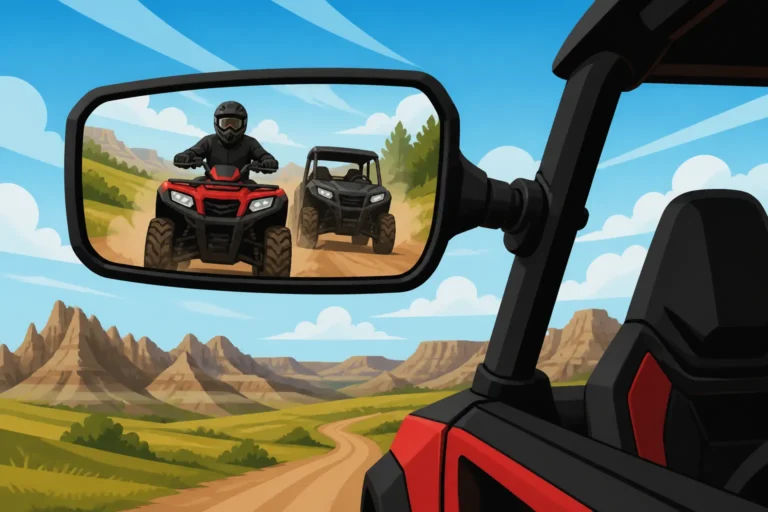
Beyond engine size, your machine needs to be equipped with a range of safety features that are standard on other street-legal vehicles. This includes functional headlights, brake lights, a horn, and at least one rear-view mirror. Imagine driving on a winding park road; these features are crucial for signaling, visibility, and awareness of your surroundings. Turn signals are also a key component for proper road use. Essentially, if you're going to be driving alongside cars, your ATV or UTV needs to be able to communicate its intentions and be seen as clearly as any car or motorcycle. These [South Dakota Street Legal ATV Requirements] are not just suggestions; they are mandates that a law enforcement officer or park ranger will expect your vehicle to meet.
Beyond the Plate: Additional Requirements and Fees
Even once your ATV or UTV is proudly displaying its South Dakota plate, there's another important layer to consider when entering Custer State Park. Many riders confuse vehicle registration with park access, but these are two entirely separate things. Think of it like flying: your driver's license lets you operate a car, but you still need a ticket to get on the plane. The same principle applies here.
The Custer State Park Entrance License
This is often where the confusion arises for visiting ATV and UTV riders. Your South Dakota plate, while essential for legal road use within the park, does not exempt you from the Custer State Park entrance license. This fee is levied on all vehicles entering the park, regardless of whether they are cars, RVs, motorcycles, or plated ATVs/UTVs. The park uses these funds for conservation efforts, maintaining its extensive road network, providing visitor services, and managing its abundant wildlife, including the famous bison herd.
You can purchase daily or annual passes, depending on the length of your stay and whether you plan to visit multiple times throughout the year. It's an important distinction to make: the plate permits your machine to operate on the park's roads, but the entrance license grants you, and your vehicle, access to the park itself. Don't confuse this with a [South Dakota's Motorized Trail Permit], which is specifically for designated OHV trails in the Black Hills National Forest and other areas, not typically for general road use within Custer State Park. While you'll need both if you plan to hit the forest trails and drive through Custer State Park, they are not interchangeable.
Driver's License and Age Requirements
Operating a plated ATV or UTV on any public road in South Dakota, including those within Custer State Park, requires a valid driver's license. This isn't like riding an unplated machine on private land or designated off-road trails where different rules might apply. When you're on a park road, you're considered a motor vehicle operator, and standard driving laws are in effect. So, make sure you have your license on you, ready to present if a park ranger or law enforcement officer requests it. These [South Dakota Driver's License Rules for ATVs] are in place for everyone's safety, ensuring that operators have demonstrated a basic level of driving competence.
Furthermore, age requirements come into play. Generally, to hold a valid driver's license and therefore legally operate a plated machine on park roads, you'll need to be at least 16 years old. If you have younger riders in your group, even if they are experienced on ATVs, they will not be permitted to operate a plated machine on Custer State Park roads unless they meet the state's licensing age. For those under 18, South Dakota's helmet laws also apply more stringently; while adults over 18 have an exemption for helmets on plated machines, riders under 18 must wear a helmet. [South Dakota Helmet Law for ATV Riders] Ensure everyone in your party is aware of these regulations to avoid any unexpected issues during your visit.
Navigating Custer State Park: Where Can You Actually Ride?
Once you've got your plated ATV or UTV, and you've paid your entrance fee, you're ready to explore. But it's crucial to understand that "riding in Custer State Park" doesn't mean "riding anywhere you want." The park has a delicate ecosystem and a strong focus on conservation, which means strict rules about where motorized vehicles can and cannot go.
Designated Roads vs. Trails
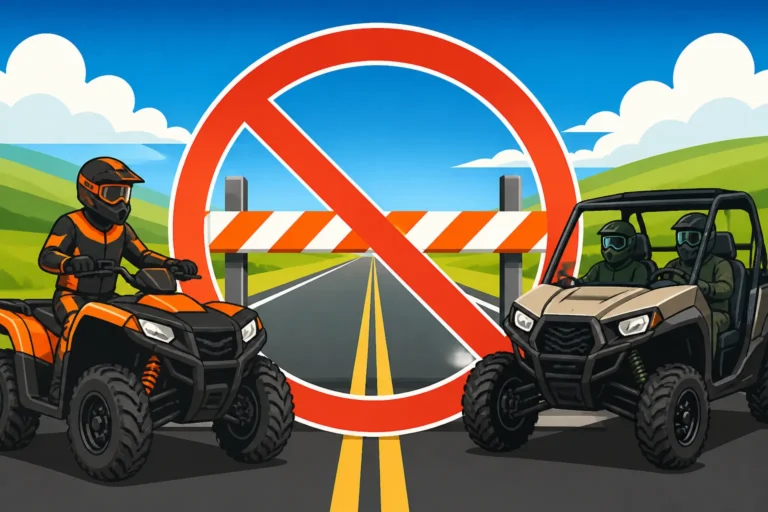
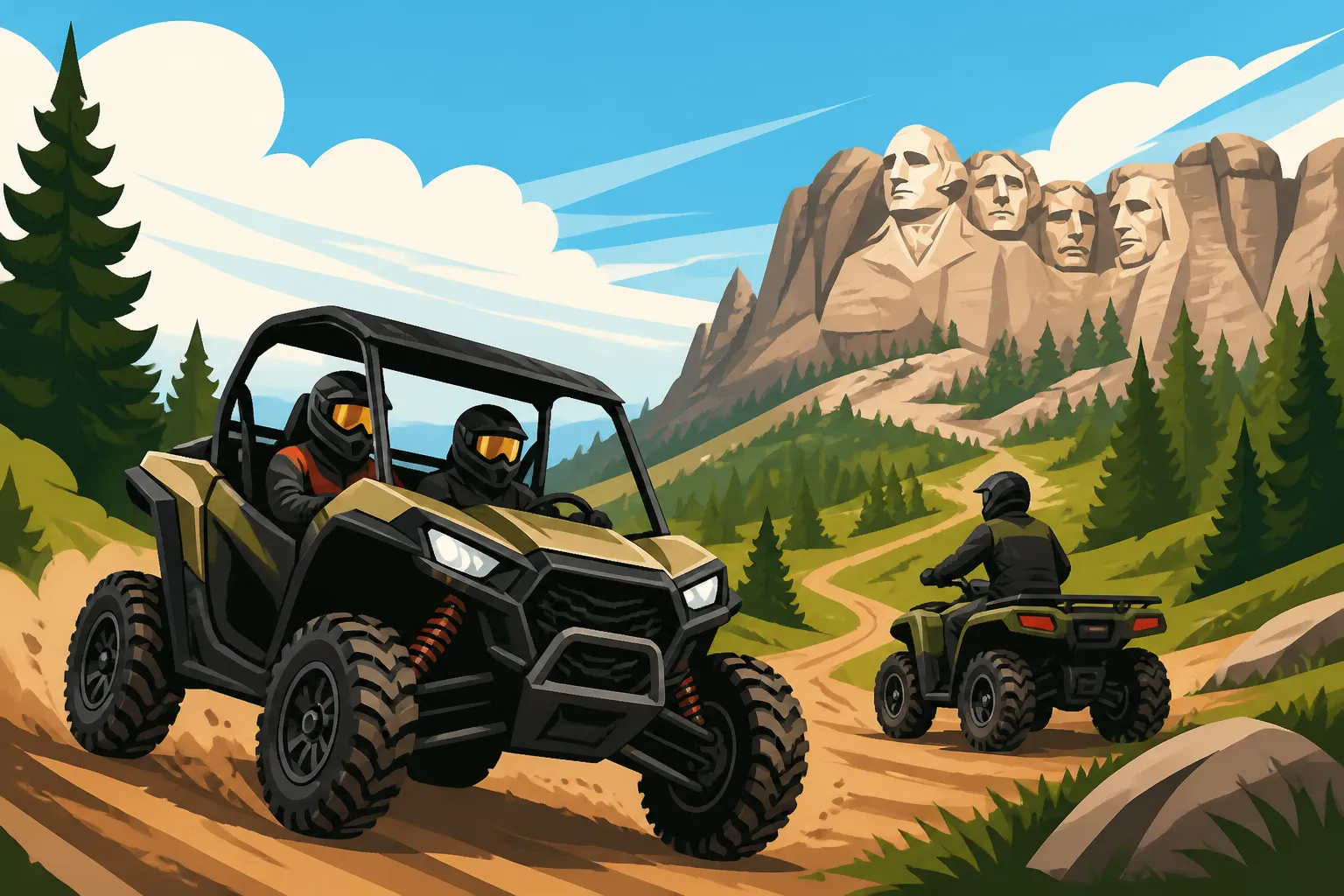
This is perhaps the most important distinction for ATV and UTV riders visiting Custer State Park: you are permitted to ride only on the designated paved and maintained gravel roads open to public vehicle traffic. Custer State Park is explicitly not an off-road park. There are no dedicated ATV or UTV trails that branch off into the wilderness. The park's purpose is to preserve its natural beauty and wildlife, not to provide an off-road playground. Think of your plated ATV or UTV as a smaller, open-air car when you're within park boundaries.
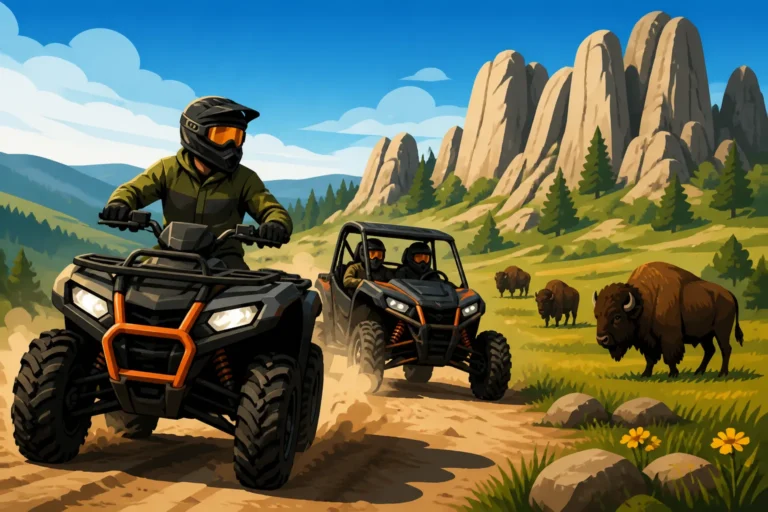
This means you can enjoy breathtaking scenic drives like the Wildlife Loop Road, Needles Highway, and Iron Mountain Road, taking in the incredible vistas and watching for bison, deer, and bighorn sheep. These are all public roads, just like any other, only with more stunning scenery and strict speed limits. However, veering off these established roads, even onto what might look like an old logging track or a dry creek bed, is strictly prohibited. Engaging in "trail riding" or creating new paths will not only damage the fragile environment but will also likely result in a hefty fine. Always stick to the marked roads, understanding that your machine's capabilities are secondary to the park's preservation rules when you're here. The experience of [Riding a State Park Road] is truly unique, but it comes with responsibilities.
Respecting Park Rules and Wildlife
Riding through Custer State Park is an immersive experience, but it requires a high degree of respect for the environment and its inhabitants. Speed limits are not just suggestions; they are carefully set to ensure safety for both human visitors and the abundant wildlife. Imagine coming around a blind curve on your UTV only to find a herd of bison in the middle of the road. Maintaining a safe speed and being prepared to stop is paramount. Always yield to wildlife, giving them plenty of space and never attempting to approach or harass them. Remember, you are a guest in their home.
Beyond wildlife, be mindful of other visitors. Custer State Park is incredibly popular, especially during peak season. You'll share the roads with cyclists, motorcyclists, RVs, and families in cars. Driving courteously, using your signals, and being aware of your surroundings contributes to a positive experience for everyone. Parking is only allowed in designated areas, and littering is strictly forbidden. While a robust machine from a brand like SuperATV might equip you for challenging terrain, within Custer State Park, its purpose is to get you safely and comfortably along the established roads. If you happen to encounter an unexpected obstacle or need to pull off safely to assess a situation, having reliable components can be a real asset, but always within the bounds of park regulations.
Preparing for Your Custer State Park ATV/UTV Adventure
A little preparation goes a long way when you're planning any adventure, and riding your plated ATV or UTV into Custer State Park is no exception. Taking the time to ensure your machine is ready and you know what to expect will help you maximize your enjoyment and avoid any unwelcome surprises.
Pre-Trip Checks for Your Machine
Before you even load up or head out, give your ATV or UTV a thorough once-over. Remember, you'll be operating on public roads, and any mechanical issues could not only ruin your day but also create a hazard for others. Check your tires for proper inflation and any signs of wear; you'll be covering many miles on pavement and gravel. Top off all fluids – oil, coolant, and brake fluid – and inspect your brakes to ensure they are fully functional. This is critical for safety on the park's winding, sometimes steep, roads.
Confirm that all your road-legal equipment is in perfect working order. Do your headlights shine bright? Do your brake lights illuminate when you press the pedal? Is your horn loud and clear? Does your rear-view mirror provide a good field of vision? Even small details like ensuring your turn signals are working are important for communicating with other drivers. Carrying a basic tool kit, a tire repair kit, and a small first-aid kit is always a smart move. While Custer State Park is accessible, help can sometimes be a ways off, and being self-sufficient can make all the difference.
Planning Your Route and Staying Informed
Custer State Park is vast and offers numerous scenic drives and points of interest. Spend some time before your trip reviewing park maps to plan your route. Consider how much time you want to spend exploring, what sights you want to see, and where you might want to stop for photos or a picnic. Remember that cell service can be spotty in some areas of the Black Hills, so having a physical map or downloaded digital maps is a good idea.
Always check for any current road closures or special advisories before you head out. Weather in the Black Hills can be unpredictable, especially during the shoulder seasons. Spring can bring unexpected snow or heavy rains, leading to muddy conditions on some gravel roads, while autumn offers stunning foliage but can also see early frosts. [South Dakota Riding in Spring] and [South Dakota Riding in Autumn] can be beautiful but require checking conditions. Also, keep in mind that fuel stations are limited within the park itself, so plan your fuel stops accordingly, perhaps topping off in nearby towns like Custer, Keystone, or Hill City before you enter. Being prepared ensures you can fully immerse yourself in the natural wonder of Custer State Park without worry.
Disclaimer
This article is for general informational purposes only and does not constitute professional advice. Laws, prices and regulations vary by location and change over time. Consult a qualified professional for guidance on your specific situation.