Clearing a Lien at a Lawrence County Window
It's incredibly frustrating when you've finally paid off that ATV or UTV loan, celebrated that last payment, and then realize the paperwork isn't quite done. That pesky lien is still hanging over your title, making it feel like you don't fully own your machine even though you’ve paid every dime. Getting that lien officially removed from your South Dakota title, especially when you need to do it at the Lawrence County Treasurer's office, can seem like another hurdle in a long race. This guide is here to walk you through exactly what you need to do to clear that lien, ensuring your title reflects your full ownership, free and clear.
Understanding What a Lien Means for Your ATV or UTV Title
Before we dive into the nitty-gritty of getting that lien removed, let's chat for a moment about why it's there in the first place and what it actually signifies for your beloved off-road machine. It’s not just some random notation; it’s a very practical legal tool.
Why a Lien Gets Placed on Your Title in the First Place
Think of a lien as a lender's way of saying, "Hey, we helped you buy this, so we have a claim on it until you pay us back." When you purchase an ATV, UTV, or side-by-side using financing—whether it's through a dealership, a bank, or a credit union—that financial institution wants to protect its investment. They're lending you a significant amount of money, and if for some reason you can't make your payments, they need a way to recoup their losses.
So, they place a lien on your machine's title. This legally establishes their interest in the vehicle. It's a very common practice, standard for almost any financed large purchase, from cars to homes to off-road vehicles. This notation on your title basically tells the world that there's an outstanding debt tied to that specific ATV or UTV. Until that debt is satisfied, the lender retains a legal interest, even though you have possession and use of the machine.
The Impact of an Active Lien on Your Machine
An active lien on your ATV or UTV title means you don't have what's called "clear title." While you're the registered owner and you're making payments, you can't fully transfer ownership to someone else without the lien holder's consent. This becomes a real headache if you decide to sell your machine or use it as collateral for another loan. Imagine finding the perfect buyer for your well-maintained side-by-side, only to realize you can't complete the sale because the bank still has a claim on it. The buyer won't get a clean title, and most reputable buyers won't even consider the purchase until that lien is gone.
Even if you're not planning to sell, it's just good practice to have a clear title. It removes any legal encumbrance and ensures that your asset is truly yours, free and clear. You don't want any surprises down the road, and having a clean title ensures you have full legal control over your property. Until that lien is officially cleared and removed from the public record, it's still "active" in the eyes of the law, regardless of whether you've made your final payment.
Gathering the Essential Documents for a Lien Release
Alright, you've paid it off! That's a huge accomplishment. Now, let's get that title looking as clean as your riding trails after a good rain. To do this, you’ll need to gather a few crucial pieces of paperwork. Missing even one could mean a wasted trip to the Lawrence County Treasurer's office, and nobody wants that.
The All-Important Lien Release Form
This is the big one, the golden ticket, the document that proves you're done. After you make your final payment on your ATV or UTV loan, your lender (whether it's your bank, credit union, or the finance company associated with the dealership) is legally obligated to send you a lien release. This form will explicitly state that the lien on your specific vehicle (identified by its VIN) has been satisfied and that they no longer have any claim to it.
This form might come in the mail a few weeks after your final payment clears. Sometimes it’s a separate document, sometimes it's simply a signed-off section on the original title itself. It’s absolutely critical that you receive this document and keep it safe. If it doesn't show up within a reasonable timeframe (say, 2-4 weeks after your final payment), don't hesitate to call your lender. Politely but firmly follow up. They should have a process in place to send it to you. Losing this form can be a real pain, so treat it like gold once it arrives. [South Dakota ATV Lien Release] details some of the specifics around this.
Your Original South Dakota ATV/UTV Title
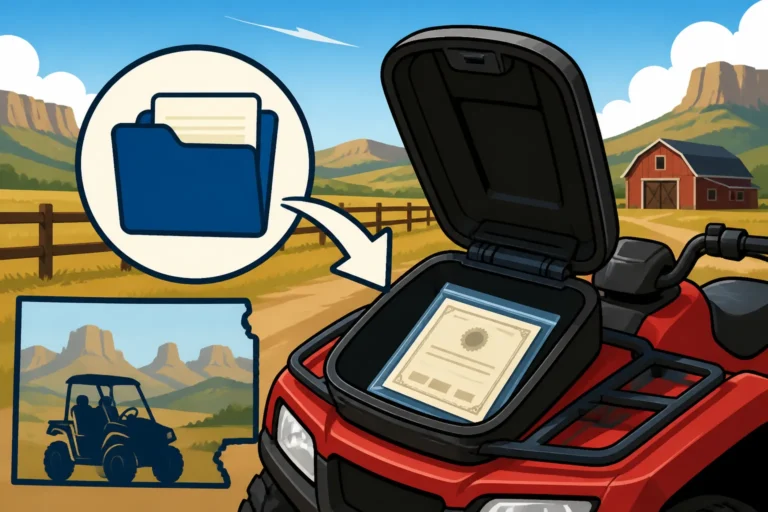
While the lien release form proves the debt is paid, you still need the actual title certificate for the lien to be physically removed and for a new, clear title to be issued. The South Dakota County Treasurer's office needs to see the original paper title. They cannot accept a photocopy, a picture on your phone, or any other facsimile. This is because they will typically physically note the release on the original document, or more commonly, surrender the original title and issue a brand-new one without the lien notation.
If your original title was mailed directly to you after purchase and you held onto it while the lien was active (which is common in some states, though not always in South Dakota where the lender might hold it), make sure you have it readily available. If the lienholder kept the original title, they should send it to you along with the lien release, or send it directly to the county treasurer. If you can't find your original title, you'll need to go through the process of applying for a duplicate title before you can clear the lien. This is an additional step and another fee, so do your best to locate it! You can find more information about this process in [Replacing a Lost South Dakota Title].
Personal Identification and Payment for Fees
Just like with any official government transaction, you'll need to prove who you are. Bring a valid, government-issued photo ID, such as your driver's license or state identification card. This allows the county treasurer's staff to verify you are indeed the rightful owner of the ATV or UTV listed on the title.
Additionally, while clearing a lien doesn't usually incur a massive fee, there might be a small administrative charge to process the new title or record the lien release. For example, if a lien was noted, the original [South Dakota's $10 Lien Notation] fee covers the initial recording. There might also be a nominal fee for issuing a new, clean title. It's always a good idea to call ahead to the Lawrence County Treasurer's office or check their website to confirm current fees and accepted payment methods. Many county offices accept cash, checks, or debit/credit cards, but it’s best to be prepared for any scenario.
The Step-by-Step Process at the Lawrence County Treasurer's Office
Okay, you've got all your documents in hand, you've triple-checked them, and you're ready to make that trip. Now, let's walk through what you can expect when you actually arrive at the Lawrence County Treasurer's office to get that lien officially removed. It's a straightforward process, but knowing the steps can ease any anxiety.
What to Expect When You Arrive
Your journey to a clear title will take you to the Lawrence County Treasurer's office. This is the local hub for many vehicle-related transactions, including titling and registration for ATVs and UTVs. South Dakota delegates these tasks to county treasurers, which is why you'll be dealing with them directly rather than a state-level DMV for this particular process. You can learn more about this in [Why a County Treasurer Handles South Dakota Titles].
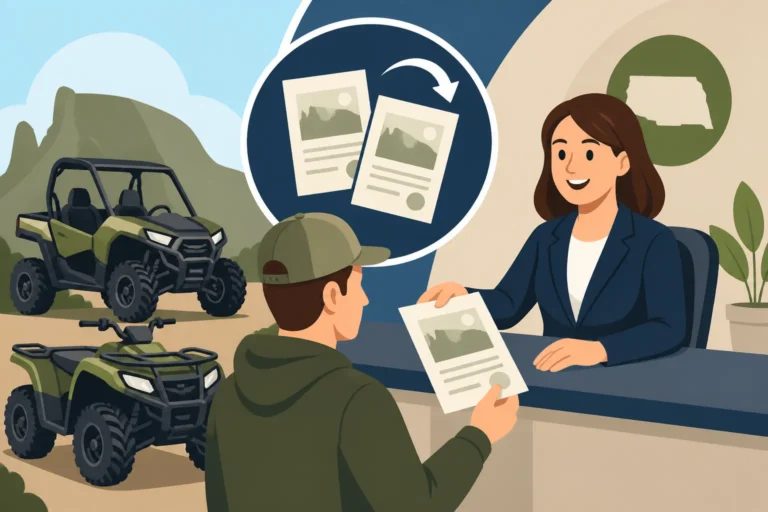
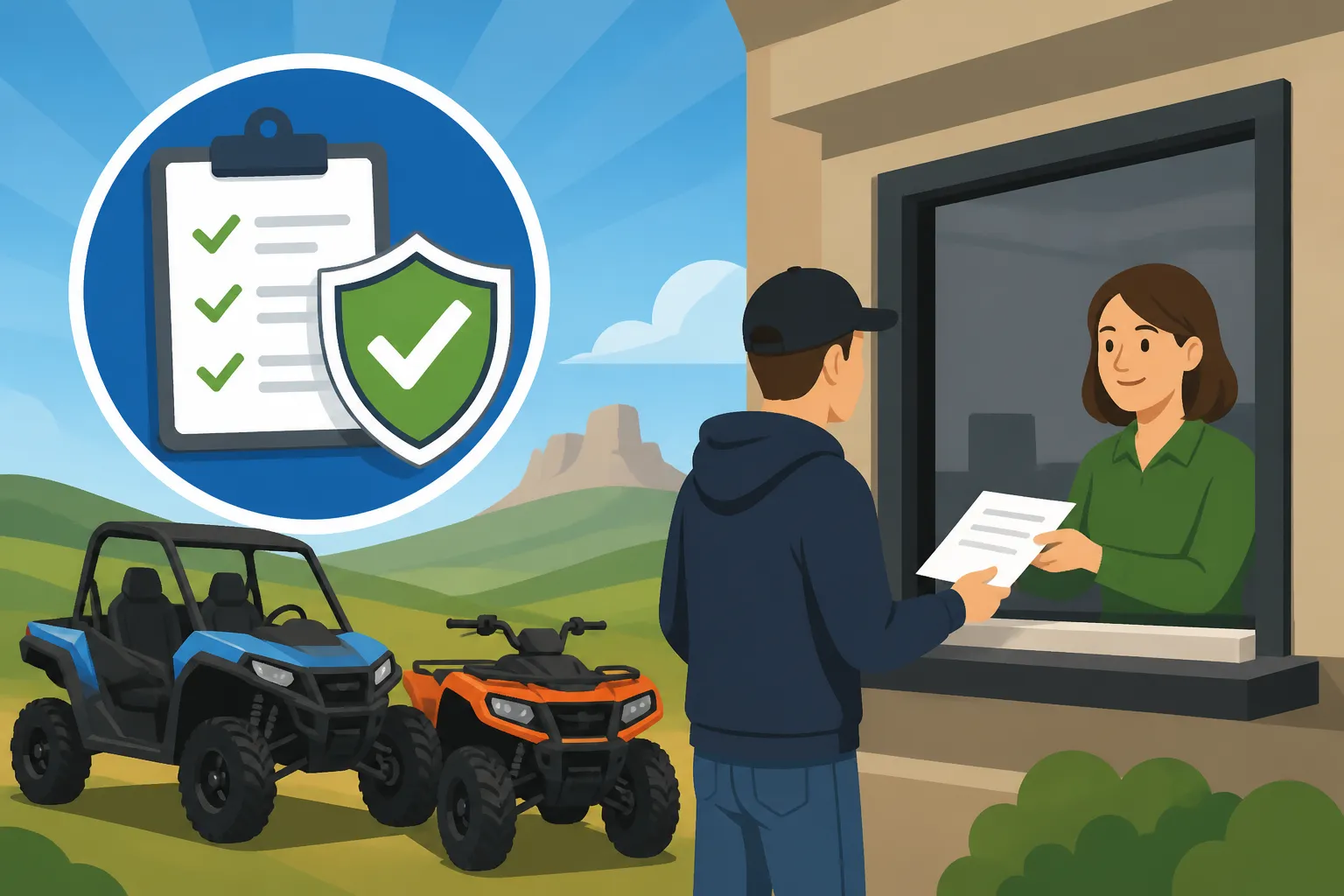
When you arrive, you'll typically take a number or wait in line, much like at any other government office. Make sure you have your lien release document, your original South Dakota ATV/UTV title, and your personal ID readily accessible. When it's your turn, approach the counter, state clearly that you are there to clear a lien from your ATV or UTV title, and present your documents to the clerk. They handle these types of transactions regularly, so they'll know exactly what you're talking about.
Reviewing Your Paperwork and Processing the Release
Once you've handed over your paperwork, the clerk will meticulously review everything. They will compare the Vehicle Identification Number (VIN) on your original title with the VIN on the lien release form to ensure they match perfectly. They'll also verify that the lien release is properly executed by the financial institution – this means it should be signed, dated, and clearly state that the lien has been satisfied. Don't be surprised if they take a moment to double-check the legitimacy of the release.
After confirming everything is in order, the clerk will process the lien release within their system. This typically involves updating the vehicle's record to show that the lien holder's interest has been extinguished. In most cases, they will take your old title (the one with the lien listed) and then process a new, clean title that shows no liens whatsoever. This new title might be printed on the spot, or it might be mailed to you within a few business days, depending on the county's specific procedures and current workload. Always ask the clerk for an estimated timeframe for receiving your new title.
Receiving Your Clean Title
This is the moment of truth! Once the processing is complete, you'll either walk out with your brand-new, clean title in hand, or you'll be given confirmation that it will be mailed to you shortly. When you receive the new title, take a moment to carefully inspect it. Look for a few key things:
- Absence of Lien Holder Information: The most important detail is that there should be no mention of the previous lien holder in the designated section for liens. This space should now be blank or marked as "none."
- Correct Owner Information: Double-check that your name and address are correct as the sole owner.
- Accurate Vehicle Details: Ensure the VIN, make, model, and year of your ATV or UTV are all correct on the new title.
Getting this new title signifies that the lien has been completely and officially removed from the public record in South Dakota. You now have full, clear ownership of your machine. Keep this new original title in a safe place, as it is the ultimate proof of your ownership. It's truly a great feeling to finally hold that clear title, knowing your hard work paying off the loan has culminated in complete ownership.
Common Pitfalls and How to Avoid Them
Even with the best intentions and all your ducks in a row, the process of clearing a lien can sometimes hit a snag. Knowing what these common pitfalls are ahead of time can help you either avoid them altogether or navigate them smoothly if they arise.
Delays in Receiving the Lien Release
This is perhaps the most common frustration. You've made your final payment, you're ecstatic, and you expect that lien release to show up in your mailbox within days. But weeks go by, and nothing. This delay can be due to a few factors: internal processing times at the lender, mail delivery issues, or even human error.
If you find yourself in this situation, don't just wait indefinitely. Be proactive. Call your lender and politely inquire about the status of your lien release. Have your loan account number and VIN handy. If they say it was sent, ask for the date it was mailed and confirm the address they sent it to. If it still doesn't arrive, you might need to request a duplicate lien release from them. Most lenders have a process for this, though it might take another week or two. Remember, the Lawrence County Treasurer's office cannot remove the lien without this official document from your lender, so persistence here is key.
Lost or Mismatched Paperwork
There are two critical documents you need: the lien release and your original title. What happens if one of them goes missing? Or worse, what if there's a discrepancy between them? Losing your original title is a significant setback, as the county treasurer requires it. If this happens, you'll need to apply for a [South Dakota ATV Duplicate Title Cost] at the county treasurer's office before you can proceed with the lien release. This adds time and a fee to your process.
Similarly, if the VIN on the lien release form doesn't perfectly match the VIN on your title, or if your name is misspelled, the treasurer's office will likely reject the submission. They need everything to be exact to ensure they're releasing the correct lien from the correct vehicle for the correct owner. If you spot a mismatch, you'll need to contact your lender immediately to get a corrected lien release form. It's a hassle, but it's a non-negotiable step to ensure legal accuracy. It’s always a good idea to thoroughly review all documents as soon as you receive them, especially the lien release, to catch any errors early.
Mistakes on the Lien Release Document
It might seem minor, but even small errors on the lien release document itself can cause headaches. Perhaps the lender's representative forgot to sign it, or they dated it incorrectly, or the specific language isn't quite what the county requires. While the lien release itself might be fairly standardized, South Dakota county offices have specific requirements to ensure the document is legally sound for their records.
If the treasurer's office identifies an issue with the form, they won't be able to process your request. You'll be sent back to your lender to get a corrected or re-executed document. This can be incredibly frustrating, especially if you've already made the trip to the county office. To minimize this risk, when you first receive your lien release, check for:
- A clear statement that the lien is satisfied.
- The correct VIN for your ATV/UTV.
- Your correct name as the borrower.
- The lender's name and contact information.
- An authorized signature from the lender.
- The date of the release.
If anything looks off, contact your lender before you head to the treasurer’s office. Getting it right the first time saves you a significant amount of time and aggravation. Once you have that clean title, you might also want to look into other documents for your ATV, such as a proper bill of sale if you ever decide to sell it. Tools like LawDepot can be quite helpful for creating professional, legally sound forms for such future transactions.
Here’s a quick summary of the documents you’ll need:
| Document | Purpose | Source | Key Details to Check |
|---|---|---|---|
| Lien Release Form | Proves loan is paid off, lien is satisfied | Your Lender (Bank, Credit Union, Finance Co.) | Correct VIN, owner name, lender signature, date. |
| Original South Dakota Title | The physical document where lien is recorded | Either you or the Lender | Matches VIN, make, model of your machine. |
| Valid Photo ID | Verifies your identity as the owner | Government-issued (Driver's License, State ID) | Current, clear photo, correct name. |
| Payment for Fees | Covers processing or new title issuance | Your Funds | Check with Lawrence County Treasurer for accepted methods and current amounts. |
Disclaimer
This article is for general informational purposes only and does not constitute professional advice. Laws, prices and regulations vary by location and change over time. Consult a qualified professional for guidance on your specific situation.