Ordering a Duplicate at the Treasurer
It’s a situation many of us have faced: you go to sell your beloved ATV or UTV, or maybe you just need to access its vital information, and you suddenly realize your title is nowhere to be found. Whether it’s vanished in a move, been damaged by a leaky roof, or worse, stolen, not having that crucial piece of paper can throw a real wrench in your plans. This guide is here to walk you through the clear, actionable steps for ordering a duplicate ATV or UTV title directly from your South Dakota County Treasurer, ensuring you can get back on track without unnecessary stress.
Why a Duplicate Title Becomes Absolutely Essential
Let's be honest, that paper title for your ATV or UTV often ends up tucked away in a filing cabinet, a glove box, or some "safe place" we promptly forget. But it's more than just a piece of paper; it's the legal document that proves you are the rightful owner of your machine. Without it, you can run into a whole host of frustrating problems. Imagine trying to sell your quad: no buyer in their right mind will hand over cash without a clean title in hand. They need to see that chain of ownership, proving the machine isn't stolen and that they'll be able to register it themselves.
Furthermore, if you ever need to file an insurance claim after an accident or theft, your insurance company might ask for proof of ownership, and that title is the gold standard. Even simple things, like getting a loan against your machine or moving it to another state, often require a clear, physical title. People often make the mistake of thinking a photo on their phone or a bill of sale is enough, but when it comes to official state business, the actual, original title is what the county treasurer wants to see. This is why when that document goes missing or gets damaged, getting a replacement isn't just a good idea—it's a critical necessity for maintaining the legal standing of your ownership. Losing it can feel like losing a part of your machine itself, causing a headache that could easily be avoided with a quick replacement process.
The Specific Reasons You Might Need a Replacement
Life happens, and sometimes that little slip of paper proving your ownership can disappear in the most unexpected ways. Understanding why you need a duplicate can help you gather your thoughts and prepare for the process, even if the reason feels frustratingly simple.
When Your Original Title is Lost or Stolen
This is probably the most common scenario, and it's certainly the most aggravating. You tear apart your house, empty every drawer, and check every "safe place," only to realize your title has truly vanished. Maybe it slipped out of a folder during a move, or perhaps it was in a wallet that went missing. In the unfortunate event of theft, not only is your machine gone, but the crucial paperwork proving you owned it might be too. When your original title is lost or stolen, it leaves a gap in the legal record of ownership, making a duplicate absolutely necessary. You can't just operate with a handshake and a memory; the state requires that document. In these cases, it's not uncommon to need to attest to the loss, sometimes with a sworn affidavit. Services like LawDepot can be incredibly helpful for finding templates for such legal declarations, ensuring you cover all your bases if you need to formally declare that your original document is gone.
When Your Title Has Been Damaged Beyond Recognition
Sometimes the title isn't gone, but it's been through the wringer. Maybe it got caught in a flood, chewed by a curious puppy, or accidentally run through the washing machine with your riding gear. If the information on the title is unreadable, or if crucial sections like the VIN or your name are obliterated, it's essentially useless for official purposes. A damaged title, even if you still physically possess it, can't be used to transfer ownership or prove identity because it's no longer a clear, verifiable document. Imagine trying to make out important details on a soggy, faded piece of paper – the county treasurer will simply shake their head and tell you to get a replacement. It’s a frustrating situation, but one that’s easily remedied by applying for a fresh, clean duplicate.
After a Lien Has Been Released
This one is less about loss or damage and more about clearing up a technicality. If you purchased your ATV or UTV with a loan, the lender likely held the original title, or at least had a lien noted on it. Once you pay off that loan, the lender is supposed to send you the lien release documentation, and in some cases, the original title with the lien removed, or a statement that allows you to get a clear title. However, sometimes the lender just sends the release, and you're left with a title that still shows the lien, even though it's paid off. Or, perhaps the lender held the title and then accidentally lost or damaged it after the payoff. In these instances, you'll need to apply for a duplicate title that shows your machine is now free and clear of any encumbrances. This clear title is essential for future sales or transfers, as it definitively shows no other parties have a claim on your machine. You might need to provide the lien release document when you apply for your new, clean title. This ensures the county records reflect your full ownership without any lingering financial claims.
The Step-by-Step Process for Ordering Your Duplicate Title
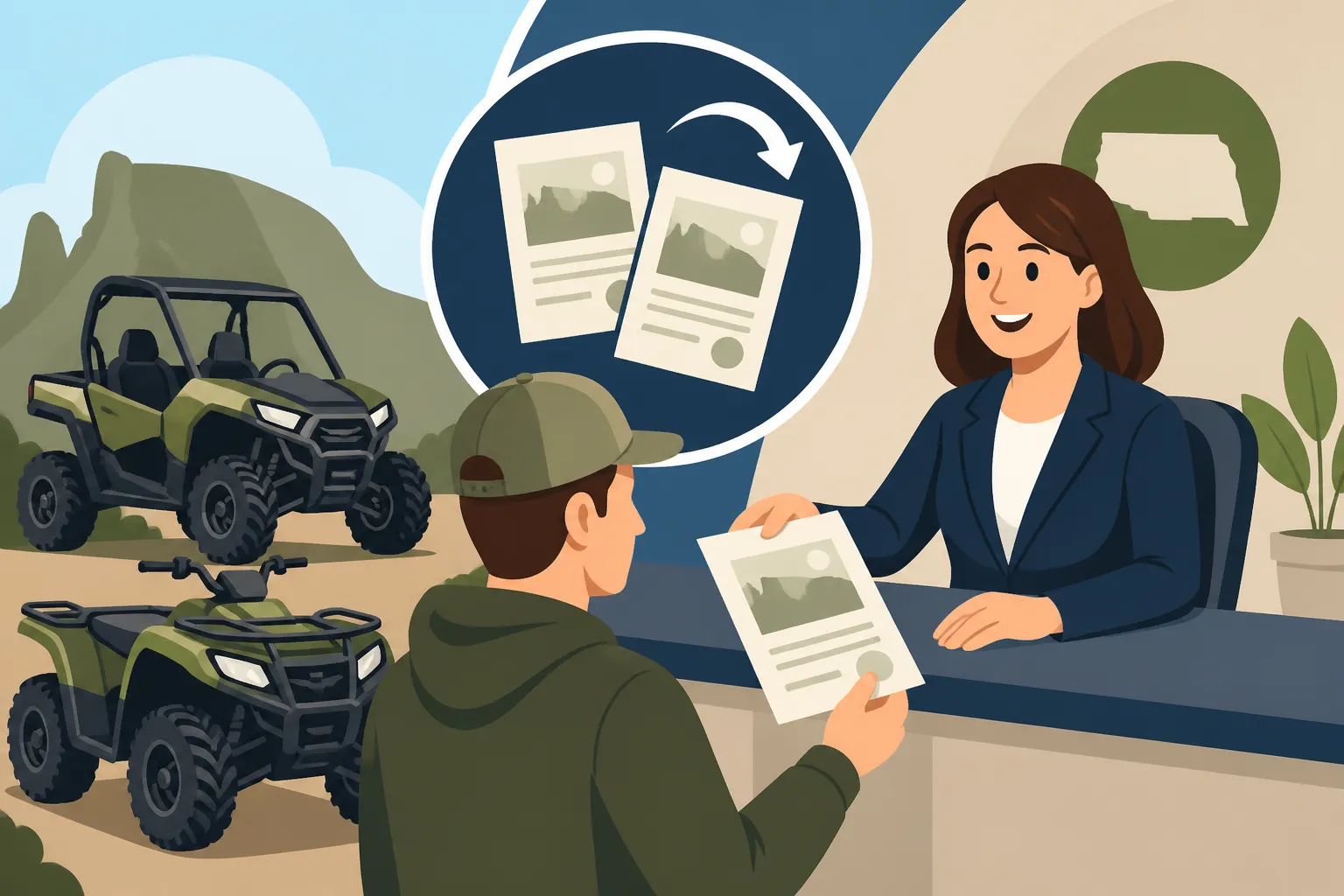
Okay, so you've determined you absolutely need a duplicate title. Don't fret! The process in South Dakota is fairly straightforward, handled right at your local County Treasurer's office. You won't be dealing with some distant, anonymous state agency; it's a local, accessible service.
Step 1: Gather Your Essential Documentation
Before you even think about heading to the treasurer's office, you need to arm yourself with the right paperwork. This is where most people get tripped up, causing unnecessary return trips.
First and foremost, you'll need a completed [South Dakota's Title and Registration Application]. This is the master form for almost anything title-related in South Dakota. You can usually download it from the South Dakota Department of Revenue website or pick up a physical copy at your County Treasurer's office. Fill it out completely and accurately. Don't leave any blanks.
Next, you'll need proof of identity. This typically means a valid driver's license or state-issued ID. Make sure it's current and clearly shows your photo and signature. If there are two owners on the title, both individuals may need to be present with their IDs, or one can act with proper power of attorney, which itself would need to be notarized and presented.
Finally, and this is crucial if your original title is truly gone, you'll need some form of ownership verification. This could be your previous registration card, a bill of sale from when you purchased the machine, or a sworn affidavit of ownership if you have absolutely no other paper trail. For crafting a solid bill of sale or an affidavit, especially if you're dealing with a lost original, resources like LawDepot can provide customizable templates that ensure all necessary legal information is included, making your case clearer to the treasurer. While the treasurer doesn't need your copy of the old title, they do need to verify that you are, in fact, the owner requesting the duplicate. If you’re coming from a situation where you never properly received the title, or it was lost before transfer, the process can get a bit more complex, sometimes falling under [Titling a Machine With No Papers].
Step 2: Understand the Associated Fees
There are specific costs associated with getting a duplicate title in South Dakota, and it's always best to be prepared so you're not caught off guard at the counter.
The primary fee for a duplicate title itself is generally quite modest. You can expect to pay what is known as [South Dakota's $10 Duplicate Title] fee. This covers the administrative cost of processing and issuing the new document.
In addition to the duplicate title fee, you will also encounter [South Dakota's $2 Technology Fee]. This is a fairly recent addition, often applied to various motor vehicle transactions to help fund technological improvements within the state's systems.
It’s always a good idea to bring cash or a check, as not all county treasurers accept credit or debit cards, or they may charge an additional convenience fee for card transactions. Verify with your specific County Treasurer's office before you go to avoid any last-minute payment hassles. Remember, these fees are fixed and non-negotiable, so budgeting for them is a simple part of the process.
Step 3: Visit Your South Dakota County Treasurer
This is the central hub for all your titling needs. South Dakota's system for titling ATVs and UTVs is decentralized, meaning you deal with your local county government, not a central state office. This can be a huge benefit, as you're working with local staff who are often more familiar with common local issues and can offer personalized guidance.
You must visit the County Treasurer's office in the county where you reside. If you have a mail-forwarding address but no physical residence in South Dakota, you might run into specific rules, like [Why a Mail-Forwarding Address Triggers South Dakota's Fee]. It's crucial to understand that [Why the Treasurer Will Only Take the Original Title] (or a sworn statement of its loss) and your physical presence (or that of an authorized agent) is usually required. They will not accept a photo of your title from your phone as legitimate proof.
Present all your gathered documents and fees to the counter. The staff will review your application, verify your identity, and process the request. Be prepared to answer any questions they might have about how the original title was lost, stolen, or damaged. Being upfront and having your supporting documents ready will make the process much smoother. If everything is in order, they'll collect the fees and provide you with a receipt. Sometimes, they can even give you an immediate temporary document, though this isn't always standard for duplicates.
Step 4: What to Expect After Application
Once you've submitted your application and paid your fees, the waiting game begins. You won't walk out with a brand-new title in hand that very day.
Typically, the County Treasurer's office will process your request and mail the new duplicate title to your address of record. The timeframe for this can vary, but generally, you can expect it to arrive within a few weeks. You might want to mentally prepare for the typical processing time mentioned in discussions like [How Long Before a Title Arrives From the County]. During peak seasons, such as spring when everyone is getting their machines ready for the trails, things might take a little longer. It's not like ordering something online with next-day shipping; these are official government documents, and they take time to create and mail securely.
Make sure your mailing address is correct on the application, as the new title will be sent there. If your address has recently changed, be sure to update it with the County Treasurer's office. Once it arrives, double-check all the information on the duplicate title to ensure it's accurate and reflects your ownership correctly. This new duplicate title holds the exact same legal weight as your original, so you'll want to store it in a very secure place, perhaps even considering a fireproof safe or a digital scan for your records (though remember, the digital scan is NOT a substitute for the physical document for official transactions). If you're on a ranch, consider [Where to Keep an ATV Title on a Ranch] to ensure its safety and accessibility.
Common Pitfalls and How to Avoid Them
Even with a seemingly simple process like ordering a duplicate title, there are always a few areas where folks can get tripped up. Knowing these common mistakes ahead of time can save you a lot of grief and wasted time.
Missing or Incomplete Paperwork
This is by far the most common reason for delays. You show up at the treasurer's office, eager to get your new title, only to realize you forgot a crucial piece of identification or didn't fully complete the application form. The staff at the County Treasurer's office are there to help, but they cannot legally process your request if your paperwork is not in order. They’re simply following state guidelines.
To avoid this, treat your visit like a pre-trip checklist for a long ride:
- The Application Form: Download and fill out [South Dakota's Title and Registration Application] completely before you go. Don't leave any blank spaces you're unsure about; if you genuinely don't know, put "N/A" or call the treasurer's office beforehand.
- Proof of Identity: Have your current driver's license or state ID ready. If you're acting on behalf of someone else, ensure you have a notarized Power of Attorney document.
- Proof of Ownership: If your original title is utterly gone, bring your old registration, a bill of sale, or a formal affidavit. For complex situations where you need to create a formal declaration of lost documents, LawDepot can provide excellent resources for drafting legal affidavits to bolster your claim of ownership.
Unpaid Liens or Prior Encumbrances
Sometimes, a duplicate title request can uncover an old lien that you thought was settled or simply forgot about. If a previous lender still has a lien noted on your machine's record, even if you paid it off years ago, the county treasurer won't be able to issue a clean duplicate title directly to you. You'll need to get a formal lien release from that lender first. This can be a hassle, especially if the lender has gone out of business or it's an old, forgotten debt. Before applying for your duplicate, it’s a good idea to perform a quick title search or ask the treasurer’s office if there are any known liens on your VIN. Resolving a lien proactively, such as with a document like a [South Dakota ATV Lien Release], will prevent a frustrating delay in getting your new title.
Sending Applications by Mail (When Not Permitted)
While it might seem convenient to just drop your application and check in the mail, many County Treasurer's offices, especially for duplicate titles, prefer or even require in-person applications. This is largely due to the need to verify your identity and ensure all documentation is correct. [Mailing a Title Application to a County Treasurer] might be an option in some very specific circumstances, or for simple renewals, but for a duplicate title, a face-to-face interaction is often required. Always call ahead to your specific County Treasurer's office to confirm their policy. Don't just assume; a mailed application that gets rejected will only delay your process and could even put your personal information at risk if not handled properly. Save yourself the stress and confirm before you send.
| Required Item | Description | Why It's Needed |
|---|---|---|
| Completed Application (Form) | South Dakota's Title and Registration Application, fully filled out. | Official request for the duplicate title. |
| Valid Photo ID | Current driver's license or state-issued ID. | To verify your identity as the registered owner. |
| Ownership Verification (If no title) | Previous registration, bill of sale, or sworn affidavit. | To confirm you are the legitimate owner of the machine. |
| Duplicate Title Fee | South Dakota's $10 Duplicate Title fee. | Covers the cost of issuing the new physical title document. |
| Technology Fee | South Dakota's $2 Technology Fee. | State administrative fee for system improvements. |
| Lien Release (If applicable) | Formal document from a lender stating a loan has been paid off. | To ensure your new title is free of financial encumbrances. |
Incorrect VIN Information
The Vehicle Identification Number (VIN) is like your machine's fingerprint—it's unique and absolutely critical for accurate record-keeping. If you accidentally provide an incorrect VIN on your application, or if the VIN on your supporting documents doesn't match the state's records, it will cause an immediate halt to your duplicate title request. This is particularly important when dealing with used machines where the VIN might be stamped in a hard-to-read spot or has faded over time. Always double-check your VIN directly on the machine itself before filling out the application. Compare it against any old registration cards or bills of sale you might have. Errors here are not minor; they can lead to significant delays as the treasurer's office will need to verify the correct VIN before they can proceed. Utilizing a [Checking a VIN Before a South Dakota Purchase] process helps prevent these issues from the start, but if you're already in this situation, meticulous verification is key.
Disclaimer
This article is for general informational purposes only and does not constitute professional advice. Laws, prices and regulations vary by location and change over time. Consult a qualified professional for guidance on your specific situation.