South Dakota Helmet Law for Passengers
It’s a fantastic feeling to share the open air and the thrill of the trail with friends and family, especially when you’re out exploring the incredible landscapes South Dakota has to offer on your ATV or UTV. But before you load up for an adventure, you might find yourself scratching your head, wondering about the specific rules for your passengers, particularly when it comes to helmets. It’s a common point of confusion, and nobody wants to be caught off guard or, more importantly, put a loved one at risk. This guide is here to clear up exactly what South Dakota law requires for your ATV and UTV passengers regarding helmets, so you can ride with confidence and peace of mind.
Decoding South Dakota's Helmet Laws for Your ATV & UTV Passengers
South Dakota is all about enjoying the great outdoors, and that includes safely navigating its trails and roads on your off-road vehicle. When it comes to carrying passengers, especially the younger crowd, the state has clear guidelines to ensure everyone's safety. Understanding these rules is the first step toward a worry-free ride, whether you're tackling the challenging terrain of the Black Hills National Forest or cruising along a scenic prairie two-track.
The Age Threshold and Mandatory Helmet Use
Let's cut right to the chase: South Dakota law is pretty straightforward when it comes to helmets for younger passengers on ATVs and UTVs. Any passenger who is under the age of eighteen (18) years old is legally required to wear a protective helmet while riding on an off-road vehicle. This isn't just a suggestion; it's a firm rule designed with the safety of our youth in mind. It doesn't matter if they are just hopping on for a quick spin around the ranch or embarking on a multi-hour trail expedition; if they're under 18, that helmet needs to be securely fastened.
This rule emphasizes the state's commitment to protecting those most vulnerable in the event of an accident. While adult riders might have more discretion, the law recognizes that younger passengers may not have the same reaction times, experience, or physical resilience. Imagine a sudden bump on a gravel road or an unexpected turn on a forest trail; a properly fitted helmet can make all the difference in preventing serious head injuries. So, whether it's your child, grandchild, niece, nephew, or a friend's child, the helmet is non-negotiable for anyone under 18. This applies universally across public lands and public roads where ATV/UTV use is permitted. For more on general rider rules, check out [South Dakota Helmet Rules for ATV Riders].
What South Dakota Considers an Off-Road Vehicle for Passenger Rules
The helmet law for passengers under 18 specifically applies to what South Dakota legally defines as an "off-road vehicle" (ORV). This is an important distinction because it clarifies which machines are subject to this rule. Generally, an ORV includes ATVs (All-Terrain Vehicles) and UTVs (Utility Terrain Vehicles), also commonly known as side-by-sides. These are typically designed for off-highway use and are built to handle various terrains. The critical part is that if your machine fits the description of an ORV, then the passenger helmet law applies.
It's helpful to remember that the state's definition of an ORV is quite broad, encompassing a range of vehicles from traditional quads to multi-passenger side-by-sides. The intent is to cover any open-air vehicle primarily designed for off-pavement adventures, where the risks of falls or rollovers are inherent. You can dive deeper into the specific classifications by reading [What South Dakota Counts as an Off-Road Vehicle]. The key takeaway here is that if you're carrying a passenger under 18 on one of these machines, a helmet is a must, regardless of whether it's a single-rider ATV with a permissible passenger seat or a four-seat UTV.
While UTVs often come with robust roll-over protection systems (ROPS) and seatbelts, these features do not negate the helmet requirement for younger passengers. Helmets offer protection against impacts with objects, debris, or even the vehicle's interior components during an incident. Even at slower speeds, an unexpected jolt can cause a passenger to hit their head. Ensuring your machine is equipped for multiple riders safely, perhaps with accessories from a trusted brand like SuperATV, is a smart move, but it doesn't replace the individual protection of a helmet for minors.
Public vs. Private Land: Where the Law Applies
A common question that arises is whether these helmet laws apply everywhere you ride in South Dakota. The short answer is that state laws, including those pertaining to helmets, primarily govern the use of ATVs and UTVs on public lands and public roads where such use is allowed. This includes places like the vast network of trails in the Black Hills National Forest, state parks that permit ORVs, and designated ditch riding areas. When you're on public property, you are expected to abide by all state statutes.
However, the situation can be different on private land. If you're riding exclusively on private property, such as your own ranch, farm, or land belonging to a friend or family member, state helmet laws typically do not apply in the same way. On private land, the landowner or operator generally sets the safety rules, and while they might strongly encourage or even require helmets for all riders and passengers, it's not enforced by state law. Still, just because the law might not mandate it doesn't mean safety should be overlooked. It's always best practice to have everyone, especially those under 18, wear a helmet regardless of the riding location. After all, accidents don't discriminate between public and private property. To understand more about private land rules, consult [South Dakota Rules for Riding Private Land].
It's vital to remember that "public land" isn't always obvious. For instance, crossing a section line or using a specific access road that is open to the public might fall under public land rules, even if it feels remote. Always err on the side of caution. If there's any doubt, ensure your under-18 passengers are wearing their helmets. This helps you avoid potential fines and, more importantly, keeps your young adventurers safe. Understanding [South Dakota Rules for a Passenger on a Road] and [South Dakota Rules for a Passenger on a Trail] can further clarify where and when these rules apply.
Beyond the Helmet: Comprehensive Passenger Safety and Rider Responsibility
While the helmet law for passengers under 18 is a critical piece of the safety puzzle, a truly comprehensive approach to riding with others involves much more. It's about equipping yourself, your passengers, and your machine for a safe and enjoyable journey. As the operator, you hold a significant responsibility for everyone on board, and taking extra steps can make all the difference.
Crucial Eye Protection and Essential Gear for All Passengers
Just like the main rider, your passengers, regardless of age, need adequate eye protection. South Dakota law requires eye protection for all riders and passengers on off-road vehicles. This means goggles, a face shield integrated into a helmet, or sturdy eyeglasses that provide sufficient coverage. Dust, gravel, insects, branches, or even mud kicked up by the lead machine can cause serious eye injuries, which could easily lead to an accident if the rider or passenger is suddenly impaired. Neglecting eye protection is simply not worth the risk. You can learn more about this specific requirement in [South Dakota Eye Protection Requirement].
Beyond helmets and eye protection, consider other essential gear for your passengers. Sturdy, over-the-ankle boots are a must to protect feet from debris and provide good grip. Long pants and long-sleeved shirts can shield skin from scrapes, branches, and sun exposure. Gloves can improve grip and protect hands. Think about layering clothing to adapt to South Dakota's often unpredictable weather. Being prepared with the right gear from head to toe ensures comfort and adds an extra layer of protection, making the ride more enjoyable for everyone. Investing in high-quality gear is part of responsible riding, and many reputable brands, including SuperATV, offer a range of products designed for enhanced safety and durability.
The Rider's Role in Ensuring a Safe Journey for Others
As the operator of the ATV or UTV, you are the captain of the ship, and your responsibility for your passengers is paramount. This goes far beyond just making sure they have a helmet on. It starts before you even turn the key. Communicate clearly with your passengers, especially children, about proper riding etiquette: where to hold on, keeping arms and legs inside the vehicle, and what to expect from the terrain. Explain that you might encounter bumps, turns, and sudden stops. For children, specifically, this conversation is essential.
Your riding style also needs to adapt when carrying passengers. This usually means a slower pace, smoother acceleration and braking, and taking less aggressive lines on trails. Avoid sudden maneuvers or sharp turns that could throw a passenger off balance or cause them to feel insecure. Remember, their comfort and safety are your priority. Taking a moment to brief your passengers, especially those who are new to off-roading, about these expectations can greatly enhance their experience and prevent unexpected reactions. Additionally, be mindful of [South Dakota Rules for Riding With Children on a Hills Trail] when planning your route and pace, especially in challenging terrain.
Another aspect of your responsibility involves knowing the limitations of your machine and your passengers. Ensure your ATV is rated to carry a passenger, and if it's a UTV, respect its seating capacity. Never overload your machine. Be aware of the minimum age requirements for operating an ATV or UTV, which is different from being a passenger. [South Dakota Minimum Age to Ride Public Land] outlines these details. By acting as a responsible and vigilant operator, you not only keep your passengers safe but also set a great example for others on the trails.
Equipping Your Machine for Multiple Riders
When you plan to carry passengers, especially regularly, it's worth considering how your ATV or UTV is equipped. While many modern UTVs are designed from the ground up for multiple passengers with multiple seating positions, seatbelts, and grab handles, some ATVs might require specific passenger seating accessories. Ensure any passenger seat or add-on is securely mounted and designed for the weight and dynamic forces of off-road riding. Improvised seating arrangements are incredibly dangerous and should never be used.
For UTVs, ensure all seatbelts are in excellent working order and that passengers know how to properly fasten them. Check that grab handles are secure and easily accessible for all seating positions. For ATVs, if you have a passenger, ensure they have designated footrests and handholds. Aftermarket accessories from companies like SuperATV can provide enhanced safety features, such as additional grab bars, improved seating, or even full enclosure systems for UTVs, which can add an extra layer of security and comfort for passengers. Always review your machine's owner's manual for specific guidelines on carrying passengers.
Beyond seating, consider your machine's overall maintenance. Properly inflated tires, well-functioning brakes, and a clean fuel system are even more critical when carrying extra weight. The additional load changes the vehicle's dynamics, so a machine that is in peak mechanical condition will respond more predictably. Regularly checking these components contributes significantly to the safety of all occupants. A little preparation and attention to detail before each ride can prevent a multitude of problems when you have precious cargo on board.
Navigating Consequences and Best Practices for Passenger Safety
Understanding the law and taking proactive steps for safety are crucial, but it's also important to be aware of the potential consequences if rules are overlooked. Beyond the legal ramifications, there's the much more significant risk of injury. Knowing what's at stake helps reinforce why these rules and best practices are so important for every ride in South Dakota.
Understanding Penalties for Non-Compliance
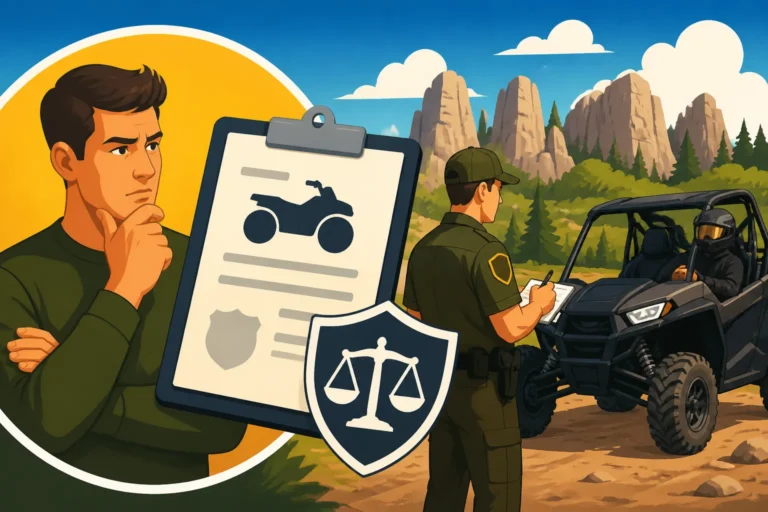
South Dakota takes its helmet laws seriously, especially when it comes to the safety of minors. If an enforcement officer (like a county sheriff or a Game, Fish and Parks ranger) observes an ATV or UTV with a passenger under 18 not wearing a helmet on public land or a public road, you, as the operator, could face a citation. While I cannot specify exact fines, such infractions typically carry monetary penalties. In some cases, depending on the specific circumstances and any associated reckless behavior, more severe legal consequences could apply.
Think of it this way: these laws aren't just arbitrary rules; they're in place to protect lives. Getting a ticket for a helmet violation is more than just an inconvenience; it's a reminder of a missed opportunity to ensure a minor's safety. Beyond the immediate fine, repeated offenses or involvement in an accident while in violation of safety laws could lead to further complications, including increased scrutiny from law enforcement or even liability issues. While a helmet violation might not always result in a [What a Class 2 Misdemeanor Costs a Rider], it's certainly a path you want to avoid, and prevention is always the best approach.
The best way to avoid any penalties is simple: ensure every passenger under 18 has a properly fitted, DOT-compliant helmet securely fastened before the wheels start turning. An officer may pull you over during a routine check, especially in popular riding areas like the Black Hills, just to confirm compliance. Having everything in order ensures a smooth interaction and allows you to continue enjoying your adventure without interruption or a costly lesson.
Selecting and Fitting Helmets Correctly for Passengers
A helmet is only as good as its fit. Simply having a helmet for your passenger isn't enough; it needs to be the right size and worn correctly. A helmet that is too large can shift around during a ride, obstructing vision or failing to provide adequate protection in a crash. One that is too small will be uncomfortable and might not cover all necessary areas of the head. When selecting a helmet for a child or any passenger, measure their head circumference and compare it to the manufacturer's sizing chart.
Here’s a quick guide for checking a helmet fit:
- Snug Fit: The helmet should fit snugly all around the head, without any pressure points. It shouldn't easily rotate or slide.
- Eye Level: The helmet should sit low on the forehead, with the bottom rim about two fingers' width above the eyebrows.
- Chin Strap: The chin strap should be adjusted so it's snug, but not uncomfortably tight, and hold the helmet firmly in place without wobbling.
- No Movement: Have the passenger shake their head side to side and front to back. The helmet should move with their head, not independently.
Many types of helmets are available, from full-face to open-face with separate goggles. For ATV and UTV use, especially with children, a full-face helmet often offers the most comprehensive protection for the head and face. Look for helmets that meet recognized safety standards, such as DOT (Department of Transportation) certification. Investing in a good quality helmet, appropriate for the specific use, is one of the most important safety purchases you can make for your passengers. Brands often offer youth-specific sizing and designs, making it easier to find a suitable option.
Planning and Executing Safe Rides with Passengers
Effective planning is the backbone of any safe off-road adventure, especially when you have passengers. Before heading out, take some time to plan your route, considering the skill level of your passengers and the type of terrain you'll encounter. If you have young or inexperienced passengers, choose trails that are rated for beginners and avoid extremely challenging or technical sections. [South Dakota Trails for Beginners] can be a great resource for finding suitable routes. The goal is to build confidence and ensure a positive experience for everyone.
During the ride, maintain a conservative speed, especially on unfamiliar trails or when visibility is poor. Continuously scan the terrain ahead for obstacles, sharp turns, or sudden changes in elevation, and adjust your speed accordingly. Use clear hand signals or verbal commands to communicate with your passengers about upcoming conditions, such as "bump ahead" or "sharp turn." This allows them to brace themselves and feel more in control.
Also, remember to take frequent breaks. Longer rides can be tiring, especially for children. Stopping to stretch, hydrate, and enjoy the scenery can prevent fatigue and keep spirits high. Always carry essential supplies, including water, snacks, a basic first-aid kit, and tools for minor repairs. By meticulously planning and executing your rides with passenger comfort and safety at the forefront, you ensure memorable adventures without unnecessary risks. Whether you're exploring the rich history near Deadwood or the scenic beauty near Custer, a well-planned ride is a safe ride.
| Requirement | Age (on public land/roads) | Type of Protection | Notes |
|---|---|---|---|
| Helmet | Under 18 | DOT-compliant | Mandatory for all passengers under 18. |
| Eye Protection | All ages | Goggles/Shield | Mandatory for all riders and passengers, regardless of age. |
| Protective Gear | All ages (recommended) | Long sleeves/pants, over-ankle boots, gloves | Highly recommended for all to prevent scrapes, cuts, and minor injuries. |
| Supervision | Under 18 (for operators) | Adult supervision | Rider must be of legal age; adult supervision rules apply for youth operators. |
Disclaimer
This article is for general informational purposes only and does not constitute professional advice. Laws, prices and regulations vary by location and change over time. Consult a qualified professional for guidance on your specific situation.