South Dakota Rules for Riding With a Dog
Bringing your beloved canine companion along for an ATV or UTV ride in South Dakota can be a wonderful experience, but it also brings up a lot of questions about safety, legality, and common courtesy. Many riders struggle to find clear-cut rules specifically addressing pets on their off-road machines, leading to confusion about what's allowed and, more importantly, what's truly safe. This guide aims to clear up that confusion, offering practical advice and detailing the general considerations you need to keep in mind when your four-legged friend is along for the adventure, ensuring a safe and enjoyable outing for everyone.
The Basics: South Dakota and Your Furry Co-Pilot
When you're planning an ATV or UTV excursion in South Dakota and want to bring your dog, one of the first things you'll realize is that there isn't a dedicated chapter in the rulebook specifically titled "Dogs on Off-Road Vehicles." This can be incredibly frustrating, leaving many owners scratching their heads and wondering if they're missing something obvious. The reality is, the state's vehicle and recreation laws tend to focus on the human operator and the machine itself, rather than passenger pets. This doesn't mean it's a free-for-all, however; it means you need to apply general animal welfare principles, common sense, and the rules of the specific land you're riding on.
No Specific "Dog Riding" Laws
It’s true, you won't find a line item in South Dakota's codifed laws that says, "Dogs must wear goggles on an ATV" or "UTVs must have a specific harness point for canines." This absence of explicit "dog riding" laws often leads people to assume that if it's not forbidden, it must be permitted. While this is technically true in a broad sense, it places a significant burden of responsibility on you, the rider and pet owner, to ensure your dog's safety and well-being. Think of it like this: there's no law against juggling flaming torches in your backyard, but if you burn down your fence, you're still liable. The general principles of animal cruelty, neglect, and reckless endangerment always apply, regardless of whether a specific ATV-dog law exists. Your actions, or inactions, that put your pet at risk can still lead to legal trouble, even if it's not an ATV-specific citation.
This lack of explicit regulation means you need to be proactive. Instead of waiting for a rule to tell you what not to do, you should be considering what you should do to keep your dog safe. For instance, allowing your dog to ride unrestrained in the back of a UTV where they could easily be ejected during a bump or turn, or having them exposed to extreme heat or cold without protection, would likely fall under general animal neglect or endangerment statutes if something were to go wrong. Always consider the potential consequences of your choices, not just what a specific piece of paper forbids.
General Safety and Animal Welfare Guidelines
Even without specific "dog on ATV" laws, South Dakota's general animal welfare statutes still apply, as does a healthy dose of common sense. Your dog is considered property, but also a living being that you are responsible for. This means preventing injury, providing adequate shelter from the elements, ensuring hydration, and protecting them from undue stress or harm. Think about how you would transport a child – not that dogs are children, but the principle of ensuring their safety and comfort is similar. A dog riding on an ATV or UTV should be secured to prevent them from jumping or being thrown off, particularly on rough terrain.
Furthermore, consider the physical capabilities and temperament of your dog. Not every dog is suited for an off-road adventure. A high-energy border collie might love the wind in their fur in a secure UTV, but an anxious chihuahua might find the noise and vibration terrifying. Puppies and elderly dogs might be more susceptible to injury or heatstroke. Always make sure your dog has access to fresh water, especially on warm days, and take frequent breaks. If you're riding a two-up ATV, having a dog ride in a backpack or a secure carrier on a cargo rack might seem like an option, but the vibrations, lack of balance, and risk of injury from an accidental tip-over make ATVs generally less suitable for carrying dogs than the more stable and often enclosed UTVs. For UTVs, consider installing a sturdy kennel or a cargo box that can be safely secured to the bed, providing a more stable and protected environment for your furry friend.
Riding on Public Lands with Your Dog
The rules for riding with your dog on public lands in South Dakota are less about the ATV or UTV itself and more about the specific land management agency's policies regarding pets. Different federal and state agencies, such as the U.S. Forest Service, Bureau of Land Management (BLM), and South Dakota Game, Fish and Parks (GFP), have varying regulations for pets, especially concerning leashes, waste removal, and where dogs are permitted. Always check with the specific land manager before heading out.
National Forests and BLM Land
When you're riding in areas like the Black Hills National Forest or on Bureau of Land Management (BLM) property in South Dakota, the general rule is often that dogs are welcome, but usually on a leash. This is a common requirement to protect wildlife, prevent conflicts with other trail users, and ensure your dog's safety. While you're on your machine, your dog might be in a carrier, but as soon as you stop and they exit the vehicle, they should be leashed. Remember, these lands are wild, and there can be dangers like coyotes, porcupines, or even rattlesnakes, especially in more remote areas. A leash keeps your dog close and under your control.
Additionally, always be prepared to clean up after your dog. "Leave No Trace" principles apply to pet waste as well. Bagging and packing out your dog's waste is crucial, especially in high-use areas or sensitive ecosystems. Ignoring this can lead to fines and, more broadly, a negative perception of off-road riders and their pets, potentially leading to stricter regulations in the future. Always carry extra waste bags, and don't rely on finding trash cans in wilderness areas. This applies whether you're cruising on a designated [Black Hills National Forest in South Dakota] trail or navigating an open [South Dakota Rules for Riding Federal Land] area.
State Parks and GFP Areas
South Dakota's State Parks and Game, Fish and Parks (GFP) lands often have stricter rules regarding pets than federal lands. Many state parks, for instance, require dogs to be on a leash no longer than 10 feet and prohibit them from certain areas like swimming beaches, buildings, or designated wildlife viewing spots. Some GFP areas might have specific restrictions during nesting seasons or in sensitive habitats. Before you plan to [Riding GFP Land on a Machine] with your dog, it's absolutely essential to consult the specific park or area's regulations. A quick call to the park office or a check on their official website can save you a lot of hassle and potential fines.
The intent behind these rules is typically to protect both the natural resources and the experience of all visitors. An unleashed dog, even a well-behaved one, can disturb wildlife, interfere with other recreational activities, or even pose a risk to itself. Imagine encountering a deer or a flock of turkeys with an excited, unleashed dog on your UTV ride; it can quickly turn into a chaotic situation. Being informed and respectful of these rules ensures that you and your dog can enjoy the beauty of South Dakota's state-managed lands without causing issues for others or the environment.
Roadside and Ditch Riding Considerations
Many South Dakota counties permit [South Dakota Ditch Riding Rules] for ATVs and UTVs, but riding along public roadways or in ditches presents its own set of challenges when a dog is onboard. The biggest concern here is traffic. Even if you're riding legally, passing vehicles can be a source of stress or danger for a dog not accustomed to it. The noise, dust, and close proximity of cars and trucks can be startling. Your dog needs to be securely contained within your UTV, not just for their safety from being ejected, but also to prevent them from attempting to jump out if spooked.
If your dog is riding in the bed of a UTV, ensure they are protected from road debris and dust. Kicking up gravel can hurt their eyes, and continuous dust exposure can irritate their respiratory system. A secure, covered carrier is highly recommended. For those considering accessories for their UTV, companies like SuperATV offer a range of enclosures, doors, and cargo solutions that can be adapted to create a safer, more protected space for your dog, minimizing their exposure to the elements and road hazards while ditch riding. Always prioritize their safety and comfort over letting them "hang out" in an unsecured manner.
| Safety Consideration | Description | Why it Matters for Dogs on ATVs/UTVs |
|---|---|---|
| Secure Containment | Dog crates, secure harnesses, or cargo boxes rated for animal transport. | Prevents ejection during bumps, turns, or accidents; keeps dog from jumping out; reduces distraction for driver. Crucial for safety on trails and roads. |
| Protection from Elements | Shades, covered carriers, appropriate bedding for temperature. | Prevents heatstroke, hypothermia, sunburn, or frostbite. Dogs are susceptible to extreme temperatures, especially in open vehicles. |
| Eye & Ear Protection | Doggles (dog goggles) and/or ear protection (muffs). | Protects eyes from dust, debris, branches, and windburn. Protects ears from loud engine noise, which can be damaging or cause anxiety. |
| Paw Protection | Booties for rough terrain, extreme temperatures, or long rides. | Prevents cuts, abrasions, burns from hot surfaces, or frostbite. Important if the dog will be walking on varied terrain during breaks. |
| Hydration & Breaks | Ample fresh water, portable bowl, and scheduled stops. | Prevents dehydration, especially on strenuous or long rides. Allows dog to relieve themselves and stretch. |
| First Aid Kit | Specific pet first aid supplies (bandages, antiseptic, paw wax, tweezers). | Essential for addressing minor injuries common in outdoor activities, like cuts, scrapes, or thorn removal. |
| Identification | Collar with ID tags, microchip, and up-to-date contact information. | In case your dog gets separated from you, clear identification helps ensure a swift reunion. |
| Leash & Collar/Harness | Sturdy leash and a comfortable, secure collar or harness. | For control when off the vehicle, especially in public areas or near wildlife. A harness is generally safer than a collar for securing in a vehicle. |
Private Property and Ranch Riding with Dogs
Riding on private land, especially large ranches or farms, often offers more flexibility regarding dogs, but it's never a free pass. The cardinal rule of private property is always explicit permission from the landowner. Once you have that, their specific wishes and any unwritten rules of the property take precedence over any generalized state laws. Many ranchers appreciate dogs, especially working breeds, but might have concerns about them interacting with livestock or disturbing wildlife.
Landowner Permission and Expectations
Even if you have permission to ride your ATV or UTV on someone's private property, you still need to discuss bringing your dog. Simply assuming it's okay because they let you ride is a common mistake. A landowner might have valuable livestock, sensitive crops, or even protected wildlife on their property that an unfamiliar dog could disturb or injure. Imagine your excited Labrador chasing a prize-winning show calf; that's a quick way to lose riding privileges. Always ask specifically, "Is it okay if I bring my dog along?" and be prepared for them to say no, or to set specific conditions like requiring your dog to be leashed at all times when outside the vehicle.
It's also important to understand the layout and potential hazards of the private land. Are there unfenced areas? Hidden ponds or ditches? Busy access roads? Even if a landowner gives a blanket "yes," it's your responsibility to scout the area and determine if it's truly safe for your dog to be there, especially if they'll be off-leash at any point. A courteous rider always prioritizes the landowner's property and peace of mind, which includes ensuring your pet doesn't become a nuisance or a danger. Familiarize yourself with [South Dakota Rules for Riding Private Land] and especially [South Dakota Landowner Permission Rules] before you ever consider riding on private ground.
Working Dogs vs. Companion Animals
On ranches, there's often a clear distinction between a working dog (like a cattle dog or a sheepdog) and a companion animal. Ranchers are generally more accustomed to seeing working dogs on their property, and these dogs are often highly trained and have a specific job to do, staying close to their handler or livestock. If you're bringing a working dog to assist with farm tasks while riding your UTV, this is usually well-understood. However, your pet golden retriever, while beloved, falls into the companion animal category and might be viewed differently.
It's vital not to confuse the two. Your companion dog, no matter how well-behaved at home, might not be accustomed to the stimuli of a working ranch environment – livestock, other working dogs, machinery, or even wild animals. Ensure your dog is under strict voice control or on a leash at all times, especially around any livestock. This shows respect for the landowner's operations and prevents potentially dangerous situations. If your dog isn't specifically trained for ranch work, treat them as a guest who needs constant supervision, just as you would any other guest.
Essential Gear and Safety for Canine Riders
Ensuring your dog's safety and comfort while riding an ATV or UTV in South Dakota goes beyond just following rules; it involves equipping them and your machine appropriately. Investing in the right gear can make all the difference between a stressful outing and a joyful adventure for your furry friend.
Secure Restraints and Carriers
For any off-road vehicle, the number one priority is securing your dog. An unsecured dog is not only at risk of being ejected but can also become a dangerous distraction for the driver. For UTVs, which offer more space, a sturdy, well-ventilated travel crate or kennel is ideal. Look for crates that can be securely strapped or bolted into the UTV's bed or cargo area. Many riders find that a robust dog kennel, perhaps even a hard-sided cargo box with proper ventilation, provides the best protection. Companies like SuperATV offer heavy-duty cargo boxes and bed enclosures that, with some modification for ventilation and padding, can serve as excellent secure transport options for dogs in UTVs. Ensure the crate is large enough for your dog to stand up, turn around, and lie down comfortably, but not so large that they slide around excessively inside it during bumps.
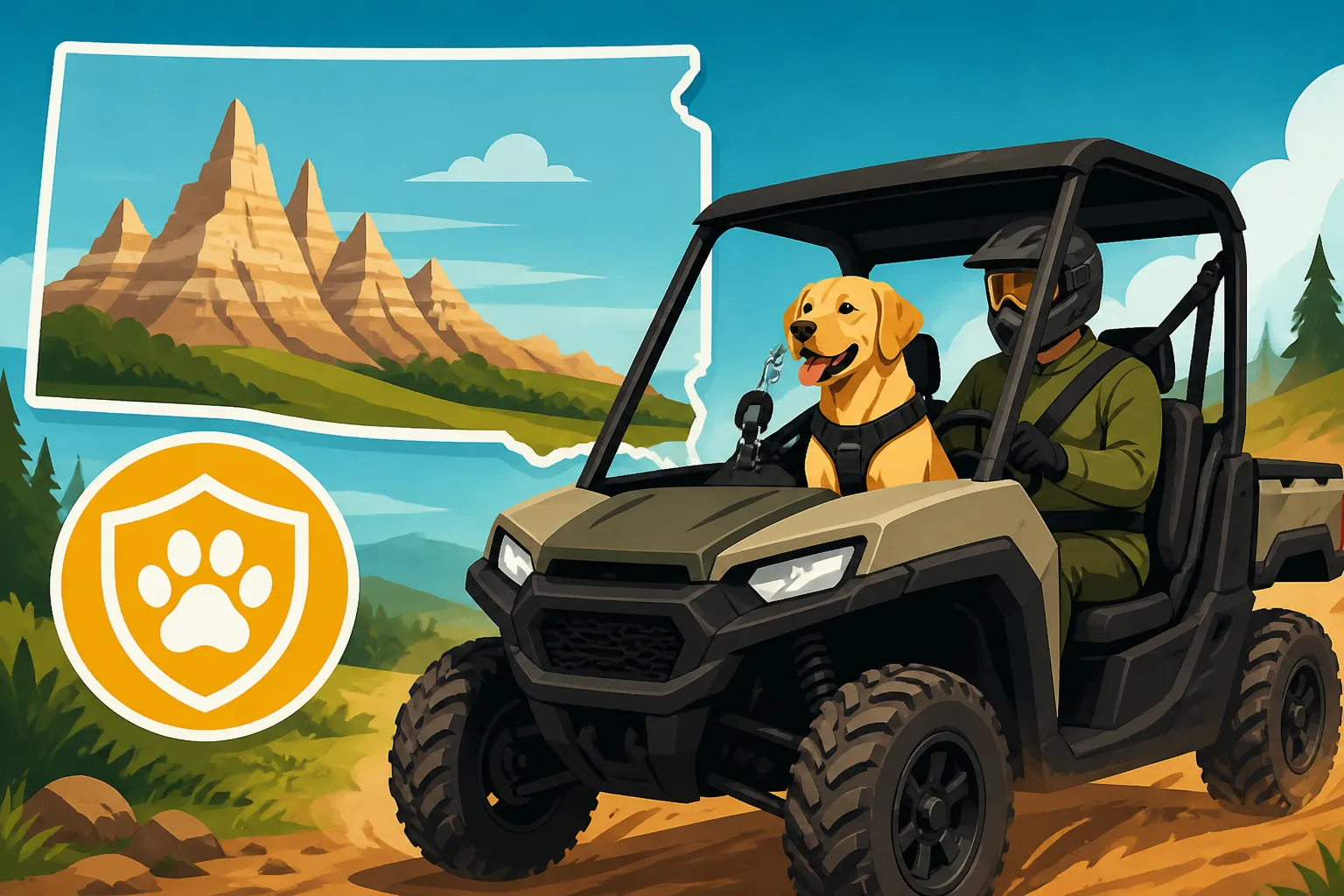
If a crate isn't feasible, a specialized car harness designed for crash safety, combined with a seatbelt attachment, can be used for dogs riding in the passenger seat of a UTV. Never attach a dog's leash directly to the vehicle as a restraint, as this can cause serious injury if they are jostled or try to jump out. The restraint should be designed to absorb impact and prevent entanglement. For ATVs, securely carrying a dog is much more challenging due to the lack of dedicated cargo space and the inherent instability of the vehicle. If you must transport a dog on an ATV, a highly specialized, securely mounted, and enclosed pet carrier designed for ATVs might be an option, but these are rare and still carry significant risks compared to UTV transport.
Protecting Paws and Eyes
The environment you ride in can be harsh on your dog's paws and eyes. Trails in the Black Hills, for example, can be rocky, dusty, or even covered in sharp debris. Dog booties can protect paws from cuts, abrasions, extreme heat (from hot surfaces), or extreme cold. Choose booties that fit well, are durable, and allow for natural paw movement. Introduce them slowly at home before your trip to ensure your dog is comfortable wearing them.
Eye protection, often called "doggles," is equally important, especially if your dog is riding in an open UTV or on an ATV. Just like humans, dogs can suffer eye injuries from dust, wind, flying debris, or branches. Doggles are designed to fit a dog's face and protect their eyes, similar to how goggles protect a human rider. The wind alone, without debris, can cause eye irritation or dry out their eyes, making protection a good idea for any prolonged ride.
Hydration, First Aid, and Breaks
Just like human riders, dogs need proper hydration, especially on long or strenuous rides in South Dakota's often dry climate. Always carry plenty of fresh water and a portable bowl, offering water frequently during breaks. Watch for signs of dehydration, such as lethargy, dry gums, or excessive panting. Overheating is a serious risk, particularly for brachycephalic (short-nosed) breeds, in warm weather, or when riding in enclosed spaces without adequate ventilation. If your dog starts panting excessively, drooling, or seems disoriented, stop immediately and cool them down with water.
A dedicated pet first aid kit is an absolute must-have. This should include items specific to pets, such as paw balm, antiseptic wipes, bandages, medical tape, tweezers (for ticks or thorns), and any specific medications your dog might need. Knowing basic pet first aid can be a lifesaver far from veterinary care. Finally, plan for regular breaks. Dogs, especially those new to riding, benefit from stopping to stretch their legs, relieve themselves, and simply take a breather from the vibrations and noise. These breaks allow you to check on their well-being, offer water, and ensure they're still enjoying the adventure.
Disclaimer
This article is for general informational purposes only and does not constitute professional advice. Laws, prices and regulations vary by location and change over time. Consult a qualified professional for guidance on your specific situation.