Titling a Farm Machine in South Dakota
For many of us who call South Dakota home, our ATVs and UTVs aren't just for tearing up trails on the weekend; they're essential tools for ranching, farming, and managing property. It's easy to assume that a machine dedicated to hard work on agricultural land might be exempt from the same rules as a recreational off-road vehicle. However, the nuances of South Dakota law can be tricky. This guide aims to clear up the confusion around titling a farm machine, helping you understand when it's required, when it's not, and how to navigate the process to keep everything above board.
Why Farm Vehicles Sit Outside South Dakota's Definition of an ORV
South Dakota's approach to titling off-road vehicles (ORVs) makes a clear distinction that directly impacts machines used primarily for agricultural purposes. It's not about the physical appearance of the machine as much as its primary use and how it's equipped. Understanding this core difference is crucial for any farmer or rancher in the state. The law aims to regulate machines that are driven for recreation on public lands or those that might operate on public roads, not necessarily equipment that stays on private property for work.
The Core Distinction: Work vs. Recreation
At its heart, South Dakota law defines an off-road vehicle by its intended use. Generally speaking, a machine that is designed and used primarily for agricultural purposes is often specifically excluded from the definition of an "off-road vehicle" or "ORV" that would otherwise require titling and registration in the same way a recreational ATV would. This is a huge relief for many producers who rely on these machines daily. Think about it: a UTV used to haul feed, check fences, or move irrigation equipment across fields is performing a very different function than one taken to the Black Hills for a weekend trail ride. The state acknowledges this difference in purpose.
However, this isn't a blanket exemption for every quad or side-by-side on a farm. The key phrase is "designed and used primarily for agricultural purposes." If your machine is equipped with implements typically found on farm equipment, like sprayers, small plows, or seeders, and its primary function is clearly agricultural work, it’s more likely to fall under this exemption. This distinction helps to keep the regulatory burden off those who are using these machines as essential tools for their livelihood. It’s about being practical and recognizing the working nature of these vehicles.
Implications for Titling and Registration
Because these machines are often explicitly excluded from the ORV definition when used for farm work, they typically do not require the same title and registration process as a recreational ORV. This means you likely won't need to visit the county treasurer to get a formal South Dakota title for that old ranch quad you use to check cattle, nor will you need to worry about annual registration fees. This is a significant difference from how the state handles other off-road vehicles. For a deeper dive into what the state considers an ORV, you can read more about [How South Dakota Defines an Off-Road Vehicle].
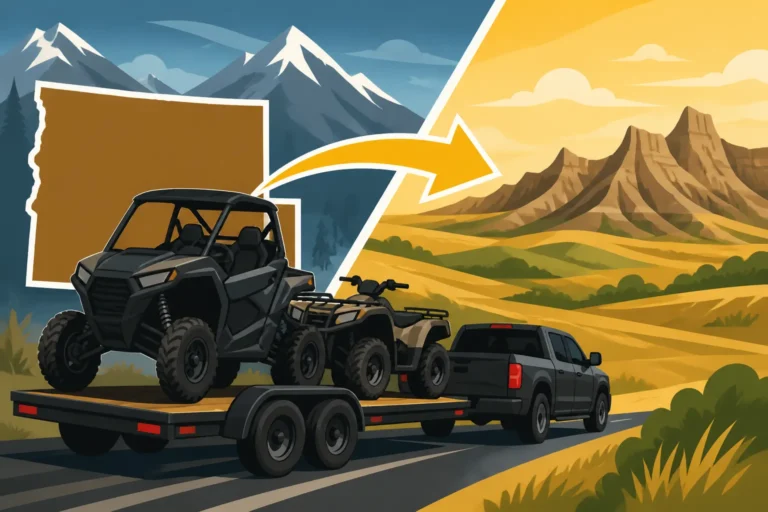
However, this also means that if you decide to use that "farm machine" for recreational purposes on public trails, you could run into trouble. The exemption is tied to its primary use. If you trailer your farm UTV to a national forest for a joyride, it then falls back under the recreational ORV rules and would need to be titled and permitted accordingly. It's a "use it for its intended purpose" kind of rule. This can sometimes lead to confusion, especially if a machine has dual roles on the property. Keeping clear documentation of its primary use can be helpful if questions ever arise.
Situations Where a South Dakota Farm Machine Still Needs a Title
While many farm-specific ATVs and UTVs are exempt from standard ORV titling requirements, there are crucial scenarios where a title becomes necessary or highly advisable. These situations often revolve around legal ownership, financing, or a change in the machine's primary use. It's important not to assume a blanket exemption simply because the machine lives on a farm. Ignoring these circumstances could lead to headaches down the road, especially if you ever need to prove ownership or sell the machine.
When Dual Use Blurs the Lines
Let's say you have a UTV that you primarily use for farm work, checking irrigation pivots and hauling small tools. Most days, it stays on your private land. But on occasion, you also load it up and take it to a nearby Black Hills trail system for a weekend of family riding. In this scenario, your machine is no longer solely used for agricultural purposes. The moment it touches public lands for recreation, it's no longer just a "farm vehicle" in the eyes of the law; it becomes an off-road vehicle subject to titling and permitting requirements. The line can get blurry quickly.
The state doesn't have a specific "dual-use" title, so if your machine is going to see any recreational use on public land, even occasionally, it's generally best to go through the full titling process as you would for any other ORV. This ensures you're compliant no matter how you're using it, preventing potential fines or complications with law enforcement. It's better to be safe than sorry when it comes to adhering to the rules, especially since officials might not always know the full extent of your machine's primary use just by looking at it.
Transfer of Ownership and Provenance
Even if a machine is exempt from day-to-day titling as a farm vehicle, a title (or solid proof of ownership) becomes absolutely essential when you buy or sell it. Imagine buying a used quad from a neighbor who swore it was "just a farm machine" and never titled. If you later decide to sell it, or if it's ever stolen, proving that you are the rightful owner can become a nightmare without that official paper trail. This is where a formal title, even for an exempt vehicle, is incredibly valuable. When you're [Selling an ORV in South Dakota], having a clear title makes the process smooth and legitimate.
When you purchase a farm machine, always insist on a bill of sale, and if possible, a prior title if one exists. A detailed bill of sale, especially one you can easily create with resources like LawDepot, can serve as vital proof of ownership even if a formal South Dakota title isn't issued due to its agricultural exemption. This document should include the vehicle identification number (VIN), make, model, year, purchase price, and the names and signatures of both buyer and seller. This protection extends beyond just preventing theft; it also protects you if there are any disputes about the machine's history. Before you ever hand over money, make sure you're getting robust proof of ownership, whether it's a title or a meticulously detailed bill of sale. [South Dakota ATV Bill of Sale Requirements] are specific for a reason, even for farm machines.
Financing and Liens on Farm Machines
Another critical juncture where a title is nearly always required for a farm machine is when you're financing its purchase. Lenders want a way to secure their interest in the vehicle, and the most common method for doing this is by noting a lien on the official certificate of title. Without a title, it's much harder for a bank or credit union to protect their investment, which can make getting a loan more difficult or result in less favorable terms. This applies whether it’s a brand-new, top-of-the-line UTV or a used workhorse.
If you’re taking out a loan, the lender will typically handle the titling paperwork to ensure their lien is properly recorded. They'll submit the application to the county treasurer, ensuring all necessary steps are followed. This protects both you and the financial institution. Even if the machine technically qualifies for a farm-use exemption from the ORV definition, the practicalities of modern finance often necessitate a formal title. If you ever have a lien on your machine, it's good to know about [South Dakota's $10 Lien Notation] fee.
Navigating the South Dakota Titling Process for Farm-Related ATVs
If your farm machine falls into one of those categories requiring a title, or if you simply choose to title it for peace of mind, the process largely mirrors that for any other off-road vehicle in South Dakota. It's a fairly straightforward procedure, but knowing what to expect and having your ducks in a row can save you time and frustration. The local county treasurer's office is your primary point of contact for these matters.
Essential Paperwork for a Farm Machine Title
When you head to your county treasurer's office to title your farm machine, you'll need a specific set of documents. Having these ready will make the process much smoother:
- Manufacturer's Statement of Origin (MSO) or previous title: If your machine is new, the dealer will provide an MSO. If it's a used machine, you'll need the original, properly assigned title from the previous owner. Make sure the seller has signed off on the back of the title in the correct spot, transferring ownership to you. For an older machine that might not have a title because it's always been farm-exempt, you might need a notarized bill of sale and possibly a VIN inspection. A solid [South Dakota ATV Bill of Sale Requirements] document, which you can easily generate through platforms like LawDepot, can be crucial here, especially if a previous title is unavailable.
- Application for Title and Registration: This form is available at the county treasurer's office or sometimes online. You'll fill out all the details about yourself and the machine.
- Proof of Purchase Price: This could be the bill of sale or the purchase agreement from the dealer. This is essential for calculating the excise tax.
- Proof of Identity: A valid driver's license or state-issued ID.
- VIN Inspection (if required): For out-of-state vehicles or older machines without a clear title history, a VIN inspection by a law enforcement officer might be necessary. This confirms the machine is what it claims to be. It's always a good idea to be diligent and perform [Checking a VIN Before a South Dakota Purchase].
It’s always a good idea to call your local county treasurer's office beforehand to confirm their specific requirements, as nuances can sometimes vary slightly, especially with older or unique farm equipment.
Understanding Fees and Deadlines for Farm Vehicles
Titling a farm machine, when required, involves several fees. While I can't give you exact dollar amounts, I can describe the types of costs you'll encounter:
| Fee Type | Description |
|---|---|
| Title Fee | This is the core fee for issuing the certificate of title. |
| Excise Tax | South Dakota imposes an excise tax on the purchase price of the machine. This is typically a percentage of what you paid. You can find more details on [South Dakota's 4 Percent Excise Tax]. |
| Technology Fee | A smaller, flat fee applied to help fund the state's motor vehicle technology systems. |
| Lien Notation Fee | If you have a loan on the machine, there's a small fee to record the lien on the title. Refer to [South Dakota's $10 Lien Notation] for more info. |
| Late Fees/Penalties | Crucially, if you fail to title your machine within the state's specified deadline (typically 45 days from purchase), you'll face penalties. This starts as a percentage per month after the deadline. |
The deadline for titling is critical. South Dakota generally requires you to title your vehicle within 45 days of purchase. Missing this window can result in significant penalties. You can face a percentage-based penalty on the excise tax amount for each month or portion of a month past the deadline. After a certain period, this penalty can increase substantially. This is why it's so important to get to the treasurer's office promptly. For more detail, look into [South Dakota's Forty-Five Day Title Deadline] and [South Dakota's 1 Percent a Month Penalty].
Where to Go to Title Your Farm Machine
The titling process for a farm machine, just like any other vehicle in South Dakota, takes place at your local county treasurer's office. This is not handled by the Department of Revenue directly, but rather by the individual counties. You'll bring all your paperwork and payment to their counter.
For example, if your farm is in Lawrence County, you'll visit the [South Dakota's Lawrence County Treasurer] in Deadwood. They are equipped to handle all the necessary forms, collect fees, and process your title application. It's a good idea to confirm their operating hours before you make the trip. Once submitted, the treasurer's office will process your application, and you'll typically receive your official title in the mail a few weeks later. The entire process of [Titling at a South Dakota County Treasurer] is designed to be accessible locally, which is a great convenience for rural residents.
Common Misconceptions and Best Practices for South Dakota Farm Machine Owners
The rules surrounding farm machines and titling can be a bit of a maze. Many owners operate under assumptions that might not be entirely accurate, leading to potential issues down the line. Let's clear up some common misunderstandings and offer some best practices to ensure you're always in the clear.
The Difference Between an ORV Permit and a Title for Farm Use
One of the biggest areas of confusion for farm machine owners is the distinction between a title, a registration, and an ORV permit, especially for non-residents. For South Dakota residents whose machines strictly fall under the farm vehicle exemption, neither a title nor an annual ORV permit is typically required for use on their own private agricultural property. The exemption is quite broad for dedicated farm use.
However, if your farm machine is ever used for recreational riding on public land (like designated trails in a national forest), then it absolutely needs to be titled and often requires a motorized trail permit. The permit is specifically for access to public trails, while the title proves ownership and allows for road-legal registration if the machine meets those requirements. This is where the distinction becomes critical. An ORV permit doesn't replace a title, and a title doesn't automatically grant public trail access without the proper permit. It's a layered system.
Protecting Your Investment: Documentation Even Without a Title
Even if your farm machine never needs a formal title due to its dedicated agricultural use, it is paramount that you maintain robust proof of ownership and maintenance records. Think of it this way: a piece of equipment is an asset, and like any asset, you need to protect it.
- Bill of Sale: Always have a detailed bill of sale for any machine you acquire, whether new or used. This should include the VIN, purchase date, price, and contact information for both buyer and seller. Tools like LawDepot offer simple templates for a comprehensive bill of sale that can be printed and signed, providing excellent documentation.
- Maintenance Records: Keep a log of all maintenance, repairs, and upgrades. This not only helps with resale value but can also prove ownership or history in the event of a dispute.
- Photographs: Take photos of the machine, especially its VIN plate, and keep them with your records. This can be invaluable if the machine is ever stolen.
Having these documents on hand provides a strong defense against theft and helps to establish clear provenance, even without a state-issued title. It's your personal "title" in the absence of a government-issued one.
Keeping Up with Regulatory Changes
Laws and regulations, even those concerning farm vehicles, can change. What is exempt today might have new requirements tomorrow. It's important for farmers and ranchers to stay informed about any updates to South Dakota's motor vehicle or ORV statutes.
The South Dakota Department of Revenue is the agency primarily responsible for overseeing these regulations, though individual county treasurers handle the practical application. Regularly checking the state's official legislative websites or local county treasurer advisories can help you stay ahead of any changes that might impact your farm machines. Subscribing to agricultural newsletters or attending local farm bureau meetings can also be excellent ways to catch wind of upcoming regulatory shifts. Being proactive ensures that your operations remain compliant and your valuable farm assets are always properly accounted for under the current laws.
| Scenario | Titling Required? | ORV Permit for Public Trails? | Best Practice |
|---|---|---|---|
| Solely farm use on private land | No (Exempt) | No | Keep detailed bill of sale (e.g., from LawDepot), maintenance records, and photos. |
| Farm use + occasional public trails | Yes | Yes | Title the machine as a recreational ORV. Obtain required motorized trail permits before riding public lands. |
| New purchase with financing | Yes | Depends on use | Lender will typically require a title to record a lien. Ensure all paperwork is filed promptly. |
| Buying/Selling a used machine | Highly Recommended | Depends on use | Even if exempt, a title simplifies transfer. Otherwise, insist on a comprehensive bill of sale. |
| Inherited machine | Yes | Depends on use | You will need to title it in your name to establish legal ownership, even if it was previously farm-exempt. See [Titling an Inherited Machine in South Dakota]. |
Remember, while South Dakota offers sensible exemptions for farm-specific machinery, it's always better to err on the side of caution. If there's any doubt about your machine's primary use or if it will ever leave private agricultural land for recreational purposes, going through the titling process can save you a lot of future headaches and ensure compliance.
Disclaimer
This article is for general informational purposes only and does not constitute professional advice. Laws, prices and regulations vary by location and change over time. Consult a qualified professional for guidance on your specific situation.