Guided ATV Tours in South Dakota
A guided ATV or UTV tour can make a South Dakota trip easier to plan, especially if you do not know the trails or want someone else to handle navigation. The challenge is comparing tours that differ in machine, route, pace, included gear and rules. Here is how to choose a ride that fits your group and avoid surprises on tour day.
What a guided ATV tour in South Dakota is
A guided tour is a scheduled ride led by an outfitter or guide. You normally meet at a designated location, complete the operator’s check-in and safety briefing, and follow a planned route with a guide. Depending on the tour, you may drive an ATV or a UTV, sometimes called a side-by-side. Some tours use one machine per rider; others let two or more people share a UTV.
That arrangement is different from a self-guided rental. With a rental, you are generally responsible for following directions and staying within the areas the rental company allows. On a guided tour, the guide sets the pace and route, explains how to operate the machine, and helps keep the group together. A guide can make a ride less intimidating, but it does not remove the need to follow instructions or operate safely.
The Black Hills are a common focus for off-road recreation in South Dakota. The area has forest roads and designated motorized trails, but access is not universal: a trail being visible on a map does not automatically mean it is open to every machine. Tour routes depend on current closures, vehicle width, local rules and the operator’s permissions. Ask where the tour rides and what kind of route to expect rather than assuming that every tour visits the same scenery.
Tours may also take place in other riding areas or on private land. A listing’s use of words such as “Black Hills,” “off-road” or “scenic” does not tell you how technical the route is, how much time is spent driving, or whether the ride uses a public trail, a private course or a mix. Get those details from the operator before booking.
A tour is worth considering if you:
- Have little experience and want an introduction before riding on your own.
- Prefer a planned route rather than navigating an unfamiliar trail system.
- Are traveling with a mixed-experience group.
- Want to share a UTV instead of bringing or renting separate machines.
- Have limited time and want an outing with a set meeting point and schedule.
It may not be the best fit if you want to stop often, choose your own route or ride at your own pace. Guided outings are group activities. Even a small group has to stay within the guide’s schedule and safety instructions.
If you are comparing a guided outing with a rental, start with Renting an ATV in South Dakota and South Dakota Rentals Versus Buying a Machine. For visitors who want a guide but are still deciding what kind of machine to ride, [South Dakota Tours for Beginners] is also a useful next step.
Compare the tour before you book
Tour names and photos can make very different outings look similar. Compare what is actually included, not just the advertised duration or the landscape in the pictures.
| Tour detail | What to check | Why it matters |
|---|---|---|
| Machine | ATV or UTV; seating capacity; whether the driver and passenger roles can change | Determines who can drive and how your group fits |
| Ride time | Time on the machine versus check-in, instruction and breaks | A scheduled outing may include substantial time off the trail |
| Route | Public forest road, designated trail, private land or a combination | Sets expectations for scenery, terrain and access |
| Difficulty | Typical surface, hills, rocks, mud and narrow sections | Helps match the tour to your comfort level |
| Group size | Maximum number of machines or participants | Affects the pace and how much individual attention is possible |
| Included items | Helmet, goggles, fuel, permit, guide and other equipment | Prevents last-minute costs or missing gear |
| Restrictions | Driver age, licence, passenger rules and height or weight limits | Determines who in your group can participate |
| Policies | Weather, closures, late arrival, cancellation and damage terms | Clarifies what happens if plans change |
ATV or UTV
An ATV is typically ridden astride, much like a four-wheeled motorbike. A UTV has a seated driving position, steering wheel and passenger seating. That basic difference affects comfort, control and who can participate, but the specific machine matters too. Ask about the vehicle’s seating configuration, seat belts, age restrictions and whether the tour is designed for drivers, passengers or both.
A UTV may be a practical choice for a couple or family that wants to ride together, but confirm that the listed capacity matches your party. Do not assume a machine can safely carry every person in your group just because the listing uses a general label such as “six-seat.” The operator should tell you the actual seating and participant requirements.
ATVs can feel more exposed and require a different body position. If you have never used one, say so when booking. A beginner-friendly tour should include time to understand the controls before the group sets off. Ask whether the guide adjusts the pace for new riders or if everyone is expected to keep up with an established group.
Tour length and actual ride time
A tour advertised as a multi-hour outing may include check-in, paperwork, gear fitting, a safety talk and practice time. Those parts are useful, but they are not the same as time spent riding. Ask how much time the group typically spends on the machine and whether the schedule includes planned stops.
Also check the meeting time and return time. If your group has a dinner reservation or another activity afterward, leave room for delays. A ride can take longer than expected if the group needs extra instruction, the route is busy or conditions require a change.
Route and difficulty
Ask for a plain-language description of the route. “Easy” can mean different things to different operators, and a trail that feels simple to an experienced rider may be uncomfortable for a first-timer. Find out whether the route includes steep climbs, loose gravel, rocks, ruts, water, narrow passages or exposed edges.
If you are uneasy about any feature, describe it clearly. “I am fine on gravel but do not want steep drop-offs” is more useful than asking whether the ride is easy. A responsible operator should explain whether the route is suitable and whether the guide can choose an alternate route without separating the group.
Do not judge difficulty by a promotional photo alone. Images usually show a moment, not the full route, the trail surface or the conditions on the day.
Choose a location and route that fit your trip
South Dakota’s well-known off-road destinations are not interchangeable. A tour based near a Black Hills town may offer a different start point, route and schedule from one farther away. Before booking, confirm the actual meeting address and how long it takes to get there from your lodging. “Near the Black Hills” is not precise enough for planning a tight itinerary.
If the tour is in the Black Hills, ask whether it uses a designated motorized trail, a forest road, private ground or more than one type of route. The route can affect what the ride feels like and which rules apply. Public routes can also be subject to seasonal openings, closures and conditions. For more context, see South Dakota Trail Permits Explained and South Dakota Trail Conditions Before You Ride.
A tour operator may change the route when a trail is closed, weather makes a section unsafe or conditions differ from what was expected. Ask how the operator handles that: does the group get a comparable alternative, a shorter ride or a rescheduled outing? The answer matters particularly when a tour is a major part of your travel plans.
Questions to ask about the route
Before paying, get clear answers to these questions:
- Where does the tour start, and where does it ride?
- Is the route mostly a forest road, a designated trail, private land or a mixture?
- What terrain and obstacles should a beginner expect?
- How much time is spent riding compared with instruction and stops?
- Can the route change because of weather, closures or trail conditions?
- Is there a minimum group size, and what happens if it is not met?
- Does the tour require a permit or other access fee, and is it included?
If you are hoping to reach a particular overlook, town or landmark, ask whether that destination is actually part of the route. A tour’s general location does not promise a specific stop. Routes can vary, and scenic views are not guaranteed in fog, smoke, heavy rain or other poor visibility.
Public trails and private land
A guided tour may ride on public land, private property or both. Do not assume that a guide can take a group anywhere simply because the group is on a paid tour. Access depends on the land manager’s rules, the operator’s permissions and the route’s current status.
For public motorized trails, check what access requirements apply to the machine and whether the tour operator handles them. Ask whether the required permit or decal is already included and fitted, or whether you need to obtain anything yourself. The rules can differ by riding area, so confirm the details for the actual route rather than relying on a general statement about South Dakota.
For rentals and tours, there may also be limits on where a machine can go. A machine provided by an outfitter does not give the rider unrestricted access. The guide’s route and operator’s terms matter. South Dakota Rentals and Where You Cannot Go explains why it is worth checking permitted riding areas instead of treating a rental or tour machine as an open invitation.
Check eligibility, safety and equipment
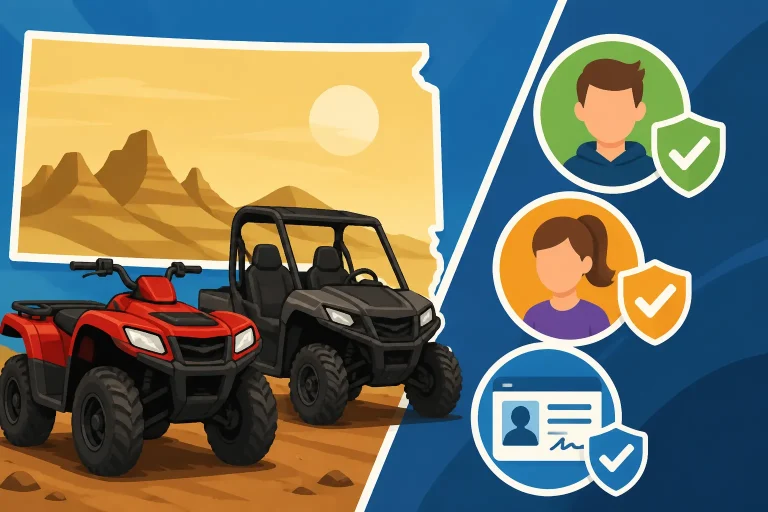
A tour is not automatically suitable for every person in a traveling group. Operators can set minimum ages for drivers and passengers, require a valid driver’s licence for certain roles, or apply other restrictions. Requirements can vary by machine and provider. Check the current terms directly with the tour operator before booking, especially when children, younger drivers or passengers are involved.
Do not assume that a person who can legally ride a machine on one kind of land is automatically eligible to drive a guided tour vehicle. The operator may have its own insurance and safety requirements. Ask separately about the driver’s minimum age, passenger age, licence, identification and any height or weight restrictions.
Tell the operator about relevant needs
If someone in your group has limited mobility, difficulty sitting for long periods, a medical concern affected by vibration or motion, or trouble wearing standard protective equipment, contact the provider before paying. Ask what the machine’s seating and entry are like, how long participants need to remain seated and whether the operator can accommodate the need safely.
If a participant is nervous, inexperienced or has never used the controls, mention that too. A guide can explain whether the tour is suitable and what practice is provided. Avoid leaving these questions until arrival: if the operator decides someone cannot participate, the group may not be able to switch machines or receive a refund under the booking terms.
Safety briefing and riding conduct
Expect the guide to explain the controls, route rules, spacing and what to do if the group stops or someone has a problem. Listen closely, ask questions before departure and follow the guide’s instructions throughout the ride. Do not race, pass other machines or leave the route unless the guide explicitly directs you to do so.
Stay far enough behind the machine in front to see and react. Dust can reduce visibility, and loose gravel or uneven surfaces can make stopping less predictable. Keep both hands and feet where the operator instructs, use seat belts in a UTV, and do not carry a passenger in a seat not designed for one.
Tell the guide promptly if you feel unwell, lose control, notice a mechanical problem or are uncomfortable with the pace. Staying quiet to avoid slowing the group can make a small concern harder to manage. A well-run tour should have a clear way to stop and regroup.
Alcohol or impairing drugs and motorized riding do not mix. Do not ride if you are impaired, and do not assume that a guide can make an unsafe participant acceptable to the group. Check the operator’s terms for rules about substance use and behaviour.
Gear and weather
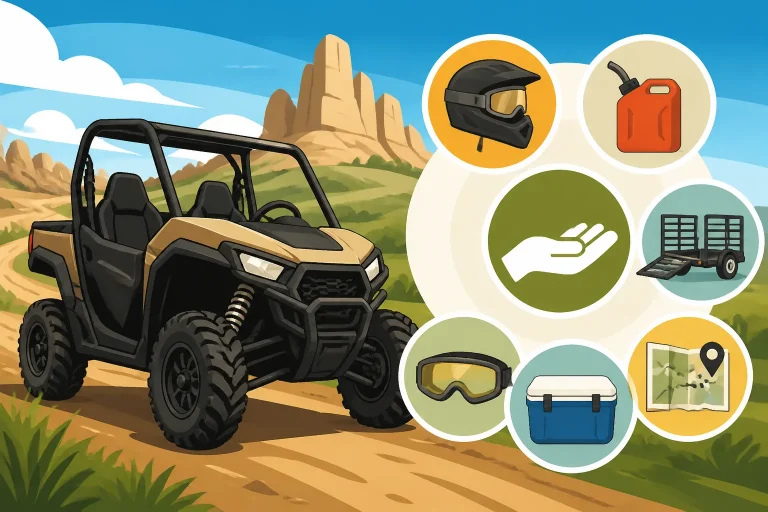
Ask what protective equipment the operator supplies and what you should bring. Some tours include helmets or goggles; others may expect riders to arrive with some items. Get an exact list. A helmet that does not fit properly is not a useful substitute for one that does, and standard sunglasses may not protect your eyes from dust as well as suitable riding eyewear.
Wear clothing that can handle dust, sun, wind and changing conditions. Closed-toe shoes are a sensible baseline; ask whether the operator has additional footwear requirements. Long sleeves and long trousers can help protect skin from sun and trail debris. Bring layers if temperatures may change, and secure loose items before the ride.
For more packing guidance, see South Dakota Tours and What to Wear. If your group plans to rent rather than join a guided ride, [What a South Dakota UTV Rental Includes] can help you compare what an outfitter may provide with what you should bring yourself.
Weather can affect both comfort and access. Wind, rain, heat, cold, lightning or poor visibility may change the route or lead to a cancellation. Ask how the operator makes that decision, when they notify guests and what options are available if the outing cannot safely go ahead.
Understand what is included and what may cost extra
The tour price is only one part of the decision. A provider may include the machine, guide, fuel, safety equipment and trail access, while another may treat some items separately. For named companies and booking platforms, prices and terms can change, so check the provider’s current listing and booking conditions rather than relying on an old screenshot or a remembered rate.
Before you book, make a short checklist of what your group needs to pay or provide. Ask whether the displayed total includes every participant, the machine, access fees and required equipment. Also check whether taxes, service charges or optional protection products are presented separately during checkout.
Costs may depend on the machine and seating arrangement. A price per machine is not the same as a price per person. If a UTV carries several participants, confirm how many people the listed rate covers and whether adding a passenger changes the total. Do not compare two tours until you know whether they are priced by machine, driver, passenger or group.
A booking page on Viator or another marketplace may show an experience supplied by a local operator. Check the actual operator name, meeting point, inclusions and cancellation terms. If something important is unclear, ask the operator directly and keep the written answer. Polaris Adventures may also help travelers locate participating experiences, but availability and tour details depend on the particular provider and location.
For a closer look at how tour listings can differ, see South Dakota Tour Prices per Person. That comparison is useful when you know the listed price but still need to confirm what it covers.
Permits and access
Do not treat a tour fee as proof that every land-use requirement is covered. Ask directly whether the operator includes required trail access or whether the participant must buy anything separately. If a tour rides on private ground, ask what access is included in the booking. If it uses public routes, ask which permit or access rules apply to the actual route.
A guide may arrange requirements for the group, but get confirmation instead of assuming. If the operator says the tour price includes access, ask whether that applies to every machine and participant. If you plan to ride your own machine before or after the tour, the tour operator’s arrangements may not cover your separate ride.
Waivers, damage and protection
Most operators require participants to read and sign a waiver or participation agreement. The document may explain risks, participant responsibilities and the provider’s limits of liability. A waiver is not a substitute for asking questions. Read it before the ride, and ask about anything you do not understand.
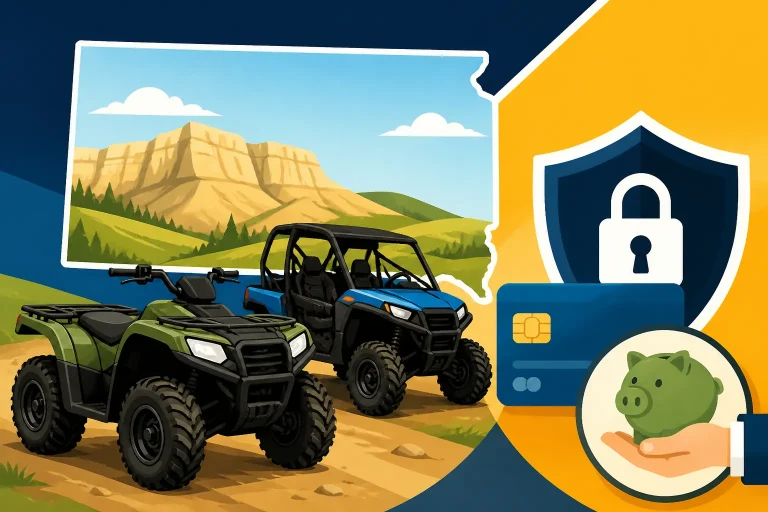
If the tour includes a rental machine, ask whether the booking also includes a damage waiver or other protection. Clarify what is covered, what is excluded, whether an excess or deposit applies, and who may be responsible for damage, recovery or cleaning. Do not assume that personal travel insurance or a credit card benefit covers off-road vehicle use. Check the relevant policy directly.
The wording matters. A damage waiver, insurance policy and liability waiver are different things. The operator should explain which applies and what costs could still be charged. See South Dakota Rental Insurance and Waivers for questions to raise before accepting a machine.
Book carefully and prepare for tour day
A good booking starts with details that match your group. Before choosing a tour, confirm participant eligibility, the machine type, meeting point, route, ride time, included equipment and total cost. If one person’s eligibility is uncertain, resolve it before booking rather than expecting the provider to make an exception on arrival.
A practical booking sequence
- Choose the right machine. Decide whether your group wants to ride separate ATVs or share a UTV. Confirm seats and driving eligibility for each participant.
- Match the route to your experience. Describe your group honestly and ask about terrain, pace and practice time.
- Confirm the location. Get the precise meeting point and allow enough time to arrive, park and check in.
- Ask what the price includes. Verify machine, guide, fuel, permits, equipment and any separate charges.
- Read the policies. Check cancellation, late-arrival, weather, closure, damage and refund terms before paying.
- Save the confirmation. Keep the booking details and the operator’s contact information where you can access them on the day.
- Reconfirm close to departure. Check the meeting time, weather plan, gear requirements and any route change.
A booking platform can make it easy to compare dates, but the listing is not a substitute for verifying the details that matter to your group. If the operator’s direct information differs from a marketplace listing, ask for clarification in writing before you commit.
Cancellation, closures and late arrival
Read the cancellation terms before payment. Check the deadline for cancelling or changing a booking, whether a refund is available, and what happens if the operator cancels because of weather or trail access. A credit, reschedule or refund may be treated differently under the provider’s policy.
Ask what counts as a weather cancellation and who makes the decision. Some conditions may be uncomfortable but manageable; others may make a route unsafe or unavailable. A provider should tell you how it communicates a change and whether you need to be reachable by phone or email.
Arrive early enough to park, check in, complete paperwork and get fitted for equipment. Late arrivals can disrupt the group and may be treated as a missed tour under the booking terms. If you are running late, call the operator rather than assuming the guide can wait.
For more on the terms that can affect a booking, review South Dakota Rental Cancellation Policies. Although a tour and a rental are not identical, the same practical questions about timing, weather and changes are worth asking.
What to bring
Follow the operator’s equipment list first. In general, it is useful to bring:
- The identification or licence the operator requires.
- Your booking confirmation and the operator’s contact details.
- Secure, weather-appropriate clothing and closed-toe footwear.
- Eye protection if it is not provided.
- Water and any personal medication you may need.
- A way to secure keys, phones and other small items.
Do not bring valuables you cannot safely secure. Ask whether bags can be stored at the meeting point and whether phones are permitted on the machine. A phone may be useful for emergencies, but it should not distract the driver or be exposed to dust, vibration or a fall.
Bring water even if the tour is not long, particularly in hot or dry weather. Follow the guide’s directions about breaks, hydration and where to keep personal items. Pack lightly: loose objects can become hazards on a moving machine.
Get the most from the ride and choose a reputable operator
A guided tour can be a memorable way to see a riding area, but the quality of the experience depends on more than the scenery. Look for clear communication, realistic descriptions and safety practices that leave room for questions. A good operator should be able to explain the machine, route, participant requirements and change policies without making you feel rushed.
Signs a tour is a good fit
A useful listing or operator response should make these details easy to find:
- The machine type and how many people it carries.
- The minimum requirements for drivers and passengers.
- The ride duration and meeting location.
- The route’s general terrain and expected difficulty.
- What gear and access are included.
- The weather and closure plan.
- The cancellation, damage and late-arrival terms.
If the description uses broad claims but avoids specifics, ask for more detail. For example, “family-friendly” does not tell you the minimum passenger age, how rough the trail is or whether children can drive. “Beginner-friendly” does not tell you whether the guide provides practice time or expects participants to have prior experience.
Reviews can help identify patterns, but weigh them carefully. A recent comment about a meeting point or guide communication may be more useful than a vague rating. A tour can change, so verify current details with the provider even if a reviewer describes a particular route or inclusion.
Questions worth asking directly
If you have not found clear answers online, contact the provider with a concise message. Useful questions include:
- What machine will our group use, and how many people may ride in it?
- What are the driver and passenger requirements?
- How much time will we spend riding?
- What kind of terrain should a first-time rider expect?
- Is the guide with the group throughout the ride?
- Which equipment and trail access are included?
- What happens if weather or a closure changes the route?
- Are there any deposits or possible damage, cleaning or recovery charges?
- What should we do if we are delayed or need to cancel?
Direct answers are a practical sign that the operator understands what a guest needs to know. If important points remain unclear, consider a different tour rather than hoping everything will be sorted out at check-in.
A guide is not permission to ride anywhere
Even on a paid tour, stay on the route and follow the guide. Do not assume you can leave the group to take a photo, follow another track or stop at an unapproved viewpoint. Access rules apply to riders, and the operator’s permission to use a route does not necessarily extend beyond it.
If you want to ride independently on another day, treat that as a separate plan. Check the machine’s allowed areas, access requirements and trail conditions before setting out. South Dakota Trail Permits Explained and South Dakota Rules for Riding Federal Land can help you understand why a guided route should not be taken as a general authorization for other rides.
If the operator’s service is closer to a rental than a guided group ride, review the rental agreement and route limits carefully. A machine can be familiar while the land access is not. Follow all posted closures and do not ride off-route.
Frequently Asked Questions
Do I need off-road riding experience for a guided tour?
Not necessarily, but it depends on the tour and the operator’s requirements. Tell the provider you are new to riding and ask how much instruction and practice time is included. Choose a route described in specific terms, not just one labelled “easy.”
Are helmets, fuel and trail permits included?
They may be, but inclusions vary. Confirm with the operator whether each item is covered for every machine and participant. Ask what you must bring or pay for separately before booking.
Can children join a South Dakota ATV or UTV tour?
Some tours may accept children as passengers, while driver and passenger requirements can differ by provider and machine. Check the exact age and other restrictions with the operator before paying. Do not assume that a child allowed on one tour can join another.
What happens if weather closes the route?
The operator may alter the route, reschedule or cancel, depending on conditions and its policy. Ask before booking how it handles closures, what notice it provides and whether a refund or credit is available.
Is a guided tour the same as a UTV rental?
No. A guided tour usually follows a route with a guide and scheduled group. A rental may leave the rider responsible for navigation within the operator’s allowed riding area. Compare [Renting a Side-by-Side in South Dakota] if you are deciding between a guided outing and renting a machine.
Disclaimer
This article is for general informational purposes only and does not constitute professional advice. Laws, prices and regulations vary by location and change over time. Consult a qualified professional for guidance on your specific situation.