South Dakota ATV Plate Cost
Trying to figure out exactly what it costs to get an ATV or UTV plated in South Dakota can feel like navigating a maze blindfolded. You just want to ride legally, but the fees aren't always straightforward, and it's easy to overlook a detail that could lead to unexpected expenses. This guide is here to walk you through all the potential costs involved, from the basic plate fee to the associated taxes and penalties, so you can confidently budget and get your machine road-ready.
Understanding Why Your ATV Needs a Plate in South Dakota
It might seem counterintuitive to put a license plate on an off-road vehicle, especially if you picture it primarily tearing up trails or working on the ranch. However, South Dakota has specific rules that make plating your ATV or UTV a necessary step if you ever plan to operate it on public roads, ditches, or even cross a highway. It's not just about looking official; it's about compliance and, frankly, avoiding a hefty fine or a conversation with a local law enforcement officer that could ruin your ride.
The Purpose of an ATV Plate
Think of your ATV plate as its official ID card for street use. Unlike some states where ATVs are strictly off-limits to paved roads, South Dakota offers options for riders to legally use their machines in certain public access areas. But this privilege comes with requirements, and a valid license plate is at the top of that list. It signals to authorities that your machine has gone through the proper channels, has been titled, and meets the basic criteria for road-worthy operation, even if that operation is limited to specific areas like ditches or short highway crossings. Without it, you're essentially operating an unregistered vehicle on public thoroughfares, which is a big no-no.
When a Plate Becomes Essential
So, when does that plate become a non-negotiable? Primarily, it's when you venture beyond private property or designated off-road areas. If you're hauling your machine to a trailhead and only riding within the confines of a national forest, the plate isn't for that specific riding. However, if you plan to ride your ATV along the shoulder of a county road to get to that trailhead, or if you regularly use it to cross state highways, that's when you need it. The same goes if you're using it for agricultural purposes and need to cross a paved road to get from one field to another. The plate signifies that your vehicle, despite its off-road nature, is now considered a street-legal vehicle for those specific, permitted uses. This distinction is crucial for understanding [What South Dakota Counts as an Off-Road Vehicle] and how its usage dictates its registration.
Deconstructing the South Dakota ATV Plate Fees
Now, let's get down to the brass tacks: what exactly are you going to pay for that South Dakota ATV plate? It’s not a single flat fee; rather, it’s a combination of different charges that depend on a few factors, primarily the age and weight of your machine. It’s a good idea to understand each component so you aren't surprised when you visit your local county treasurer's office.
The Basic Annual Plate Fee
South Dakota structures its annual plate fees in a tiered system, taking into account both the age and the weight of your ATV or UTV. This means that a brand-new, heavy side-by-side will cost more to plate than a five-year-old, lighter ATV. It’s a common approach in many states, reflecting the idea that newer, heavier machines often have a higher market value and potentially more impact on public infrastructure. You'll find these fees detailed in [South Dakota Plate Fees by Age and Weight], which is a great resource for seeing the exact breakdown. For example, a new machine might have a higher initial plate cost that then decreases over time as the vehicle ages. It’s an annual fee, so you'll need to renew it each year to keep your plate valid for road use.
Additional Fees Beyond the Plate Itself
Beyond the primary annual plate fee, there are a few other charges that stack on top, each serving a specific purpose. You'll often see these listed on your receipt when you visit the county treasurer.
One common additional fee is the [South Dakota's $2 Technology Fee]. This relatively small charge helps fund the state's motor vehicle computer system, ensuring that titling and registration processes run smoothly across all county offices. It's a small but necessary part of the modern administrative process. Then there are other nominal fees that go towards specific state initiatives. For instance, a portion of your overall title and registration process contributes to things like solid waste management and highway patrol funding. These aren't usually broken out as separate lines on your receipt but are incorporated into the overall fee structure. While these fees might seem minor individually, they do add up to the total cost you'll pay at the counter.
Related Costs and Considerations Beyond the Plate Fee
Getting a plate isn't usually a standalone event. Often, it's part of a larger process that involves titling your machine, paying sales tax, and possibly dealing with late fees if you've missed a deadline. Understanding these related costs is crucial for a complete financial picture, so you don't encounter any surprises.
Excise Tax: The Elephant in the Room
When you acquire an ATV or UTV in South Dakota, whether new or used, you'll almost certainly be on the hook for the state's excise tax. This is essentially South Dakota's version of a sales tax for vehicles. The rate is [South Dakota's 4 Percent Excise Tax] of the purchase price, or the NADA value if the purchase price seems unusually low. This tax is applied during the titling process, which typically happens concurrently with or before you get your plate. If you're buying from a dealer, they'll usually collect this from you, but if you're buying privately, you'll pay it directly to the county treasurer when you go to transfer the title into your name. It's a significant cost that often overshadows the actual plate fee, so make sure you factor it into your budget from the very beginning. Remember, this applies whether you plan to plate your machine or not; it's a titling requirement.
Titling Fees: The Gateway to Your Plate
Before you can even think about getting a plate for your ATV, you absolutely must have a title for it. The title is proof of ownership, and the plate is proof of registration for road use. The [South Dakota ATV Title Cost] is a separate, one-time fee that you pay when you first title the machine in your name. This fee typically includes the cost of the title itself and any other small administrative charges associated with establishing ownership. If there's a lien on your machine – meaning you financed it through a bank or credit union – there might be an additional small fee for a [South Dakota's $10 Lien Notation] to record that financial interest on the title document. You'll need certain paperwork, often including a bill of sale, to complete the titling process correctly. Resources like LawDepot can provide templates for a bill of sale, which is a helpful tool for private transactions to ensure all necessary information is captured for titling.
Penalties for Missed Deadlines
South Dakota is pretty clear about its deadlines, and missing them can cost you. Once you purchase an ATV or UTV, you have [South Dakota's Forty-Five Day Title Deadline] to get it titled in your name. If you don't meet this deadline, penalties start to accrue. The first penalty is [South Dakota's 1 Percent a Month Penalty] of the excise tax due, for each month or portion of a month you're late. This can really add up, especially if you paid a higher price for your machine. It gets even steeper after a certain point; if you go beyond sixty days, there's a [South Dakota's 10 Percent Penalty at Sixty Days] applied to the excise tax. These penalties aren't just minor annoyances; they can significantly increase the total cost of getting your machine legitimate. It's always best to get to your county treasurer's office as soon as possible after a purchase to avoid these preventable expenses.
Navigating the Plate Process and Avoiding Hidden Costs
Getting your ATV or UTV successfully plated in South Dakota doesn't have to be a headache, especially if you're prepared. Understanding the process and knowing what documents to bring can save you time, frustration, and unexpected fees. The goal is to make a single, efficient trip to the county treasurer and walk out with your new plate.
Where to Go and What to Bring
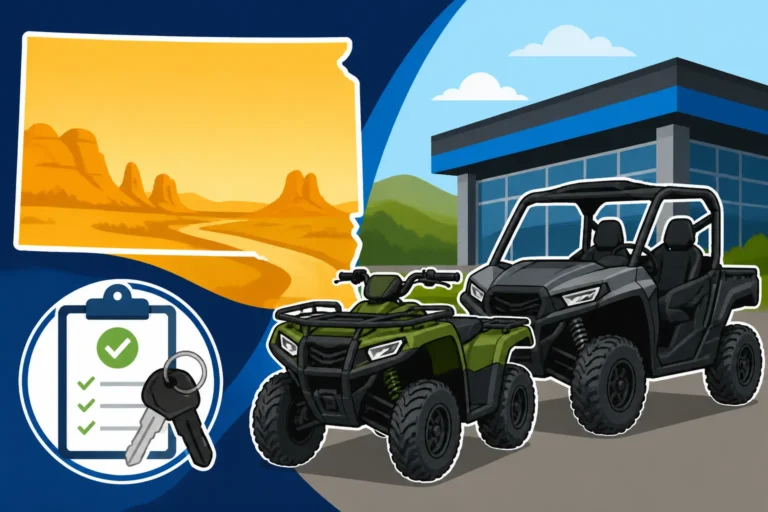
The primary place to get your ATV or UTV titled and plated is your local county treasurer's office. This is where you'll pay your excise tax, title fees, and the annual plate fee. It's always a good idea to call ahead or check their website for specific hours and any unique local requirements, as sometimes things can vary slightly from one county to another. When you go, you'll need a few key documents:
- Proof of Ownership: This is usually the manufacturer's statement of origin (MSO) for a new machine, or the properly assigned title from the previous owner if you bought it used. If you used a service like LawDepot for your bill of sale, have that handy too.
- Bill of Sale: For private purchases, a detailed bill of sale with the purchase price, buyer and seller information, and machine details is crucial.
- Identification: Your valid driver's license.
- Payment: Be prepared to pay all fees (excise tax, title fee, plate fee, technology fee, etc.) by check, cash, or sometimes card (though card payments may incur a small processing fee).
Having everything organized will make the process much smoother. You can find more details on the necessary paperwork in guides like [South Dakota ATV Title Paperwork].
| Fee Type | Description | Typical Payment Time | How to Avoid Extra Cost |
|---|---|---|---|
| Annual Plate Fee | Varies by age/weight, allows road use | Annually | Pay on time |
| Excise Tax (4%) | State sales tax on vehicle purchase | Once, at titling | N/A (mandatory) |
| Title Cost | Establishes ownership of the machine | Once, at titling | N/A (mandatory) |
| Technology Fee ($2) | Supports state motor vehicle system | Once, at titling | N/A (mandatory) |
| Lien Notation ($10) | If financing, records lender's interest on title | Once, at titling | N/A (if financed) |
| Late Title Penalty (1%) | Applied monthly if title isn't transferred within 45 days | If late | Title within 45 days |
| Late Title Penalty (10%) | Applied if title transfer goes beyond 60 days | If very late | Title within 45 days |
Avoiding Common Pitfalls and Extra Expenses
The best way to keep your costs down is to be proactive and informed. Don't wait until the last minute to title your machine after buying it. That 45-day deadline is real, and the penalties for missing it can be significant. If you're buying a used machine, always verify the seller has a clear title and that the VIN on the title matches the machine. A discrepancy can cause major headaches and delays, costing you more time and potentially more in late fees. Also, be aware that [Why South Dakota Plates Are Motorcycle Plates] means that while your ATV gets a plate, it's typically issued under the motorcycle category in the state's system. This doesn't change the fees, but it's a good piece of information to understand when you're looking at your registration documents. Finally, ensure your machine meets the basic requirements for plating, such as the minimum engine size mentioned in [South Dakota's 200cc Motorcycle Licensing Rule] for a four-wheeled vehicle to be considered for a plate, otherwise, you might pay fees only to find out your machine doesn't qualify for road registration.
This article is for general informational purposes only and does not constitute professional advice. Laws, prices and regulations vary by location and change over time. Consult a qualified professional for guidance on your specific situation.