South Dakota’s 35 Percent Tint Rule
It can be incredibly frustrating to try and figure out all the different rules and regulations when you want to take your ATV or UTV out on South Dakota's roads. You bought your machine for adventure, not for an advanced law degree! One area that trips up a lot of riders, especially those trying to make their machine street-legal, is the tint rule, particularly regarding windshields and eye protection. This guide will help you understand South Dakota's 35 percent tint rule, what it means for your machine, and how to navigate the complexities of road-legal riding in the Mount Rushmore State without getting a ticket.
Understanding South Dakota's Tint Regulations for Road-Legal ATVs and UTVs
When you start dreaming of cruising down a South Dakota county road in your UTV, rather than just sticking to trails, one of the first things that pops up on the checklist for making it street-legal is often the windshield. And that's where tint comes into play. It's not just about looking cool or reducing glare; it's a matter of law, specifically concerning visibility and safety for you and other drivers on the road. The rules are designed to ensure that you can see clearly and that law enforcement can see into your vehicle when necessary, maintaining a baseline of safety for everyone sharing the pavement.
The Basics of the 35 Percent Tint Rule
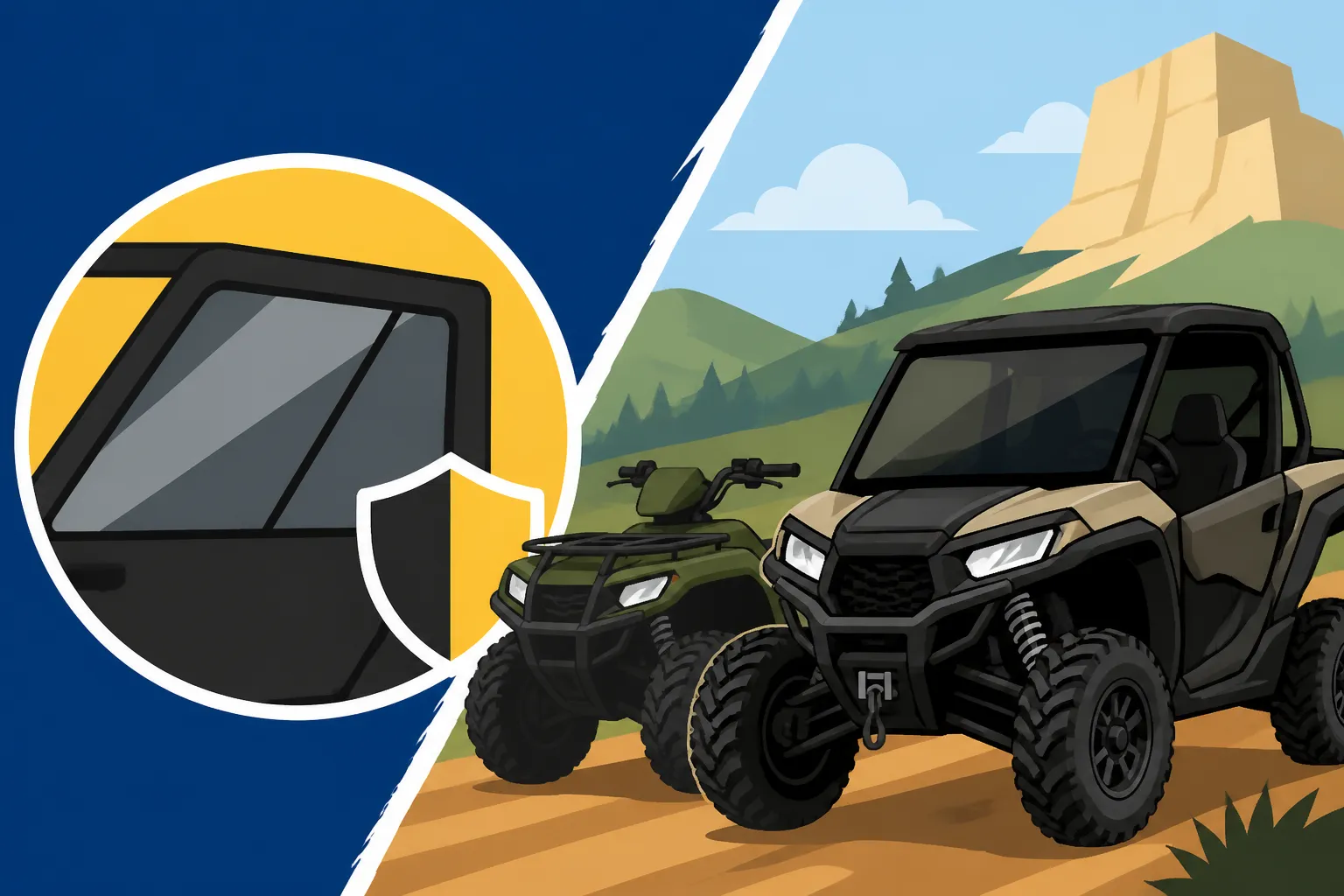
South Dakota has a specific regulation when it comes to window tint on vehicles intended for road use, and this absolutely extends to any ATV or UTV that you're trying to get a license plate for. The rule states that the "light transmittance" through your windows must not be less than 35 percent. Now, what does that actually mean in plain English? It means that at least 35% of the outside light must be able to pass through the tinted material. The lower the percentage, the darker the tint, so a 35% tint is fairly light compared to something like a 5% "limo tint." This isn't just a suggestion; it's a legal standard that law enforcement officers are equipped to measure with specialized tools. If your windshield, or any other windows on your UTV, block more than 65% of the light, you're out of compliance.
This rule applies universally to any vehicle that's going to be cruising on public roads, and it doesn't make an exception just because your machine started its life as an off-road warrior. It's all about consistency in visibility standards. For a UTV with a full windshield and side windows, you need to ensure that all forward-facing and side-viewing areas meet this 35 percent light transmittance threshold. Failing to adhere to this can lead to uncomfortable roadside stops and citations, which certainly puts a damper on any planned ride through the Black Hills or across the prairie. It’s crucial to check any aftermarket windshields or tint films before installation, ensuring they explicitly state compliance with such regulations, or better yet, avoid anything that looks excessively dark.
Why Tint Matters for Street-Legal Machines
You might wonder why a minor detail like tint is such a big deal, especially on an open-air machine like many ATVs or UTVs. The core reason revolves around safety and visibility. First and foremost, proper visibility ensures you, the driver, can clearly see the road ahead, pedestrians, other vehicles, and any potential hazards. Darker tints, while offering privacy or glare reduction, can severely impair your vision, especially at dawn, dusk, or during inclement weather. Imagine trying to spot a deer darting out from a tree line with an overly dark windshield – the seconds lost in perception could be critical.
Secondly, the tint rule plays a role in public safety for law enforcement and emergency personnel. During a traffic stop, officers need to be able to clearly see the occupants of the vehicle for their own safety. If a vehicle's windows are too dark, it obstructs this view, creating an unnecessary risk. For emergency situations, such as an accident, clear windows allow first responders to assess the situation inside the vehicle quickly and provide aid. So, while you might appreciate the aesthetics of a deeply tinted windshield, the state prioritizes the practical concerns of safety and visibility for everyone on the road.
Enforcement and Potential Consequences of Non-Compliance
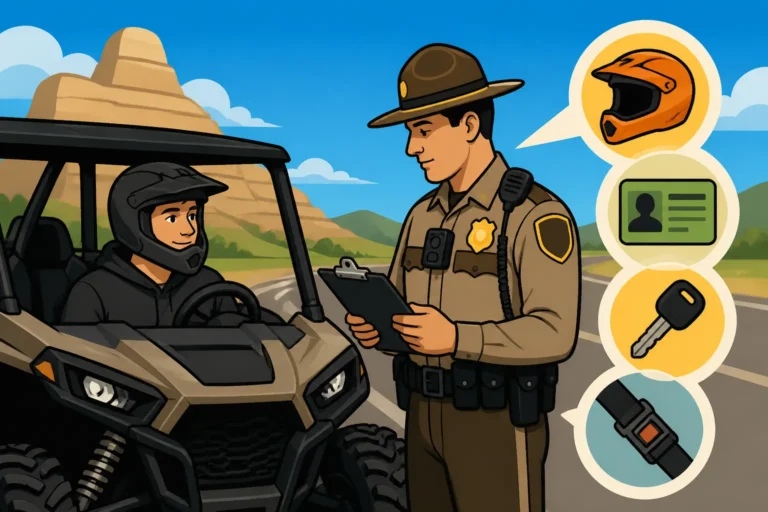
South Dakota law enforcement officers are pretty vigilant about ensuring vehicles on public roads meet the established safety standards, and that includes window tint. A trooper or sheriff's deputy might pull you over if your UTV's windshield or windows appear to be excessively dark, or if they suspect it doesn't meet the 35 percent light transmittance rule. They carry specialized meters that can quickly and accurately measure the tint on your windows right there on the spot. It's not uncommon to see these checks, especially in areas where street-legal ATVs and UTVs are popular, like around the Black Hills.
The consequences of non-compliance aren't just a slap on the wrist. You could be issued a citation for a vehicle equipment violation. The fine itself can vary, but it's often accompanied by an order to fix the issue. This means you'll have to remove or replace the non-compliant tint, and then potentially show proof of correction to avoid further penalties. Repeated offenses or a refusal to comply can lead to more significant fines or even other legal issues. It's far less hassle and certainly less expensive to ensure your machine is compliant from the get-go than to deal with the aftermath of a ticket and the necessary repairs.
Navigating the Broader Landscape of Street-Legal ATV Requirements in South Dakota
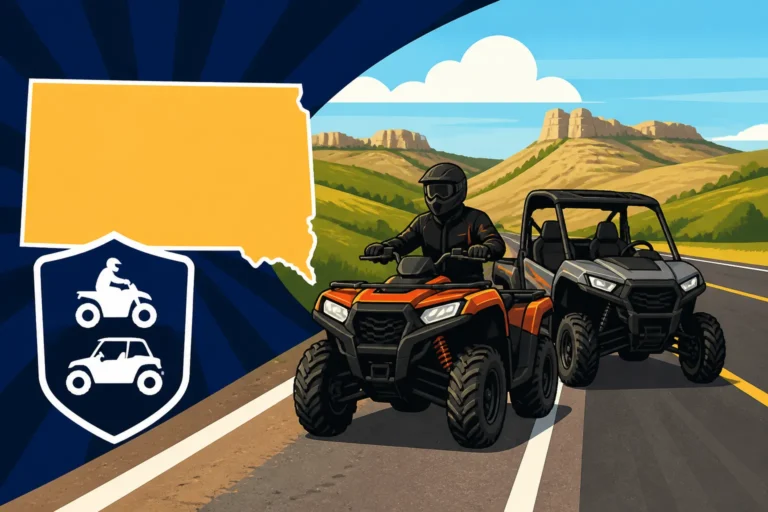
Getting your ATV or UTV street-legal in South Dakota is more than just slapping a license plate on it and hoping for the best. The tint rule is just one piece of a much larger puzzle, and ignoring the other requirements can quickly turn a fun day of riding into a legal headache. The state has a comprehensive set of rules designed to make sure that off-road machines, which are typically built for rugged terrain and not shared roadways, are adequately equipped for the different demands and safety considerations of paved or gravel public roads. It's about ensuring your machine can safely interact with cars, trucks, and motorcycles, and that you're visible and predictable in traffic.
Essential Equipment Beyond Just Tint
When transforming your off-road beast into a street-legal cruiser, you're going to need more than just compliant window tint. South Dakota has a very clear list of equipment that must be installed and functional on your ATV or UTV before it can legally hit the roads. Think of it as upgrading your machine from a trail-specific tool to a multi-purpose vehicle capable of safe road travel. This includes, but isn't limited to, proper headlights (both high and low beam), brake lights, and turn signals – just like any car or motorcycle would have. These are critical for visibility, especially during dawn, dusk, or in poor weather conditions, and for communicating your intentions to other drivers. You can find many of these essential parts at SuperATV, a popular supplier for aftermarket accessories.
Beyond lighting, you'll need at least one rearview mirror, properly mounted to give you a clear view of traffic behind you. A horn is also a non-negotiable item, essential for signaling other drivers or pedestrians in certain situations. Your tires must be DOT-approved, meaning they meet specific standards for road use, unlike some aggressive off-road tires that aren't designed for pavement. A speedometer, an odometer, and a muffler that keeps your machine within legal sound limits are also typically required. It's a comprehensive list that aims to bring your machine's safety features up to par with traditional road vehicles. [Equipment a South Dakota Road Machine Needs] offers a deeper dive into these requirements.
Engine Size and Licensing Considerations for Road Use
South Dakota also has specific stipulations regarding engine size and the type of license you need to operate a street-legal ATV or UTV. For ATVs, specifically, if you want to plate it as a motorcycle for road use, there's an engine displacement threshold. Generally, if your ATV has an engine displacement of 200 cubic centimeters or more, it can be licensed as a motorcycle. This [South Dakota's 200cc Motorcycle Licensing Rule] is a critical distinction, as machines below this threshold typically cannot be plated for public road use. For UTVs, the rules are slightly different, but the intent remains the same: ensuring the vehicle is robust enough for road conditions.
When it comes to the operator, you absolutely need a valid driver's license to operate a street-legal ATV or UTV on South Dakota roads. This isn't like off-road trails where you might ride with just a permit or no license at all if you're on private property. On public roads, you are considered a driver of a motor vehicle, and all the responsibilities that come with that apply. This means if you're under the legal driving age or don't possess a valid license, you cannot operate a street-legal machine on the pavement. The state wants to ensure that anyone behind the wheel has demonstrated the necessary knowledge and skill to operate a vehicle safely in traffic. [Riding a Plated ATV Without a Driver's License] discusses the consequences of not adhering to this rule.
What South Dakota Counts as an Off-Road Vehicle (and what it doesn't)
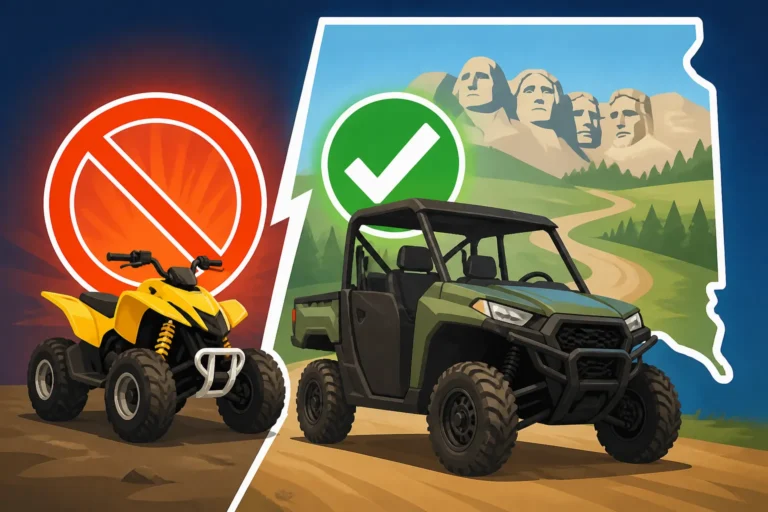
It might seem straightforward, but understanding "What South Dakota Counts as an Off-Road Vehicle" is surprisingly nuanced, especially when you start talking about street legality. The state defines an ORV as a motor vehicle designed for or capable of travel over unimproved terrain, which can include ATVs, UTVs, and even dirt bikes. However, there are exclusions. For instance, farm vehicles, even if they're used off-road, typically sit outside this definition when they're solely used for agricultural purposes, meaning they often don't need the same titling or registration as recreational ORVs.
Similarly, other types of specialized vehicles like golf carts and quadricycles also fall outside the typical ORV definition, and thus have their own distinct sets of rules, particularly regarding street use. A golf cart, for example, has very limited conditions under which it can be operated on public roads, often confined to specific communities or low-speed zones. The distinctions are important because they dictate everything from titling and registration requirements to the specific equipment needed for road legality. Understanding these definitions is the foundational step before you even begin to consider outfitting your machine for the pavement.
Common Pitfalls and Misconceptions About Road-Legal ATVs in South Dakota
Many riders, with the best intentions, often run into trouble when trying to make their ATV or UTV street-legal in South Dakota because of common misconceptions. The leap from a dedicated trail machine to a road-worthy vehicle isn't as simple as it might seem, and the state's regulations are designed to bridge that gap with specific requirements. It's easy to get caught up in the excitement of hitting the open road, but overlooking these details can lead to unexpected fines, frustrating conversations with law enforcement, or even unsafe riding conditions. Let's clear up some of these common misunderstandings.
The "Trail-Only" Mentality vs. Road Readiness
One of the biggest hurdles for riders is shifting from a "trail-only" mindset to understanding "road readiness." When you're riding solely on trails, especially private land or designated OHV parks, the rules are often different, focusing more on basic safety gear like helmets and spark arresters. The environment is forgiving; there's less concern about traffic signals, merging, or sharing the road with 70 MPH vehicles. Your machine might be outfitted with aggressive tires perfect for mud, a suspension dialed for jumps, and minimal lighting – all perfectly acceptable for the backcountry.
However, once you decide to take that machine onto public roads, the game changes entirely. Now, your vehicle needs to meet Department of Transportation (DOT) standards for safety, visibility, and operability in a mixed traffic environment. This means DOT-approved tires that handle pavement safely, turn signals to communicate your intentions, brake lights that are clearly visible, and the correct mirror setup. It's a complete re-evaluation of your machine's capabilities and compliance, and simply adding a license plate to an unmodified trail machine is a recipe for trouble. Products from SuperATV can often help bridge this gap by providing DOT-compliant accessories like mirrors, turn signal kits, and even full windshields designed with road legality in mind.
Why a Tinted Visor Fails the 35 Percent Rule (and other common mistakes)
It's common for ATV and UTV riders to wear helmets with tinted visors, especially on bright, sunny days, and that makes perfect sense for trail riding. However, here's a crucial point that often gets overlooked: [Why a Tinted Visor Fails the 35 Percent Rule]. While your helmet's tinted visor might provide excellent eye protection and glare reduction, it typically does not meet the 35 percent light transmittance rule required for vehicle windows. South Dakota's tint law applies to the vehicle itself. The state generally requires eye protection for all riders, but if you're operating a street-legal machine, your vision through the vehicle's windshield must meet the standard, not just your personal eyewear.
Another common mistake is assuming that "factory tint" on a UTV's plastic roof or rear panel counts towards road legality. While these might be tinted for aesthetics or sun protection, they usually aren't designed to meet the specific light transmittance requirements for a forward-facing windshield. Riders also sometimes misinterpret the ditch riding rules. While [South Dakota Ditch Riding Rules Explained] allows for certain ditch use, it's not a free pass. The regulations are strict about where and how you can ride in the ditch, and simply being "off the main road" doesn't exempt you from needing a properly equipped, street-legal machine if you're using a public right-of-way. Always double-check your specific setup against the exact wording of the law, not just what "feels right" or what you've seen others do.
The Reality of Riding Ditch to Ditch
The concept of "ditch riding" in South Dakota can be confusing for many, and it's certainly not a blanket permission to ride your ATV or UTV anywhere alongside a road. While [South Dakota Ditch Riding Rules] do exist and allow for certain operations, it's crucial to understand the limitations and specific conditions. First off, ditch riding is generally permissible on the extreme right-hand side of the right-of-way, unless a county has specifically opted out and banned it through local ordinances. So, it's not universally legal everywhere. You need to know which counties, if any, have restrictions in place.
Even where it's allowed, there are often rules about the age of the operator (e.g., [Twelve Years Old in a South Dakota Ditch]), speed limits, and the types of roads where it's permitted. You can't just jump into the ditch of an interstate highway, for instance. And while you might be riding "in the ditch," if that ditch is part of a public right-of-way, your machine still needs to meet certain basic equipment standards for safety and visibility, even if it's not fully plated for road use. The ditch isn't a magical legal loophole; it's a specific zone with its own set of rules, and a trooper will still check for compliance. Understanding these nuances is key to avoiding fines.
Preparing Your Machine for South Dakota Roads: Beyond the Window
Once you've wrapped your head around the tint rules and the general concept of road legality, the next step is practical application. It's one thing to read about the requirements, but quite another to actually outfit your ATV or UTV to meet them. This involves not just installing the right parts but also understanding how to choose them, where to get them, and how to maintain your machine to ensure ongoing compliance. Getting your machine ready for South Dakota's roads means making it a safe, visible, and legally sound mode of transportation that can confidently share the tarmac with traditional vehicles.
Equipping Your Machine for Safety and Visibility
Making your machine truly road-ready means investing in a range of equipment that boosts both your safety and your visibility to other drivers. Beyond the legal mandate, these additions are simply smart choices for anyone sharing the road. Headlights, taillights, and brake lights are paramount. Ensure they are bright, properly aimed, and functioning reliably. A turn signal kit, often an aftermarket addition for ATVs and UTVs, is essential for clearly communicating your intentions to other drivers. This is a crucial safety feature that often gets overlooked by riders thinking only of off-road use.
Mirrors are another key component for safety on the road. South Dakota requires at least one rearview mirror, but many riders opt for two side mirrors for better situational awareness, just like a car. [Fitting a Mirror Before a Road Ride] is a task that needs careful attention to ensure proper placement and functionality. A horn is also a necessity, providing an audible warning when needed. Furthermore, ensure your tires are DOT-approved. Off-road specific tires might offer great traction in mud, but they can handle poorly, wear quickly, and provide less grip on pavement. Upgrading to street-legal tires makes a huge difference in handling and safety on the road.
Sourcing Compliant Parts
Finding the right parts to make your ATV or UTV street-legal can feel like a scavenger hunt, but thankfully, there are excellent resources available. It's crucial to seek out components that are specifically designed to meet or exceed DOT (Department of Transportation) standards where applicable, as well as state-specific requirements. For instance, when it comes to lighting, look for lights that are clearly marked as DOT compliant. For windshields, make sure any tinting meets the 35 percent light transmittance rule, or opt for clear, untinted versions if you're unsure.
Many aftermarket accessory companies specialize in street-legal conversion kits and individual components for ATVs and UTVs. Brands like SuperATV offer a wide range of products from turn signal kits and DOT-approved windshields to mirrors and horns, all designed to help riders comply with road regulations. When purchasing parts, always double-check the product descriptions for compliance statements or certifications. Don't be afraid to ask questions before you buy. Reputable dealers and online retailers will be able to guide you towards the right components that will help you pass an inspection and stay within the law. Always keep receipts and any documentation proving compliance for your records.
Pre-Ride Checks and Staying Compliant on the Road
Once your machine is fully equipped and street-legal, the job isn't over. Regular pre-ride checks are absolutely essential to ensure you stay compliant and safe on South Dakota's roads. Think of it like a pilot's pre-flight checklist – a quick but thorough examination can prevent issues. Before every road ride, walk around your ATV or UTV and check all your lights: headlights (high and low beam), taillights, brake lights, and turn signals. Make sure they're all working, clean, and visible. [What a South Dakota Trooper Checks Roadside] often starts with these basic visual checks.
Also, test your horn and ensure your mirrors are clean and properly adjusted. Check your tires for proper inflation and any signs of damage or excessive wear, verifying they are still DOT-compliant. It's also wise to glance at your windshield for any new cracks or obstructions that might impede your vision or affect the tint's integrity. These routine checks only take a few minutes, but they can save you from a traffic stop, a fine, or more importantly, a safety hazard. Staying vigilant about your machine's condition means you can enjoy your street-legal rides across the beautiful South Dakota landscape with peace of mind.
Here's a quick comparison of common tinting scenarios and their compliance in South Dakota:
| Tint Scenario | Description | South Dakota Compliance (35% rule) | Notes |
|---|---|---|---|
| Clear Windshield | No tinting applied. | Compliant | Allows 100% light transmission, well above the 35% minimum. Safest option for guaranteed compliance. |
| Aftermarket Film (35%) | Professional film applied to meet exactly 35% light transmission. | Compliant | Requires precise application and verification with a tint meter. Check product specifications carefully. |
| Factory-Tinted Windshield | UTVs sometimes come with light factory tinting on parts of the windshield. | Check with manufacturer | Some factory tints may be legal, others may be too dark. Always verify the actual light transmission percentage or get it measured. |
| Dark Aftermarket Film (e.g., 20%) | Tint film that only allows 20% of light through. | Non-Compliant | Blocks too much light (80% blocked). Will result in a citation if caught. |
| Tinted Helmet Visor | A dark visor on a rider's helmet. | N/A (For Vehicle) | While good for eye protection, this does not affect the legality of the vehicle's windshield tint. Your vehicle's windshield must meet the rule independently. [Why a Tinted Visor Fails the 35 Percent Rule] is a common trap. |
Disclaimer
This article is for general informational purposes only and does not constitute professional advice. Laws, prices and regulations vary by location and change over time. Consult a qualified professional for guidance on your specific situation.