South Dakota Rules for Riding a Ranch Road
Navigating the rules for riding your ATV or UTV can feel like deciphering a secret code, especially when you're on private property. Many folks assume that once you're off public roads, anything goes. However, even on a private ranch road in South Dakota, there are still best practices and important considerations to ensure you're riding respectfully, safely, and legally. This guide aims to clear up the confusion and provide clear, actionable insights for riding your machine on South Dakota ranch roads.
Understanding "Private Land" in South Dakota for ATVs
The big difference between riding on public land or roads and riding on a private ranch road in South Dakota boils down to one critical element: permission. Without it, you're not just unwelcome; you're trespassing, which can lead to serious legal trouble and a very unhappy landowner. This isn't just a courtesy; it's a fundamental principle of land use.
The Basics of Landowner Permission
When we talk about riding on private land, we're almost always talking about needing explicit permission from the property owner. This isn't like finding an open gate and assuming it's an invitation. Ranchers and private landowners have their own rules, boundaries, and reasons for controlling access to their property, whether for livestock, crops, personal privacy, or simply preventing damage. Always err on the side of caution and ask first.
It's easy to fall into the trap of thinking, "Oh, I know old Bob, he won't mind." But even with friends or acquaintances, a quick conversation can save a lot of headaches. Imagine showing up with your shiny new side-by-side, eager to hit some trails, only to find out the rancher just seeded a new pasture or has sensitive equipment out in the fields. Your assumed permission could cause real problems. To ensure clarity and avoid any misunderstandings, especially if you're riding a substantial distance or over multiple days, it's always best to have permission in writing. This provides a clear understanding of where you can ride, when, and what responsibilities you have.
Navigating Access: Gates, Fences, and Signage
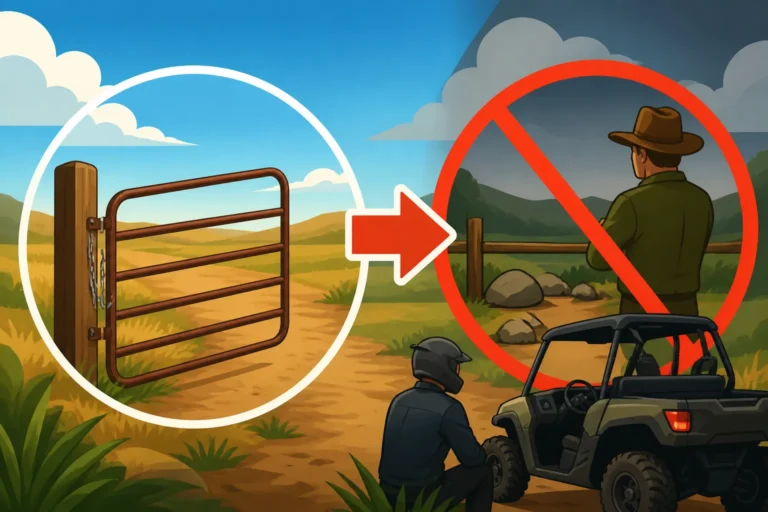
Ranch roads are often characterized by features that denote private property and manage livestock, such as gates, fences, and [Cattle Guards on a Ranch Road]. These aren't merely decorative elements; they serve crucial functions. A closed gate usually means it should stay closed, whether to keep livestock in or trespassers out. It's a fundamental rule of ranch etiquette: if you open a gate, you close it behind you. If it's open, leave it open unless otherwise instructed. Ignoring this simple rule can lead to cattle wandering off, which is a major headache and expense for the rancher.
Fences clearly mark boundaries, and intentionally or accidentally breaching them is a serious offense. Staying on established ranch roads and trails, as indicated by the landowner, is paramount. Sometimes, ranch roads might appear to be public access points, but signs, even subtle ones, might indicate otherwise. Always look for "No Trespassing," "Private Property," or other regulatory signs. Remember, these landowners are entrusting you with access to their livelihoods and homes, and respecting these physical boundaries shows respect for their property. Understanding [South Dakota Landowner Permission Rules] is key here, as even unposted private land still carries the expectation of permission.
Why Ranch Roads Differ from Public Roads
On public roads and trails, you’re governed by a host of state and sometimes county-level regulations regarding registration, titling, permits, and equipment. However, once you're on private ranch roads with the owner's permission, many of these public-land rules relax considerably. For example, if your ATV is solely used on private land, you might not need a title or registration in the same way you would for public road use. This can be a huge relief for ranchers who use their machines primarily for work.
However, "relaxed rules" don't mean "no rules." While you might not be cited for not having a helmet if you're over 18 or for lacking a mirror on a ranch road, common sense and safety still prevail. The physical dangers of operating an ATV or UTV—rollovers, collisions, mechanical failures—remain the same regardless of the land ownership. A rancher granting permission is not absolving you of responsibility for your own safety or for any damage you might cause. Always think about what could go wrong and how to prevent it. Even on private land, understanding basic safety principles and operating your machine within its capabilities is essential.
Specific Scenarios on South Dakota Ranch Roads
Ranch roads aren't just for joyrides; they're often the arteries of a working ranch. Understanding the various ways ATVs and UTVs are used on these private lands can help you appreciate the nuances of riding responsibly.
Riding for Work vs. Recreation
For many South Dakota ranchers, an ATV or UTV isn't a toy; it's an indispensable tool. These machines haul fencing supplies, check on livestock, transport feed, scout pastures, and can even be used for light agricultural tasks. In these scenarios, the machine is truly a utility vehicle, and its operation is integral to the business of the ranch. Because of this, many states, including South Dakota, offer some agricultural exemptions for vehicles used primarily in farming and ranching operations. This means that a rancher using their UTV to fix a fence might not face the same regulatory scrutiny as someone trailering their machine to a public trail for a weekend ride.
When you're riding on a ranch road for recreation, it's important to remember that you're a guest on a working property. While the rules might be less stringent than on public land, your primary goal should be to not interfere with ranch operations and to leave the land exactly as you found it. The expectation is that you're there for enjoyment, but with a keen awareness of your surroundings and the rancher's needs. A good way to think about this is considering [A Quad That Only Works a South Dakota Ranch]; these machines are tailored for function, not necessarily for speed or aggressive riding.
Carrying Gear and Passengers on Ranch Roads
One of the great advantages of UTVs, especially, is their capacity to carry gear and multiple passengers. On a ranch road, this capability truly shines. You might be hauling bags of mineral for cattle, tools for a gate repair, or even feed to remote troughs. Accessories like cargo boxes, winches, and additional lighting can significantly enhance a machine's utility. For instance, a durable SuperATV cargo box can keep your tools dry and secure, while a powerful winch from the same brand can be a lifesaver if you get stuck in a muddy section or need to move a fallen tree. These practical additions make ranch work much more efficient.
When it comes to passengers, private land rules are generally more flexible than those for public roads. While public roads might have strict limits on passenger numbers and seating configurations, on a ranch, the primary concern is safety and the vehicle's design capacity. Always ensure passengers are seated properly, wearing appropriate safety gear (even if not legally mandated, it’s always a good idea, especially for youth), and understand the dynamics of riding in an off-road vehicle. Remember, even on private land, you are responsible for the well-being of your passengers.
What About Hunting Season?
Ranch roads often serve as access points for hunting grounds, and the intersection of ATV/UTV use and hunting season can be complex. If you're riding a ranch road during hunting season, whether you're hunting yourself or just recreating, you need to be acutely aware of local game laws and regulations. Even on private land, rules regarding the use of motorized vehicles to pursue, harass, or retrieve game often apply. It's not uncommon for specific areas to have restrictions on when and where you can use an ATV during hunting season to prevent unfair advantages or disturbance to wildlife.
Always communicate with the landowner about their specific rules for ATV use during hunting season, as they might have additional restrictions beyond state law. You'll want to be familiar with [South Dakota Rules for Riding in Hunting Season] and understand how they might apply to your specific situation on a private ranch. For example, some ranchers might prohibit riding in certain areas to avoid disturbing game animals, while others might allow retrieval of downed animals using a machine. Additionally, if you're retrieving game, especially something substantial like a deer, having a robust machine with good cargo capacity or towing capabilities (perhaps with a SuperATV hitch accessory) can make the job much easier and safer.
Legalities and Best Practices for Ranch Road Riding
Even with the relaxed nature of private land rules, a few key legalities and best practices can make your ranch road riding experience smooth, safe, and respectful.
The Importance of Written Permission
While a handshake and a verbal "go ahead" might feel sufficient, especially among friends or family, nothing beats written permission for absolute clarity and protection. This isn't about distrust; it's about clear communication and avoiding potential misunderstandings down the road. A simple written agreement could outline the dates you're allowed to ride, the specific areas or roads you have access to, any off-limit zones, and perhaps even specific safety requirements the landowner has. It can also clarify who is responsible for what in case of an accident or damage.
Consider a scenario where the land changes hands, or a new family member takes over management. Written permission ensures continuity and that you don't face an awkward situation with someone unfamiliar with the previous agreement. It provides a legal record that protects both you and the landowner. When seeking [Getting a Rancher's Permission in South Dakota], offer to draft a simple document. This proactive approach demonstrates your respect for their property and their wishes.
Safety First, Even on Private Ground
It's easy to get complacent on private land, thinking that since you're away from public scrutiny, you can let your guard down. This is a dangerous mindset. The physics of an ATV or UTV don't change just because you're on a private ranch road. Rollovers, collisions with unseen obstacles, and mechanical issues can happen anywhere. Therefore, always prioritize personal safety. This means wearing appropriate safety gear, including a helmet and eye protection, especially for younger riders or if you're tackling unfamiliar terrain. Even adults, who aren't legally required to wear a helmet off-road in South Dakota, benefit immensely from the protection it offers.
Regular maintenance of your machine is also crucial. Check your tire pressure, brakes, oil levels, and ensure all lights are working if you plan on riding near dusk or dawn. Having a well-maintained machine not only prevents breakdowns but also ensures it performs predictably, which is a key element of safety. Equipping your machine with reliable components, such as heavy-duty axles or suspension upgrades from SuperATV, can also enhance its durability and safety on demanding ranch terrain. Remember, a safe ride is a fun ride, and it also demonstrates your responsibility to the landowner.
Respecting the Land and Its Boundaries
The privilege of riding on private ranch roads comes with the responsibility of being a good steward of the land. This means staying on designated roads or trails, avoiding sensitive areas like wetlands, newly seeded fields, or areas where livestock are actively grazing. Off-roading through pastures or damaging fences can have serious financial implications for a rancher. It's not just about the immediate damage; it can affect grazing rotations, cause livestock to escape, or even lead to soil erosion in sensitive areas.
Always be mindful of your environmental impact. Avoid excessive wheel spin, which can tear up ground and lead to erosion. Pack out everything you pack in, ensuring no trash is left behind. If you encounter livestock, slow down, give them a wide berth, and avoid startling them. The cardinal rule of [Why Leaving a Ranch Gate Open Costs You Access] is a prime example of how a small oversight can have massive negative consequences. Showing this level of respect not only preserves the land but also strengthens the trust between riders and landowners, potentially opening more doors for future riding opportunities.
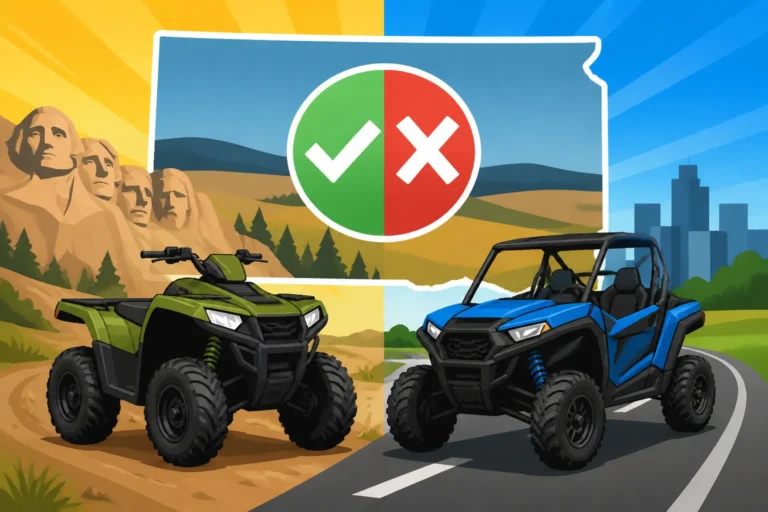
Here's a quick comparison of general rules for public roads/trails versus private ranch roads in South Dakota:
| Feature | Public Roads/Trails (General) | Private Ranch Roads (with permission) |
|---|---|---|
| Permission | Implied (open access, with permit where needed) | Explicitly required from landowner |
| Title/Reg. | Often required, especially for public road use | Often not required if solely on private land |
| Trail Permit | Required on designated Black Hills trails | Not required |
| Helmet (18+) | Not required off-road, but always recommended | Not required, but strongly recommended |
| Helmet (<18) | Required (even as passenger) | Strongly recommended |
| Driver's Lic. | Required for plated ATVs on public roads | Not required, but safe operation is paramount |
| Insurance | Required for plated ATVs on public roads | Not required, but liability insurance is wise |
| Equipment | Specific requirements (lights, mirrors, horn, etc.) | Generally determined by landowner/common sense |
| Speed Limits | Posted limits apply | Generally determined by landowner/common sense/safety |
| Trespassing | Penalties apply for unauthorized access | Penalties apply for unauthorized access |
Disclaimer
This article is for general informational purposes only and does not constitute professional advice. Laws, prices and regulations vary by location and change over time. Consult a qualified professional for guidance on your specific situation.