South Dakota Rules for Riding a Rail Trail
It's a common dream for many ATV and UTV enthusiasts: hopping on your machine and cruising down a scenic path, taking in the beauty of South Dakota. But sometimes, that dream bumps up against the reality of regulations, especially when it comes to popular routes like rail trails. Many riders get excited at the thought of miles of open trail, only to be frustrated when they discover their machine isn't welcome. This guide is here to cut through the confusion and clearly explain South Dakota's rules for riding rail trails, so you know exactly where you can and cannot take your off-road vehicle.
The General Rule for South Dakota Rail Trails
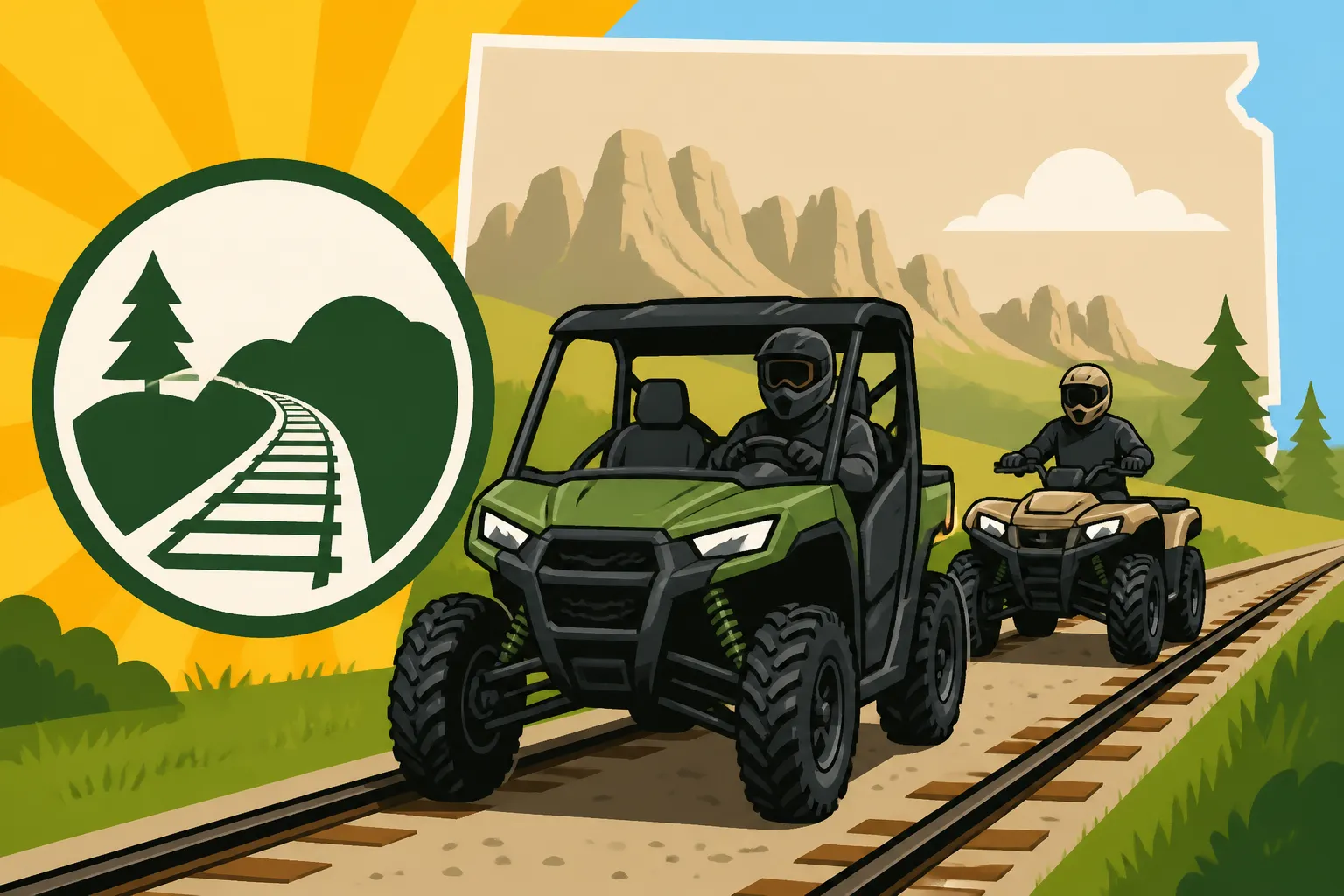
Let's get right to it: generally speaking, rail trails in South Dakota are not open to ATVs or UTVs for recreational riding. This can be a tough pill to swallow for riders who see a long, maintained path and think it's perfect for their machine, but there's a good reason for it. These trails are typically developed on former railroad beds and are specifically designed and managed for non-motorized activities. Think of them as linear parks, offering a safe and peaceful environment for walkers, joggers, cyclists, and sometimes horseback riders. The intent behind their creation is usually to provide a different kind of outdoor experience, one focused on quiet recreation and nature appreciation without the noise or speed of motorized vehicles.
This isn't just a suggestion; it's a rule enforced to protect the trail surface, maintain the intended user experience, and ensure safety for everyone. If you've ever ridden a side-by-side or ATV, you know they can carve up a trail, especially after a rain. That kind of impact simply isn't compatible with a path meant for a leisurely bike ride or a stroll.
The Mickelson Trail's Prohibition
Perhaps the most famous example of a South Dakota rail trail is the George S. Mickelson Trail. Winding through the stunning Black Hills, this trail is a prime example of a non-motorized recreational corridor. Despite its incredible length and diverse terrain, it is strictly off-limits to ATVs and UTVs. I know it looks inviting, especially some of those smoother sections that just scream "perfect for a cruise!" But the trail's foundation, its surface, and the entire philosophy behind its existence are geared towards human-powered activities. [Why the Mickelson Trail Bans Machines]
It's important to understand that the Mickelson Trail was developed with a specific vision: to provide a long-distance, accessible path for activities like bicycling, hiking, and even cross-country skiing in the winter. The resources invested in its construction and upkeep are dedicated to maintaining it for these uses, which are incompatible with the wear and tear of motorized vehicles.
Why Rail Trails Are Different From Forest Trails
This is where a lot of the confusion comes in for riders. You might think, "Well, I can ride my ATV on forest trails, why not a rail trail?" It's a valid question, and the answer lies in their fundamental design, funding, and purpose. Forest trails, particularly those within the Black Hills National Forest, are often specifically designated and managed for motorized use. They are built to withstand the impact, and their routes are designed with different considerations for erosion, user conflict, and environmental sensitivity. They're part of a larger system that includes motorized recreation. [Where to Ride an ATV in South Dakota]
Rail trails, on the other hand, are conversions of old railroad beds. While they offer a relatively flat grade and direct routes, their surfaces are typically gravel or crushed rock, not designed for the sustained impact of engines and knobby tires. They often pass through more populated areas or alongside private land where noise and dust from ATVs would be much more impactful. Different governmental bodies and organizations often oversee these different types of trails, each with their own set of rules and mandates.
Understanding the "Non-Motorized" Mandate
When a trail is labeled "non-motorized," it's not just a suggestion; it's a legal designation that carries weight. This mandate is about preserving the character of the trail and the experience of its primary users. It's about quiet enjoyment, safety for pedestrians and cyclists who aren't expecting fast-moving vehicles, and protecting the investments made in these community assets. Imagine trying to enjoy a quiet bike ride with the constant hum of engines, or the dust kicked up by a passing UTV. It changes the entire dynamic of the trail. [Why the Mickelson Was Built for Bicycles, Not Quads]
The goal is to provide diverse recreational opportunities, and rail trails fill the niche for silent sports. This isn't to say that ATV/UTV riding is any less valid, just that it has its own designated spaces, which are critically important to respect.
Exceptions and Misconceptions
Are there any exceptions? For recreational riding, the answer is almost always no. You won't find a special permit to ride your ATV on the Mickelson Trail for fun. However, there are very limited, specific circumstances where a motorized vehicle might be present on a rail trail, and these are crucial to differentiate from recreational use:
- Maintenance Vehicles: Trail maintenance crews use specialized equipment, which might be motorized, to keep the trail in good condition. These are official vehicles operating under specific permits for necessary work.
- Emergency Services: In the event of an emergency, medical or rescue vehicles may need to access the trail.
- Landowner Access: On rare occasions, a private landowner whose property borders or is bisected by the trail might have a legal easement or agreement allowing limited motorized access for agricultural or property management purposes. This is not for general recreational riding.
These are not loopholes for the average rider. It's a misconception to think that because you occasionally see a work vehicle, the rules are flexible for everyone. The rules are clear: if you're out for a ride on your ATV or UTV, a rail trail is not the place for it.
Penalties for Riding Where Prohibited
Ignoring the "no motorized vehicles" signs on a rail trail can lead to more than just a stern look. It can result in fines and other legal consequences. Depending on the specific trail and the enforcement authority (which could be a state park, county sheriff, or local law enforcement), you could face a citation. These aren't just minor inconveniences; they can be costly and put a damper on your entire trip. [South Dakota Fines for Illegal ATV Road Use]
Beyond the legal ramifications, there's also the impact on the riding community as a whole. When rules are disregarded, it can lead to increased restrictions and a negative perception of ATV and UTV riders. We all want to preserve access to the places we can ride, and respecting the rules of designated non-motorized areas is part of being a responsible rider.
Finding Legal Places to Ride Your ATV/UTV
Since rail trails are largely off-limits for recreational ATV/UTV use, it’s important to know where you can legally and responsibly enjoy your machine in South Dakota. The good news is that there are fantastic opportunities available, particularly in the western part of the state.
Designated OHV Areas and Forest Trails
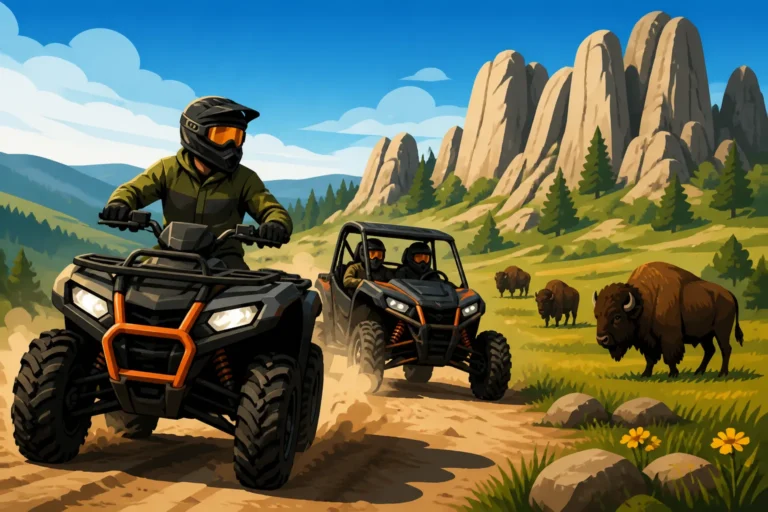
South Dakota is home to some incredible riding opportunities, especially within the Black Hills National Forest. Here, you'll find hundreds of miles of designated motorized trails and forest roads that are specifically managed for ATV and UTV use. These areas offer everything from challenging climbs to scenic cruises, catering to a wide range of skill levels. Places like the [Oahe Downstream OHV Area] near Pierre, or the [Revheim Bay OHV Area], also near Pierre, offer dedicated spaces for off-road fun.
Remember, though, that even in these designated areas, there are rules. You'll likely need a [South Dakota's Motorized Trail Permit] to ride on federal lands, and there are often width restrictions, seasonal closures, and other regulations to follow. Always check the current maps and conditions before you head out. Forest Service MVUMs (Motor Vehicle Use Maps) are your best friend here, showing exactly which trails are open to which types of vehicles and when.
Private Land and Permission
Another excellent option for riding your ATV or UTV is on private land—but only with explicit permission from the landowner. South Dakota has vast stretches of private ranchland and acreage, and many landowners are happy to allow responsible riders on their property, especially if you're helping with tasks or just enjoying the scenery respectfully. Always, always ask first. Trespassing can lead to serious legal trouble and damages the reputation of all riders. Building a good relationship with a landowner can open up incredible riding opportunities that are otherwise inaccessible. [South Dakota Landowner Permission Rules] A simple handshake and clear understanding of where you can and can't go are invaluable.
Road-Legal Options
For those looking to extend their riding beyond designated trails, converting your ATV or UTV to be "street legal" is another path. South Dakota allows properly equipped and titled ATVs and UTVs to be licensed as motorcycles for road use, opening up access to many county and state roads. This means you could potentially ride from your campsite to a trailhead, or even cruise between small towns. However, becoming street legal involves meeting specific equipment requirements (like mirrors, horns, lights) and following all traffic laws. It's a whole different ballgame than trail riding, but it's an option for some. [Are ATVs Street Legal in South Dakota?] Just be aware that even with a plate, interstates and other high-speed highways are still typically off-limits.
Gear and Preparation for Approved Trails
Once you've identified the legal and appropriate places to ride your ATV or UTV, proper preparation is key for an enjoyable and safe experience. It's not just about knowing the rules of the trail; it's about making sure you and your machine are ready for whatever adventure awaits.
Essential Safety Gear
Safety should always be your top priority. Even on relatively easy trails, accidents can happen, and proper gear can make all the difference. In South Dakota, while adults (18 and older) are generally not mandated to wear helmets on ATVs on public land, it's always a smart choice. For riders under 18, helmets are often required. [South Dakota Helmet Rules for ATV Riders] Beyond helmets, make sure you have adequate eye protection, whether it's goggles or a full-face helmet visor. Dust, bugs, and branches can quickly turn a fun ride into a painful one without them. [South Dakota Eye Protection Rules for Riders] Sturdy boots, long pants, and long-sleeved shirts are also highly recommended to protect against scrapes and sun exposure.
Machine Maintenance and Preparation
Your machine is only as good as its last maintenance check. Before every ride, especially if you're heading out for a longer excursion in the Black Hills, give your ATV or UTV a thorough once-over. Check tire pressure, fluid levels, brakes, and lights. Ensure your spark arrester is in good working order, as this is often a requirement on public lands to prevent wildfires. Having quality, reliable parts can make a huge difference in performance and safety, especially when you're far from civilization. If you're looking to upgrade or replace components, companies like SuperATV offer a wide range of accessories and parts that can enhance your machine's durability and capability on diverse terrain. It's worth investing in robust components that can handle the varied conditions you'll find on South Dakota's approved trails.
Carry a basic toolkit, a first-aid kit, water, and enough fuel for your planned route, plus a little extra for emergencies. A winch, especially if you're riding with others or in remote areas, can be a lifesaver.
Carrying Maps and Knowing the Rules
Never head out into unfamiliar territory without a map and a clear understanding of the rules for that specific area. Digital maps on your phone or GPS are great, but a physical paper map (like a Black Hills National Forest MVUM) can be invaluable if your battery dies or you lose signal. Know the trail numbers, any width restrictions, and specific opening/closing dates. [Black Hills Motorized Trail Permit Cost] Many trails in South Dakota have seasonal closures, particularly in spring to protect fragile trails from mud damage, and in winter due to snow. Checking the Forest Service website or calling a local ranger district office before you go can save you a lot of disappointment. Responsible riders are informed riders, and being prepared ensures that your time on South Dakota's trails is not only thrilling but also respectful of the land and fellow enthusiasts.
Disclaimer
This article is for general informational purposes only and does not constitute professional advice. Laws, prices and regulations vary by location and change over time. Consult a qualified professional for guidance on your specific situation.