South Dakota Rules for Riding a Highway Shoulder
Navigating the rules for where you can and can't ride your ATV or UTV in South Dakota can feel like deciphering a secret code, especially when it comes to riding along highways. Many riders understandably wonder about using the shoulder of a state highway, assuming it might be a safe or legal alternative to the main lanes. This guide will clarify South Dakota's specific regulations regarding highway shoulders, outlining what's allowed, what's definitely not, and why those distinctions are so important for both your safety and your peace of mind.
Understanding South Dakota's Ditch Riding Rules and How Shoulders Fit In
It's a common sight across South Dakota: folks out riding their ATVs and UTVs in ditches. Our state has provisions for this, and it's a huge benefit for landowners and recreational riders alike. However, there's often a significant misunderstanding about what exactly constitutes the "ditch" and whether the shoulder of a highway falls under that definition. The legal distinctions here are crucial, and mistaking one for the other can lead to unwanted consequences.
The Nuances of the "Ditch" Definition
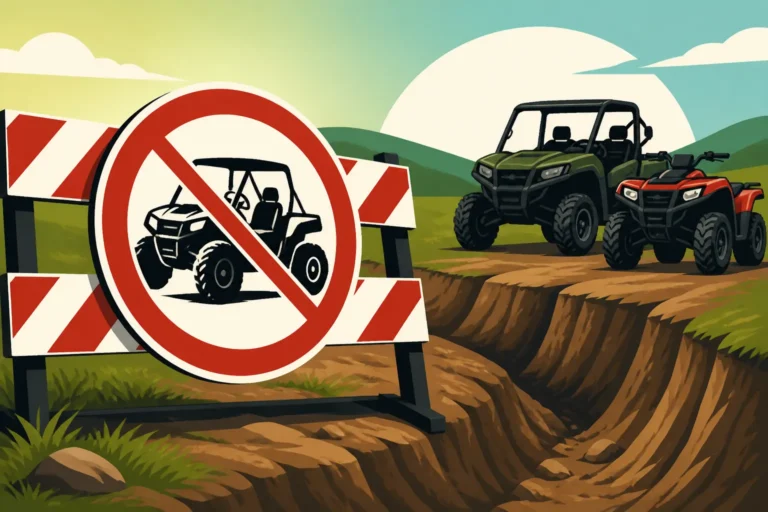
When South Dakota law talks about "ditch riding," it's generally referring to the area beyond the shoulder, typically the sloped ground leading away from the paved or gravel roadway, often towards a fence line or property boundary. This area is distinct from the road itself, designed to manage water runoff and provide a buffer. Riders often assume that because a ditch is adjacent to the road, the shoulder must be fair game too. But that's usually not the case. The ditch is often unkempt, sometimes rocky or muddy, and definitely not designed for regular vehicular traffic in the same way the shoulder is. The intent behind our ditch riding laws, as outlined in statues, is often to allow access for agricultural purposes, property access, or for recreational travel in areas where it won't impede faster-moving highway traffic. It's about utilizing the unused margin of the right-of-way, not the immediate edge of the travel lane.
For a deeper dive into these rules, you might want to read [South Dakota Ditch Riding Rules Explained]. Understanding the precise definition is your first line of defense against accidental violations.
Why the Shoulder is Different from the Ditch Bottom
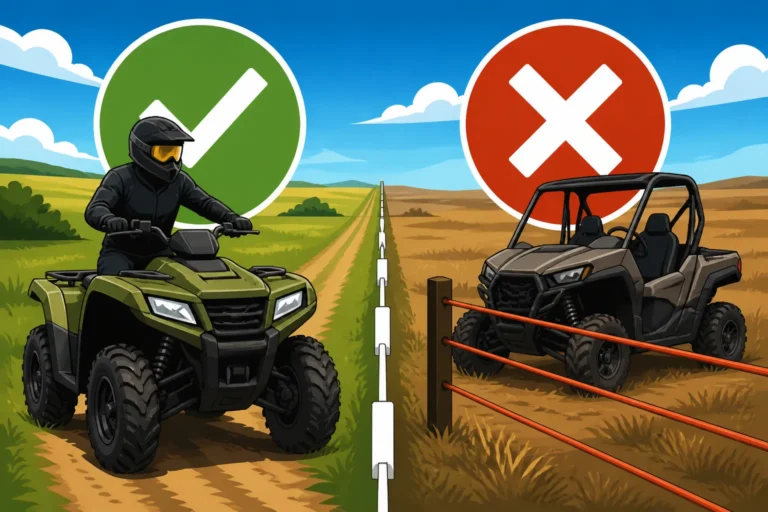
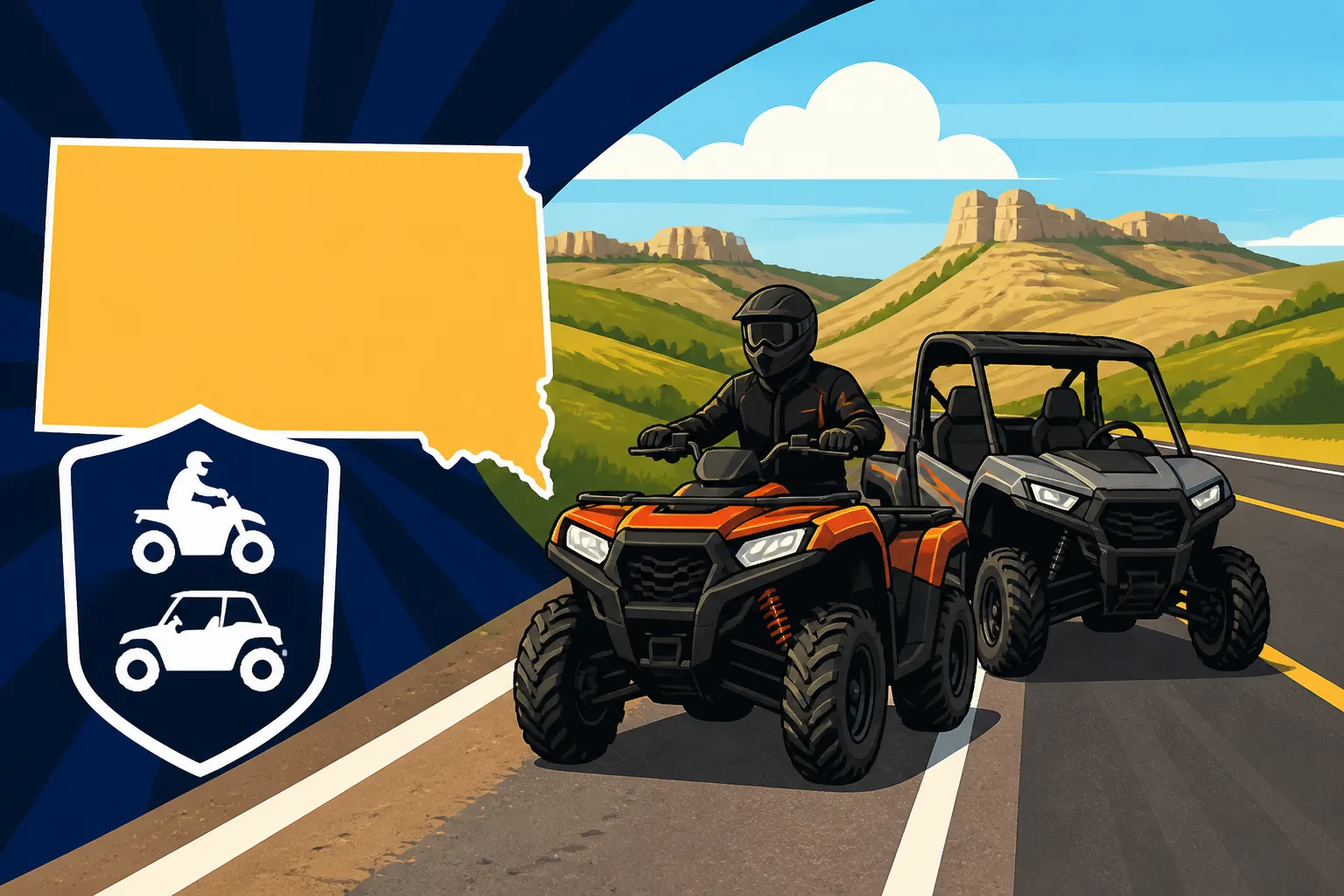
The highway shoulder, whether paved or graveled, is generally considered an integral part of the roadway. It's there for emergency stops, breakdown lanes, bicycle traffic in some areas, or for pulling over safely. It's not typically designated as a travel lane for ATVs and UTVs for sustained movement. While it feels like the "edge" of the road, legally and functionally, it's far closer to the main traffic lanes than the ditch bottom. The "outer edge" rule, which refers to the outermost boundary of the ditch that an ORV might legally travel, generally places riders further away from the main road than the shoulder ever would.
Imagine a situation: you're riding your UTV with some cool SuperATV accessories installed, and you see a paved shoulder next to a busy highway. It looks like an easy ride, but the risk is high. Highway speeds are vastly different from the typical speeds of off-road vehicles. Even if there's no immediate traffic, the potential for a sudden, dangerous interaction with a car or truck is always present. The law aims to prevent these interactions by keeping slower-moving, less protected vehicles out of areas where high-speed traffic operates. This distinction isn't just bureaucratic; it's rooted in fundamental safety principles for all road users.
When the Shoulder Becomes Legal: Exceptions and Clarifications
While riding an ATV or UTV on a highway shoulder for sustained travel is generally prohibited in South Dakota, there are specific, limited circumstances where brief use might be legally permissible. These are exceptions to the rule, not an invitation to treat the shoulder as a regular travel lane. It's vital to understand these nuances to stay compliant and safe.
Crossing Highways and Obstructions
There are times when using a shoulder briefly is unavoidable and, under specific conditions, legal. For instance, when you need to [South Dakota Rules for Crossing a Highway], you might momentarily use a small section of the shoulder to position yourself safely before traversing the roadway. This is not about traveling along the shoulder but rather using it as part of a necessary maneuver to get from one legal riding area (like a ditch or trail) to another. Similarly, if you are legally riding in a ditch bottom and encounter an obstruction – perhaps a washed-out section, deep water, or a fence – the law may allow you to briefly [When an Obstruction Lets You Leave the Ditch Bottom] to bypass it. This again is a temporary deviation for safety and practicality, not an extended ride.
The key here is "briefly" and "necessary." You can't use an obstruction as an excuse to ride the shoulder for miles. A quick, safe detour around an impassable spot is one thing; using it as your primary route is another entirely. A law enforcement officer will be looking at the context and duration of your shoulder use. Was it a short, unavoidable movement to maintain safety, or were you treating the shoulder as an alternative road?
County-Specific Regulations and Opt-Outs
South Dakota's approach to ATV/UTV use in ditches involves a state framework that allows individual counties to [How a South Dakota County Opts Out of Ditch Riding]. This means that while some counties permit ditch riding, others may have explicitly banned it. However, it's crucial to understand that a county's decision to allow ditch riding rarely, if ever, extends to permitting sustained travel on highway shoulders. The shoulder's legal status as part of the primary roadway generally remains unchanged, regardless of local ditch ordinances.
So, while you might find yourself in a county that enthusiastically embraces ditch riding, don't assume that freedom extends to the paved or graveled shoulder directly next to the traffic lanes. These county-level decisions are typically focused on the rural ditch areas, not the more heavily trafficked and higher-speed environment of the highway shoulder. Always check the specific ordinances for the county you're riding in, but maintain a realistic expectation that highway shoulders will remain off-limits for continuous ATV/UTV travel. The default assumption should always be that the shoulder is not for you unless explicitly stated otherwise by a highly credible, official source.
The Risks and Penalties of Improper Shoulder Use
Riding an ATV or UTV on a highway shoulder without legal justification in South Dakota isn't just a minor infraction; it carries significant risks and potential legal repercussions. These rules are in place not to make riding difficult, but to protect riders and other motorists from potentially dangerous encounters. Ignoring them can lead to costly fines, legal trouble, and even severe accidents.
Legal Consequences and Misdemeanors
If you're caught riding your ATV or UTV on a highway shoulder where it's not permitted, you could be facing a Class 2 Misdemeanor in South Dakota. This isn't just a slap on the wrist. A Class 2 Misdemeanor can result in substantial fines, and while it might not lead to jail time for a first offense, it's a serious mark on your record. Moreover, law enforcement officers, like a South Dakota Trooper, are trained to spot these violations. When they pull you over roadside, they'll be checking not just your location but also your compliance with other regulations, such as whether your machine is properly titled and registered. [What a South Dakota Trooper Checks Roadside] can include everything from your machine's equipment to your own licensing and permits.
The financial impact alone can be a deterrent. Beyond the fines, you could incur court costs and potentially increased insurance premiums. It's simply not worth the risk for what might seem like a convenient shortcut. The goal is always to keep these powerful machines on designated trails, in legal ditches, or on roads where they are explicitly permitted, not flirting with the edge of a busy highway. For a detailed breakdown of the financial hit, check out [What a Class 2 Misdemeanor Costs a Rider].
Safety Hazards for Riders and Other Traffic
The most immediate and critical consequence of improper shoulder use is the inherent safety hazard. Highways are designed for high-speed vehicular traffic. Even on a seemingly quiet shoulder, you're exposing yourself to significant dangers:
- Speed Differential: ATVs and UTVs are much slower than cars and trucks on a highway. This creates a massive speed differential, making it incredibly difficult for other drivers to react in time, especially if you suddenly merge or stop.
- Limited Visibility: Your machine is smaller and lower to the ground, making it less visible to drivers of larger vehicles, particularly trucks. Dust kicked up from an unpaved shoulder can further obscure vision. Even if you've added enhanced SuperATV lighting to your UTV for trail visibility, it won't make an illegal shoulder ride legal or completely safe against highway traffic.
- Loose Gravel and Debris: Shoulders, particularly unpaved ones, often accumulate loose gravel, sand, and debris. This can cause a loss of traction, leading to accidents, rollovers, or veering into the main traffic lanes.
- Interaction with Emergency Services: Shoulders are critical for emergency vehicles, tow trucks, and other service vehicles. Occupying the shoulder unnecessarily can impede their access or create additional hazards for their personnel.
- Parked Vehicles: People pull over on shoulders for various reasons – breakdowns, phone calls, or simply to rest. You could easily collide with a stationary vehicle or a person outside their car.
These factors combine to create a highly precarious environment for ATV/UTV riders. It's not just your safety at stake, but also the safety of everyone else on the road.
Why a Plate Does Not Grant Shoulder Access
A common misconception is that once your ATV or UTV is "street legal" or plated in South Dakota, you can ride it almost anywhere a car can go, including highway shoulders. This is a dangerous assumption. While getting your ATV plated and legal for road use is a fantastic step that opens up many riding opportunities, it does not typically grant you carte blanche to use highway shoulders as a regular travel lane. [What South Dakota Requires to Plate an ATV] involves specific equipment and compliance, allowing your machine to share certain designated roads or use specific parts of the right-of-way, like legal ditch bottoms in some counties.
The intent of plating an ATV as a motorcycle in South Dakota is to allow it on certain public roads and highways, particularly those with lower speed limits or specific classifications, and to allow for legal ditch riding where permitted. It doesn't magically transform your off-road vehicle into a highway-speed vehicle that can safely or legally operate on the shoulder for extended periods. Think of it this way: a moped is street legal, but it's not allowed on interstates. Similarly, a plated ATV has specific parameters for its legal use, and sustained highway shoulder travel usually falls outside those parameters. For more information on where a plated machine can legally go, see [South Dakota ATV Registration for Road Use]. A plate helps, but it doesn't solve every legal question.
Best Practices for South Dakota ATV/UTV Riders
Riding an ATV or UTV in South Dakota offers incredible freedom and access to breathtaking landscapes, but it comes with the responsibility of knowing and following the rules. By adopting a proactive approach and prioritizing safety and legal compliance, you can ensure a more enjoyable and trouble-free experience.
Planning Your Route and Staying Legal
The single most effective way to avoid issues with highway shoulders and other restricted areas is to meticulously plan your route before you even put your helmet on. Don't just head out hoping for the best.
- Consult Official Maps: Always refer to official South Dakota Game, Fish and Parks (GFP) maps, U.S. Forest Service Motor Vehicle Use Maps (MVUMs) for national forest lands, or local county maps that clearly delineate legal riding areas. These maps will show you designated trails, forest roads, and areas where ORV use is permitted. They typically will not show highway shoulders as a legal route for ATVs or UTVs. Knowing [Where to Ride an ATV in South Dakota] is paramount.
- Understand Ditch vs. Shoulder: Reiterate your understanding of the legal distinction between a "ditch bottom" (where riding might be permitted) and a "highway shoulder" (where it's generally not). When in doubt, err on the side of caution and avoid the shoulder.
- GPS and Navigation: Utilize GPS devices or mapping apps that allow you to pre-plan your route and stick to known legal trails and roads. Many riders find durable SuperATV GPS mounts incredibly useful for keeping their navigation handy and secure on the trails. This allows you to stay focused on your ride rather than constantly second-guessing your location.
By investing time in planning, you not only stay within the bounds of the law but also discover the best and most appropriate places to ride, leading to a much more fulfilling adventure.
Communication with Law Enforcement
If you do find yourself in a situation where you're stopped by law enforcement while riding your ATV or UTV, how you handle that interaction can make a significant difference.
- Be Respectful and Cooperative: Remain calm, polite, and cooperative. Answer questions truthfully and avoid arguing. A respectful demeanor can often de-escalate a situation.
- Have Your Paperwork Ready: Always carry your relevant documentation. This includes your driver's license, proof of vehicle ownership (title or registration), and any necessary permits (like a Black Hills Motorized Trail Permit if you're on designated trails). Having your [South Dakota ATV Title Paperwork] readily accessible saves time and shows you're a responsible rider.
- Understand the Officer's Role: Remember that law enforcement officers are there to enforce state laws and ensure public safety. They are not arbitrarily targeting riders; they are responding to potential violations or safety concerns. Understanding their perspective can help you communicate more effectively.
Clear, respectful communication, coupled with proper documentation, helps demonstrate that you are a responsible and informed rider, even if there's a misunderstanding about a particular riding area.
Advocating for More Riding Opportunities
For those who feel frustrated by the limitations on where they can ride, especially the restrictions on highway shoulders, consider becoming an advocate for change.
- Engage with Local Officials: Attend county commission meetings, voice your concerns to local and state representatives, and participate in discussions about land use planning. Educate officials about the economic benefits of ATV/UTV tourism and the need for designated riding areas.
- Join Riding Organizations: Off-road riding clubs and associations often have organized efforts to lobby for rider rights, maintain trails, and advocate for expanded access. By joining such a group, your voice becomes part of a larger, more impactful chorus.
- Educate Others: Help spread awareness about legal riding practices within the ATV/UTV community. The more riders who understand and follow the rules, the better the reputation of the sport, which can lead to more opportunities rather than more restrictions.
Many laws governing recreational vehicles on public lands, including [South Dakota Rules for Riding Federal Land], have been shaped by years of advocacy. By actively participating in the process, you can contribute to creating a future with more diverse and accessible riding opportunities for everyone.
| Riding Area / Action | Generally Permitted for ATVs/UTVs? | Common Misconception | Key Distinction/Clarification |
|---|---|---|---|
| Highway Shoulder | No (for sustained travel) | "It's just the edge of the road." | Legally part of the roadway, high safety risk. |
| Ditch Bottom | Yes (if county allows) | "Ditch and shoulder are the same." | Beyond the shoulder, generally lower traffic risk. |
| Crossing a Highway | Yes (briefly, when safe) | "I can ride along the shoulder to cross." | Momentary use for direct traversal, not prolonged travel. |
| Obstruction in Ditch | Yes (brief detour) | "I can use the shoulder to avoid anything." | Brief, necessary detour; not an extended alternate route. |
| Designated Trails | Yes | "Any trail is fine." | Requires specific permits (e.g., Black Hills) and adherence to trail rules. |
| Plated ATV on Road | Yes (specific roads/rules) | "Plated = can go anywhere a car can." | Allows use on certain roads, not typically high-speed highways or shoulders. |
Disclaimer
This article is for general informational purposes only and does not constitute professional advice. Laws, prices and regulations vary by location and change over time. Consult a qualified professional for guidance on your specific situation.