South Dakota Rules for Riding a Frontage Road
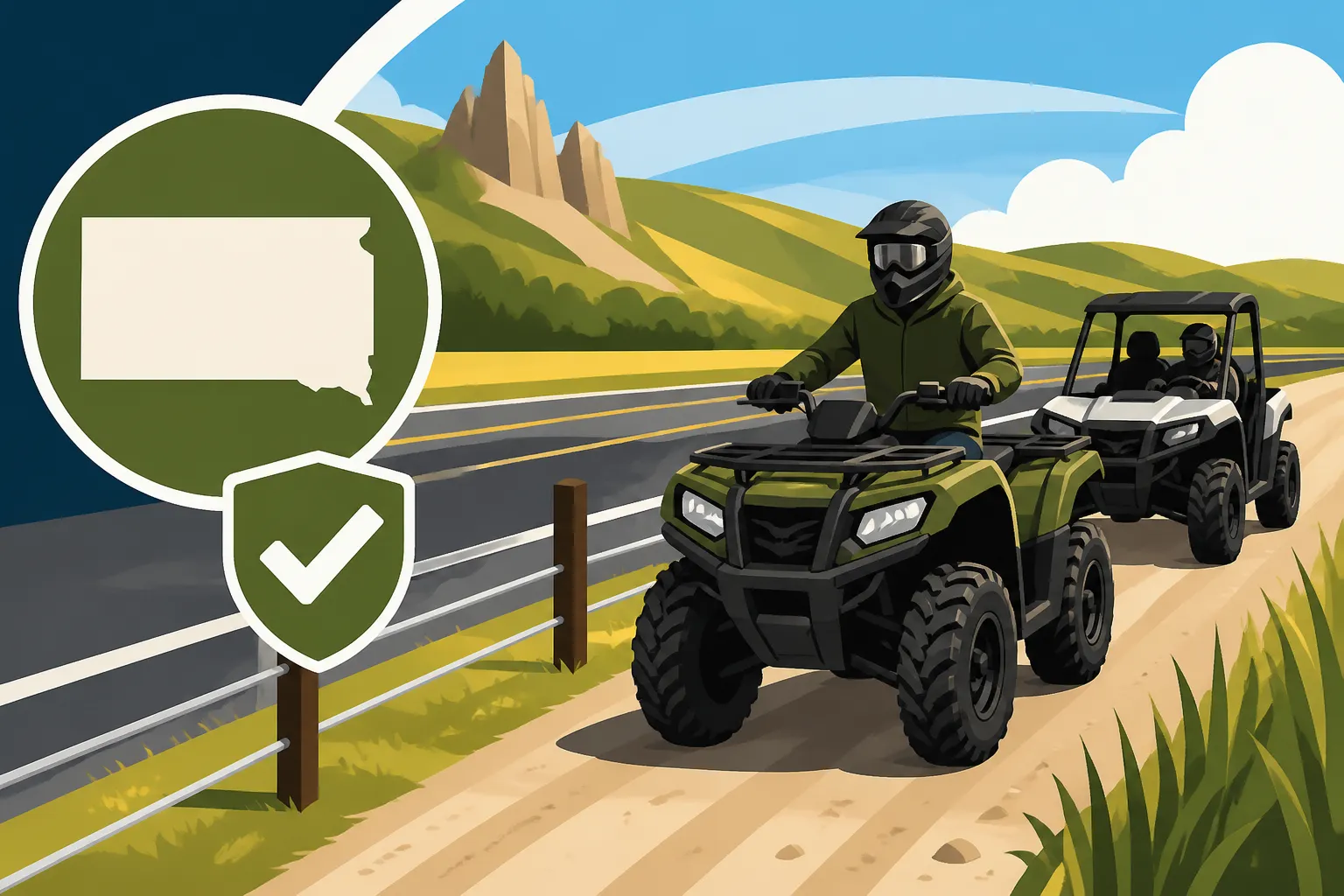
It's a common sight across South Dakota: those quieter, parallel routes that run alongside the main highways, often connecting small towns or providing access to rural properties. These are frontage roads, and if you're an ATV or UTV owner, you've probably wondered if they offer a legal and convenient path for your machine. The rules for off-road vehicles on any public road can feel like a maze, and frontage roads come with their own set of specific considerations. This guide will help you understand South Dakota's regulations for riding your ATV or UTV on a frontage road, ensuring you stay within the bounds of the law while enjoying your ride.
Understanding Frontage Roads in South Dakota's ATV Landscape
Before we dive into the nitty-gritty of regulations, it's crucial to understand what a frontage road actually is and why it's treated differently from a highway or a simple gravel county road. In South Dakota, a frontage road typically runs parallel to a controlled-access highway, like an interstate or a major state route. Their primary purpose is to provide access to properties that abut the highway, or to serve local traffic that doesn't need to get onto the main highway itself. They often have lower speed limits and less traffic than the principal thoroughfare they shadow.
When you're considering taking your ATV or UTV onto a frontage road, it's not simply a matter of "it looks like a road, so it must be okay." These roads, while often less busy, are still part of the public road system and are subject to state laws concerning vehicle registration, licensing, and equipment. The perception that they are "less official" than a state highway can lead riders into trouble if they don't understand the specific legal framework governing their use by off-road machines.
Defining a Frontage Road and Its Purpose
A frontage road, sometimes called a service road or access road, serves as a local street that parallels a major highway. It provides indirect access to adjacent properties that would otherwise be cut off from direct access to the main road due to limited-access highway design. Think of it as a buffer and an access point. For farmers, business owners, or residents living near a highway, these roads are essential for daily life. For ATV and UTV riders, they can seem like an ideal way to connect trails, reach a store, or simply enjoy a ride without the high speeds and heavy traffic of a primary highway.
However, despite their sometimes rural appearance and slower pace, frontage roads are not generally considered "off-road" environments. They are public roadways, and therefore, an ATV or UTV operating on them must typically meet the same requirements as any other vehicle – or, more accurately, the specific requirements South Dakota has laid out for off-road vehicles to operate on any public road. This distinction is vital, as simply assuming "frontage road means less rules" is a recipe for potential citations.
Key Legal Requirements for ATV/UTV Use on South Dakota Frontage Roads
The most important thing to remember when even thinking about riding your ATV or UTV on a frontage road in South Dakota is that it's generally treated like any other public road. This means your machine needs to be street-legal, which involves several key components, from titling and registration to specific equipment requirements. This isn't just about avoiding a ticket; it's about blending safely and legally with other traffic, even if that traffic is sparse.
South Dakota does have specific provisions for certain off-road vehicles to be operated on public roads, but these provisions come with strict conditions. You can't just take your dirt-focused machine from the trail and expect it to be legal on a frontage road without some significant modifications and paperwork. Ignoring these steps is where many riders get into hot water.
Titling and Registering Your Machine
First and foremost, if you plan to operate your ATV or UTV on a frontage road – or any public road in South Dakota – it generally needs to be titled and registered. This isn't optional. While many people think of ATVs as strictly off-road vehicles, once you bring them onto a public right-of-way, they enter a different regulatory category. South Dakota law requires vehicles operated on public roads to be titled and registered, and for ATVs and UTVs that qualify, this means applying for a motorcycle plate. You'll want to review [South Dakota Street Legal ATV Requirements] carefully.
This process typically involves presenting your certificate of origin or previous title, paying applicable fees like the [South Dakota ATV Excise Tax Rate], and ensuring your machine meets the minimum engine displacement requirements. For many ATVs and UTVs, this means having an engine larger than 200cc. Without that proper plate, even if your machine has all the right bells and whistles, it's not legally allowed on the pavement or gravel of a frontage road. The county treasurer's office is where this journey begins, as outlined in [Titling at a South Dakota County Treasurer].
Required Equipment for Road Use
Once your machine is titled and registered, it also needs to be properly equipped to be considered street-legal. This isn't just a suggestion; it's a legal mandate designed for safety. Imagine trying to drive a vehicle on a public road without proper lighting or a way to signal. It would be incredibly dangerous, and the same applies to your ATV or UTV. Aftermarket companies like SuperATV offer a range of products designed to help you meet these requirements, from turn signal kits to rearview mirrors.
Here's a breakdown of the essential equipment:
- Headlights and Taillights: Your machine must have working headlights and taillights for visibility, especially if you plan to operate during dawn, dusk, or nighttime. These need to be properly aimed and visible from appropriate distances.
- Brake Lights: Functioning brake lights are non-negotiable. They alert drivers behind you when you're slowing down or stopping, a critical safety feature on any road.
- Rearview Mirror: At least one rearview mirror is typically required, allowing you to see traffic approaching from behind without turning your head. Many riders opt for a second mirror for enhanced visibility.
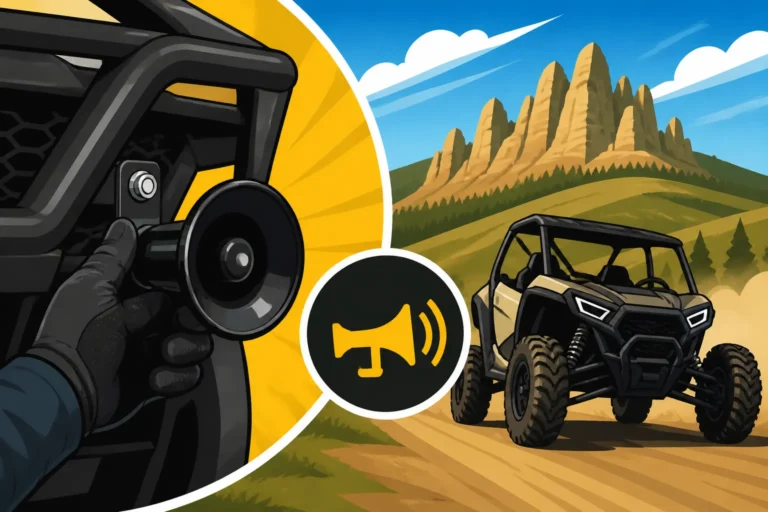
- Horn: A working horn is necessary to alert other drivers or pedestrians to your presence, especially in situations where visual cues might be missed.
- Tires: While not always explicitly listed as "road-legal" specific, your tires must be in good condition and suitable for road surfaces. Knobby off-road tires can be legal, but extremely aggressive patterns might wear quickly or handle poorly on pavement.
- Fenders/Mudflaps: Some jurisdictions may require fenders or mudflaps to prevent debris from being thrown up by your tires, especially on wet roads.
Understanding the full scope of [South Dakota Equipment List for Road Use] is crucial. Every piece of this equipment plays a role in your safety and the safety of others on the road.
Driver's License, Age, and Protective Gear
Beyond the machine itself, the operator also has responsibilities. You can't just hop on your plated ATV and ride a frontage road without meeting personal requirements. South Dakota has rules for who can operate a street-legal ATV or UTV on public roads, and these include driver's license mandates, age restrictions, and sometimes even protective gear requirements.
- Driver's License: Generally, if you're operating a street-legal ATV or UTV on a public road, including a frontage road, you must possess a valid driver's license. This means you need to be legally capable of driving a car or motorcycle. The specific class of license might depend on the vehicle's classification (e.g., motorcycle endorsement if it's plated as a motorcycle). For more on this, check out [South Dakota Driver's License Rules for ATVs].
- Age Requirements: While there are rules for younger riders on private land or in specific off-road areas, operating a plated, street-legal machine on a public road typically requires the operator to be at least 16 years old and hold a valid driver's license.
- Helmets and Eye Protection: South Dakota has specific helmet and eye protection laws. While adults over 18 are generally exempt from helmet laws on motorcycles, specific rules apply to off-road vehicles. It’s always safest to wear a helmet, and eye protection is often required for all riders if the machine does not have a windshield. Ensure you understand [South Dakota Helmet Law for ATV Riders] and [South Dakota Eye Protection Requirement]. Even if not legally mandated for adults, a quality helmet and eye protection from a brand like SuperATV can significantly enhance your safety and comfort, especially against dust and debris kicked up on gravel frontage roads.
Navigating the Finer Points of Frontage Road Riding: What Else to Know
Even with your machine legally equipped and yourself properly licensed, riding a frontage road in South Dakota still has its nuances. It’s not simply "free riding." You need to be aware of how these roads interact with other parts of the road system, potential local ordinances, and common pitfalls that can lead to violations. Many riders assume that because a frontage road is less traveled, the rules might be more relaxed, but this is a dangerous assumption.
The key is to remember that these are still public roads. This means sharing the road responsibly with cars, trucks, and even farm equipment. It also means understanding where frontage roads end, where they might transition into private property, or where specific restrictions could apply.
Frontage Roads vs. Ditch Riding
A common point of confusion is how frontage roads relate to South Dakota's ditch riding rules. South Dakota does allow ditch riding in many areas, but there's a distinct difference. Ditch riding typically refers to operating in the right-of-way ditch alongside a highway, often within a certain distance from the paved surface and under specific conditions. Frontage roads, however, are actual roads with a constructed surface, whether paved or gravel. They are not ditches.
Therefore, the specific rules for [South Dakota Ditch Riding Rules] do not apply to frontage roads themselves. If you are on a designated frontage road, you are on a public roadway and must comply with the street-legal requirements discussed earlier. If you leave the frontage road and enter a ditch adjacent to it or the main highway, then the ditch riding rules would apply, provided that ditch riding is permitted in that specific location and you meet all its conditions. Mixing these two concepts can lead to tickets and misunderstandings with law enforcement.
Local Ordinances and Private Access
While state law sets the baseline, it's always wise to remember that local governments, like counties or municipalities, can sometimes implement their own ordinances that further restrict or regulate ATV/UTV use on roads within their jurisdiction. Even a frontage road running through an unincorporated area might have different rules than one passing near a town. It's rare for local rules to override state street-legal provisions, but they might add limitations, such as restricting hours of operation or banning certain types of vehicles entirely from specific roads.
Furthermore, frontage roads often provide direct access to private property, such as farms, ranches, or businesses. While you may be legally riding on the public frontage road, straying onto private land without explicit permission is trespassing. Always respect property lines, and if you need to access private land, ensure you have the landowner's consent. This is particularly important for things like pulling off to rest or making a repair. [South Dakota Rules for Riding Private Land] states it clearly: no permission, no entry.
Staying Legal and Safe: Practical Tips for South Dakota Frontage Road Riders
Riding a frontage road can be a practical and enjoyable experience, but it requires diligence and awareness. It's not enough to simply have the right plate and equipment; you also need to operate your machine responsibly and be prepared for various scenarios. Thinking ahead and understanding potential hazards can make all the difference between a smooth ride and a problematic one.
Even on a quiet frontage road, you're sharing space with other vehicles, potentially pedestrians, and certainly wildlife. Being a considerate and safe rider is paramount, not just for your own well-being but for the reputation of all ATV and UTV enthusiasts.
Checking Local Regulations and Road Conditions
Before you embark on a ride that includes frontage roads, always perform a quick check of local conditions and any specific rules that might apply to your route. While this might seem tedious, it can save you a lot of trouble. You can often find information on county websites or by calling the local sheriff's department or county commissioner's office.
Additionally, pay attention to road conditions. Frontage roads can vary widely in surface quality. Some are paved and well-maintained, while others might be gravel, dirt, or chip-sealed, potentially rougher with potholes, washboards, or loose aggregate. Wet conditions can make gravel roads especially slick and dusty conditions can severely reduce visibility. Equip your machine with quality tires, perhaps from SuperATV, that can handle varied surfaces. Always adjust your speed and riding style to match the prevailing conditions. [South Dakota Rules for Riding a Gravel Road] can offer further insights.
What a Trooper Checks Roadside
If you're stopped by law enforcement while riding your ATV or UTV on a frontage road, it's usually because something appears out of order. A South Dakota Trooper will likely be checking for a few key things:
- Proper Registration and Plate: Is your machine correctly titled and displaying a valid South Dakota motorcycle license plate? If you're from out of state, is your home state registration honored in South Dakota for road use? [Does South Dakota Honor Out-of-State Registration?]
- Operator's License: Do you possess a valid driver's license?
- Required Equipment: Does your ATV/UTV have all the necessary street-legal equipment, such as a rearview mirror, horn, and working lights?
- Safety Gear: Are you wearing required eye protection? If underage, are you wearing a helmet?
- Impairment: Is the operator impaired by alcohol or drugs? [South Dakota DUI Rules for ATV Riders] apply just as they would to any other vehicle.
Being prepared with all your documentation and ensuring your machine is fully compliant can make a roadside stop quick and uneventful. Being uncompliant can lead to significant [South Dakota Fines for Illegal ATV Road Use].
Safety Best Practices on Frontage Roads
Even on a quiet frontage road, safety should be your top priority. Here are some best practices:
- Ride Predictably: Maintain a consistent speed, use turn signals if equipped, and avoid sudden maneuvers. Other drivers might not expect an ATV or UTV on the road, so make your intentions clear.
- Stay Right: Keep to the far right side of the road, giving other vehicles ample space to pass. Remember, you're sharing the road.
- Increase Visibility: Wear bright clothing, especially if riding at dusk or dawn. Consider adding extra reflective decals to your machine.
- Maintain Distance: Keep a safe following distance from other vehicles, especially on gravel roads where dust can impair visibility and loose aggregate can lead to flying debris.
- Watch for Crossings: Frontage roads often have intersections or driveways. Be vigilant for vehicles entering or exiting, and always be prepared to stop. For general highway crossings, [South Dakota Rules for Crossing a Highway] offers guidance.
- Know Your Limits: Understand your machine's capabilities and your own riding skill. Don't take unnecessary risks, especially on unfamiliar terrain or in adverse weather.
- Tell Someone Your Plan: Even on a "simple" frontage road ride, let someone know your route and estimated return time, especially if you're riding alone. Cell service can be spotty in rural areas.
By adhering to these guidelines and thoroughly understanding South Dakota's regulations, you can safely and legally enjoy riding your ATV or UTV on frontage roads, making them a practical part of your larger riding adventures. Whether you're connecting to trails, heading to a fishing spot, or just enjoying the scenery, preparation is key to a positive experience.
| Aspect | Requirement for Frontage Road Use (South Dakota) | Notes |
|---|---|---|
| Title & Registration | Yes, state-issued motorcycle plate required (200cc+ for ATVs) | Machine must be legally classified for road use. |
| Engine Size | Generally 200cc minimum for 4-wheel ATVs to be plated | This is for obtaining a street-legal plate. |
| Driver's License | Valid driver's license required | Operators must be licensed to drive on public roads. |
| Age Requirement | Generally 16+ with valid license | Younger riders have very limited public road access. |
| Headlights & Taillights | Yes, working and visible | Essential for visibility, especially in low light. |
| Brake Lights | Yes, working and visible | Crucial for signaling stops to other traffic. |
| Rearview Mirror | Yes, at least one required | Allows operator to monitor traffic behind. |
| Horn | Yes, working | For alerting others to your presence. |
| Eye Protection | Yes, required unless vehicle has a windshield | Shields eyes from debris and wind. |
| Helmet | Required for riders under 18 | Strongly recommended for all riders regardless of age. |
| Insurance | Typically required for street-legal vehicles | Always a good idea, check specific vehicle insurance laws. |
| Ditch Riding Rules Apply? | No, frontage roads are distinct public roads | Frontage roads are roads, not ditches; different rules apply. |
| Local Ordinances | Potentially, always check locally | Local rules may add restrictions beyond state law. |
Disclaimer
This article is for general informational purposes only and does not constitute professional advice. Laws, prices and regulations vary by location and change over time. Consult a qualified professional for guidance on your specific situation.