South Dakota Landowner Permission Rules
The lure of South Dakota's wide-open spaces, sprawling prairies, and rugged Black Hills is undeniable for any ATV or UTV enthusiast. We all dream of finding that perfect stretch of land where we can kick up some dust, navigate challenging terrain, and truly experience the freedom our machines offer. But here’s the cold, hard truth that often dampens those dreams: most of that inviting land is privately owned. Navigating these waters—understanding who owns what, how to ask for access, and what rules apply—can be incredibly frustrating and confusing. This guide is here to cut through that confusion, giving you the real-world advice you need to responsibly and legally enjoy riding on private property across South Dakota.
Understanding South Dakota's Private Land Riding Laws
When you're out exploring South Dakota on your ATV or UTV, it's easy to look at a vast, unfenced pasture or a wooded area and think, "Surely no one would mind if I just took a quick spin here." But that mindset is a fast track to trouble. In South Dakota, as in most places, every square foot of land belongs to someone. Whether it's a rancher's grazing lease, a farmer's fallow field, or a private woodlot, someone holds the deed or the lease. The legal framework around private property is clear, and as riders, it's our responsibility to understand and respect it fully.
The Fundamental Requirement: Expressed Permission
Let's be absolutely clear: the golden rule for riding on private land in South Dakota is that you must have expressed permission from the landowner or the legal leaseholder. "Expressed" is the key word here. This isn't about vague assumptions or hoping for the best; it means they have directly and explicitly given you the green light. A landowner doesn't need to post "No Trespassing" signs for their property to be private. In fact, the absence of such signs does not imply permission to ride. Those signs merely serve as a clear reinforcement of an existing legal right, often to deter casual trespassers or to aid in prosecution.
Think about it from their perspective. A rancher might rely on that field for hay production or cattle grazing. A family might value the quiet solitude of their private timberland. An unexpected ATV tearing through their property isn't just a nuisance; it can be a threat to their livelihood, their peace, or even their personal safety. Always remember that any land that isn't publicly designated for ATV/UTV use requires a direct invitation. This could be anything from a casual "Sure, go ahead and ride the back forty" from a friend, to a formal, written agreement with a large acreage owner. The more specific and direct the permission, the better off both parties will be.
What Constitutes Trespassing in South Dakota
South Dakota takes trespassing seriously, and ignorance of who owns what or what the rules are is absolutely no defense. If you operate an ATV or UTV on private land without the express permission of the owner or leaseholder, you are trespassing. It's as simple as that. This isn't just a minor infraction; it can carry real legal consequences. Depending on the specifics of the situation, trespassing can lead to fines, and in some cases, your machine could even be impounded. Landowners also have the right to seek civil damages if your riding causes any damage to their property, crops, fences, or disturbs their livestock.
Imagine riding through a field that looks abandoned, only to find yourself confronted by a very angry landowner who has been battling erosion or dealing with previous trespassers. That initial feeling of freedom will quickly turn into a headache. [South Dakota Trespass Rules for Riders] are designed to protect private property rights, and law enforcement officers in rural areas are typically very familiar with these regulations and quick to respond to landowner complaints. It's not just about avoiding a ticket; it's about respecting the property and livelihood of others. A responsible rider always confirms permission before turning a wheel onto unfamiliar private ground.
| Type of Permission | Pros for Rider | Cons for Rider | Pros for Landowner | Cons for Landowner |
|---|---|---|---|---|
| Verbal | Easy, quick to obtain, flexible | Hard to prove, open to misinterpretation | Simple, builds trust, maintains flexibility | Hard to prove, potential for misunderstanding, liability risks |
| Written | Clear terms, legal protection, peace of mind | More effort, less flexible once defined | Clear boundaries, reduced liability, stronger enforceability | Requires documentation, less adaptable to spontaneous changes |
The Art of Asking: Securing Permission from Landowners
Getting permission to ride on private land isn't always easy, but it’s a crucial step that demonstrates respect and responsibility. Many landowners are wary of granting access due to past negative experiences, liability concerns, or simply a desire for privacy. However, a polite, well-prepared, and trustworthy approach can often open doors that seem closed. It's about more than just asking; it's about building a relationship and instilling confidence.
Initial Contact and Building Trust
The first impression is everything. When approaching a landowner, especially someone you don't know, always do it face-to-face if possible. A knock on the door, a brief introduction, and a direct, honest request can go a long way. Avoid just pulling into their driveway on your ATV – that's already starting on the wrong foot. Dress neatly, speak clearly, and maintain eye contact. Start by introducing yourself, perhaps mentioning if you're local or why you're in the area. Then, clearly state your purpose: that you're an ATV/UTV rider looking for private land to enjoy your machine responsibly.
Be ready to explain how you ride. Emphasize that you're a responsible individual, that you understand the importance of respecting property, fences, and livestock. Mention that you're a member of local riding groups or that you've completed [South Dakota ATV Safety Course Requirements], if applicable, to show your commitment to safe and ethical riding. Building trust is paramount. Many landowners have heard every excuse in the book and may be hesitant. Your calm, respectful demeanor and willingness to listen to their concerns will set you apart. Remember, you're not just asking for a place to ride; you're asking for their trust.
Essential Discussion Points for Your Agreement
Once you've made a positive initial connection, it's time to have a thorough discussion about the specifics of your request. This is where you lay out the groundwork for a successful, long-term arrangement. Don't be vague. Be prepared to clearly define:
- Riding Areas: Exactly which fields, trails, or sections of their property you'd like to ride. Offer to stay on existing trails or roads.
- Dates and Times: Specify when you plan to ride. Are you looking for a one-time visit, occasional weekend rides, or more regular access? Discuss seasonal restrictions, like during planting or harvest season, or when livestock are present.
- Vehicle Types and Number of Riders: Will it just be you, or will you have friends or family joining? If so, what kind of machines will they be on?
- Potential Impacts: Acknowledge and discuss concerns like noise, dust, erosion, and potential interference with their farming or ranching operations. Offer solutions, like riding away from residences or during specific hours.
- Liability: This is a big one for landowners. Reassure them you carry your own liability insurance. Sometimes, offering to sign a waiver can help ease their mind, though South Dakota law does offer some protections to landowners who permit recreational use. [South Dakota Landowner Permission Requirements] often revolve around these key points.
Being proactive in discussing these points shows that you've thought about their perspective and are committed to being a respectful guest. It’s also an opportunity to ask about their specific rules, such as gate protocols, speed limits, or areas that are strictly off-limits, like hunting preserves or environmentally sensitive zones.
The Undeniable Power of Written Permission
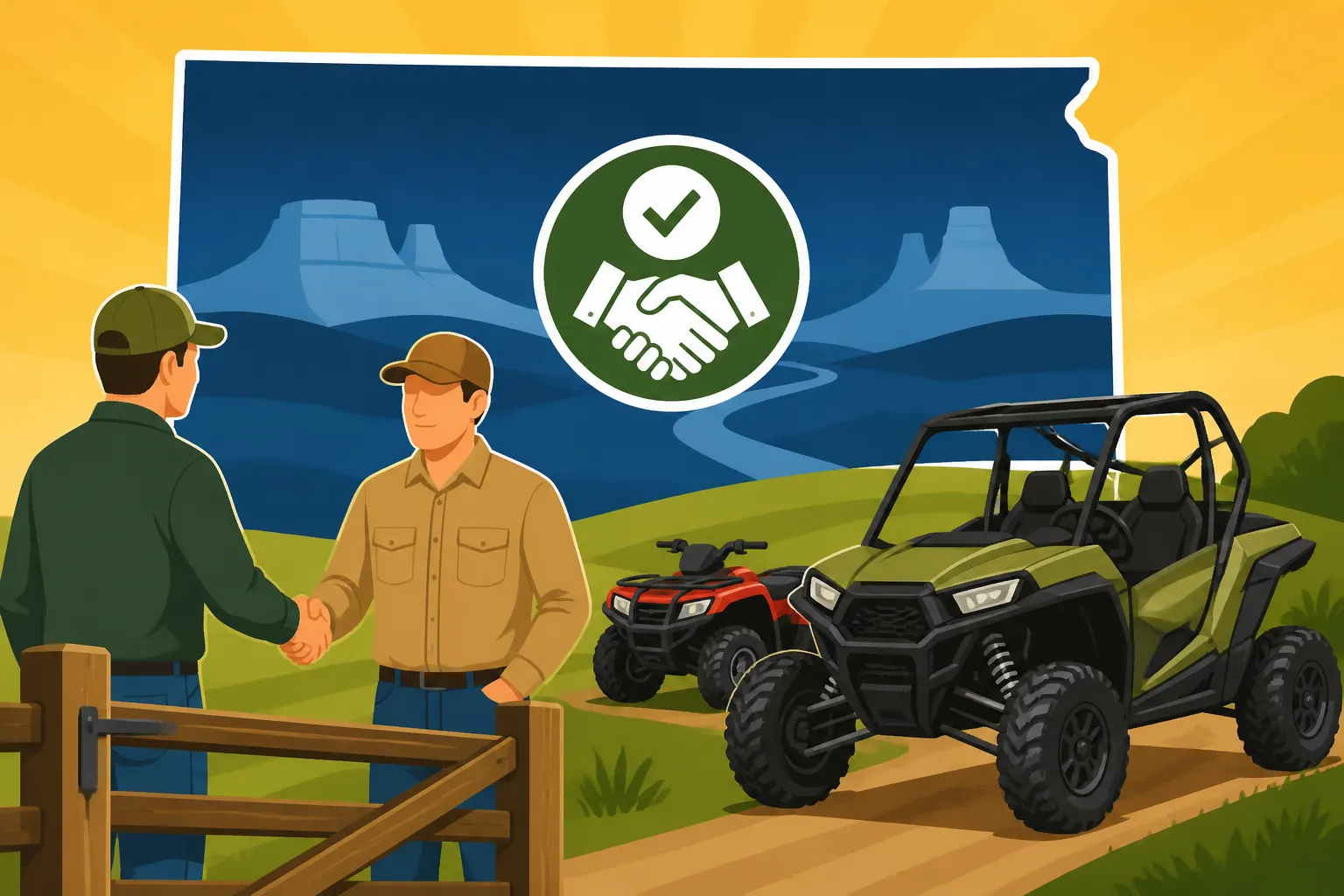
While a friendly handshake and a verbal "go-ahead" can sometimes work, especially with neighbors or close acquaintances, there's nothing quite like written permission for clarity and peace of mind. A simple, well-drafted document protects both you and the landowner by leaving no room for misunderstanding. It provides a tangible record of what was agreed upon, which can be invaluable if questions arise later or if property ownership changes hands.
A good written agreement doesn't need to be a legal novel. It should, at a minimum, include:
- Names of all parties: You and the landowner(s).
- Date: When the agreement was made.
- Property description: Clear identification of the land (e.g., specific parcel number, address, or a descriptive map).
- Specific terms of access: All the points you discussed above—areas, times, vehicle types, number of riders, any specific restrictions or expectations.
- Duration of permission: Is it for a day, a season, or ongoing until revoked?
- Signatures: Both parties should sign and date the document.
Having a [Written Permission From a South Dakota Ranch Owner] document in your possession can prevent awkward confrontations and legal disputes. It demonstrates your serious commitment to responsible riding and shows that you respect their property enough to formalize the agreement. It also gives you a clear point of reference if you ever need to remind someone (or be reminded yourself) about the agreed-upon terms.
Navigating Different Private Property Scenarios
Not all private land is the same, and understanding the nuances of different property types can significantly impact how you seek and maintain permission. A small woodlot owner might have different concerns than a massive ranch operation, and approaching them with a tailored understanding will increase your chances of success.
Riding on Farms, Ranches, and Leased Land
Farms and ranches represent a significant portion of South Dakota's private land, and they offer some of the most enticing riding opportunities. However, these properties come with unique challenges and considerations. Livestock, crops, irrigation systems, and active farm machinery are all part of the daily operation, and your riding must never interfere with these activities. Always ask about the presence of cattle, sheep, or horses, and be prepared to yield, slow down, or even stop to avoid disturbing them. Leaving a gate open, even for a moment, could result in a lost herd and significant headaches for the rancher. [South Dakota Rules for Riding a Ranch Road] specifically highlight the need for respectful passage.
Another layer of complexity often found in these settings is leased land. Many farmers and ranchers lease ground for grazing, hay production, or hunting. In such cases, the person you think is the landowner might actually be a leaseholder, and you'll need permission from the actual owner and potentially the leaseholder, especially if your activities could impact their lease terms. Asking "Are you the owner, or do you lease this ground?" is a critical question. Understanding [South Dakota Rules for Riding a Grazing Lease] is essential, as grazing leases, in particular, often have very strict rules about access and disturbance to ensure the health and safety of the animals. Always confirm who holds the ultimate authority to grant permission.
Utilizing Established Private Riding Parks
While much of our discussion focuses on individual landowners, South Dakota also has a few established private riding parks or areas that are specifically designed for off-road recreation. These places operate differently. Instead of seeking individual permission, you're typically paying an entry fee or purchasing a membership. These parks usually have their own set of rules, often requiring waivers to be signed, and may include specific hours of operation, designated trails, and safety regulations.
The benefit of these areas is that permission is implicitly granted upon payment and agreement to their terms. You don't have to navigate individual landowner concerns about liability or property damage in the same way. These parks often provide a controlled environment with marked trails, sometimes even amenities like staging areas, restrooms, or repair shops. For riders who prefer a structured environment or who struggle to find private landowner permission, these commercial operations can be an excellent option for safe and legal riding. They take on the responsibility of managing the land for recreational use, making it simpler for riders to just show up and enjoy.
Residential and Other Private Holdings
Beyond farms and ranches, there are countless smaller private holdings, from rural residences with a few acres to private timberland or recreational properties. While the scale is different, the core principle of expressed permission remains the same. Riding on a neighbor's side yard, even if it looks like a fun little track, requires their explicit consent. The impact of noise, dust, and potential property damage can be even more sensitive in residential areas, where close proximity to homes amplifies any disturbance.
For larger, unmanaged private holdings, such as tracts of timber or undeveloped land, it's still someone's property. The owner might not live on site, or they might visit only occasionally. This doesn't make the land "public." If you're unsure who owns a parcel of land, resources like county plat maps or online GIS systems can often help identify the owner, allowing you to make a direct and proper request. Assuming that a property is abandoned or "fair game" because it appears unkempt is a risky assumption and can lead directly to trespassing charges. Always err on the side of caution and seek out the owner, no matter how remote or unmanaged the land appears.
Being a Model Steward of Private Land
Once you've secured permission to ride on private land, your job isn't over. In fact, it's just beginning. The way you conduct yourself as a rider will determine whether that permission is a one-time privilege or a lasting opportunity. Being a model steward of private land isn't just about avoiding trouble; it's about building and maintaining trust, which benefits the entire riding community.
Upholding Responsible Riding Etiquette
Responsible riding etiquette is fundamental to preserving your access to private land. The "Leave No Trace" principles are your guiding star: pack out everything you pack in, and ideally, pick up any litter you find. Stay on designated paths, tracks, or roads that the landowner has approved. Cutting new trails or going off-route can damage vegetation, cause erosion, and disturb wildlife—all things that will quickly revoke your welcome. When you encounter gates, always leave them exactly as you found them. If it was closed, close it behind you. If it was open, leave it open. This is crucial for controlling livestock and maintaining property security.
Noise is another significant factor, especially near homes or livestock. Be mindful of your engine's sound. While your machine might be legally compliant, excessive revving or loud aftermarket exhausts can be disruptive. Consider quieter options if noise is a concern for the landowner or neighbors. Companies like SuperATV offer a range of aftermarket parts, including exhaust systems, that might help manage sound while still delivering performance, but always ensure they comply with local regulations and the landowner's wishes. Yielding to farm equipment, other vehicles, and especially livestock is non-negotiable. Your presence on their land is a privilege, and their operations always take precedence.
Safety and Vehicle Preparation
A responsible rider also ensures their machine is well-maintained and prepared for the terrain, and that they are ready for any situation. Before you even pull onto private land, make sure your ATV or UTV is in good working order. This includes checking tires, brakes, and fluid levels to prevent breakdowns that could leave your machine stranded or cause damage to the property. Critically, ensure your machine is equipped with a properly functioning spark arrester. [South Dakota Spark Arrester Rules] are in place for a reason: to prevent wildfires, which are a major concern for landowners, especially during dry seasons. A single spark from an unarrested exhaust can devastate a field or forest.
Beyond your machine, be prepared personally. Carry a basic first-aid kit, water, snacks, and a way to communicate, even if cell service is spotty. A small toolkit can help with minor repairs. Let someone know your route and estimated return time. If you’re riding in an unfamiliar area, carry a map. Being self-sufficient and prepared demonstrates to the landowner that you're a responsible individual who isn't likely to become a burden or a risk.
Long-Term Relationship Building
The true mark of a model steward is the ability to build and maintain a positive, long-term relationship with the landowner. This goes beyond simply following the rules. It means showing genuine appreciation for the privilege of riding on their land. A simple thank you after each ride, or a small gesture of gratitude—like offering to help with a fence repair, bringing a pie, or just checking in occasionally—can make a huge difference.
Communication is key. If you notice something amiss on their property—a downed fence, unusual tracks, or a problem with livestock—let them know. This demonstrates that you're not just there to ride but that you care about their property. Being a trusted set of eyes and ears can be invaluable to a landowner, turning you from a mere rider into a valued community member. By consistently acting responsibly and showing respect, you not only ensure your own continued access but also help foster a positive image of ATV and UTV riders in the community, potentially opening doors for others down the line.
Addressing Common Misconceptions and Legal Risks
Despite the clear laws and common sense, misconceptions about private land access persist, often leading riders into unintentional trouble. Understanding these myths and the potential legal consequences is crucial for any responsible ATV or UTV owner in South Dakota.
The Myth of "It's Just Open Land"
One of the most dangerous misconceptions is the idea that if land appears unfenced, unmanaged, or simply vast and open, it must be "public" or "nobody's." This simply isn't true in South Dakota, or anywhere else for that matter. Every parcel of land has an owner, even if that owner is absentee, or the land is leased out for specific purposes. Just because you don't see "No Trespassing" signs doesn't mean you have implied permission to ride. As we discussed earlier, those signs are a reinforcement, not a prerequisite for private property rights.
The consequences of operating under this myth can be severe. Landowners have every right to protect their property, and if you're found riding on their land without permission, you could face criminal trespassing charges. This isn't just about a potential fine; a criminal record can have long-lasting effects. Always assume land is private unless it is explicitly marked and designated as public ATV/UTV trail or riding area. When in doubt, it is always best to find out who owns the property and ask for explicit permission. You might be surprised at how often a polite request can lead to an opportunity.
Dealing with Unauthorized Riding and Consequences
If you find yourself on private land without permission, intentionally or unintentionally, the situation needs to be handled carefully. If confronted by a landowner or law enforcement, be respectful, apologize sincerely, and immediately comply with any requests to leave the property. Arguing or being confrontational will only escalate the situation and can lead to more severe penalties. The range of penalties for unauthorized riding can vary depending on the specific circumstances and the discretion of law enforcement.
Beyond immediate legal ramifications, unauthorized riding has a ripple effect. It damages the reputation of the entire ATV and UTV riding community. When landowners have negative experiences with trespassers, they become less likely to grant permission to anyone, even responsible riders. This closes off opportunities for everyone, making it harder to find places to ride legally. [South Dakota Fines for Illegal ATV Road Use] give a sense of how serious the state views unauthorized operation of these vehicles, and while that specifically targets road use, the underlying principle of respecting property and legal boundaries applies universally.
Liability Concerns for Landowners and Riders
Liability is a major concern for both landowners and riders when it comes to private property access. Landowners worry about being held responsible if a rider gets injured on their property, even if they've granted permission. This concern is often a primary reason why landowners are hesitant to allow access. While South Dakota does have statutes (like the Recreational Use Statute) that offer some protection to landowners who open their property for recreational use without charge, these laws don't always provide absolute immunity. It's a complex area, and many landowners would rather avoid the potential legal headaches entirely.
As a rider, you also carry significant liability. If you cause property damage, injure livestock, or get into an accident on private land, you could be held responsible for all costs. This is why it's incredibly important to carry your own personal liability insurance for your ATV or UTV. Having a clear, written agreement with the landowner that explicitly states who is responsible for what, and that you assume the risks of riding, can help mitigate these concerns for both parties. Understanding and addressing these liability issues head-on demonstrates responsibility and can make a landowner more comfortable granting permission.
Disclaimer
This article is for general informational purposes only and does not constitute professional advice. Laws, prices and regulations vary by location and change over time. Consult a qualified professional for guidance on your specific situation.