How Farm Vehicles Are Exempt From Ditch Rules
It can be incredibly frustrating to try and understand the nuances of off-road vehicle laws, especially when you're just trying to get work done on your farm or ranch. Many South Dakota riders struggle to differentiate between recreational use and legitimate agricultural operations when it comes to ditch riding rules. This guide will walk you through the specific exemptions for farm vehicles, helping you navigate the roads and rights-of-way without unnecessary worry, so you can focus on your livelihood.
Understanding South Dakota's Ditch Riding Laws for Everyone Else
Before we dive into the special considerations for farm vehicles, it's really important to grasp the general rules that apply to most off-road vehicle (ORV) riders in South Dakota. Picture this: you're out enjoying a scenic ride on your ATV, cruising along a gravel section line, and you spot a nice, clear ditch. It might seem like a natural place to ride, away from main road traffic, but the law has some very specific boundaries.
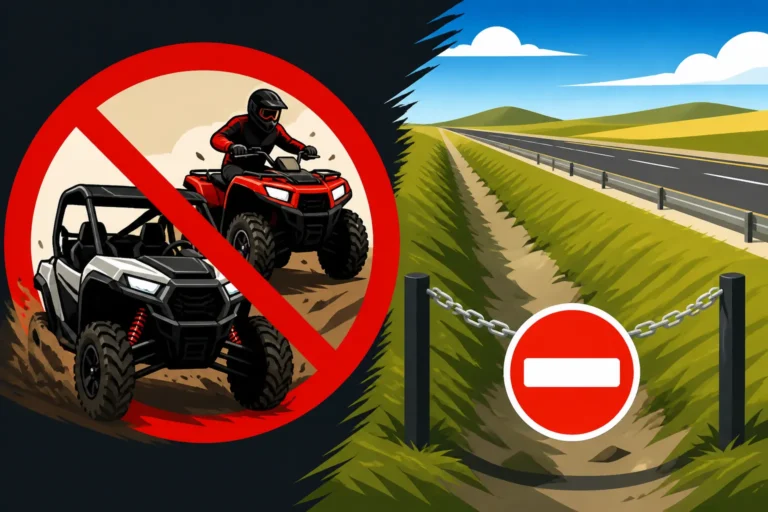
South Dakota generally allows ORV riders to operate in the bottom of a highway ditch. This isn't a free-for-all, though. The rule dictates that you must stay as close to the outer edge of the ditch as possible, away from the actual roadway. It's designed to keep riders visible but separate from vehicle traffic. The intent is to provide a reasonable place for ORVs to travel without disrupting cars and trucks. However, this permission isn't universal, and there are many caveats that can trip up even experienced riders. For example, if the ditch has an obstruction or is impassable, you might be allowed to deviate, but that's a temporary allowance, not an open invitation to ride wherever you please. This is a common point of confusion for many.
The "Outer Edge" Rule Explained
Let's break down what "outer edge" truly means. Imagine a highway ditch. On one side, you have the shoulder of the road, and on the other, you have the fence line or the start of private property. The outer edge refers to that side furthest from the roadway. The idea is to keep you as far removed from the flow of traffic as possible. This isn't about hugging the road; it's about being on the perimeter of the public right-of-way. This rule aims to reduce the risk of collisions and improve safety for all road users. For more detailed information on this, you can check out [South Dakota's Outer Edge Rule].
The tricky part comes when you encounter obstacles. What if there's a deep culvert, a massive snowdrift, or some unexpected mud? The law typically allows you to leave the ditch bottom only to navigate such an obstruction, and you must return to the ditch bottom as soon as it's safe and practical to do so. This isn't an excuse to ride up onto the road or into someone's field; it's a very limited exception. Understanding these nuances is crucial because a simple misstep can lead to a roadside chat with a trooper, or worse.
Why Counties Can Opt Out
Here’s another layer of complexity: while the state sets the general framework, individual South Dakota counties have the power to opt out of ditch riding entirely. Yes, you read that right. A county can decide that no ORVs, with some specific exceptions, are allowed to operate in their highway ditches. This means that what's perfectly legal in Meade County might be strictly prohibited just across the line in another county. It creates a patchwork of rules that can be incredibly confusing for anyone trying to plan a ride or even just travel from one town to another.
When a county opts out, they are required to post regulatory signs clearly indicating the prohibition. These signs should be at every major entrance point to the county's road system, informing riders that ditch riding is no longer permitted. If you don't see a sign, it's generally considered fair game, but always check with local authorities if you're unsure. The consequences of not knowing can range from a warning to a substantial fine. It’s a classic case of local control, but it certainly keeps riders on their toes. For a broader look, refer to [South Dakota Counties That Ban Ditch Riding].
What South Dakota Considers a "Farm Vehicle" for Exemptions
Now, let's get to the heart of the matter for our agricultural friends. South Dakota's laws recognize that not all off-road vehicle use is recreational. For those working the land, an ATV or UTV is often an essential tool, a workhorse that helps manage livestock, maintain fences, or haul feed. The state makes a clear distinction for these vehicles, understanding their vital role in the agricultural economy.
A "farm vehicle" in the context of these exemptions isn't just any ATV or UTV owned by a farmer. It specifically refers to an ORV that is being used for agricultural purposes. This distinction is paramount. You can own an ATV and live on a farm, but if you're riding it purely for recreation on a public right-of-way, it falls under the general ORV rules, not the farm exemption. The key is the purpose of the operation. This definition helps avoid situations where someone claims their recreational machine is a "farm vehicle" just to skirt the rules. The intent behind your ride makes all the difference here.
What Qualifies as Agricultural Use
So, what exactly counts as "agricultural use"? Think about the daily tasks on a farm or ranch. This includes things like tending to livestock, whether that's checking on cattle in a pasture, hauling feed out to them, or moving fences. It also covers tasks related to crop production, such as inspecting fields, accessing remote equipment, or transporting small tools and supplies. Even simple maintenance, like checking water lines or driving to an outbuilding on the property, can fall under this umbrella, especially if part of the journey involves a public right-of-way that borders the farm.
The defining characteristic is that the ORV is being used as part of the agricultural operation. This means the activity is directly related to farming, ranching, or other bona fide agricultural pursuits. It's not about going for a joyride; it's about performing necessary work. For those looking to equip their machines for such heavy use, companies like SuperATV offer robust accessories like heavy-duty winches, cargo beds, and utility racks that are perfectly suited for the demands of farm work, turning a recreational vehicle into a true utility asset.
Distinguishing from Recreational Use
This is where many people get confused. Let's say you finished your chores, and now you want to take your kids for a quick spin around the section line on the same ATV you just used to haul hay. In that moment, the purpose has shifted from agricultural work to recreational activity. Even though it's the same machine and you're on your farm, the exemption likely no longer applies because the intent is no longer agricultural. This is a critical point that can lead to fines if misunderstood.
The law isn't designed to penalize farmers, but rather to ensure that the exemption is used for its intended purpose: facilitating agricultural work. If you're using your machine to scout for deer during hunting season, even if you hunt on your own land, that's not agricultural use. If you're just riding for fun, you must adhere to the general ditch riding rules that apply to all other recreational ORV users. It really boils down to asking yourself: "Am I doing something directly related to my farm or ranch operation right now?"
How Farm Vehicles Get a Pass on Ditch Riding Rules
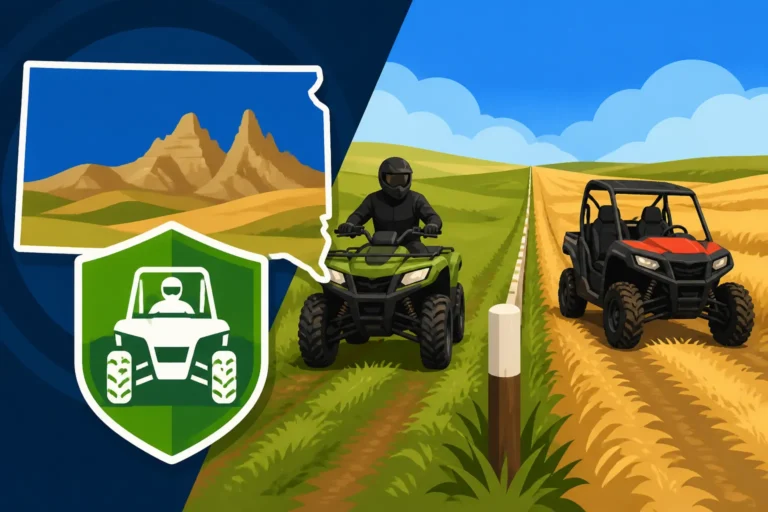
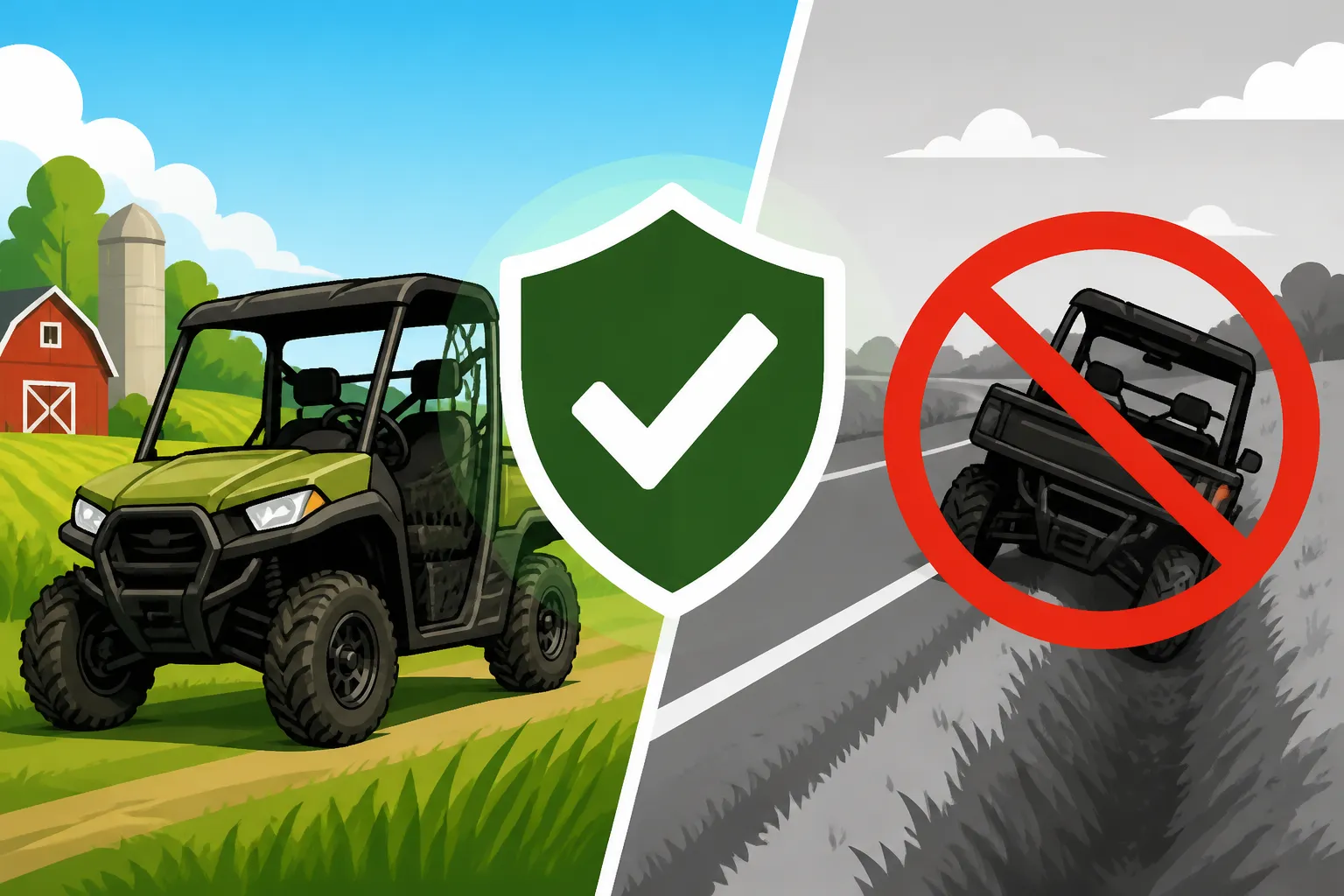
This is the good news for farmers and ranchers. South Dakota law specifically exempts agricultural and utility vehicles from many of the standard ORV ditch riding restrictions. This is a common-sense provision that acknowledges the unique needs of those who rely on these machines for their livelihood. It would be highly impractical, and in some cases impossible, for farmers to adhere to the same stringent recreational rules when they're trying to move equipment, check crops, or manage livestock across property lines that often involve crossing or traveling alongside public roads. This exemption is all about facilitating essential work.
So, if you're operating an ATV or UTV for a legitimate agricultural purpose, you don't necessarily have to worry about whether a specific county has "opted out" of ditch riding, or if you're precisely hugging the outer edge in every instance. The primary goal is safe and efficient agricultural operation, not recreational compliance. This doesn't mean you can drive recklessly or disregard all traffic laws, but it provides a much-needed level of flexibility for daily tasks. This exemption is explicitly mentioned in the statutes to ensure agricultural efficiency. You can find more details in [Agricultural and Utility Vehicles Exempted].
How Farm Machines Bypass Ditch Restrictions
The core of the exemption means that a farm vehicle, when used for agricultural purposes, can traverse ditches and even portions of the highway right-of-way in ways that a recreational ORV cannot. For instance, if you need to move from one field to another across a public road, and the most practical path involves a brief stretch in the ditch, or even crossing the road, the agricultural exemption provides that flexibility. This is especially vital in rural areas where farm operations might span land on both sides of a county road.
This exemption is not a blanket license to treat public roads like private property, but it allows for necessary deviations from the strict rules that apply to recreational riders. You still need to operate safely and yield to other traffic. The key difference is that your purpose provides a legal basis for actions that would otherwise be violations for a recreational rider. This practical consideration is crucial for farm operations that are often spread out and require frequent crossings or short trips along public rights-of-way.
Practical Scenarios on the Farm
Let's imagine some real-world situations. Picture a rancher in western South Dakota needing to check on a herd in a pasture across a low-traffic county road. Instead of trailering the ATV, the rancher can simply drive the machine across the road, or perhaps briefly along a short stretch of ditch, to access the pasture. This is a direct agricultural purpose. Or consider a farmer inspecting a pivot irrigation system that runs parallel to a highway. Driving an ORV in the ditch to monitor the system is a legitimate farm activity.
Another scenario might involve hauling tools or fencing supplies from one part of the farm to another, where a section of the journey requires navigating a ditch or crossing a road. For these tasks, the ORV is functioning as a utility vehicle for agricultural work. Products from companies like SuperATV, such as their specialized tires for varied terrain or their robust storage solutions, can make these daily farm tasks even more efficient and safe, helping you navigate rough terrain and carry heavy loads effectively. When you're engaged in these types of activities, the law understands that your vehicle is a tool, not a toy. For specific advice on traversing ranch lands, refer to [South Dakota Rules for Riding a Ranch Road].
Here’s a quick comparison of ditch riding rules:
| Feature | Recreational ORV Use | Farm Vehicle (Agricultural Use) |
|---|---|---|
| Ditch Travel | Generally allowed in ditch bottom, outer edge rule applies | More flexible for direct agricultural tasks |
| County Opt-Out | Prohibited if county opts out (regulatory signs) | Generally exempt from county-level ditch prohibitions |
| Road Crossing | Restricted, often requires specific conditions | Permitted for necessary agricultural access |
| Purpose | Leisure, sport, recreation | Directly related to farming, ranching, agricultural tasks |
| Required Equipment | Specific equipment may be required for road crossings | Focus on operational safety and utility, less on specific road equipment for short ditch/road use |
Navigating the Roads: Key Considerations for Farm Vehicle Operators
While the farm vehicle exemption provides significant flexibility, it's not an invitation to disregard all rules of the road. Safety remains paramount, and operators of farm vehicles still have responsibilities when using public rights-of-way. The exemption is about facilitating agricultural work, not about granting absolute immunity from safe operating practices or general traffic laws. It's about being practical while still being respectful of other road users.
Always remember that other drivers on the road might not be aware of your specific exemption. They'll expect ORVs to adhere to general road rules. Therefore, exercising caution, making your intentions clear, and being visible are always good practices, regardless of legal exemptions. Common sense and courtesy go a long way in ensuring safety for everyone, whether you're moving cattle or just driving across the section line.
Road Crossing vs. Ditch Travel
There's a subtle but important distinction between simply traveling in a ditch and making a full road crossing. While the farm exemption allows for more flexibility in ditch travel, road crossings still demand extra vigilance. When you're crossing a paved or gravel road, you should still do so safely, yielding to oncoming traffic, and making your movements predictable. Think of it like crossing a road in any other vehicle – look both ways, signal if possible, and cross directly.
The exemption is designed to allow you to access your land, which often requires crossing a road. It's not an excuse to ride on the road for extended periods or in a dangerous manner. If your agricultural task requires traveling a significant distance on a public roadway, even if it's just a gravel section line, you should still consider if your machine needs to be plated or if there are other rules that might come into play. While [Why No South Dakota County May Bar a Crossing] assures you of your ability to cross, it doesn't mean you can do so recklessly.
Equipment and Safety for Farm Use
Even with the agricultural exemption, operating an ATV or UTV for farm purposes still requires a focus on safety. Depending on the tasks you're performing, certain equipment becomes less about legal compliance and more about practical necessity. For example, a reliable winch from a company like SuperATV can be invaluable if you get stuck in a muddy field or need to pull a heavy load. Proper lighting for early morning or late evening chores, especially if you're near a public right-of-way, is also critical.
While farm vehicles might not be held to the same strict equipment requirements as a street-legal ATV (which needs items like mirrors, horns, and specific lighting for road use), having functional headlights, taillights, and even turn signals or reflective tape can significantly enhance your visibility and safety when operating near or on public roads. Consider what you might need if you're [South Dakota Rules for Towing With a UTV], as the demands on your machine and your visibility can increase dramatically. Safety gear like helmets and eye protection, while not always legally mandated for adult farm operators, are always a wise choice, protecting you during long hours and unexpected incidents on the job.
Disclaimer
This article is for general informational purposes only and does not constitute professional advice. Laws, prices and regulations vary by location and change over time. Consult a qualified professional for guidance on your specific situation.