Studded Tires on a Frozen Ditch
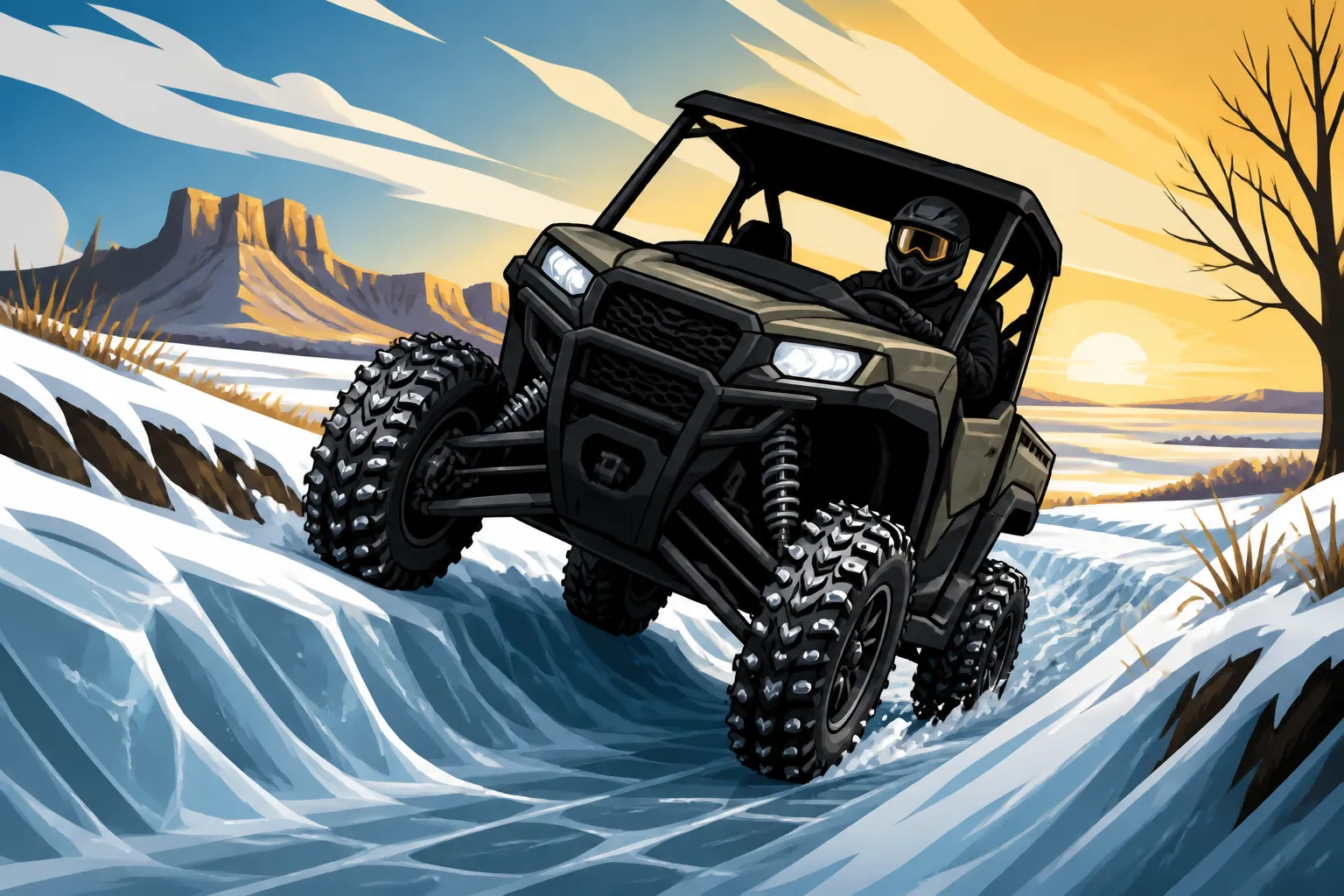
There’s a unique thrill that calls to many of us when winter descends on South Dakota, painting the landscape in shades of white and challenging the usual riding conditions. For ATV and UTV enthusiasts, the thought of zipping across a freshly frozen ditch, crisp air biting at your face, is incredibly appealing. But when that ditch is a sheet of ice or packed snow, your regular tires simply won’t cut it, leading to a frustrating and often dangerous loss of traction. This guide will walk you through everything you need to know about navigating South Dakota's frozen ditches with studded tires, from their mechanics to legalities and crucial safety tips, ensuring your winter rides are exhilarating and safe.
The Lure and Risk of Winter Ditch Riding in South Dakota
South Dakota winters bring a dramatic change to our riding landscape. While many machines are tucked away for the colder months, a dedicated few dream of extending their season, and the frozen ditches often present an inviting, albeit challenging, opportunity.
The Allure of a Frozen Landscape
There’s something truly magical about riding an ATV or UTV in the winter. The dust and summer crowds are gone, replaced by a serene, often silent, environment. The landscape takes on a stark beauty, with snow-covered fields stretching into the distance and bare trees etching intricate patterns against the sky. For many riders, it’s a chance to experience their favorite trails and routes in an entirely new light, or simply to break the monotony of winter and get out on the machine.
The unique traction challenges of snow and ice can also be part of the appeal, pushing riders to hone their skills in a different way. You might discover hidden vistas or simply enjoy the brisk air and the feeling of freedom that comes with navigating a snowy expanse. It's a way to keep the passion alive year-round, connecting with the machine and the environment in a way that’s impossible during other seasons. The quiet crunch of tires on fresh snow or the metallic bite of studs on ice offers a sensory experience all its own.
The Hidden Dangers of Ice and Snow
While the appeal is undeniable, winter ditch riding, especially on frozen surfaces, comes with significant risks. Ice is notoriously unpredictable. What looks like a solid, uniform sheet can hide treacherous variations – patches of black ice, uneven surfaces, or even thin spots where water might still flow underneath. A sudden loss of traction can send your machine skidding sideways, leading to rollovers, collisions with unseen obstacles, or even ejecting the rider. The impact on hard, frozen ground can be severe, and the cold only exacerbates injuries.
Snow, too, can be deceptive. A fresh blanket might conceal deep ruts, rocks, or other debris that can snag a tire or throw you off balance. [South Dakota Rules for Riding a Ditch in Deep Snow] are different than riding on ice. Even seemingly packed snow can hide slick ice layers beneath. Visibility can also be an issue, with blowing snow creating whiteout conditions or glare from the sun blinding you to potential hazards. These hidden dangers are why many riders, despite the allure, hesitate to venture out onto frozen ditches without the proper equipment and preparation. The fear of a sudden, uncontrolled slide and the potential for serious injury is a very real and valid concern.
South Dakota's Ditch Riding Rules in Winter
Before you even consider studded tires, it's crucial to understand South Dakota's rules for ditch riding, and how winter conditions might affect them. Generally, ATV and UTV riders are permitted to operate in highway ditches and rights-of-way, provided the county hasn't opted out of this provision. You can learn more about the specifics in [South Dakota's Ditch Riding Rule]. This rule applies year-round, so a frozen ditch isn't automatically off-limits, but it does introduce additional considerations.
Remember, the ditch is often considered part of the highway right-of-way, not necessarily an "off-road trail." This means that while you might be riding on snow or ice, you're still within a regulated area. Always keep an eye out for [Reading the Regulatory Sign at a Ditch Entrance] to ensure the specific ditch you plan to ride is open to ATVs and UTVs. While studded tires might not be explicitly prohibited for ditch use, the primary concern is the impact on the ground and any underlying surfaces once the thaw begins. The general rule of thumb is that if the ground is soft and susceptible to damage, you shouldn't be riding, regardless of the season. However, on solidly frozen ground or a thick layer of ice, the environmental impact might be less of a concern than the safety aspect. Always check local ordinances and current conditions, as weather can rapidly change the suitability of a ditch for riding.
Understanding Studded Tires for ATVs and UTVs
When the ground freezes solid and ice becomes the dominant terrain, regular knobby tires, no matter how aggressive their tread, just don't offer the necessary grip. This is where studded tires come into play, transforming your machine's ability to tackle slick surfaces.
What Are Studded Tires and How Do They Work?
Studded tires are essentially regular off-road tires that have small, hardened metal or carbide studs embedded into their tread blocks. These studs protrude slightly from the tire surface, acting like tiny claws that dig into ice and packed snow, providing significantly enhanced traction. There are generally two main types of studded tires:
- Pre-studded tires: These tires come from the factory with studs already molded or installed into the tread. They are designed specifically for winter conditions, with the studs optimally placed for performance and durability. Many riders find these to be a convenient and reliable option.
- Tires designed for studding (DIY studding): Many ATV/UTV tires come with pre-drilled holes or dimples in their tread blocks, indicating where studs can be manually installed. These often use screw-in studs, which can be inserted using a special tool. This allows riders to convert their existing tires for winter use.
How do they work? It's all about friction. On ice, rubber alone has very little friction. The studs create a localized point of high pressure that allows them to pierce the ice surface, creating mechanical grip. This "biting" action gives you much better acceleration, braking, and cornering control than you'd ever get with unstudded tires on ice. Brands like SuperATV offer a variety of aggressive tire patterns that can be excellent candidates for DIY studding, or you might find their offerings include tires designed with winter conditions in mind.
Pros and Cons of Using Studded Tires
Deciding whether to equip your ATV or UTV with studded tires for winter ditch riding involves weighing the advantages against the drawbacks.
| Feature | Pros | Cons |
|---|---|---|
| Traction | Superior grip on ice and hard-packed snow. | Decreased traction and potentially squirrely handling on dry pavement. |
| Control | Enhanced braking, acceleration, and cornering control. | Reduced grip on loose snow, mud, or unfrozen soft ground. |
| Confidence | Increased rider confidence in slick, icy conditions. | Can damage un-frozen ground, asphalt, or concrete. |
| Season Length | Extends your riding season into colder, icier months. | Can be noisy on hard surfaces. |
| Safety | Significantly reduces the risk of uncontrolled slides and falls. | Studs wear down over time, especially with use on hard surfaces. |
| Cost | Can be a one-time investment for DIY, or higher upfront for pre-studded. | Initial cost for tires and studs (or pre-studded tires) can be higher. |
| Installation | DIY studs can be installed at home. | DIY studding is time-consuming and requires specialized tools. |
| Versatility | Transform existing tires for winter use. | Not ideal for mixed-condition riding where un-frozen ground is present. |
The Pros are pretty compelling for winter riders: The biggest advantage, without a doubt, is the incredible grip they provide on icy surfaces. This translates directly to enhanced safety and control, allowing you to accelerate confidently, brake effectively, and maintain your line around corners. For those who want to ride through the colder months, studded tires essentially unlock a whole new dimension of winter exploration, extending your riding season. The feeling of stability and control on what would otherwise be a treacherous surface instills a confidence that regular tires simply cannot.
However, the Cons are equally important to consider: Studded tires are specialized. They are excellent on ice but become less effective, and even detrimental, on other surfaces. On dry pavement or bare rock, the studs can reduce the contact patch of the tire, leading to less grip and a squirmy, unstable feeling. They can also cause damage to surfaces that aren't frozen, like asphalt roads or concrete parking lots, which is why road use is often restricted. They can also be quite noisy, and the studs themselves will wear down over time, especially if used extensively on non-icy terrain. The initial investment in either pre-studded tires or studs for your existing tires can also be a factor. When choosing tires for varying terrains, understanding this balance is key, much like selecting [Tire Choice for Hills Rock and Gravel] for different summer conditions.
DIY Studding vs. Pre-Studded Options
When it comes to getting studded tires on your ATV or UTV, you generally have two paths: doing it yourself or buying them ready to go.
DIY Studding with Screw-In Studs: This option typically involves purchasing a set of screw-in studs and a special installation tool, then meticulously inserting them into the pre-drilled dimples or solid tread blocks of your existing tires. This can be a more budget-friendly approach if you already have a good set of aggressive tires that are suitable for studding. It gives you control over the number and pattern of studs, allowing for customization. However, it is a labor-intensive process that can take several hours, depending on the number of studs and your mechanical aptitude. You'll want to ensure the studs are installed correctly and firmly to prevent them from pulling out during aggressive riding. The quality of the studs and the tires themselves will greatly influence the effectiveness and longevity of your DIY setup.
Pre-Studded Tires: These tires come from the manufacturer with studs already installed. This is often the more convenient option, as they are ready to mount and ride right out of the box. Manufacturers typically use specialized techniques to secure the studs, and the placement is usually optimized for performance and durability. While potentially more expensive upfront than a DIY stud kit, pre-studded tires often offer a higher level of reliability and consistent performance, as they've been engineered for purpose. The studs are usually of a harder, more durable material like carbide. This is a great choice if you plan on frequent winter riding and want a hassle-free, high-performance solution.
The choice often comes down to budget, how often you plan to ride in icy conditions, and your willingness to put in the installation work. Both options can provide excellent winter traction, but their convenience and upfront costs differ.
Navigating the Legalities and Practicalities of Studded Tires in South Dakota
Understanding the mechanics of studded tires is one thing, but knowing when and where you can legally and practically use them in South Dakota's ditches is another. It's a bit of a gray area, primarily because off-road vehicles and ditch riding operate under different regulations than typical road-going vehicles.
South Dakota's Stance on Studded Tires for Off-Road Vehicles
This is where things can get a little nuanced. For road-going vehicles like cars and trucks, South Dakota has specific regulations regarding the use of studded tires, typically allowing them only during certain winter months to prevent excessive road damage. However, these rules are generally aimed at protecting paved public roadways from the wear and tear caused by studs.
For ATVs and UTVs operating in highway ditches, the regulations are less explicit regarding studded tires. The ditches are not generally considered "paved public roadways" in the same vein as the highway itself. The focus for off-road vehicles in ditches tends to be more on avoiding ground disturbance and ensuring public safety. If the ditch is solidly frozen, the risk of damage to the underlying soil from studs is minimal, making their use primarily a safety concern for the rider rather than a regulatory one. However, if the ground thaws or is soft, using studded tires could cause significant rutting and damage, which could lead to issues.
The key takeaway is that while there isn't a direct prohibition against studded tires on ATVs/UTVs used in ditches, riders should exercise common sense and environmental responsibility. It's not about what a trooper might check regarding your tires roadside for a plated machine, but rather the impact your riding has on the environment and your own safety. If your machine isn't street-legal, the specific road-use rules for studded tires generally don't apply. However, if you're riding a plated ATV/UTV on a road to access a ditch, you'd need to consider the road-use rules for studded tires, which vary by state and time of year. For the sole purpose of ditch riding on frozen ground, the regulations are far less restrictive than for vehicles operating on pavement.
When and Where to Use Them: Optimizing Your Winter Rides
Studded tires are a specialized tool, best utilized in specific conditions to maximize their benefits and minimize their drawbacks. Their primary purpose is to provide grip on ice and hard-packed, frozen snow. This makes them ideal for South Dakota's frozen ditches, particularly during prolonged cold snaps when conditions are consistently below freezing.
- Optimal Conditions: Think crystal-clear ice, glazed snow, or deeply frozen, compacted snow. These are the scenarios where studs truly shine, allowing you to maintain control and speed.
- Avoiding Damage: It's crucial to avoid using studded tires on unfrozen or soft surfaces. Riding on dirt, gravel, or pavement that isn't frozen solid will not only accelerate stud wear but can also cause significant damage to the surface, leaving ruts or gouges. If you encounter a patch of road that isn't frozen, you'll feel the tires squirm and lose grip, which can be dangerous.
- Strategic Access: Plan your routes carefully. If your ditch-riding adventure requires you to traverse long stretches of bare asphalt or gravel to get to a frozen section, consider if the benefit outweighs the wear and tear on your studs and the potential for road damage. Sometimes, trailering your machine closer to the optimal riding area is the best solution.
- Variable Weather: Be mindful of South Dakota's notoriously fluctuating winter weather. A ditch that was frozen solid yesterday could be slushy or muddy today. Always check the conditions before you head out. Riding on slush or mud with studs will offer no benefit and will simply accelerate wear.
Ultimately, studded tires are an investment in safety and extended riding enjoyment, but they require a thoughtful approach to their application. They're not a year-round solution, but a powerful tool for specific winter conditions. For context, you can also consider [South Dakota Rules for Riding a Snow-Covered Road], although ditches have different specific regulations than actual roads.
Essential Gear and Safety Considerations for Winter Riding
Beyond just your tires, a successful and safe winter ditch ride in South Dakota demands a comprehensive approach to gear and preparation. The cold can quickly turn a minor inconvenience into a serious emergency, so being prepared is paramount.
- Layered Clothing: This is non-negotiable. Wear moisture-wicking base layers, insulating middle layers (fleece, down), and a waterproof, windproof outer shell. You can always shed layers if you get too warm, but it's hard to get warm if you don't have enough. Protect your extremities with warm gloves or mitts, insulated boots, and a warm hat or balaclava under your helmet.
- Helmet and Eye Protection: While South Dakota exempts adults over 18 from helmet laws when riding ATVs (as explained in [Why South Dakota Exempts Adults From Helmets]), a helmet is absolutely vital in winter. It provides crucial head protection in case of a fall on hard, icy ground, and also helps retain body heat. Combine it with quality goggles or a full-face helmet visor to protect your eyes from wind, cold, and glare, meeting the [South Dakota Eye Protection Requirement].
- Communication: Cell service can be spotty in many rural South Dakota areas. Consider carrying a satellite messenger or two-way radio, especially if riding in remote locations. Always let someone know your planned route and estimated return time.
- Emergency Kit: This should include a first-aid kit, fire-starting materials, a multi-tool, a small shovel, tow strap, extra fuel (if applicable), and non-perishable snacks and water. A portable jump starter can also be a lifesaver for cold batteries.
- Riding with a Buddy: Never ride alone in winter conditions. A second machine means another set of eyes for hazards and immediate help if something goes wrong.
- Check Conditions Diligently: Before every ride, check weather forecasts, ice conditions, and snow depths. Ice thickness can vary dramatically, even on the same body of water, and ditches can be affected by drifting snow or underlying water.
Proper preparation ensures that if you do encounter an unexpected situation, you're equipped to handle it, making your winter ditch riding experience enjoyable rather than perilous. While a trooper checks for a lot of different things when you are pulled over, even [What a South Dakota Trooper Checks Roadside] won't compare to the comprehensive checklist you should be running through for cold weather safety.
Maintaining Your Machine and Your Studded Tires
Investing in studded tires and riding through winter means your equipment will endure harsher conditions. Proper maintenance isn't just about extending the life of your tires; it's about ensuring your machine is reliable and safe for every cold-weather adventure.
Post-Ride Care for Studded Tires
Your studded tires work hard for you in icy conditions, and a little attention after each ride can make a big difference in their lifespan and performance.
- Cleaning: After a ride, especially if you've been through slush or mud, thoroughly clean your tires. Dirt, salt, and debris can corrode studs and rubber. Use a stiff brush and water to remove any caked-on grime.
- Inspection: Take the time to visually inspect each tire. Look for any missing or damaged studs. If you have screw-in studs, check if any have loosened and tighten them as needed. Replace any broken studs promptly. Also, check the tire sidewalls and tread for any cuts, punctures, or signs of unusual wear.
- Storage: When not in use, especially during warmer months, store your studded tires properly. Keep them in a cool, dark, dry place, away from direct sunlight and ozone-producing equipment (like electric motors). If you store your machine with the tires on, try to elevate the machine to take weight off the tires, or roll it periodically to prevent flat spots.
- Rotation: Just like with any tires, rotating your studded tires can help promote even wear, although the wear patterns on studded tires are often unique to their use on ice. If you notice one tire wearing faster or losing more studs, consider rotating it.
Diligence in caring for your studded tires will ensure they provide reliable traction season after season, making your investment worthwhile.
General Winter ATV/UTV Maintenance
Winter riding puts extra strain on every component of your ATV or UTV. Beyond the tires, a few key maintenance checks will keep your machine running smoothly when temperatures plummet. [South Dakota Rules for Riding in Winter] means more than just what you wear; it means your machine needs to be ready for the cold.
- Battery Care: Cold weather drastically reduces battery efficiency. Ensure your battery is fully charged before each ride. Consider a battery tender or trickle charger if your machine sits for extended periods. Clean battery terminals to ensure a good connection. A weak battery in freezing temperatures is a recipe for being stranded.
- Fluids: Check all fluid levels – engine oil, coolant, and brake fluid. Ensure your coolant is mixed for appropriate freeze protection for South Dakota's extreme cold. Consider using winter-grade oils if recommended by your manufacturer, as they perform better in lower temperatures.
- Fuel System: Add a fuel stabilizer to your gas, especially if your machine will sit for more than a few days. This prevents fuel degradation and helps prevent moisture accumulation in the tank, which can lead to fuel line freezing. Keep your fuel tank full to minimize condensation.
- Belts and Hoses: Cold rubber becomes brittle. Inspect all belts and hoses for cracks, fraying, or hardening. Replace any that show signs of wear to prevent breakdowns in remote, cold locations.
- Winching Gear: If your machine has a winch, ensure it's in good working order. Cold can affect electrical connections and rope flexibility. Inspect the winch rope or cable for damage and test the winch regularly. A winch can be invaluable for self-recovery from snowbanks or icy patches.
- Greasing and Lubrication: Ensure all moving parts are adequately greased and lubricated. Cold can thicken lubricants, making parts stiff or prone to wear.
- Lighting: With shorter daylight hours and often overcast skies, reliable lighting is crucial. Check headlights, taillights, and brake lights. Consider adding auxiliary lights for improved visibility on trails and in ditches.
A well-maintained machine is a safe machine, and in winter conditions, that safety margin becomes even more critical.
Disclaimer
This article is for general informational purposes only and does not constitute professional advice. Laws, prices and regulations vary by location and change over time. Consult a qualified professional for guidance on your specific situation.