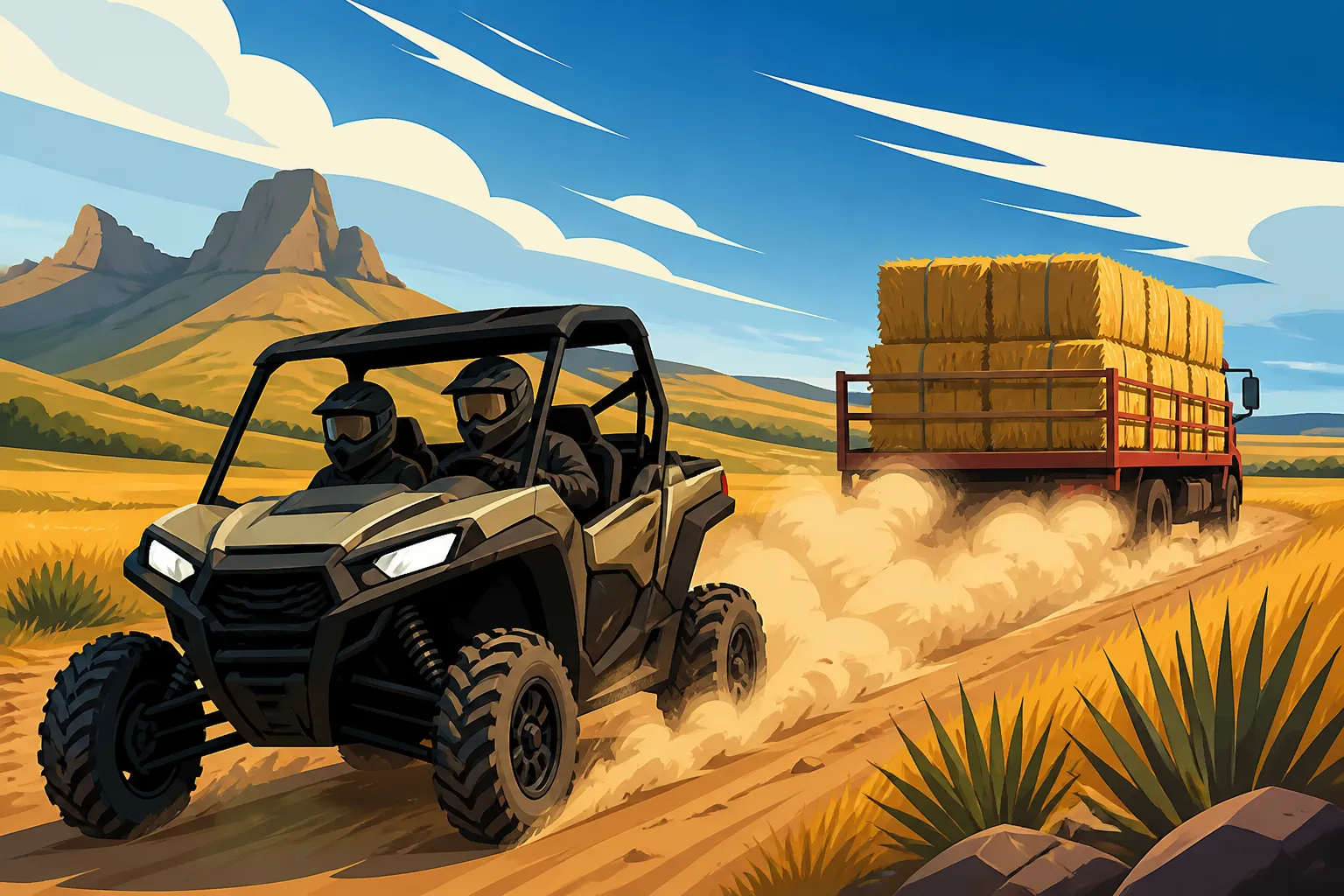
Dust Behind a Hay Truck
Riding your ATV or UTV in South Dakota can be an incredible experience, offering access to beautiful landscapes and vast open spaces. However, the rules for taking these machines onto public roads and ditches can feel like a confusing maze of conflicting information, leaving many riders unsure of where they can legally go without running afoul of the law. This guide aims to demystify South Dakota's regulations for operating off-road vehicles on paved and gravel roads, ditch lines, and other public rights-of-way, helping you understand how to navigate the state responsibly and legally.
Navigating South Dakota's Unique Road Rules for ATVs and UTVs
South Dakota has a distinct approach to how ATVs and UTVs can interact with its public road system. Unlike some states that have broad "street legal" provisions, South Dakota's rules are more nuanced, often requiring your machine to be titled and plated as a motorcycle to achieve road-going status. It's not as simple as slapping a license plate on your quad and hitting the highway; there are specific criteria your vehicle must meet.
Understanding the "Street Legal" Concept in South Dakota
When folks talk about making their ATV or UTV "street legal" in South Dakota, they're generally referring to the process of getting it titled and registered for road use, effectively classifying it as a motorcycle under state law. This isn't just a formality; it unlocks the ability to ride on most public roads, allowing you to connect trails, access services, or simply enjoy a scenic cruise. Without this classification, your machine is largely restricted to private land or designated off-road areas. The key is understanding that South Dakota doesn't have a separate "OHV street legal" category; it integrates these machines into existing vehicle classifications when they meet certain criteria. It's a system that can be a bit of a head-scratcher for new residents or visitors, but once you grasp the basics, it makes more sense. Think of it as earning your machine its "driver's license" for the road. For a deeper dive into what's required, you'll want to review the specifics of [South Dakota Street Legal ATV Requirements].
Engine Size and Plate Eligibility
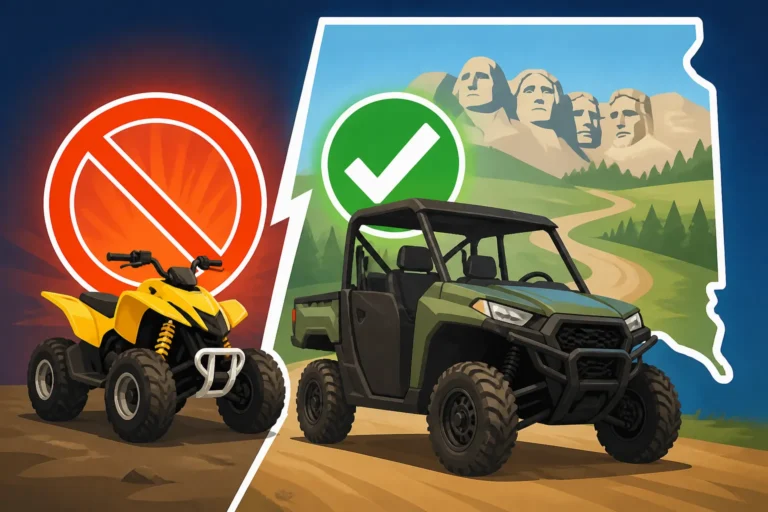
One of the most fundamental requirements for getting your ATV or UTV plated for road use in South Dakota revolves around its engine size. For a four-wheeled ATV or UTV, the engine must be 200cc or larger to be eligible for a motorcycle plate. This threshold ensures that machines on public roads have a certain level of power and capability that state legislators deem appropriate for sharing the road with other vehicles. If you have a smaller quad, say a 150cc youth model, it simply won't qualify for road registration. The rule is quite clear: [Why a Quad Under 200cc Cannot Get a South Dakota Plate] outlines this limitation. Similarly, if you're looking at a two-wheeled machine like a dirt bike, it needs to be 120cc or larger to qualify for a plate.
Electric ATVs and UTVs also fit into this framework, though their "engine size" is measured differently. Typically, their electric motor's power output is converted to an equivalent cubic centimeter (cc) rating to determine eligibility. It's important to check the manufacturer's specifications or consult with the county treasurer's office to understand how your electric machine measures up against the state's requirements. This ensures that the spirit of the engine size rule is applied consistently across different powerplants, maintaining a baseline for road-legal operation.
Essential Equipment for Road Use
Once your ATV or UTV meets the engine size requirement and is ready to be plated as a motorcycle, it also needs to be outfitted with specific safety and visibility equipment to make it road-legal. This isn't just about passing an inspection; it's about making your machine safe for yourself and other drivers on the road. The list is pretty standard for any street-going vehicle:
- Headlights: You'll need at least one, and it must illuminate the road effectively.
- Taillights and Brake Lights: A red taillight is required, along with brake lights that activate when you apply the brakes. These are crucial for signaling your presence and intentions to traffic behind you.
- Turn Signals: Both front and rear turn signals are necessary for indicating lane changes or turns.
- Horn: A working horn is mandatory for alerting others to your presence in situations where visibility might be limited or a warning is needed. [A Horn on a South Dakota Road Machine] is a small but mighty piece of safety gear.
- Rear-View Mirrors: At least one rear-view mirror is required, allowing you to see traffic approaching from behind. Many riders opt for two for better visibility. You can find robust, trail-ready mirrors from companies like SuperATV that are also compliant for road use. Check out [A Rear-View Mirror for South Dakota Road Use] for more details on this.
It’s important to ensure all this equipment is fully functional before you ever hit a public road. A quick walk-around and test of all lights, signals, and the horn can save you from a potential citation or, more importantly, an accident. Many aftermarket parts from reputable brands like SuperATV can help you equip your machine with all the necessary components, ensuring both durability for the trail and compliance for the road. The complete list of what your machine needs can be found under [South Dakota Equipment List for Road Use].
The Intricacies of Ditch Riding in South Dakota
Beyond plated road use, South Dakota offers a unique option for ATV and UTV riders: ditch riding. This can be a game-changer for accessing hunting land, getting between fields, or simply enjoying miles of prairie scenery. However, it's not a free-for-all; there are specific rules and restrictions that govern where and how you can ride in the ditches alongside public roads. Ignoring these rules can lead to fines and frustration, so understanding them thoroughly is crucial for responsible riding.
South Dakota's Ditch Riding Rules Explained
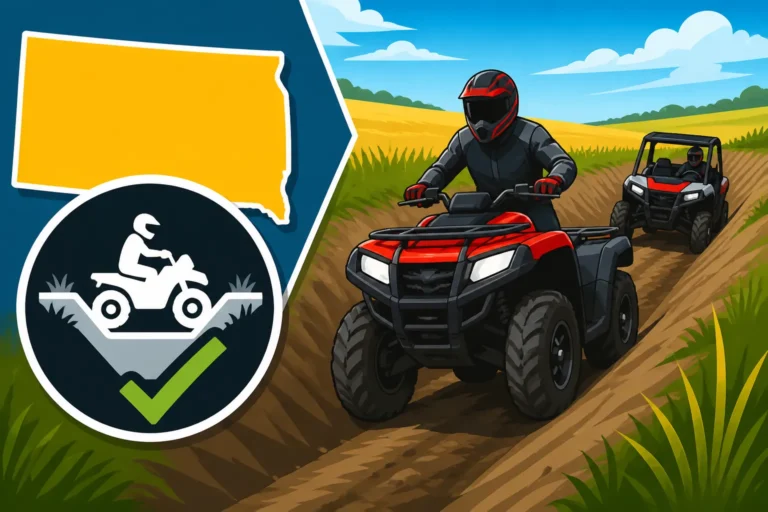
The fundamental principle of ditch riding in South Dakota is that it is presumed legal unless a specific county has opted out and prohibited it. This means you can generally ride in the right-of-way ditches alongside state highways and county roads, provided your vehicle meets certain criteria and you adhere to safety rules. The idea is to allow landowners and recreationists access without having to trailer machines for short distances. You typically need to stay on the extreme outer edge of the right-of-way, which often means the very bottom of the ditch or the back-slope, away from the traveled portion of the road. This ensures a buffer between you and moving traffic. The state’s definition of what constitutes a ditch and the permissible riding areas is quite detailed. [South Dakota Ditch Riding Rules Explained] provides a comprehensive look at these regulations. Remember, it's not just about staying out of the way; it's about respecting the road's intended use and ensuring everyone's safety.
County Opt-Outs and Regulatory Signs
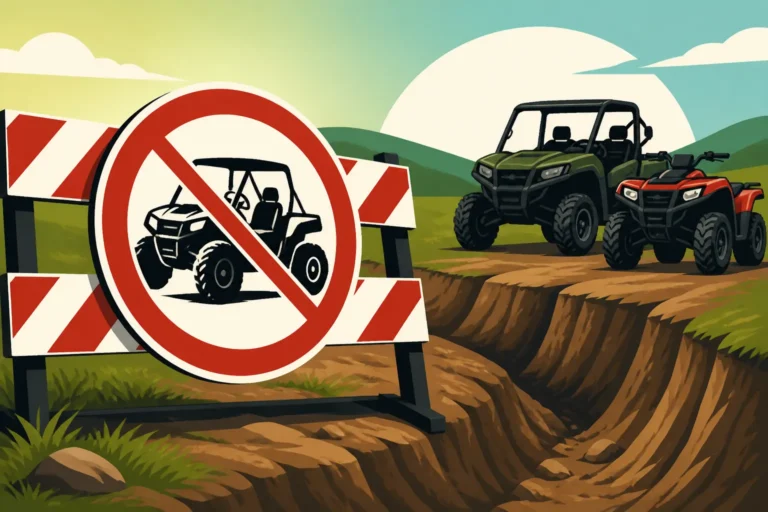
While ditch riding is generally allowed, individual counties in South Dakota have the authority to "opt out" and prohibit it within their borders. This means that a ditch that's perfectly legal to ride in one county might be off-limits just across the county line. This local variability can be a real headache for riders, especially if you're traveling through multiple counties. When a county opts out, they are required to post clear regulatory signs indicating the prohibition. It's your responsibility as a rider to be aware of these local rules and to look for these signs. Always keep an eye out for [Reading the Regulatory Sign at a Ditch Entrance] as you enter new areas.
Even in counties where ditch riding is banned, there's usually an important exception: crossing a highway remains permissible, as long as it's done at a right angle and safely. This prevents riders from being completely cut off from their destinations. Understanding [How a South Dakota County Opts Out of Ditch Riding] is key to avoiding legal trouble. The patchwork nature of these rules means that simply assuming you can ride in any ditch could lead to a ticket. It’s always best to check with the local county sheriff’s office or website if you’re unsure about the regulations in a particular area.
Age Restrictions and Exceptions
Ditch riding, like other forms of ATV/UTV operation, comes with age restrictions to ensure the safety of young riders. In South Dakota, the general rule is that riders must be at least 12 years old to operate an ATV or UTV in a ditch or public right-of-way. This age limit is in place to ensure that operators have the necessary maturity, coordination, and judgment to safely handle a machine in an environment shared with other vehicles. It’s a common-sense safety measure designed to protect children. [Twelve Years Old in a South Dakota Ditch] is the standard.
However, there are important exceptions to these rules, particularly for agricultural and utility vehicles. Farmers and ranchers often rely on ATVs and UTVs for work purposes, using them to check fences, herd livestock, or transport tools across their land or to nearby fields. These vehicles, when used for bona fide agricultural or utility purposes, are often exempt from some of the stricter ditch riding regulations. This exemption acknowledges the practical necessity of these machines for certain industries. If you're using your machine for farm work, you'll find information on [Agricultural and Utility Vehicles Exempted] helpful. This doesn't mean a free pass to drive recklessly, but it does provide necessary flexibility for those who depend on these vehicles for their livelihood.
Rider Requirements and Safety Gear
Beyond the machine itself, the person operating it also has responsibilities and requirements when riding on South Dakota roads or ditches. From helmets to driver's licenses, understanding what's expected of you as a rider is just as important as knowing your vehicle's specifications. These rules are designed not to inconvenience you, but to keep you, and everyone else on the road, safe.
Helmet and Eye Protection Laws
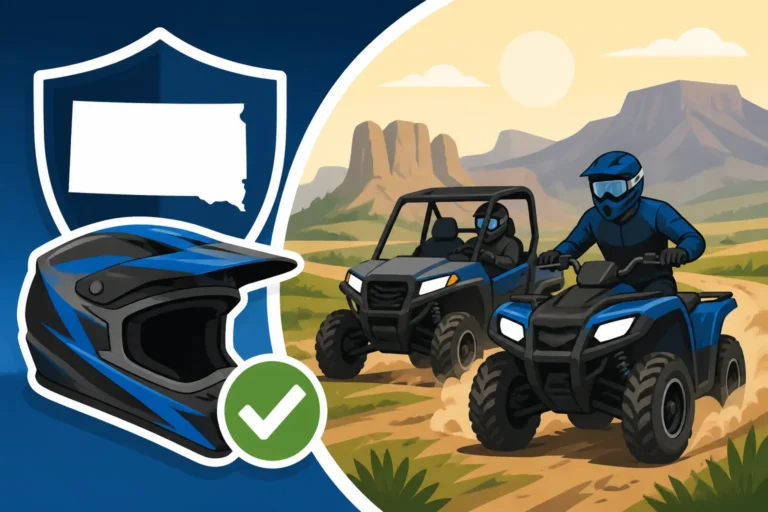
One of the most frequently asked questions about ATV and UTV riding in South Dakota concerns helmets. The good news for adult riders (18 and older) is that South Dakota generally does not require helmets for ATV or UTV operators on public roads or in ditches. This offers a bit more freedom compared to many other states. However, this exemption comes with a crucial caveat: while helmets aren't mandated for adults, eye protection absolutely is. You must wear protective eyewear, such as goggles, a face shield, or a windscreen that covers your eyes, to shield them from dust, debris, and insects. This is a non-negotiable safety measure, regardless of your age, to prevent vision impairment and potential accidents. [South Dakota Eye Protection Requirement] clearly spells this out.
For younger riders, the rules are different. If you are under 18 years old, a helmet is required when operating an ATV or UTV on public land or rights-of-way. This reflects a commitment to protecting more vulnerable operators. So, while adults might enjoy the wind in their hair (or on their scalp), always ensure that any minor riding your machine is properly geared up with a helmet. For more information on age-specific rules, check out [South Dakota Helmet Law for ATV Riders]. It's always smart to wear a helmet, regardless of the law, as it's the best protection against serious head injuries.
Driver's License and Insurance
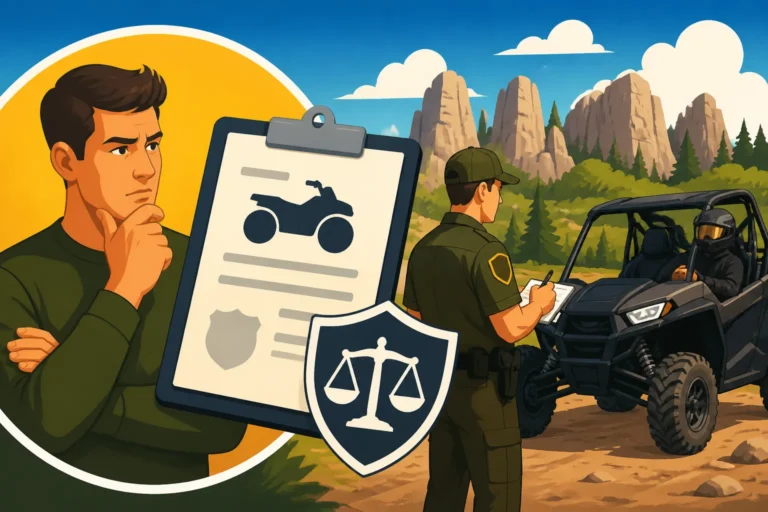
If you plan to operate your ATV or UTV on public roads in South Dakota after it's been plated as a motorcycle, you'll need a valid driver's license. Just like driving a car or a traditional motorcycle, you are subject to the same licensing requirements. This means having a Class M (motorcycle) endorsement if your machine is classified as such, or a standard Class D license if your UTV is registered as a low-speed vehicle or similar. You cannot simply operate a plated ATV on the road without the appropriate driving credentials. Law enforcement officers will expect to see a valid license, and failure to produce one can lead to citations. [South Dakota Driver's License Rules for ATVs] provides more specific information on what type of license you'll need.
Regarding insurance, while South Dakota does not explicitly mandate specific ATV insurance for road use in the same way it does for cars, it's always, always, always a good idea to have coverage. If you're operating your machine on public roads, and especially if it's classified as a motorcycle, your standard auto insurance policy may not cover it. Accidents happen, and being uninsured can lead to significant financial hardship if you're involved in a collision or cause damage to property. While [South Dakota ATV Insurance Requirement] might not detail a specific minimum coverage, consider speaking with your insurance provider to ensure you have adequate liability and collision coverage for your plated ATV or UTV when operating it on public roads. It's peace of mind that's worth every penny.
Consequences of Non-Compliance
Ignoring South Dakota's rules for ATV and UTV road and ditch use can lead to more than just a stern talking-to. The state takes these regulations seriously, and violations can result in tangible penalties that will put a damper on your riding fun and hit your wallet. For instance, operating a machine on public roads without the proper plating, equipment, or a valid driver's license can result in fines and could even lead to your vehicle being impounded. These aren't minor infractions; they can escalate quickly.
Furthermore, certain violations, especially those involving operating a non-compliant or un-plated machine where it shouldn't be, can be classified as a Class 2 Misdemeanor. While not a felony, a Class 2 Misdemeanor carries potential jail time and significant fines. [What a Class 2 Misdemeanor Costs a Rider] can give you an idea of the financial impact alone, not to mention the legal hassle and potential impact on your driving record. It's far better to invest the time in understanding the rules and properly outfitting your machine than to risk facing these consequences. Always be proactive, verify local regulations, and ensure your machine and your riding habits are fully compliant before you head out.
Practical Tips for South Dakota Road Riding
Knowing the rules is one thing, but applying them safely and effectively in the real world is another. South Dakota's diverse terrain and road conditions, from bustling Black Hills towns to dusty prairie section lines, demand a thoughtful approach to riding. Here are some practical tips to make your road-legal ATV or UTV experience in South Dakota as smooth and enjoyable as possible.
Preparing Your Machine for Road Use
Before you even think about hitting a paved road or a gravel section line, a thorough check of your machine is essential. This isn't just about meeting the legal requirements; it's about ensuring your safety and the longevity of your vehicle.
First, inspect all required road equipment: Are your headlights bright and properly aimed? Do your brake lights and turn signals work flawlessly? Is your horn loud and clear? Does your mirror (or mirrors) provide an unobstructed view of what’s behind you? It's easy for these components to get damaged on the trail, so a pre-ride check is non-negotiable. If you're looking to upgrade, companies like SuperATV offer robust lighting kits and mirrors designed to withstand off-road abuse while still meeting road-legal standards. Their products are often built with durability in mind, which is a huge plus when you're transitioning from rugged trails to public roads.
Second, tire pressure is key. Off-road tire pressures are typically much lower for better traction. However, for road use, you’ll want to increase your tire pressure to the higher end of the manufacturer's recommendations (often found on a sticker on the machine or in the owner's manual) for better stability, handling, and fuel efficiency on hard surfaces. Under-inflated tires on pavement can lead to poor handling and premature wear.
Finally, fluid levels and general maintenance. Check your oil, coolant, and brake fluid. Ensure your chain or belt drive is in good condition and properly adjusted. A well-maintained machine is a safe and reliable machine, whether you're climbing a mountain trail or riding down a county road.
Understanding Local Nuances and Avoiding Issues
South Dakota is a big state with diverse landscapes and communities, and what's acceptable in one area might raise eyebrows in another. While statewide laws apply, local customs and specific county ordinances can add layers of complexity.
Dust is a major factor, especially on South Dakota's extensive network of gravel roads. If you're following another vehicle, particularly something large like a [Dust Behind a Hay Truck], the visibility can drop to zero in an instant. Maintain a generous following distance, especially in dry conditions, and be prepared for sudden stops. When passing, do so only when you have a clear view and can do so quickly and safely. Respect private property: even if a ditch is open, always be mindful of adjacent landowners. If you need to access private land, always get explicit permission first. Ranch roads and section lines often cross private property, and leaving gates open or disturbing livestock can quickly earn you an unwelcome encounter.
In tourist-heavy areas like the Black Hills, you'll encounter more traffic, including motorcycles, RVs, and rental vehicles. Be extra vigilant and practice defensive riding. During events like the Sturgis Motorcycle Rally, roads can be exceptionally crowded. [Meeting a Motorcycle Pack in August] can be an intimidating experience, so stay alert and predictable. Always remember that even if your machine is road-legal, you're still sharing the road with vehicles that are much larger and faster.
Riding Responsibly and Safely
Ultimately, road safety for ATV and UTV riders comes down to responsible choices and vigilant awareness. Even with all the right equipment and licenses, an accident can happen in an instant.
Visibility is paramount. Wear bright clothing, especially if you're riding a smaller machine that might blend in with the landscape. Consider adding additional reflective tape to your machine or gear, particularly if you plan on riding around dawn or dusk. Even with legal lighting, being seen is your first line of defense.
Ride predictably and communicate clearly. Use your turn signals well in advance of turns or lane changes. Maintain a steady speed appropriate for the conditions and the road type. On gravel roads, sudden braking or sharp turns can easily lead to a loss of control. If you encounter a situation like [Riding a South Dakota Gravel Road After Rain], be aware that the surface can become very slick, and washouts might be present. Adjust your speed accordingly.
Stay focused. Avoid distractions, whether it's your phone, passengers, or simply letting your mind wander. Roads, even quiet country ones, demand your full attention. Be aware of wildlife, especially deer, which can dart out unexpectedly, particularly during dawn and dusk.
By combining proper machine preparation, an understanding of local conditions, and a commitment to safe riding practices, you can fully enjoy the freedom of taking your ATV or UTV onto South Dakota's diverse roads and ditches.
Disclaimer
This article is for general informational purposes only and does not constitute professional advice. Laws, prices and regulations vary by location and change over time. Consult a qualified professional for guidance on your specific situation.