Why Farm Vehicles Sit Outside South Dakota’s Definition
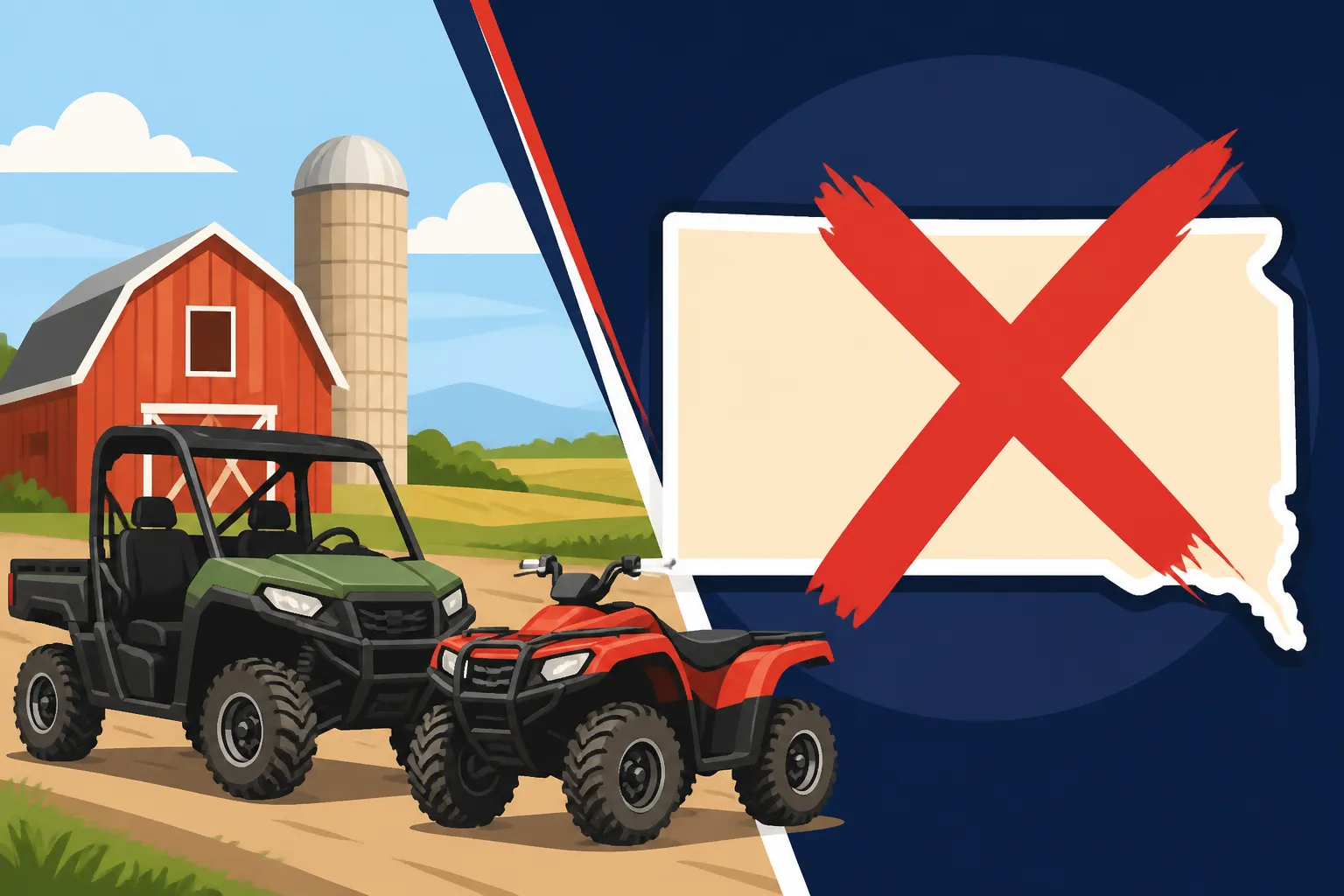
It can be incredibly confusing when you own a utility vehicle or ATV that you use strictly for work on your ranch or farm, but the state doesn't classify it the same way it does your neighbor's recreational side-by-side. Many South Dakota farm and ranch owners scratch their heads, wondering why their essential machinery, which definitely goes off-road, doesn't fall under the "Off-Road Vehicle" (ORV) definition for titling and registration. This guide will help you understand the specific legal distinctions South Dakota draws, clarify why your hard-working farm vehicle is treated differently, and outline what that means for you as an owner.
Unpacking South Dakota's Off-Road Vehicle Definition
South Dakota's laws are pretty specific about what constitutes an "Off-Road Vehicle" (ORV), and these definitions are critical because they dictate whether a machine needs a title, registration, or a permit. The state isn't just looking at whether a vehicle can go off-road; it's looking at its primary design and intended use. This distinction is where many of the common misconceptions about farm vehicles arise.
What South Dakota Considers an ORV
Generally speaking, when South Dakota talks about an ORV, it's referring to machines built primarily for recreational off-highway use. Think about the machines you see ripping through trails in the Black Hills or across the prairie for fun. These typically include all-terrain vehicles (ATVs), side-by-sides (UTVs), dirt bikes, and even some specialized four-wheel vehicles not designed for conventional highway travel. The key here is "recreational off-highway use." The state's definition tends to focus on things like specific engine sizes, number of wheels, and manufacturer design for non-highway purposes. You can find more detail on this in [What South Dakota Counts as an Off-Road Vehicle] and [How South Dakota Defines an Off-Road Vehicle].
These vehicles are expected to navigate challenging terrains, provide adventurous experiences, and generally aren't equipped with features like turn signals, horns, or full lighting systems that are mandatory for road-legal vehicles. Their chassis, suspension, and tire choices are all geared towards aggressive off-road performance rather than hauling heavy loads or performing agricultural tasks. This primary design intent for recreation is a big part of why they fall under the ORV umbrella, leading to specific titling and permit requirements that other vehicles might not have.
The Purpose of ORV Titling and Registration
The entire system of titling and registering ORVs in South Dakota is designed to manage and track vehicles used for recreation on public lands, and to help fund trail maintenance and enforcement efforts. When you get an ORV title, it formally establishes ownership, which is crucial for buying, selling, or inheriting these machines. The associated registration or permit fees contribute directly to the resources needed to maintain the very trails and areas where these vehicles are enjoyed. This framework also aids law enforcement in identifying stolen machines and ensuring riders adhere to safety regulations.
Without proper titling, proving ownership can become a nightmare, especially if a vehicle is lost or stolen. Furthermore, the fees collected from ORV titling and permits help ensure that the riding areas remain accessible and well-maintained for all recreational users. It's a system built around managing the recreational off-highway experience, which is a stark contrast to the utilitarian role of farm equipment. Understanding this underlying purpose helps clarify why a farm vehicle might be excluded, as its use case doesn't align with the system's primary intent.
The Core Distinction: Recreational vs. Agricultural Use
The fundamental reason farm vehicles sit outside South Dakota's ORV definition boils down to their primary purpose and operation. It's not about whether they can drive off-road; it's about why they drive off-road. The law makes a clear separation between a machine used for leisure and one that's an integral part of an agricultural operation.
Why Primary Purpose Matters
South Dakota law differentiates based on the vehicle's primary intent. An ORV is built and used for fun, for exploring trails, and for recreation. A farm vehicle, conversely, is designed and operated as a tool for agricultural production. This distinction is crucial. If your side-by-side is primarily hauling feed, checking fences, moving equipment between fields, or tending to livestock, its fundamental role is utilitarian, directly supporting farm or ranch work. It's an extension of your farming business, not a recreational toy.
Consider a UTV that spends its days carrying tools to fix a pivot irrigator, bringing water to thirsty cattle in a far pasture, or helping to plant food plots for wildlife on agricultural land. While it's undoubtedly traversing rough terrain, its function is work-related. This core operational purpose is what sets it apart from a recreational ORV that might cover similar ground purely for the thrill of the ride. The state recognizes these machines as essential implements of agriculture, rather than recreational vehicles.
Agricultural Exemption for Practicality
The exemption for agricultural vehicles is rooted in practicality and the recognition that these machines are critical for the daily operations of farms and ranches across the state. Farmers and ranchers already navigate a complex web of regulations for their other equipment, from tractors to combines. Adding an ORV title and permit requirement for every UTV or ATV used solely for farm work would create an unnecessary bureaucratic burden without serving the original intent of ORV laws.
Imagine having to title and pay annual fees for every small utility vehicle on a large ranch, just because it happens to have an engine and four wheels and goes off-road. It would be an administrative headache and an added financial strain on an industry already facing tight margins. The exemption acknowledges that these vehicles are "implements of husbandry" – tools essential to agricultural production – and therefore fall under a different legal framework, one that typically recognizes their working nature rather than their recreational potential. This carve-out simplifies operations for producers and keeps the focus of ORV laws on recreational usage.
Exemptions for Utility and Agricultural Vehicles
South Dakota statutes explicitly exempt certain types of vehicles from the ORV definition, specifically those used primarily for utility or agricultural purposes. This isn't a loophole; it's a deliberate legislative decision to categorize these working machines differently.
Defining "Agricultural or Utility Use"
When we talk about "agricultural or utility use" in South Dakota, we're referring to vehicles whose primary function is directly related to farming, ranching, or other utility services. This isn't just a vague term; it typically means tasks like:
- Hauling: Transporting feed, tools, supplies, or harvested goods on private land.
- Livestock Management: Checking on herds, moving animals, or delivering medical care in pastures.
- Property Maintenance: Fence repair, land surveying, clearing brush, or maintaining irrigation systems.
- Field Work: Light tillage, planting food plots, or applying small amounts of pesticides or fertilizers.
- General Utility: Moving equipment, materials, or personnel around a worksite, farm, or ranch.
The key thread through all these examples is that the vehicle is serving a productive, non-recreational purpose tied to the operation of a farm, ranch, or specific utility service. If your UTV is hauling water tanks to cattle, it's agricultural. If it's carrying surveyors for a power line inspection, it's utility. The distinction relies heavily on the "why" and "what for" of the vehicle's daily tasks. This is further elaborated in [Agricultural and Utility Vehicles Exempted].
Vehicles Not Requiring an ORV Title
Because of this primary purpose distinction, farm and utility vehicles that meet the exemption criteria generally do not need a South Dakota ORV title. This means you won't be going to the county treasurer to get a specific ORV title for that workhorse UTV that never leaves the farm, nor will you be subject to the associated fees like [South Dakota ATV Title Cost] or annual registration. This is a significant relief for farm owners, as it streamlines their operations and reduces administrative burdens.
However, it's vital to remember that "not requiring an ORV title" doesn't mean "no paperwork at all." When you purchase or sell such a vehicle, it's still good practice to have a bill of sale, even if it's not going through the state's titling system. A clear paper trail proves ownership and can prevent disputes down the road. Resources like LawDepot offer templates for a [A South Dakota Bill of Sale for an ORV] or general vehicle sales, which can be adapted for farm vehicles to ensure you have proper documentation of the transfer of ownership, even without a formal state title process for that specific vehicle type.
Practical Considerations for South Dakota Farm Owners
Understanding the exemption is one thing, but knowing how it practically impacts your daily operations and potential interactions with the law is another. While your farm vehicle might be exempt from ORV titling, there are still best practices and rules to consider.
No ORV Title, No ORV Registration
The direct consequence of your farm vehicle not being defined as an ORV is that it doesn't require an ORV title or subsequent registration through the county treasurer's office. This saves you time, money, and paperwork that recreational riders must contend with. You won't be visiting the county office for [Titling at a South Dakota County Treasurer] for your ranch UTV, nor will you be subject to any specific ORV titling deadlines or penalties.
This freedom from ORV specific requirements means that the fines associated with operating an untitled or unregistered ORV simply don't apply to your farm vehicle, as long as it truly meets the agricultural or utility exemption. For example, [South Dakota Fines for an Untitled ATV] would not be levied against a farmer using an exempt UTV for legitimate farm work on private land. This is a crucial point for peace of mind, allowing you to focus on your work without worrying about recreational vehicle regulations. However, always ensure your vehicle's use clearly falls within the exempted categories to avoid any misunderstandings.
Ownership Documentation for Farm Vehicles
Even without an official ORV title, proving ownership of your farm vehicle is incredibly important. When you buy a used farm UTV or ATV, always get a robust bill of sale from the seller. This document should include:
- The date of sale.
- The full names and addresses of both the buyer and seller.
- A detailed description of the vehicle (make, model, year, VIN).
- The purchase price.
- Signatures of both parties.
This bill of sale acts as your proof of ownership. Keep it in a safe place, possibly even a scanned digital copy for backup. If you ever decide to sell the machine, or if it's unfortunately stolen, this document will be critical. It's also essential for insurance purposes. While you might not be getting a formal state title, any reputable insurance company will require proof of ownership to cover your vehicle. Many online services like LawDepot provide customizable bill of sale templates that can be easily adapted to ensure you have a legally sound document for these types of private transactions. This ensures you have a clear record, even if the state's ORV titling system isn't involved.
| Feature | Recreational ORV (e.g., Trail ATV) | Agricultural/Utility Vehicle (e.g., Farm UTV) |
|---|---|---|
| Primary Purpose | Recreation, sport, leisure | Farm work, ranching, utility services |
| Titling Required? | Yes, as an ORV | No, if primarily agricultural/utility use |
| Registration/Permit? | Yes, for public land use | No (unless for specific road use, then plate) |
| Common Use | Designated trails, open recreation areas | Private land, fields, pastures, worksites |
| Regulatory Body | South Dakota Department of Revenue | Primarily exempt from ORV specific regulations |
| Ownership Proof | State-issued ORV title | Bill of sale, purchase receipts |
Operating Farm Machines on Public Lands and Roads
The exemption from ORV titling is fantastic for working on your land, but it's important to understand the limitations, particularly if your farm vehicle ever needs to leave your private property. South Dakota has distinct rules for operating any vehicle on public roads or lands, regardless of its primary purpose.
Crossing Public Roads for Farm Work
There will inevitably be times when your farm vehicle needs to cross a public road to get from one section of your land to another, or to access an adjacent field. South Dakota law generally allows for agricultural equipment, including ATVs and UTVs used for farm purposes, to cross public highways. However, this is typically for the shortest distance possible and with extreme caution. You can't just cruise down the highway for miles. The intent is to facilitate necessary farm operations, not to provide a shortcut or alternative transportation method.
When crossing, always yield to oncoming traffic, use appropriate signaling if available, and ensure maximum visibility. Some larger pieces of farm equipment might require specific lighting or flags, but for a UTV, common sense and caution are your best friends. Remember, this allowance is strictly for crossing and often for very short distances, maintaining the vehicle's status as an implement of husbandry rather than a road vehicle. For more on navigating property boundaries, you might review [South Dakota Rules for Riding Private Land].
Limited Road Use for Farm Operations
In some limited circumstances, South Dakota allows agricultural vehicles to operate on public roads for specific purposes related to farm work. This isn't general "street legal" status; it's a specific exemption for agricultural purposes only. For instance, you might be able to drive your farm UTV a short distance on a gravel county road to transport equipment or supplies to an adjacent field, or to move livestock if it's the most practical means.
However, even in these situations, your farm vehicle must meet certain safety requirements. While it might not need a full motorcycle plate (which is what an ORV would get if it met the requirements to be street legal), it should still have functional headlights, taillights, brake lights, and ideally a slow-moving vehicle (SMV) emblem on the rear if it's moving at lower speeds. These are common-sense safety measures to ensure you're visible to other motorists. The key here is "limited" and "for farm operations." Any deviation into recreational road use would likely nullify the exemption and potentially put you in violation of vehicle codes. If you're contemplating significant road use, it's always best to check with your local county sheriff's office or the Department of Public Safety for clarity, as interpretations can sometimes vary.
Disclaimer
This article is for general informational purposes only and does not constitute professional advice. Laws, prices and regulations vary by location and change over time. Consult a qualified professional for guidance on your specific situation.