Why a Class 2 Misdemeanor Applies
Riding your ATV or UTV in South Dakota can be an incredible experience, with vast stretches of open land and winding trails through places like the Black Hills. However, the rules of the road, especially concerning off-road vehicles, can feel like a confusing maze, leaving many riders unsure of where they can and cannot legally operate their machines. The last thing any enthusiast wants is to face legal trouble simply for enjoying their ride, but navigating these laws incorrectly can sometimes lead to very serious consequences, including a Class 2 Misdemeanor. This guide aims to clear up that confusion, helping you understand precisely when and why this significant charge can apply to ATV and UTV operators in South Dakota, and how to avoid it.
Understanding South Dakota's ATV/UTV Road Rules
South Dakota offers a lot of freedom for off-road enthusiasts, but that freedom comes with a very specific set of regulations, particularly when it comes to riding on or near public roads. It’s a common misconception that if you own an ATV or UTV, you can just hop on any road for a short jaunt. Unfortunately, that's often not the case, and misunderstanding these foundational rules is the first step toward potential legal issues.
The Core Distinction: Plated vs. Unplated Machines on Public Roads
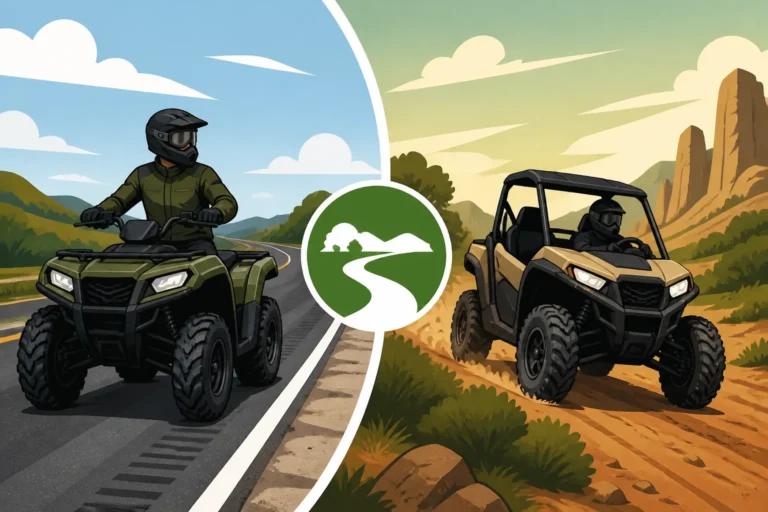
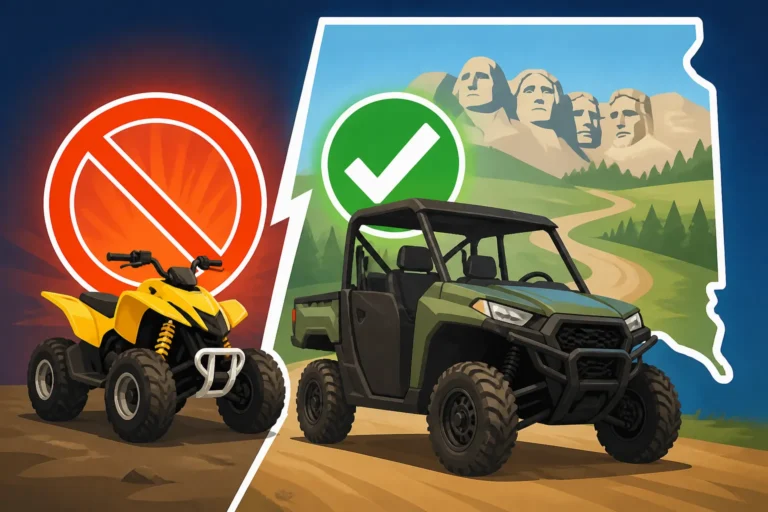
The absolute most critical concept to grasp in South Dakota is the difference between an ATV or UTV that has been legally titled and plated for street use and one that has not. Many riders are surprised to learn that, yes, you can make certain off-road vehicles street-legal in South Dakota, but it's not a simple process, and most machines aren't set up that way from the factory.
An unplated ATV or UTV is, by definition, an off-road vehicle. It's designed for dirt, trails, fields, and private property, not public paved or even gravel roads. If your machine doesn't have a valid, current South Dakota motorcycle plate affixed to it, it falls into this category. The state treats these machines differently than a car or even a motorcycle, and their interaction with public roadways is severely restricted. To be considered street-legal and eligible for a plate, a machine must meet a very specific list of equipment requirements: proper headlights, taillights, brake lights, a horn, mirrors (often both left and right), and sometimes even turn signals. It also needs to meet certain engine size criteria; for instance, a four-wheel ATV generally needs an engine size of at least 200cc to be plated as a motorcycle. Many aftermarket suppliers, like SuperATV, offer kits and components to help riders meet these requirements, but simply installing them isn't enough; the machine must then be properly titled and registered as a motorcycle. Without that plate, your machine is considered an off-road vehicle (ORV) and is subject to entirely different rules. For a deeper dive into the exact requirements, check out [South Dakota Street Legal ATV Requirements].
Ditch Riding and Highway Crossings: Limited Exceptions
For those unplated ORVs, their interaction with public roads is very limited. The primary, and often misunderstood, exception is "ditch riding" and crossing highways. South Dakota law allows unplated ATVs and UTVs to operate in the bottom of the right-of-way ditch alongside most public highways, county roads, and township roads, unless a county has specifically "opted out" of this provision and posted appropriate signage. This is not an open invitation to ride anywhere within the right-of-way; it's specifically the ditch bottom, and there are speed limits, age restrictions (often 12 years old and up), and rules about how close you can be to residential areas or specific types of ditches (like those along interstates). You can't just cruise on the paved shoulder, the back-slope of the ditch, or, most importantly, the traffic lane itself. The whole point is to keep ORVs separated from vehicular traffic as much as possible.
Similarly, an unplated ORV is generally allowed to cross a public highway at a 90-degree angle, making the crossing as quickly and directly as possible. This is intended to facilitate access from one piece of private property to another, or to connect two legal ditch riding segments. It's not a license to ride down the highway for a block and then cross; it must be a direct perpendicular crossing. You also have to yield to all oncoming traffic, just as you would when pulling onto a road from a private driveway. These are very narrow exceptions to the general rule that unplated ORVs should not be on public roads. Understanding these nuances is key, as even a slight deviation can change a legal action into an illegal one. More specific details on these rules can be found in [South Dakota Ditch Riding Rules] and [South Dakota Rules for Crossing a Highway].
When a Road Violation Becomes a Class 2 Misdemeanor
This is where many riders get into serious trouble, often unknowingly. While a simple traffic infraction might result in a ticket and a fine, certain actions involving ATVs and UTVs on South Dakota roads can escalate quickly to a criminal charge: a Class 2 Misdemeanor. This isn't just a slap on the wrist; it's a serious legal matter with lasting consequences.
Operating an Unplated Machine Illegally on the Roadway
The most common scenario leading to a Class 2 Misdemeanor is operating an unplated ATV or UTV on the actual paved or graveled surface of a public highway, county road, or city street. This goes beyond merely violating a ditch riding rule; it means putting your off-road machine directly into traffic or onto a designated roadway where it absolutely does not belong without a license plate.
Imagine you're out riding your unplated side-by-side on some private land. Your buddy lives just two blocks down the road, and there's a paved county road separating your current location from his. Instead of trailering your machine, or even carefully navigating the ditch if legal, you decide to "just pop down the road" on the pavement to get to his place. This seemingly innocent shortcut is a direct violation. You're operating an unregistered, unplated vehicle on a public roadway. A trooper or sheriff's deputy witnessing this isn't just going to issue a warning for being in the wrong place; they could charge you with a Class 2 Misdemeanor.
Another example: you're ditch riding, legally, but you encounter an obstruction, or maybe the ditch just gets too deep and muddy. Instead of finding a safe turnaround or an alternative route, you decide to briefly merge onto the shoulder or even the traffic lane to bypass the obstacle. If this is observed, and you're not making a direct, perpendicular crossing, you've just placed an unplated machine onto a prohibited portion of the road. Law enforcement views this as a significant safety hazard and a direct violation of traffic laws designed to keep traffic flowing safely. This isn't like forgetting your registration in your car; it's operating a vehicle type that is fundamentally not allowed on that surface without proper licensing and equipment. These situations are often when fines for illegal road use can quickly turn into something more severe. For more on what to expect during a roadside stop, see [What a South Dakota Trooper Checks Roadside].
The Driver's License Requirement for Plated Machines
Now, let's consider the scenario where your ATV or UTV is properly plated and street-legal in South Dakota. You've gone through all the hoops, installed all the necessary SuperATV components, and you've got a shiny motorcycle plate on the back. You're feeling good, legally cruising down a county road. However, just because your machine is street-legal doesn't mean you can operate it without a valid driver's license.
Operating any motor vehicle on a public roadway in South Dakota requires a valid driver's license. Your plated ATV or UTV is no exception. It's registered as a motorcycle, and therefore, you need a valid motorcycle endorsement on your driver's license, or at least a regular Class D operator's license, depending on the specific classification. If you're pulled over while operating your plated ATV on a public road and you do not possess a valid driver's license for that class of vehicle, you could be charged with a Class 2 Misdemeanor for operating a motor vehicle without a valid license. This isn't a simple "forgot my wallet" situation; this is lacking the legal authority to drive any vehicle on public roads. This applies equally to a teenager who might have an ORV permit for off-road use but lacks a valid driver's license for public roads. Even though their machine is technically street-legal, their personal qualification to drive it on the road is missing. This specific violation, [Riding a Plated ATV Without a Driver's License], is a serious one because it strikes at the heart of driver responsibility and safety on public thoroughfares.
The Serious Ramifications of a Class 2 Misdemeanor
When you're charged with a Class 2 Misdemeanor in South Dakota, it's a completely different ballgame than receiving a speeding ticket. This isn't a minor infraction that disappears after you pay a fine. This is a criminal charge that will require court appearances, legal counsel, and can have long-lasting effects on your life. Many riders don't realize the severity until they're facing the consequences.
Fines, Jail Time, and Criminal Record
A Class 2 Misdemeanor in South Dakota carries significant potential penalties. While I cannot give specific dollar amounts as they change and are determined by the court, it typically involves substantial monetary fines. These fines are often far greater than a typical traffic ticket and may also include court costs and other assessments. Beyond the financial hit, a Class 2 Misdemeanor can also result in actual jail time. While it might not be a lengthy prison sentence, even a few days or weeks in county jail can be a jarring and life-altering experience. This isn't hypothetical; it's a very real possibility.
Perhaps most impactful is the fact that a Class 2 Misdemeanor results in a permanent criminal record. This isn't just a mark on your driving record; it's a criminal conviction that will appear on background checks. This record doesn't simply fade away; it can follow you for years, if not decades. You'll likely need to appear in court, possibly multiple times, and hiring an attorney to represent you will add further financial strain. The stress and anxiety associated with navigating the criminal justice system are also significant, impacting your work, family, and peace of mind. For a general understanding of the financial implications, the article [What a Class 2 Misdemeanor Costs a Rider] touches on some of these burdens.
Long-Term Consequences and Insurance Impact
The ripple effects of a criminal record from a Class 2 Misdemeanor extend far beyond the immediate fines and potential jail time. Many aspects of your life can be negatively impacted, sometimes for years to come. For instance, future employment opportunities can become significantly more challenging. Many employers conduct background checks, and a criminal conviction, even a misdemeanor, can be a deal-breaker, especially for jobs requiring driving, handling money, or positions of trust. Obtaining professional licenses, such as those for certain trades or healthcare professions, can also be complicated or even denied.
Securing housing might also become more difficult, as some landlords run background checks and may be hesitant to rent to individuals with criminal records. Furthermore, your ability to travel internationally could be affected, as some countries have strict entry requirements for individuals with criminal convictions.
From an insurance perspective, a criminal conviction related to operating a motor vehicle can lead to drastically increased premiums for your car, motorcycle, and even your ATV/UTV insurance. In some cases, insurers may even choose to non-renew or cancel your policies altogether, making it extremely difficult to find coverage. This can leave you in a vulnerable position, facing higher costs or even being unable to legally insure your vehicles. The long-term financial and personal toll can be substantial, underscoring the importance of understanding and adhering to South Dakota's ATV/UTV laws.
Avoiding the Misdemeanor: Best Practices and Proactive Steps
The good news is that facing a Class 2 Misdemeanor for ATV or UTV operation in South Dakota is entirely avoidable with proper knowledge and responsible riding habits. It truly comes down to respecting the law and understanding the limitations of your machine and your own qualifications.
Know the Law and Your Machine's Status
The single most important step you can take is to educate yourself thoroughly on South Dakota's specific ATV/UTV laws. Don't rely on hearsay, what you do in another state, or what you think the law should be. The rules are clear, but they do require a bit of effort to learn. If you're an out-of-state rider, this is especially crucial, as laws vary dramatically from state to state. What's legal in Wyoming might be a Class 2 Misdemeanor in South Dakota.
Start by clearly identifying your machine's status: Is it street-legal with a valid South Dakota motorcycle plate, or is it an unplated off-road vehicle? If it's unplated, then your riding must be restricted to designated trails, private property (with permission), or the very specific, limited circumstances of ditch riding and highway crossings. Even within ditch riding, remember that individual counties have the authority to "opt out" and prohibit it on their roads. Always be on the lookout for regulatory signs posted by counties, especially when entering new areas. Checking with the South Dakota Department of Revenue or your local [Titling at a South Dakota County Treasurer] office can provide clarity on titling, plating, and local ordinances. Don't guess; verify.
Equip Your Machine Appropriately and Ride Responsibly
If your goal is to make your ATV or UTV street-legal for broader road use, then you must ensure it meets all the equipment requirements for a South Dakota motorcycle plate. This means having proper headlights, taillights, brake lights, a horn, and mirrors. Companies like SuperATV are excellent resources for finding compliant aftermarket parts to outfit your machine correctly. But remember, simply installing these parts isn't enough; the machine still needs to be officially titled and plated. Once your machine is properly equipped and plated, then you must always operate it with a valid driver's license. If you're under 18, check the specific licensing rules for your age group, as they can differ. Operating a plated machine without the correct driver's license is a clear path to legal trouble. For a full list of what your machine needs, refer to [Equipment a South Dakota Road Machine Needs].
For unplated machines, responsible riding means sticking to authorized areas. That typically means designated public OHV areas, forest trails that explicitly allow ORVs, or private land where you have explicit permission from the landowner. Never assume that open land is free to ride; always seek and obtain permission before riding on private property. Trespassing can lead to separate legal issues and will certainly earn you the ire of local residents. When using ditches, ride defensively, be aware of traffic, and always adhere to the specific rules for [Riding Private Ground in South Dakota]. The key is to be proactive in your knowledge and always err on the side of caution when in doubt. A moment of inconvenience in trailering your machine or finding a legal route is always better than facing a criminal charge.
| Aspect of Operation | Legal Road Use (Plated Machine) | Illegal Road Use (Leading to Misdemeanor) |
|---|---|---|
| Machine Status | Properly titled and registered with a South Dakota motorcycle plate. | Unplated; or plated but with equipment violations. |
| Operator Qualification | Possesses a valid driver's license (with motorcycle endorsement if required). | Operating without a valid driver's license for the vehicle class. |
| Location | On paved or gravel public roadways, within traffic lanes (like a motorcycle). | On paved or gravel public roadways (traffic lanes/shoulder) without a plate. |
| Ditch Use | Not applicable (operates on the road, not typically in the ditch). | Operating in a prohibited ditch, or on the back-slope/shoulder outside ditch rules. |
| Highway Crossing | Standard traffic rules apply (operates as a motor vehicle). | Unplated machine crossing improperly (not 90-degrees, not yielding, extended travel). |
| Equipment | All required street-legal equipment (headlights, horn, mirrors, etc.) installed and functional. | Missing essential street-legal equipment on a plated machine, or operating an unplated machine illegally. |
| Legal Consequence | Follows standard traffic laws; violations are typically infractions. | Class 2 Misdemeanor (criminal charge), potential for fines, jail, and criminal record. |
Disclaimer
This article is for general informational purposes only and does not constitute professional advice. Laws, prices and regulations vary by location and change over time. Consult a qualified professional for guidance on your specific situation.