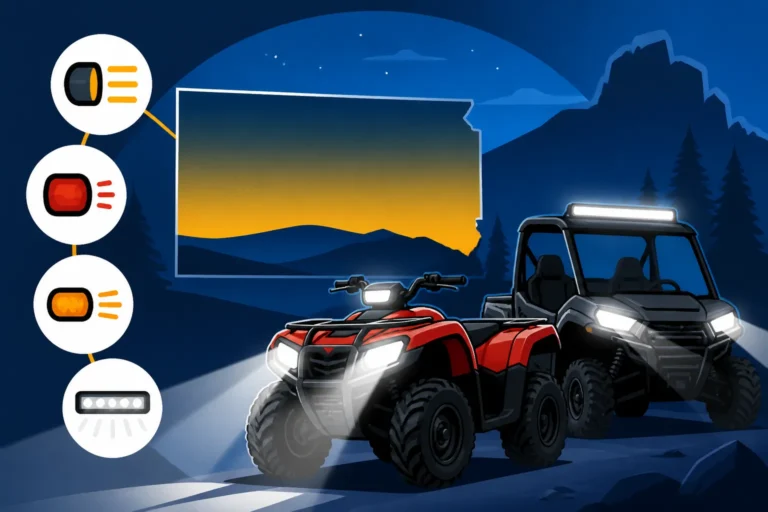
South Dakota Ditch Riding Rules
One of the most common questions I hear from fellow ATV and UTV enthusiasts, whether they're seasoned South Dakotans or visitors dreaming of exploring our beautiful state, revolves around ditch riding. It feels like a simple concept, doesn't it? Just sticking to the side of the road, out of the way of traffic. But the reality is, South Dakota's rules for riding in ditches are anything but simple, and misunderstanding them can quickly turn a fun day into a frustrating, and expensive, experience. This comprehensive guide is here to untangle the complexities, offering clear, actionable insights into what's allowed, what's not, and how to stay on the right side of the law while enjoying our expansive landscapes.
Understanding South Dakota's Core Ditch Riding Law
The concept of ditch riding often feels like a legal gray area, but in South Dakota, there’s a foundational principle that governs it. It’s not a blanket ban, nor is it a free-for-all. To really grasp the nuances, you need to understand the "legal until opt-out" approach and what the state actually considers a "ditch" in the first place.
The "Legal Until Opt-Out" Principle
Here's the critical starting point: in South Dakota, operating an ATV or UTV in the ditch of a public highway is generally legal by default, unless a specific county has taken action to prohibit it. This is a huge distinction from states where ditch riding is outright banned or requires explicit permission. For us riders, this means the onus is often on us to know which counties have decided to close their ditches. You can't just assume it's open everywhere, but you also don't have to assume it's closed everywhere. It creates a patchy map of legality, which can be incredibly frustrating if you're planning a trip across county lines or simply exploring new areas. Imagine you're out for a scenic ride, perhaps with a new set of SuperATV tires, enjoying the freedom of the open country, only to unknowingly cross into a county that has opted out. That moment of realization, usually signaled by flashing lights in your rearview mirror, is precisely what we want to help you avoid.
What Exactly is a Ditch for Riding Purposes?
When the law talks about riding in a "ditch," what exactly does that encompass? It's not just the very bottom where water collects. In South Dakota, the "ditch" generally refers to the area within the highway right-of-way that is not the paved or graveled travel lane. This includes the bottom of the ditch, the back-slope (the incline leading up from the ditch bottom to the fence line), and in some cases, even the shoulder. However, there's a specific limitation known as [South Dakota's Outer Edge Rule]. This rule dictates that you must stay as close to the outer edge of the highway right-of-way as is "reasonably possible." This means you shouldn't be hugging the pavement if there's ample room further out.
Think about it this way: when you're [Riding the Bottom of a Highway Ditch], you're typically well clear of traffic. As you move up to [Riding the Back-Slope of a Ditch], you're still within the legal definition of the ditch, but you need to be mindful of that outer edge rule. The intent is to keep you as far removed from the flow of vehicular traffic as possible, enhancing safety for everyone. It's not an invitation to ride parallel to cars on the shoulder; it's about utilizing the designated, less-trafficked portions of the right-of-way.
Exceptions and Limitations to Ditch Riding
While the "legal until opt-out" principle provides a general framework, it's crucial to understand the specific situations and locations where ditch riding is either explicitly forbidden or subject to additional rules. Ignoring these exceptions is where riders often get into trouble.
The County Opt-Out Process and How to Know
Counties in South Dakota have the authority to prohibit ATV/UTV operation in their highway ditches. This isn't a silent process; to make such a prohibition effective, the county must follow a specific procedure outlined in state law. This process involves public notice and, crucially for riders, the posting of regulatory signs. If a county has opted out, they are required to put up signs at the points where a highway enters their jurisdiction, clearly indicating that ditch riding is not allowed. So, how do you know if you're in an "opted-out" county? The best defense is a good offense:
- Look for Signs: Always be on the lookout for [Reading the Regulatory Sign at a Ditch Entrance] when entering a new county or area. These signs are your primary visual cue.
- Check Ahead: Before embarking on a long ride that crosses multiple counties, it's wise to check the websites of the respective county sheriffs' offices or county auditor's offices. Some counties might publish this information online, though it's not always consistently updated.
- The Opt-Out Process: Understanding [How a South Dakota County Opts Out of Ditch Riding] helps reinforce the importance of these signs. It's a formal decision, not a whim, and it carries legal weight.
Riding in a ditch where a county has opted out is akin to riding on a closed trail. It's a violation, and while the exact penalties can vary, you could face fines and other repercussions. It's always better to be safe than sorry, and a quick glance at a sign can save you a lot of headache.
Universal Prohibitions: Where You Absolutely Cannot Ride
Beyond county-specific bans, there are certain types of ditches and rights-of-way where ATV/UTV use is universally prohibited by state law, regardless of county action. These are non-negotiable zones for off-road vehicles.
- Interstate Ditches: Let's be unequivocally clear: you absolutely cannot ride an ATV or UTV in the ditches of interstate highways. The speeds are too high, the traffic volume is immense, and the risks are simply too great. This is a safety measure, plain and simple. [Why South Dakota Interstate Ditches Stay Closed] boils down to the inherent danger and the federal regulations that often apply to interstate corridors. Even if you see a wide, inviting ditch, resist the temptation.
- Designated Trails: South Dakota also prohibits ATV/UTV use in ditches that parallel certain designated non-motorized trails. For instance, [Why Snowmobile Trail Ditches Stay Closed] is often because those ditches are part of a winter-specific recreation corridor, and summer ATV use could damage the trail base or conflict with other users. Similarly, [Why Bike Trail Ditches Stay Closed] applies to paths like the Mickelson Trail, which are explicitly designed for bicycles and pedestrians. These areas are established for specific types of recreation, and motorized vehicles are excluded to maintain the intended user experience and safety.
- Crossing Exception: There's a crucial exception to ditch riding prohibitions, whether county-specific or universal: the ability to cross a highway. Even if a ditch is closed for continuous riding, [Why No South Dakota County May Bar a Crossing] is enshrined in law. This means you can typically cross a highway at a right angle to get from one legal riding area to another, or to access private property, as long as you do so safely and yield to traffic. This is a common-sense allowance that prevents riders from being completely cut off by a road.
Practical Considerations and Other Rules for Ditch Riders
Navigating the "where" of ditch riding is only part of the equation. There are also important considerations regarding "who" can ride, what your machine needs, and specific exemptions that apply to certain types of vehicles. These practical rules ensure safety and compliance for everyone.
Age Requirements and Supervision
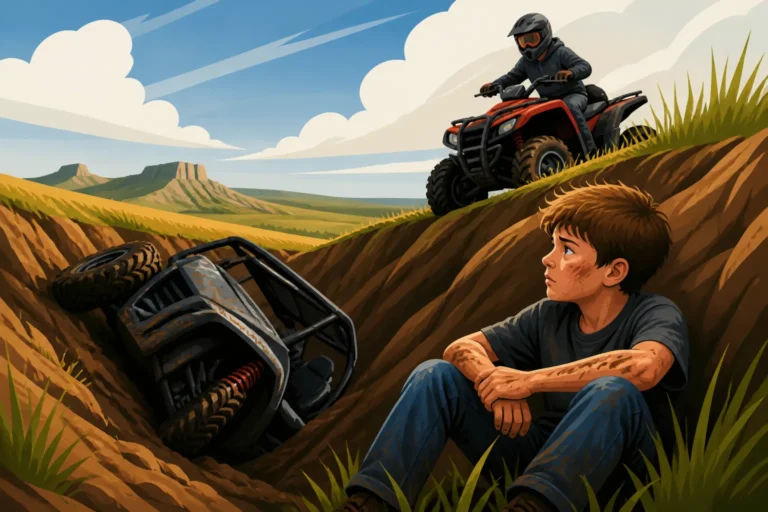
South Dakota has specific age requirements that apply to ATV/UTV operation, including ditch riding. It's not a free pass for younger riders, and adult supervision often plays a key role. The general rule for ditch riding is that a person must be at least 12 years old. This is often referred to as [South Dakota Minimum Age for Ditch Riding].
So, if you have a child who's eager to join you on a ditch adventure, remember the "Twelve Years Old in a South Dakota Ditch" rule. This age threshold is put in place for safety, recognizing the cognitive and physical demands of operating these machines, especially in proximity to roadways. Younger children should only operate ATVs or UTVs on private property with direct adult supervision and machines appropriate for their size and skill level. Always prioritize safety first; a ditch, even an empty one, is not a playground.
Vehicle Equipment and Licensing for Ditch Riding
When you're riding in a ditch, especially on public rights-of-way, your vehicle might not always need to meet the full suite of "street legal" requirements, but some basic equipment is still essential for safety and visibility. While the detailed rules for plating an ATV as a motorcycle are covered in [Are ATVs Street Legal in South Dakota?], for simple ditch riding, the focus shifts slightly.
Generally, for ditch riding only, your machine isn't considered "on the road" in the same way a plated vehicle would be. This often means you might not strictly need a license plate for just ditch use. However, you should always ensure your machine is in good working order. Headlights and brake lights are critical if there's any chance you'll be riding near dawn, dusk, or in low visibility. A horn can also be a valuable safety tool to alert others, even in a ditch. While SuperATV offers a wide range of performance and aesthetic upgrades, for basic ditch legality, functional safety equipment is paramount. Always check current local and state guidelines, as these can evolve, but basic visibility and control are always expected.
Understanding Exemptions for Certain Vehicles
It's important to know that not all vehicles are treated equally under South Dakota's ditch riding laws. Specifically, [Agricultural and Utility Vehicles Exempted] often have different rules. These exemptions are common sense, recognizing that farmers, ranchers, and utility workers frequently need to use ATVs and UTVs in highway ditches to perform their jobs.
Imagine a farmer needing to check fence lines that run along a highway, or a utility crew needing to access power poles or communication lines. Their work requires them to be in these areas. For these legitimate agricultural or utility purposes, these vehicles are generally exempt from many of the restrictions that apply to recreational riders. However, these exemptions are not a blank check; the vehicle must genuinely be used for its intended agricultural or utility purpose, and operators are still expected to exercise caution and adhere to safety practices. This means your recreational weekend ride with your [South Dakota ATV Title Paperwork] in hand is distinct from the work a local rancher does with their side-by-side.
Staying Legal and Safe While Ditch Riding
The key to enjoying South Dakota's ditches without incident is proactive knowledge and responsible riding. Don't wait until you're pulled over to figure out the rules. A little preparation goes a long way in ensuring your adventures remain fun and free of legal headaches.
Checking Local Regulations Before You Go
Because of the county-by-county opt-out system, checking local regulations isn't just a suggestion; it's a necessity. You can't assume every ditch is open, especially if you're traveling away from your usual riding grounds. Here’s how to be diligent:
- County Websites: Many county websites, particularly those for the county sheriff or auditor, might post information about local ordinances. It's not always easy to find, but it's a good place to start.
- County Offices: If you're planning a trip to a specific county and can't find information online, a quick phone call to the county sheriff's office or county treasurer's office (who also handles titles and other vehicle-related matters, like [Titling an ATV in South Dakota]) can provide clarity.
- Local Riders: Sometimes, the best source of information is local knowledge. If you know people who ride in the area, ask them. They often have the most up-to-date intel on local bans.
To give you a clearer picture, here's a hypothetical table illustrating how counties might differ in their ditch riding policies:
| County Type | Ditch Riding Status | How to Identify | Typical Scenario |
|---|---|---|---|
| Rural/Agricultural | Generally Open (unless signed otherwise) | Look for lack of specific ban signs | Common for accessing fields or ranch land. |
| Near Urban Areas | Often Closed | Explicit "No ATV" signs at county lines | Higher traffic, more residential areas. |
| Tourism-Heavy | Mixed; some areas open, some closed | Varying signs; check maps/websites | May protect scenic routes or high-pedestrian areas. |
| National Forest | Ditches follow USFS rules, not state/county | Check USFS MVUMs for specific roads | Focus on designated trails, not adjacent ditches. |
This table is illustrative; always verify for your specific route. Riding confidently comes from riding knowingly.
Encountering Law Enforcement and Avoiding Penalties
Even the most careful rider can find themselves in a situation where they encounter law enforcement. Knowing what to expect and how to conduct yourself can make a significant difference.
If you are stopped by a South Dakota Trooper or local sheriff's deputy while riding in a ditch, they will typically check for several things. Beyond making sure you are in a legal ditch, they will want to ensure your machine is safe and that you are operating it responsibly. This might include checking for proper operation, ensuring your machine isn't exceeding sound limits (especially relevant if you have aftermarket exhaust components from a company like SuperATV), and confirming you are not impaired.
What a [What a South Dakota Trooper Checks Roadside] can vary, but generally, they're looking for signs of unsafe operation, underage riding without supervision, or blatant disregard for posted signs. If you are found riding in a prohibited ditch, you could face [South Dakota Fines for Illegal ATV Road Use]. These fines can quickly add up, turning what was supposed to be a fun outing into a costly mistake. Always be polite, cooperative, and truthful. If you're unsure about a rule, it's better to ask an officer than to guess. Understanding these rules is not just about avoiding tickets; it's about being a responsible member of the riding community and ensuring these opportunities remain available for everyone.
Disclaimer
This article is for general informational purposes only and does not constitute professional advice. Laws, prices and regulations vary by location and change over time. Consult a qualified professional for guidance on your specific situation.