South Dakota Minimum Age for Ditch Riding
It's incredibly frustrating when you're trying to figure out the rules for riding ATVs and UTVs in South Dakota, especially when you have younger family members eager to hit the trails or simply get from point A to point B on a rural road. The age limits, particularly for ditch riding, can feel like a confusing maze of regulations that aren't always clearly explained. This guide is here to untangle those rules, specifically focusing on the minimum age for ditch riding in South Dakota, so you can ride safely and legally with peace of mind.
The Twelve-Year-Old Rule for Ditch Riding in South Dakota
Let's get straight to the heart of the matter: in South Dakota, the minimum age to legally operate an off-road vehicle (ORV) in a highway ditch is twelve years old. This isn't just an arbitrary number; it's a specific designation made in state law that aims to balance recreational opportunities with safety for younger riders. For many families, particularly those living in rural areas, ditch riding is a common way to travel short distances, access fields, or simply enjoy the outdoors. However, this privilege comes with clear guidelines that must be respected.
The intent behind this rule is twofold: to ensure that riders have a certain level of maturity and physical capability to safely control an ORV, and to mitigate risks on public rights-of-way. A twelve-year-old is generally presumed to have developed the necessary motor skills and judgment to handle a machine, albeit with the understanding that they are still young and likely learning. This rule applies whether they are on a utility vehicle (UTV) or a quad (ATV), as long as it falls under [What South Dakota Counts as an Off-Road Vehicle]. It's not about prohibiting fun, but about ensuring that the youngest riders out there are given a legal framework that prioritizes their safety and the safety of others sharing the road.
Understanding the "Right of Way" for Young Riders
When we talk about "ditch riding" in South Dakota, we're specifically referring to riding within the public right-of-way adjacent to a maintained road or highway. This generally means the area from the edge of the graded roadway, across the shoulder, and down into the ditch itself, often extending to the fence line or property boundary. [South Dakota Ditch Riding Rules] cover this extensively. It's important to differentiate this from private property, where landowner rules might apply, or designated off-road trails, which have their own set of age and permit requirements.
For a twelve-year-old, understanding the confines of this "right of way" is crucial. They are permitted to ride in the bottom of the ditch and on the back slope, which is the part of the ditch furthest from the road. They are generally not permitted to ride on the paved or gravel surface of the road itself, nor on the immediate shoulder, unless a specific obstruction in the ditch forces them out, and even then, it's typically for the shortest possible distance to bypass the obstruction. This distinction is vital for safety, as vehicles on the main roadway are often traveling at much higher speeds. Teaching a young rider to stay within the designated ditch area is perhaps the most important lesson you can impart for their safety and legal compliance.
Supervision Requirements for Underage Riders
While the law states that a twelve-year-old can operate an ORV in a ditch, it doesn't explicitly mandate direct adult supervision in all instances. However, common sense and the spirit of safety strongly suggest that young riders, especially those new to operating an ORV, should always be supervised. Imagine a situation where a young rider encounters an unexpected obstacle, or perhaps another vehicle in the ditch – an experienced adult can provide immediate guidance and intervention. [South Dakota Supervision Rules for Young Riders] are often left to the parents' discretion on public land where explicit rules aren't stated, but the responsibility for the child's safety and adherence to the law ultimately falls on the adult.
Even if not legally required to be right there with them, ensuring that a young rider has proper training, understands the rules, and is riding a machine appropriate for their size and skill level is paramount. Many parents choose to ride alongside their children, or at least keep them within sight, especially on unfamiliar terrain or near busy roads. This isn't about being overprotective; it's about being proactive. Aftermarket parts from companies like SuperATV can even help customize a machine to better fit a smaller rider, improving control and safety. A quick conversation with your child before each ride about potential hazards and adherence to the ditch limits can make a world of difference.
Where Ditch Riding is Permitted and Prohibited for Young Riders
The rule about [Twelve Years Old in a South Dakota Ditch] is generally statewide, but there are important nuances when it comes to where ditch riding is actually allowed. South Dakota has a unique provision where individual counties can, by ordinance, opt out of allowing ditch riding within their jurisdiction. This means that while a twelve-year-old can ride in a ditch by state law, they might not be able to in every single county.
This local control can create confusion for riders traveling across county lines. It's not always obvious when you've crossed into a county with different rules, which is why it's incredibly important to do your homework before heading out, especially with a young rider. Imagine planning a fun family ride, only to find yourselves on the wrong side of the law because you didn't check the local county ordinances. It's a frustrating situation that's entirely avoidable with a bit of planning.
How Counties Can Ban Ditch Riding But Not Crossings
So, how exactly does a county opt out? [How a South Dakota County Opts Out of Ditch Riding] involves a formal process by the county commission to pass an ordinance. If a county has opted out, they are generally required to post regulatory signs at primary ingress points into the county and along the right-of-way where the ban is in effect. These signs are your clearest indicator that ditch riding is prohibited. If you don't see a sign, it's generally safe to assume ditch riding is permitted under state law, but always double-check if you're unsure.
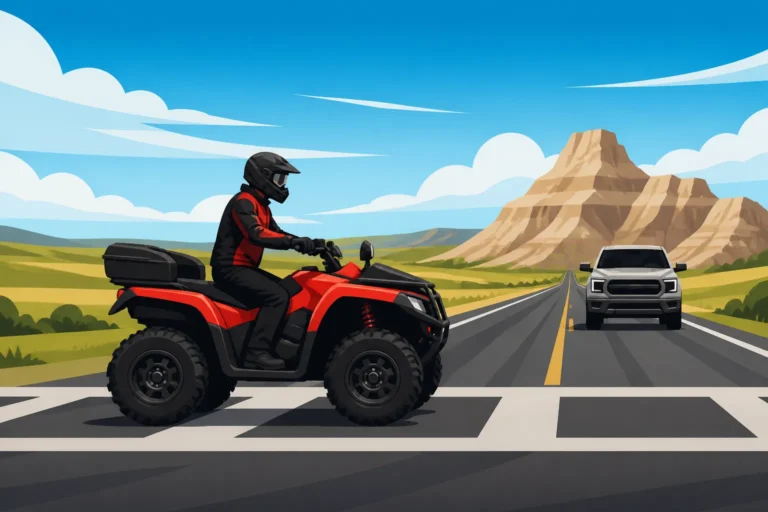
What counties cannot do, however, is prohibit a rider from crossing a highway. [Why No South Dakota County May Bar a Crossing] is a crucial distinction. Even in a county that has banned ditch riding, an ORV operator, including a twelve-year-old who meets the age requirement, is still permitted to cross a highway at a right angle after coming to a complete stop and yielding to all traffic. This is essential for accessing different sections of land, trail systems, or even just getting home. So, while your young rider might not be able to cruise down the ditch, they can still legally cross the road if done safely and appropriately.
Specific No-Go Zones for All Riders, Including Youth
Beyond county-level bans, there are certain areas where ditch riding is universally prohibited for all ORV operators, regardless of age. These rules are in place for safety and environmental protection and apply equally to experienced adults and twelve-year-olds on their first ditch ride.
Here are some key "no-go zones":
- Interstate Highways: You absolutely cannot ride an ORV in the ditch or on the right-of-way of an interstate highway. [South Dakota's Interstate Ban] is strict and for very good reason – the speeds are too high, and the risk is immense.
- Designated Snowmobile or Bike Trails: Ditches that are part of an established snowmobile trail or a recreational bike path are generally off-limits for ORVs, even if they appear to be a simple ditch. These areas have specific purposes and often separate user groups.
- Within City or Town Limits: Most municipalities have ordinances prohibiting ORV use in ditches or on streets within their corporate boundaries, unless specifically designated for such use or for specific purposes like crossing. Always check local city ordinances if you plan to ride within a town's vicinity.
- Environmentally Sensitive Areas: Some ditches might run through or adjacent to wetlands, wildlife habitats, or other sensitive areas where ORV use is restricted to prevent damage to the ecosystem.
It’s paramount that young riders are taught to recognize and respect these boundaries. If a young rider is using a machine from a brand like SuperATV, ensuring they're familiar with all its controls and capable of operating it safely in varied conditions is also key to navigating these areas responsibly. A good practice is to always carry a map, or at least have a clear understanding of the planned route, and be aware of any signs indicating restrictions.
Other Important Rules for Young Ditch Riders in South Dakota
Beyond just the age limit, there are other crucial rules and considerations that apply to young riders operating ORVs in South Dakota's ditches. These aren't just suggestions; they are part of a comprehensive framework designed to keep everyone safe and preserve access to these riding opportunities. Ignoring these can lead to fines, citations, and put the rider in unnecessary danger.
It's tempting for kids to just hop on and go, but as the supervising adult, it’s our responsibility to instill these habits from the beginning. Think of it as teaching them the "rules of the road," even if that road is a ditch!
Equipment and Safety Gear for Youthful Riders
South Dakota has specific requirements for safety gear that apply to ditch riders, and these are particularly important for younger operators.
- Helmets: While adults over 18 are not required to wear a helmet when operating an ORV in South Dakota, riders under the age of eighteen (18) are mandated to wear a protective helmet. This is non-negotiable for a twelve-year-old. A properly fitted helmet can be the difference between a minor bump and a serious head injury. Ensure the helmet meets safety standards, fits snugly, and is fastened correctly. You can learn more about this in [South Dakota Helmet Rules for ATV Riders].
- Eye Protection: All ORV operators, regardless of age, are required to wear eye protection when riding in South Dakota. This means goggles, a face shield on a helmet, or eyeglasses are necessary. Dust, gravel, insects, and low-hanging branches can all become serious hazards to vision. [South Dakota Eye Protection Rules for Riders] are in place to prevent preventable eye injuries.
- Appropriate Footwear and Clothing: While not specifically legislated, common sense dictates that riders should wear sturdy shoes or boots, long pants, and long sleeves to protect against scrapes, burns, and other injuries. Open-toed shoes or shorts are simply not safe for ORV operation.
When outfitting a young rider, don't skimp on safety gear. It's an investment in their well-being. Even if you're just planning a short, slow ride in a familiar ditch, proper gear is essential every single time. Sometimes, fitting a youth-sized machine or modifying a full-size one for a smaller rider might involve aftermarket parts, and looking to brands like SuperATV for appropriate accessories can be a good idea, but always prioritize safety and fit.
What Happens if a Young Rider Breaks the Rules
Breaking the rules, even by accident, can have consequences. If a twelve-year-old (or any rider, for that matter) is caught operating an ORV illegally in a South Dakota ditch – perhaps riding in a prohibited county, without a helmet, or driving recklessly – they could face a citation. These citations typically go to the supervising adult or the owner of the machine if the rider is a minor.
Penalties can vary depending on the specific infraction, but they often involve fines. More importantly, repeated violations could lead to more serious repercussions or even impact future riding privileges. It's not just about the monetary cost; it's about the safety risk and the potential for a negative interaction with law enforcement. It's far better to educate young riders thoroughly and ensure they understand the importance of compliance. This understanding helps them become responsible riders who respect the rules and the environment.
The Difference Between Ditch Riding and Forest Trails for Kids
It's vital to distinguish between ditch riding and riding on designated off-road trails, particularly those found in the Black Hills National Forest or state-managed OHV areas like Oahe Downstream. While ditch riding has a minimum age of twelve, specific trails and public lands may have different requirements.
For instance, [South Dakota Minimum Age to Ride Public Land] can sometimes refer to specific rules set by the land management agency, such as the Forest Service, which might align with or differ slightly from state ditch riding laws. Generally, on designated public trails, the rules regarding helmets and appropriate machine use are strictly enforced. Furthermore, many of these trails require a [Black Hills Motorized Trail Permit] which is a separate requirement from simply riding in a ditch.
It’s easy to think that if you can ride in a ditch, you can ride anywhere. This is a common misconception. Forest trails are often more challenging, feature varied terrain, and have specific width restrictions that might not apply to ditch riding. Always check the rules for the specific area you plan to ride, especially when bringing children. This due diligence ensures that your young rider has a safe and enjoyable experience without running afoul of different regulations.
| Rule/Area | Ditch Riding (South Dakota) | Designated Black Hills Forest Trails |
|---|---|---|
| Minimum Age | 12 years old | Varies by trail/land agency; 12 years common for ORV operation |
| Helmet Required (Under 18) | Yes | Yes |
| Eye Protection Required | Yes | Yes |
| Trail Permit Required | No | Yes (Black Hills Motorized Trail Permit) |
| County Opt-Out Possible | Yes | No (Federal/State land rules apply) |
| Supervision Recommended | Yes (common sense) | Yes (common sense, sometimes enforced) |
| Vehicle Type | ATV/UTV (as defined by state) | ATV/UTV (with width limits) |
This article is for general informational purposes only and does not constitute professional advice. Laws, prices and regulations vary by location and change over time. Consult a qualified professional for guidance on your specific situation.