South Dakota’s Park Access Fee and a Plate
Many South Dakota ATV and UTV owners assume that once their machine is street legal and sporting a shiny motorcycle plate, they're free to roam all public lands, including state parks. The reality, however, is a bit more nuanced, and overlooking the specific park access fees can lead to unexpected frustration and even fines. This guide will clarify how South Dakota's park access fees interact with your plated off-road vehicle, ensuring you can enjoy all the state has to offer without any unwelcome surprises.
Understanding South Dakota's Approach to Park Access and Plated Machines
It’s a common misconception that getting your ATV or UTV plated for street legal use in South Dakota automatically grants you access to every corner of public land. While a license plate certainly broadens where you can ride—primarily on designated roads—it doesn't universally negate other site-specific fees or permits. Different agencies manage different types of land, and each often has its own set of rules and, crucially, its own revenue streams to maintain those lands.
The General Rule: Plate or Permit?
In South Dakota, a vehicle plate, whether for a car, motorcycle, or a street-legal ATV/UTV, primarily signifies that the machine meets the requirements for road use as defined by the state's Department of Motor Vehicles. This involves things like mirrors, turn signals, and proper lighting. However, a plate does not automatically equate to a "free pass" for recreational access to state parks, certain Game, Fish and Parks (GFP) areas, or federal lands like the Black Hills National Forest. These areas often operate under separate funding models, which require additional fees or permits to cover operational costs, maintenance, and facility improvements.
Consider it this way: when you drive your car into a state park, you still pay an entrance fee, even though your car is perfectly street legal and plated. The same principle often applies to your plated ATV or UTV. The plate allows you to legally drive to the park entrance on public roads, but once you cross that threshold into a managed recreational area, different rules and fees may kick in. It’s crucial to understand this distinction to avoid any missteps during your adventures across the state.
Why a Plate Isn't Always a Golden Ticket
The distinction between road legality and specific land use regulations is fundamental to understanding South Dakota's system. Your ATV or UTV might meet all the criteria to be considered a motorcycle for plating purposes, allowing you to ride it on public roads and highways (where permitted) just like any other street-legal vehicle. This is incredibly convenient for connecting trails or getting from your campsite to a nearby town. However, this road-legal status doesn't inherently cover the costs associated with maintaining specific park facilities, trail systems, or conservation efforts within designated recreational areas.
State parks, for instance, rely on entrance fees to fund everything from picnic area upkeep and restroom maintenance to trail development and interpretive programs. These fees are typically collected from all vehicles entering the park, regardless of their registration type, because the service being provided (access to park amenities and managed land) is distinct from the right to operate a vehicle on a public roadway. Similarly, while a plate might allow you to travel on established forest roads within federal lands, specific motorized trail systems might require an additional trail permit to ensure those dedicated trails are maintained for off-road enthusiasts. This layered approach ensures that the specific recreational infrastructure you use is adequately funded.
Diving Deep into South Dakota State Parks
South Dakota's state parks are jewels, offering incredible scenic beauty and recreational opportunities. From the rugged Badlands to the pristine lakes and, of course, the stunning Black Hills, these parks are immensely popular. However, accessing them with your plated ATV or UTV comes with specific requirements beyond just having a street-legal machine.
The South Dakota State Park Entrance License
To access any South Dakota State Park, Recreation Area, or Nature Area, you are required to purchase an entrance license. This isn't a fee for your vehicle's registration status, but rather a fee for access to the park's facilities and managed lands. This license applies to all vehicles, whether they are cars, pickup trucks, motorcycles, or your plated ATV/UTV. It's a fundamental aspect of funding the care and maintenance of these cherished natural spaces. You can usually purchase these licenses as either a daily pass for a single visit or an annual pass if you plan on visiting state parks frequently throughout the year.
The purpose of this fee is straightforward: it directly contributes to the operational budget of the state park system. This money helps fund ranger salaries, facility upgrades, trail maintenance, waste management, and environmental programs. Without these entrance fees, the quality of experience and the preservation efforts within the parks would be severely hampered. So, even though your machine is plated and ready for the road, once you turn off the highway and into a state park, be prepared to present or purchase this separate entrance license.
Custer State Park: A Prime Example
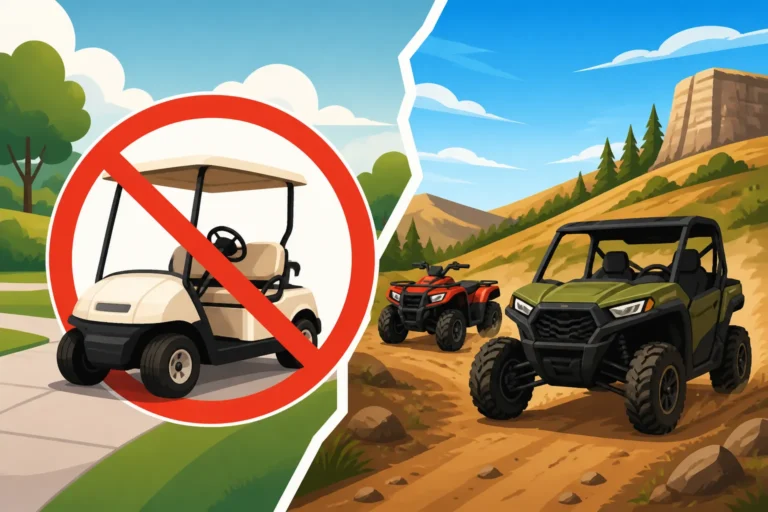
Custer State Park stands out as one of South Dakota's most iconic and heavily visited state parks, and it perfectly illustrates the need for a separate park entrance license, even for plated machines. [Custer State Park and a Plated Machine] Imagine you've outfitted your UTV with all the necessary street-legal components from a reputable provider like SuperATV – mirrors, turn signals, horn – and you've successfully obtained your South Dakota motorcycle plate. You're cruising down US-16A, enjoying the scenic Black Hills, and decide to enter Custer State Park to explore the wildlife loop or access one of its many beautiful trails (where motorized use is permitted).
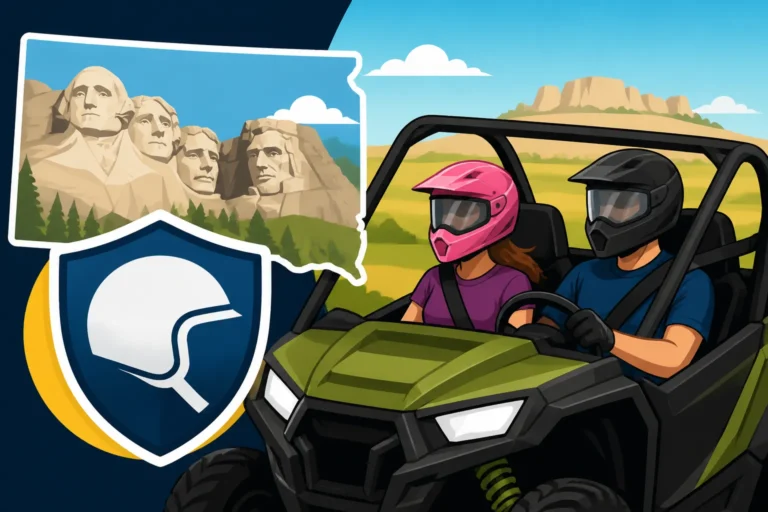
As you approach the park entrance station, the park ranger will still require you to present a valid Custer State Park entrance license or purchase one on the spot. Your motorcycle plate confirms your machine is legal for road travel outside the park, but it does not cover the park's specific access fee. This license, which can be a daily or annual pass, is essential for every vehicle entering the park, irrespective of whether it's a family sedan, a touring motorcycle, or your plated side-by-side. The revenue generated by these licenses directly supports the park's extensive infrastructure, wildlife management programs, and the maintenance of its numerous attractions, from Sylvan Lake to the Needles Highway. [Riding Into Custer State Park With a Plate]
Navigating Other Public Lands with a Plated Machine
Beyond state parks, South Dakota offers a wealth of other public lands, including those managed by Game, Fish and Parks (GFP) and federal agencies like the US Forest Service. Each of these entities has its own set of rules regarding vehicle access and permits, which often interact differently with your plated ATV or UTV.
Riding GFP Land on a Plated Machine
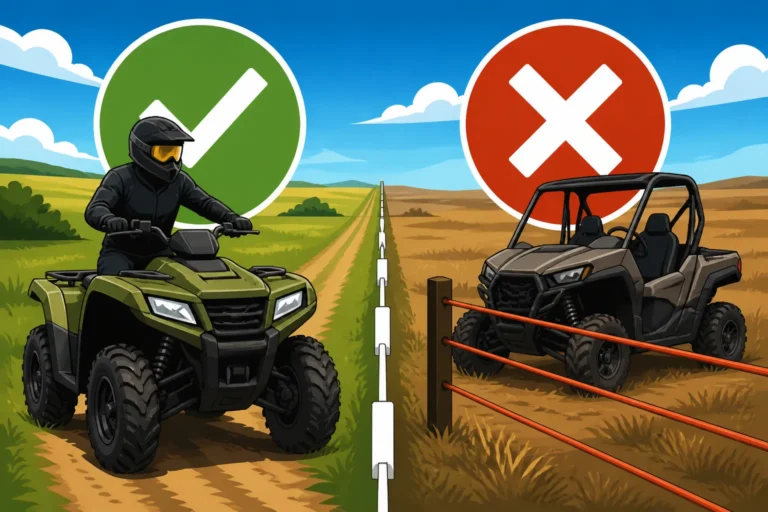
South Dakota Game, Fish and Parks (GFP) manages a variety of lands, including wildlife production areas, fishing access sites, and some designated OHV riding areas. The rules for plated ATVs and UTVs on GFP land can be a bit of a mixed bag, depending on the specific area and its designated purpose. Generally, if a GFP area has a public road running through it, your plated machine can travel on that road just like any other street-legal vehicle. However, the moment you intend to leave a designated road and ride on trails or cross-country within a GFP managed area, you need to be very aware of specific regulations. [Riding GFP Land on a Machine]
Some GFP lands are specifically managed for hunting, fishing, or wildlife observation and may have strict rules against off-road vehicle use, even for plated machines. Conversely, areas like the Oahe Downstream OHV Area or Revheim Bay OHV Area are specifically designed for off-road recreation. Within these dedicated OHV areas, a plate isn't necessarily what grants you access to the trails; rather, it's the fact that it's a designated riding area. Often, there might be separate access fees or permits specific to these OHV areas, regardless of your plate status, to cover the costs of trail development and safety. Always check the specific rules for the particular GFP area you plan to visit, as they can vary significantly.
Federal Lands: Black Hills National Forest Considerations
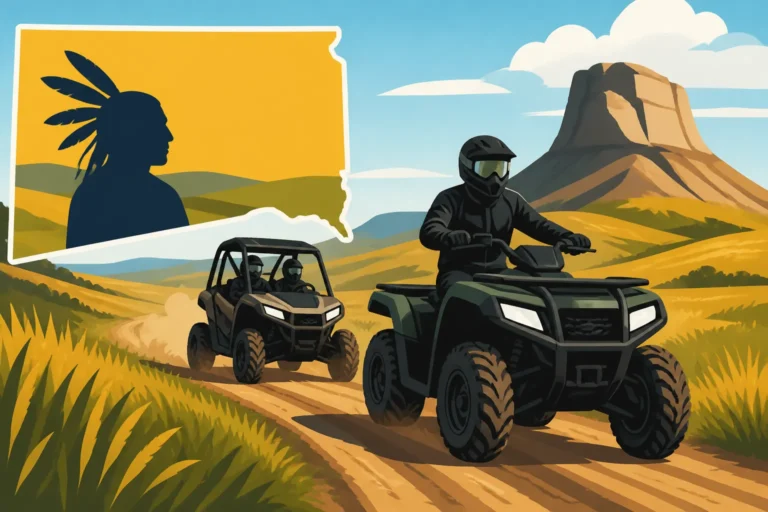
The Black Hills National Forest is a vast and popular destination for ATV and UTV riders, offering thousands of miles of roads and trails. This is where the distinction between a plate and a trail permit becomes particularly important. If your ATV or UTV is street legal and has a South Dakota motorcycle plate, you are generally allowed to ride on the system roads within the Black Hills National Forest, much like any other licensed vehicle. These are typically gravel roads, old logging roads, and other routes that are part of the designated forest road system. [The Black Hills National Forest in South Dakota]
However, the vast network of motorized trails within the Black Hills National Forest, which are specifically designed for off-road vehicle use, requires an additional permit: the Black Hills Motorized Trail Permit. This permit is separate from your vehicle registration or license plate. So, while your plate lets you drive your machine down a forest road to get to a trailhead, you'll need the trail permit affixed to your machine to actually ride on the designated motorized trails. [Do You Need a Permit on a Black Hills Road?] The funds from this permit go directly to maintaining and improving the trail system, ensuring sustainable access for riders. [Do You Need a Permit on a Black Hills Trail?] Always ensure you have both if you plan to utilize both the roads and the trails, and check for any trail closures due to weather or fire danger. Companies like SuperATV offer robust components like skid plates and winches that can significantly enhance the durability and capability of your plated machine for these varied federal lands.
What South Dakota Troopers Look For Roadside
When you're out riding your street-legal ATV or UTV in South Dakota, whether on a county gravel road or connecting segments of a state highway (where allowed), law enforcement officers, including South Dakota Highway Patrol troopers and county sheriffs, are looking for specific compliance points. Understanding these can save you a lot of hassle and potential fines.
Checking for Proper Plates and Decals
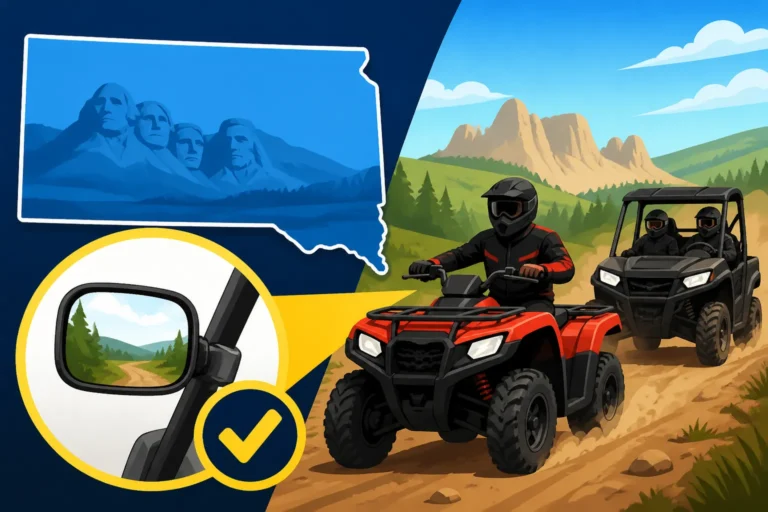
When a South Dakota trooper pulls over an ATV or UTV, one of the first things they'll check is for proper registration and display of your license plate. Your machine must clearly display a valid South Dakota motorcycle plate, and it needs to be securely mounted and visible from the rear, just like any other motor vehicle. The plate confirms that your machine has met the state's requirements for street legality, including proper lights, mirrors, and a horn. Beyond the plate itself, troopers will also look for other required decals, especially if you're riding on federal or state lands that mandate specific permits. For instance, if you're on a Black Hills National Forest motorized trail, the officer will expect to see the current Black Hills Motorized Trail Permit decal affixed to your machine. [What a South Dakota Trooper Checks Roadside]
Officers are also checking to ensure that the driver has a valid driver's license (which is required to operate a plated ATV/UTV on public roads) and any other necessary documentation, such as proof of insurance. They're ensuring that the vehicle itself is compliant with the equipment requirements for street legality. Things like having working headlights, taillights, brake lights, turn signals, a rearview mirror (or mirrors), and a horn are all part of the inspection. If you've upgraded your machine with components from a brand like SuperATV to make it street legal, ensure all these components are functioning correctly before you head out.
Understanding the Consequences of Non-Compliance
Ignoring South Dakota's vehicle registration and access permit rules can lead to more than just a stern talking-to. The consequences of non-compliance can range from minor citations to significant fines, and in some cases, even impoundment of your vehicle. For instance, operating a street-legal ATV/UTV on public roads without a valid license plate or proper registration can result in a traffic citation, similar to driving an unregistered car. These fines can add up quickly, especially if combined with other violations.
If you're caught riding on designated motorized trails within the Black Hills National Forest or other permitted areas without the required trail permit, you could face fines specific to federal or state land use regulations. Similarly, attempting to enter a state park without a valid park entrance license, even with a plated machine, will at the very least require you to purchase one on the spot, and in some instances, may lead to a penalty or refusal of entry. It’s always far better and less expensive to do your homework and ensure all your paperwork and permits are in order before you load up and hit the road or trail. A little planning goes a long way in ensuring your ride is enjoyable and hassle-free.
Practical Advice for South Dakota ATV/UTV Riders
Riding in South Dakota offers some of the most diverse and breathtaking scenery in the country. To truly make the most of your experience, especially with a street-legal ATV or UTV, a little preparation and foresight can prevent a lot of headaches.
Planning Your Ride: Pre-Trip Checklist
Before you even think about firing up your engine, a thorough pre-trip checklist is your best friend. Start by identifying where you plan to ride. Are you sticking to state highways and county roads? Heading into a state park? Or venturing onto the motorized trails of the Black Hills National Forest? Each of these environments has distinct requirements. For state parks, confirm you have your park entrance license, either a daily or annual pass. For federal lands with designated trails, make sure your Black Hills Motorized Trail Permit is current and properly displayed. [South Dakota Street Legal ATV Requirements]
Secondly, always check the websites of the relevant managing agencies (South Dakota Game, Fish and Parks, US Forest Service, State Parks) for current conditions, closures, and updated regulations. Forest roads and trails, especially in the Black Hills, can be subject to seasonal closures, fire restrictions, or temporary closures due to maintenance or weather. There's nothing worse than trailering your machine hundreds of miles only to find your intended riding area is closed. Finally, ensure your street-legal machine itself is in good working order, with all lights, signals, and safety equipment functioning properly.
Equipping Your Machine for Diverse Riding
Having a street-legal ATV or UTV opens up a world of riding possibilities, but it also means your machine needs to be versatile enough to handle both road conditions and off-road environments. Beyond the basic street-legal conversion components like mirrors, turn signals, and a horn, consider other accessories that enhance both safety and capability for diverse riding. For instance, if you plan to spend time on gravel roads or dusty trails, a good set of aggressive tires that are still DOT-approved can make a huge difference in traction and comfort.
Companies like SuperATV offer a wide range of accessories that cater to this versatility. This might include robust windshields for protection on the road and trail, durable storage solutions for carrying extra gear (and all those permits!), or even upgraded suspension components to smooth out the bumps on uneven terrain while still performing well on pavement. Think about your typical riding style: do you need a winch for self-recovery on remote trails? Extra lighting for early morning or late evening rides on less-traveled roads? Equipping your machine thoughtfully ensures that you're prepared for whatever South Dakota's diverse landscapes throw your way, making every ride more enjoyable and secure.
| Public Land Type | Primary Purpose | Plate Requirement (for roads) | Additional Fee/Permit for Access | Key Takeaway |
|---|---|---|---|---|
| South Dakota State Parks | Recreation, conservation, public enjoyment | Yes | State Park Entrance License | Plate allows road travel to park; park entrance requires separate fee. |
| GFP Lands (General) | Wildlife management, fishing, hunting | Yes (on designated roads) | Varies by specific area/activity | Plate allows road travel; check specific rules for off-road use/access fees. |
| Black Hills National Forest | Multi-use, recreation, timber | Yes (on forest roads) | Black Hills Motorized Trail Permit | Plate allows road travel; trail riding requires specific trail permit. |
| Public Roads (general) | Transportation | Yes | None | Plate makes machine street legal for road use as permitted by state law. |
Disclaimer
This article is for general informational purposes only and does not constitute professional advice. Laws, prices and regulations vary by location and change over time. Consult a qualified professional for guidance on your specific situation.