South Dakota Helmet Law for ATV Riders
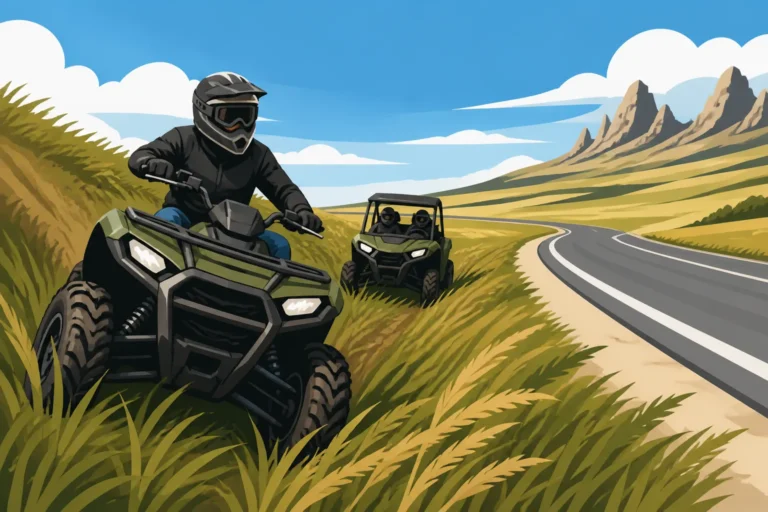
Picture this: you're revving up your ATV for a ride through the stunning Black Hills, or maybe just across your own acreage, and a thought pops into your head – "Do I actually need to wear a helmet here?" It's a common question, and frankly, the rules around ATV helmets in South Dakota can feel a bit like navigating a maze. This guide is here to untangle that confusion, offering clear, empathetic, and realistic insights into South Dakota's helmet laws for ATV riders, so you can ride confidently and safely.
Understanding South Dakota's Helmet Requirements for ATV Riders
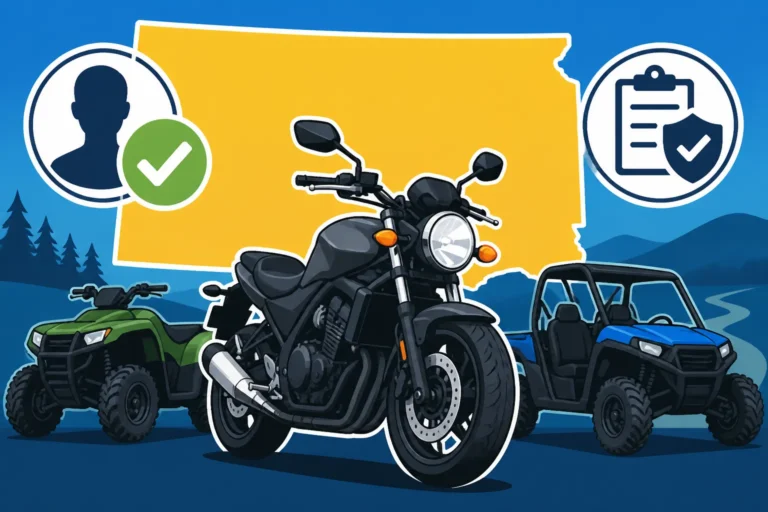
Alright, let's get straight to the heart of the matter. South Dakota has specific rules about who needs to wear a helmet when riding an ATV, and it mostly comes down to age. Unlike some states where everyone, regardless of age, is mandated to wear a helmet, South Dakota carves out a significant exception.
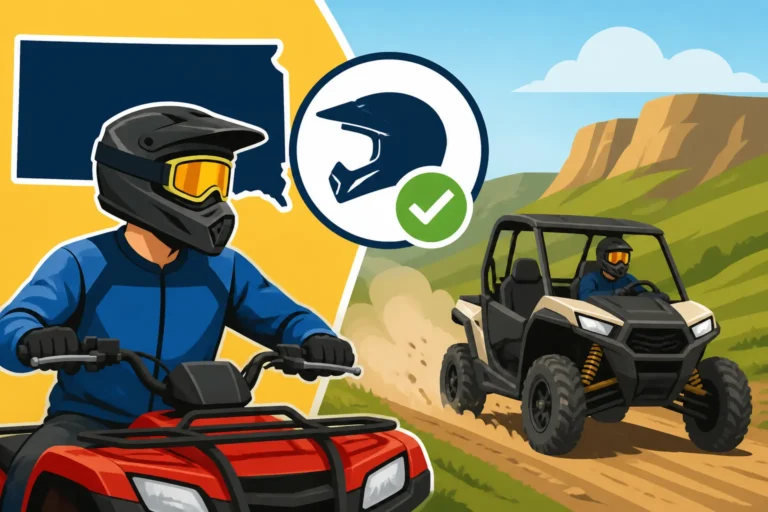
The general rule is that anyone under the age of 18 must wear a helmet when operating or riding as a passenger on an ATV. This isn't just a suggestion; it's a legal requirement. For parents and guardians, this means that if your child, grandchild, or any young person you're supervising is on an ATV, a properly fitted and DOT-approved helmet is non-negotiable. This rule applies whether you're cruising on designated trails, crossing a ditch, or even just riding around private property if it's accessible to the public or if you're engaging in activities that might put you in contact with law enforcement. It’s all about protecting our youngest riders, whose developing brains are particularly vulnerable to head injuries in the event of an accident.
Think about a family outing near Custer, with the kids eager to explore. If your 14-year-old is at the controls of a youth-sized quad, or your 16-year-old is riding shotgun in a side-by-side, they absolutely need to be wearing their helmets. Ignoring this rule isn't just a risk to their safety; it can also lead to legal trouble. It's a common mistake for new riders or visitors to assume "off-road" means "no rules," but that's simply not the case, especially when it comes to the safety of minors.
Why Helmets Are So Crucial for Young Riders
It might seem like a no-brainer, but it's worth reiterating: helmets save lives and prevent severe injuries. For children and teenagers, the risks associated with ATV accidents are particularly high. Their judgment might not be fully developed, and their reaction times can be slower than an experienced adult's. A helmet provides a critical layer of protection against impacts, whether from a fall, a collision with an obstacle, or another vehicle. Even a seemingly minor tumble can have serious consequences without head protection.
Consider a scenario where a 15-year-old is learning to navigate a tricky patch of gravel on a trail near Spearfish. They might misjudge the terrain, hit a rut, and lose control, causing the ATV to tip. In such a situation, a helmet can be the difference between walking away with a few scrapes and facing a severe head injury. [South Dakota Helmet Rules for ATV Riders] are designed with these very real dangers in mind. It's not about stifling fun; it's about ensuring that the fun is as safe as possible for those who are still growing and learning. Many parents invest in high-quality helmets, often from brands known for their protective gear, to give their kids the best possible start in riding.
Helmet Rules for Passengers
The helmet law doesn't just apply to the operator; it extends to passengers as well. If you have a passenger under the age of 18 riding with you on an ATV or UTV, they also fall under the helmet mandate. This is a detail that sometimes gets overlooked, especially with UTVs that can carry multiple passengers. It's easy to assume that because they're "inside" the vehicle, they're automatically safer, but UTVs can still roll over, and passengers can be ejected or hit by debris.
Imagine you're taking your niece and nephew for a ride on your side-by-side through some open fields in eastern South Dakota. Your nephew, 10, is in the front, and your niece, 14, is in the back. Both of them, by South Dakota law, must be wearing DOT-approved helmets. This ensures that everyone under the legal age is protected, regardless of their seating position. It underscores the comprehensive nature of the state's safety regulations for young riders. You can find more specific details on this in [South Dakota Helmet Law for Passengers].
Who Needs a Helmet and Who Doesn't: Key Exemptions and Scenarios
Now for the part many adult riders are curious about: the exemption. In South Dakota, if you are 18 years of age or older, you are generally not legally required to wear a helmet when operating an ATV or UTV. This is where South Dakota differs from states with universal helmet laws. For many adult residents and visitors, this means they have the personal choice to wear a helmet or not.
However, "not legally required" doesn't mean "not recommended." This is a crucial distinction. While the law grants adults the freedom to choose, the risks of head injury remain the same regardless of age. Many experienced riders, even those well over 18, still opt to wear helmets, especially when tackling challenging terrain or riding at higher speeds. They understand that even with years of experience, accidents can happen quickly and unexpectedly. [Why Helmets Stop Being Required at Eighteen] delves into the legislative reasoning behind this age cutoff.
The Adult Exemption: A Matter of Choice, Not Safety Guarantee
So, if you're 18 or older, you won't be ticketed for not wearing a helmet on your ATV in South Dakota. This applies whether you're riding on public trails in the Black Hills National Forest, navigating agricultural land, or using your machine for utility tasks around your property. It's a freedom many appreciate, allowing for a breezier ride on hot summer days or a less encumbered feeling when working.
However, it's vital to weigh this freedom against the potential consequences. A severe head injury can be life-altering, leading to long-term medical issues, financial burdens, and a significant decrease in quality of life. The choice to forego a helmet is a personal one, but it comes with significant risk. Many riders find that a lightweight, well-ventilated helmet, perhaps from a reputable brand like SuperATV, offers comfort without compromising safety, especially when they're hitting the more aggressive trails.
Riding on Private vs. Public Land
The helmet laws primarily apply to public lands, designated trails, and any areas where state laws can be enforced, which often includes crossing public roadways or ditches. However, even on private property, if you're under 18, the helmet law still generally holds true. The spirit of the law is to protect young people regardless of where they're riding.
For adults on private land, the decision becomes even more personal. A rancher using their ATV to check fences might feel less compelled to wear a helmet than someone embarking on a high-speed joyride. Yet, the same physics of impact apply. A fall from an ATV at 15 mph on a gravel path can be just as dangerous as a fall on a forest trail. Owners of private land can also set their own rules. If you're riding on someone else's private property, they might require all riders, regardless of age, to wear helmets as a condition of entry. Always clarify the landowner's specific rules before you ride.
Beyond the Helmet: Other Essential Safety Gear for South Dakota Riders
While helmets are a critical piece of safety equipment, they are just one component of a comprehensive approach to rider safety. South Dakota also has regulations and strong recommendations for other protective gear, ensuring a safer riding experience for everyone.
Eye Protection: A Universal Need
One piece of gear that is virtually universally recommended, and often legally required in specific situations (like when riding on public roads if your ATV is street-legal), is eye protection. Flying dust, gravel, insects, branches, and even unexpected rain can impair your vision, leading to dangerous situations. A sudden loss of sight at speed can cause you to veer off course, hit an obstacle, or lose control.
Whether it's a full-face helmet with a visor, riding goggles, or shatter-resistant glasses, keeping your eyes protected is non-negotiable. Even when wearing an open-face helmet, or no helmet as an adult, appropriate eye protection is a must. [South Dakota Eye Protection Requirement] spells out the specifics. Consider a ride through the prairie in the summer; dust clouds from passing vehicles or your own machine can be incredibly disorienting. Good goggles, perhaps with a clear or tinted lens depending on conditions, are your best friend here. Many riders look to companies that specialize in off-road accessories, like SuperATV, for robust eye protection that can withstand the rigors of trail riding.
Appropriate Riding Apparel
Beyond helmets and eye protection, wearing appropriate clothing is a smart safety strategy. While not legally mandated in South Dakota, long sleeves, long pants, sturdy over-the-ankle boots, and gloves offer protection against abrasions, scrapes, cuts, and even minor burns from hot engine parts. They also provide a barrier against thorns, brush, and insects.
Imagine taking a spill, even at low speed, on a gravel road. Jeans and a thick jacket will offer far more protection than shorts and a t-shirt. Similarly, riding gloves can prevent blisters, improve grip, and shield your hands from branches and debris. This kind of gear might feel a bit warm on a hot day, but the protection it offers is invaluable when you consider the alternative.
Checking Your Machine and Knowing Your Limits
No amount of gear can fully compensate for an unmaintained machine or riding beyond your skill level. Before every ride, conduct a quick safety check: tires, brakes, fluid levels, and lights. Ensure everything is in good working order.
Also, be honest about your riding abilities. Don't push yourself or your machine into situations you're not comfortable with. If you're new to ATV riding, consider taking a safety course. While South Dakota doesn't mandate a safety course, they are widely available and can significantly improve your skills and awareness. [South Dakota ATV Safety Course Requirements] might not be a legal requirement, but it’s a smart investment in your personal safety. Knowing what [What a South Dakota Trooper Checks Roadside] can also help you understand the importance of a well-maintained and legally compliant machine.
| Rider Age | Helmet Required | Eye Protection Recommended | Sturdy Footwear Recommended | Long Clothing Recommended |
|---|---|---|---|---|
| Under 18 | Yes | Yes (highly recommended) | Yes | Yes |
| 18 and Over | No (by law) | Yes (highly recommended) | Yes | Yes |
Consequences of Non-Compliance and Prioritizing Rider Safety
Ignoring South Dakota's helmet laws for young riders can have serious repercussions, both legal and personal. While adult riders have a choice, for those under 18, the law is clear, and violations carry penalties.
Legal Penalties for Helmet Law Violations
If a law enforcement officer, such as a South Dakota Highway Patrol trooper or a county sheriff's deputy, observes a rider under 18 operating or riding as a passenger on an ATV without a helmet, they can issue a citation. These violations are typically considered misdemeanors, and while they might not involve jail time, they can result in fines and potentially other administrative actions.
For parents or guardians who permit or direct a minor to operate an ATV without a helmet, they too could face legal consequences. It's not just the child who is at risk of a ticket; the responsible adult is often held accountable. [What a Class 2 Misdemeanor Costs a Rider] can give you an idea of the financial implications. The financial burden of a fine, coupled with the potential court costs, is certainly something to avoid, but it pales in comparison to the cost of a head injury.
The Real Cost: Injury and Long-Term Impact
Beyond legal penalties, the most severe consequence of not wearing a helmet is, of course, the risk of head injury. ATV accidents can result in concussions, skull fractures, brain hemorrhages, and other traumatic brain injuries (TBIs). These injuries can lead to:
- Cognitive Impairment: Problems with memory, concentration, and problem-solving.
- Physical Disabilities: Impaired motor skills, balance issues, and chronic pain.
- Emotional and Behavioral Changes: Irritability, depression, and personality shifts.
- Financial Burden: Extensive medical bills, rehabilitation costs, and lost income.
For a young person, a TBI can disrupt their education, social development, and future opportunities. The long-term impact on a family, both emotionally and financially, can be devastating. This is why prioritizing rider safety, especially for minors, should always be the absolute top concern. Even for adults, the choice to ride without a helmet is a gamble with incredibly high stakes.
Making Smart Choices for a Lifetime of Riding
Ultimately, the South Dakota helmet law for ATV riders is about striking a balance between personal freedom and public safety, with a strong emphasis on protecting those most vulnerable. For adults, the law offers a choice, but responsible riders often choose safety. For youth, the law mandates protection, reflecting a societal commitment to their well-being.
Before you or a young rider in your care hops on an ATV, take a moment to consider the risks and make informed decisions. Invest in high-quality, DOT-approved helmets for anyone under 18, and strongly consider one for yourself, even if you're an adult. Ensure everyone has appropriate eye protection and other gear. A little preparation and adherence to safety best practices can ensure that your adventures on South Dakota's trails and lands remain thrilling, memorable, and most importantly, safe.
Disclaimer
This article is for general informational purposes only and does not constitute professional advice. Laws, prices and regulations vary by location and change over time. Consult a qualified professional for guidance on your specific situation.