Riding Private Ground in South Dakota
There's a special allure to riding your ATV or UTV off the beaten path, away from crowded public trails, on wide-open private land. For many enthusiasts in South Dakota, the dream of unlimited adventure across sprawling fields or rugged ranch country is incredibly strong. However, this dream quickly turns into a nightmare if you don't understand the crucial legalities and courtesies involved. Riding on private ground without proper authorization can lead to severe penalties, ruined landowner relationships, and a major headache. This guide will walk you through everything you need to know about legally and responsibly enjoying your off-road vehicle on private property in South Dakota, ensuring your rides are thrilling, safe, and respectful.
The Foundation: Why Permission is Absolutely Non-Negotiable in South Dakota
South Dakota, like every other state, takes private property rights very seriously. The concept of "open land" that you can just ride across without asking is a dangerous misconception that can land you in a lot of trouble. Even if you see an old track or an unfenced field that looks inviting, assume it's private unless you have explicit information otherwise. This foundational understanding is the bedrock of responsible private land riding.
The Absolute Necessity of Permission
Imagine for a moment that someone just decided to drive their vehicle across your backyard or through your pasture without a word. You'd likely be upset, concerned about damage, and certainly confused why they didn't just ask. That's precisely how landowners feel when an off-road vehicle appears on their property unannounced. In South Dakota, accessing any private land for recreational purposes, including riding an ATV or UTV, requires the express permission of the landowner or their authorized agent. This isn't just a polite suggestion; it's a legal requirement. Without it, you are trespassing, plain and simple.
Many riders, especially those new to the state or unfamiliar with rural protocols, sometimes fall prey to the belief that if a gate is open, it's an invitation, or if land isn't explicitly "posted" with no trespassing signs, it's fair game. This could not be further from the truth. South Dakota law protects private property regardless of whether it's fenced, posted, or actively farmed. The burden is always on the rider to obtain permission, not on the landowner to prevent trespass. This fundamental rule is the most important lesson you can learn about riding on private land.
Express Versus Implied Permission
When we talk about permission, there are generally two types: express and implied. In the context of riding an ORV on private land, you should always seek express permission. Express permission is clear, direct, and leaves no room for doubt. This could be a verbal conversation where the landowner explicitly says, "Yes, you can ride your ATV on my north pasture," or even better, a written agreement outlining the terms. This direct communication is your strongest defense against any misunderstanding or accusation of trespassing.
Implied permission, on the other hand, is a much trickier and riskier concept. It's permission that's not explicitly stated but is inferred from actions, conduct, or long-standing custom. For example, if you've been riding on a friend's back forty for years, and they've always waved as you went by, that might feel like implied permission. However, if that friend sells the property, or if a new heir takes over, that implied understanding vanishes, and you could find yourself in legal hot water. Relying on implied permission is a gamble; for your peace of mind and legal safety, always get it in clear, express terms. It’s always best to be overly cautious when it comes to someone else’s property.
What Constitutes Trespassing in South Dakota
In South Dakota, trespassing with an off-road vehicle falls under the state's general trespassing statutes. Essentially, you commit trespass if you "enter or remain on the premises of another without permission." The premises can be anything from a small residential lot to thousands of acres of agricultural land. It doesn't matter if you meant no harm, if you thought it was abandoned, or if you simply got lost. If you're on private land without the landowner's consent, you're trespassing. This often leads to fines, and in some cases, your vehicle could be impounded. [South Dakota Trespass Rules for Riders] are very clear on this.
It's also important to understand that landowners have the right to revoke permission at any time. If you have a standing agreement to ride, and the landowner later decides they no longer want you there, their word is final. Continuing to ride after permission is revoked also constitutes trespassing. Beyond the legal penalties, the real cost of trespassing is often the damage to trust and community relationships. A single incident can make an entire community wary of all ATV/UTV riders, affecting everyone's ability to find places to ride. Respecting property boundaries and seeking permission is key to being a good neighbor and preserving riding opportunities for the future.
Navigating the Legal Landscape: What South Dakota Law Says About Private Land and ORVs
While the general rule of "get permission" is straightforward, there are a few nuances and considerations within South Dakota's legal framework that riders should be aware of. Understanding these can help you better navigate conversations with landowners and protect yourself.
South Dakota Landowner Permission Requirements
South Dakota law doesn't explicitly mandate how a landowner must grant permission for ORV use, but it does specify that the permission must be obtained. This means a handshake agreement can technically be valid, but as discussed, written permission is always superior for clarity and proof. When you're approaching a landowner, be prepared to discuss specifics, such as the exact areas you wish to ride, the dates or times, and any particular requests they might have. They might specify routes to avoid crops, livestock, or sensitive natural areas.
Some landowners might require you to sign a liability waiver, which is a common practice to protect them in case of an accident. While such waivers can't absolve a landowner of gross negligence, they do significantly reduce their exposure to liability for ordinary risks associated with riding. Being open to these requests shows your serious intent and responsibility, increasing your chances of gaining access. Remember, [Getting a Rancher's Permission in South Dakota] often involves more than just a quick chat; it's about building a relationship.
Why Leaving a Ranch Gate Open Costs You Access
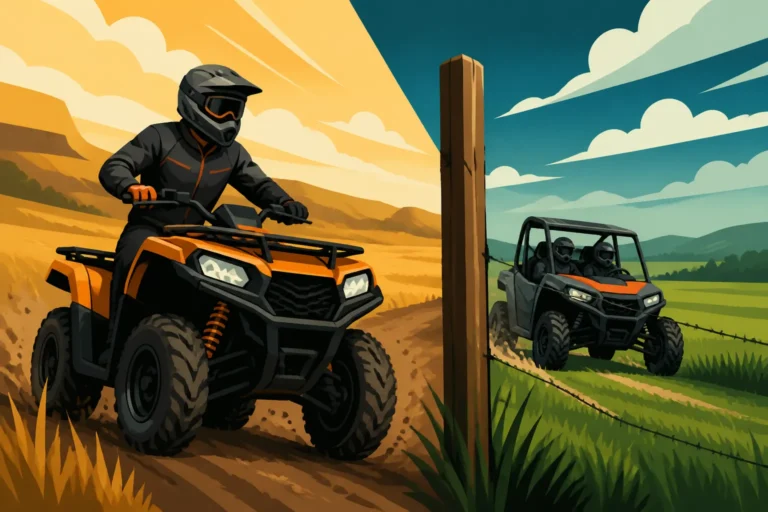
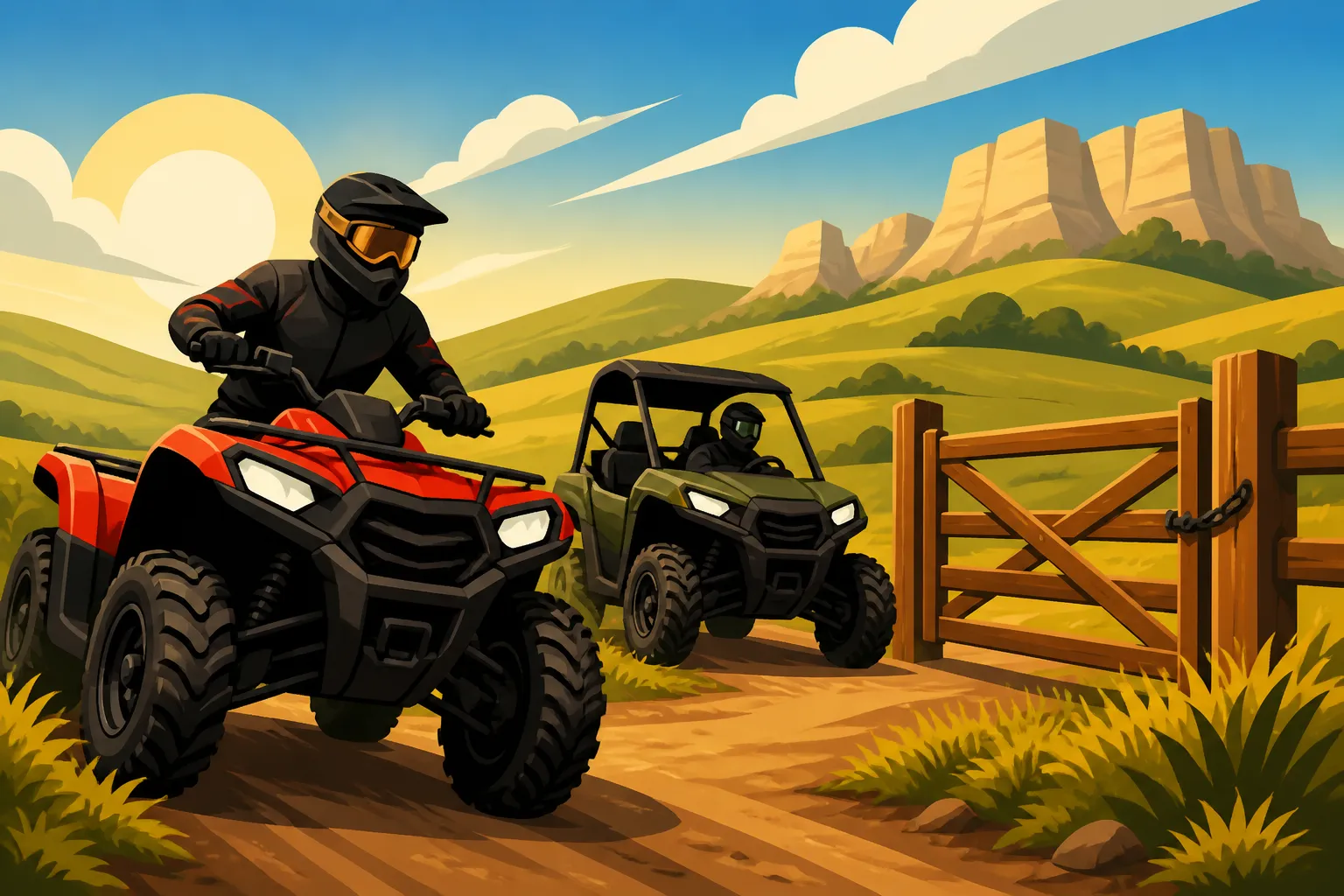
This might seem like a small detail, but it’s a massive point of contention for ranchers and farmers. Many private lands, especially those used for agriculture, are cross-fenced to manage livestock, prevent them from wandering, or protect certain areas. A gate is there for a reason. If you gain permission to ride on a ranch and leave a gate open, even accidentally, you could cause cattle to escape, mix herds, or wander onto roads, creating significant problems and financial loss for the landowner. This one act of carelessness is almost guaranteed to revoke your riding privileges immediately and permanently.
The rule is simple: "If you open it, close it." And if it's closed, keep it closed unless you have specific instructions to open and pass through. This applies to all gates, whether they look old, unused, or simply inconvenient. Show respect for the landowner's operation and livelihood. It’s these seemingly minor details that truly differentiate a respectful guest from a nuisance. [Why Leaving a Ranch Gate Open Costs You Access] is one of the quickest ways to lose trust.
Fines and Penalties for Unlawful Riding
The consequences of riding an ATV or UTV on private land without permission in South Dakota can be substantial. Trespassing is typically classified as a Class 2 Misdemeanor for a first offense. While this might not sound as serious as a felony, it still carries potential penalties that can include jail time, significant fines, or both. Beyond the initial fine, you could also be held civilly liable for any damages you cause to the property, which can include repairing ruts, fences, or any other impact your machine had.
Law enforcement officers in South Dakota are empowered to respond to trespassing complaints and issue citations. Imagine being pulled over on a property you thought was open, having your machine potentially impounded, and facing a court date. The legal fees, time off work, and stress alone can far outweigh the momentary thrill of riding without permission. It's a risk simply not worth taking. Understanding [What a Class 2 Misdemeanor Costs a Rider] should be a strong deterrent against unlawful riding.
The Art of Securing Access: How to Approach Landowners
Gaining access to private land for ATV/UTV riding is an art form that hinges on respect, clear communication, and building trust. It's not about demanding access, but about making a compelling case for why you would be a responsible guest.
Approaching Landowners Respectfully
The first step in securing permission is a respectful and thoughtful approach. Don't just show up unannounced on their doorstep with your dusty ORV. Try to make initial contact in a non-intrusive way, perhaps by phone or a letter, explaining who you are, what you're interested in, and how you plan to be a responsible rider. When you do meet in person, dress appropriately, be polite, and be prepared to listen more than you talk. Many landowners have had bad experiences with irresponsible riders in the past, so you'll need to demonstrate that you're different.
State your intentions clearly: you're not looking to cause trouble, but to enjoy the land respectfully. Explain that you understand their concerns about liability and property damage. Offer to show them your machine, pointing out safety features, or even offer to help them with small tasks on their property, like checking fences or hauling feed. This kind of initiative can go a long way in building rapport and trust.
The Importance of a Written Agreement
Once a landowner is receptive, move towards formalizing the permission with a written agreement. This doesn't have to be a complex legal document; even a simple letter signed by both parties can suffice. A written agreement clarifies expectations for everyone, preventing future misunderstandings. It should clearly state:
- The names of the rider(s) granted permission.
- The specific areas of the property where riding is allowed (perhaps marked on a simple map).
- The dates and times when riding is permitted.
- Any specific rules or restrictions set by the landowner (e.g., speed limits, no riding near livestock, designated parking).
- Whether a liability waiver is included or required.
- The duration of the permission (e.g., one day, one season, ongoing).
Having this in writing protects both you and the landowner. For you, it provides proof of permission. For them, it clearly defines the terms of access. You might also mention that your machine is equipped with reliable components, perhaps from SuperATV, ensuring it won't break down and leave a mess on their property, reinforcing your commitment to responsible use. [South Dakota Landowner Permission Requirements] are best fulfilled with clear documentation.
Building Relationships with Landowners
Gaining permission is often just the first step; maintaining it requires ongoing effort and respect. Treat the landowner's property as if it were your own, or even better. Always follow the agreed-upon rules, leave no trace, and report any issues you notice (like a broken fence, unusual activity, or signs of pests) as a courtesy. Regular, brief check-ins with the landowner can also reinforce the relationship. A quick call or text after a ride, thanking them or offering an observation, keeps lines of communication open.
Remember that a landowner's primary focus is often their livelihood or privacy, not providing recreational opportunities. By being a considerate and helpful guest, you make their decision to grant you access a positive one. This not only secures your continued ability to ride but also contributes to a positive image of ATV/UTV riders in the community. Over time, these relationships can become invaluable, opening up more opportunities and fostering genuine friendships. Responsible riders contribute to this positive image, ensuring others can enjoy [Riding a Ranch Road] as well.
Being a Responsible Guest: Etiquette and Safety on Private Ground
Once you have permission, your actions on the property reflect not only on you but on all ORV riders. Being a responsible guest means prioritizing safety, minimizing environmental impact, and strictly adhering to all agreed-upon rules.
Minimizing Impact and Protecting the Land
When you're riding on private land, your goal should be to leave it in as good, or even better, condition than you found it. This means staying on designated trails or areas, avoiding sensitive habitats, and absolutely never creating new tracks or carving through pristine areas. Avoid riding in overly wet conditions that can lead to deep ruts, which are not only unsightly but can also damage fields and create erosion problems. Pack out everything you pack in – don't leave trash, even small items, behind.
Be mindful of noise, especially if there are homes, livestock, or wildlife nearby. Keep your speed appropriate for the terrain and conditions, and always be on the lookout for unexpected obstacles or changes in the landscape. Consider upgrading your machine with high-quality parts from a brand like SuperATV that offer enhanced durability and control, allowing you to navigate challenging terrain responsibly without causing undue wear and tear on the environment. Protecting the land is a core tenet of [South Dakota Rules for Riding Private Property].
Safety First: Gear and Machine Readiness
Just because you're on private land doesn't mean safety rules go out the window. In fact, without the oversight of public trail patrols, it's even more important to be self-reliant. Always wear appropriate safety gear, including a DOT-approved helmet. [South Dakota Helmet Rules for ATV Riders] are important even on private ground, especially for younger riders. Eye protection, such as goggles or a face shield, is critical to protect against dust, branches, and debris. Sturdy boots, gloves, and long-sleeved clothing also provide essential protection.
Before heading out, perform a thorough check of your ATV or UTV. Ensure tires are properly inflated, brakes are working, fluids are topped off, and all lights are functional. Carry a basic toolkit, a first-aid kit, and a communication device (like a cell phone or satellite messenger, especially in remote areas). Let someone know your riding plan and estimated return time. Many reliable accessories from SuperATV, such as winches, spare tires, and heavy-duty suspension components, can significantly enhance your machine's reliability and safety in remote settings. Also, while not mandated for private land, considering [South Dakota ATV Safety Course Requirements] can make you a more prepared rider.
Adhering to Any Landowner-Specific Rules
The most crucial aspect of being a responsible guest is strictly adhering to any specific rules or guidelines the landowner has established. These rules are non-negotiable and are often based on their knowledge of the property, their operations, or simply their personal preferences. This might include:
- Designated routes: Only ride where you're told to.
- Time restrictions: No riding before sunrise or after sunset.
- Speed limits: Keeping speeds low, especially near homes or livestock.
- No riding near livestock: To avoid startling animals or interfering with grazing.
- Gate protocols: Always close gates that you open, or follow specific instructions for each gate.
- Number of riders: Limits on how many machines or people can be on the property.
- Firearm policies: [South Dakota Rules for Carrying a Firearm on an ATV] are essential to understand if you plan to hunt or carry a firearm on the property.
Failing to follow even one of these landowner-specific rules can quickly erode trust and lead to your permission being revoked. Always err on the side of caution and clarity. If you're unsure about a rule, ask. This demonstrates respect and a genuine desire to be a good guest. Remember, [South Dakota DUI Rules for ATV Riders] apply regardless of public or private land; never drink and ride.
Special Considerations for Different Types of Private Land
While the core principles of permission and responsibility remain constant, different types of private land in South Dakota may present unique considerations.
Riding on Ranches and Agricultural Leases
Ranches and agricultural lands are working environments, not just recreational playgrounds. When riding on such properties, you must always yield to farm machinery, livestock, and any ongoing agricultural operations. Your recreational ride is secondary to their livelihood. Be acutely aware of crops, irrigation systems, feed bunks, and any fencing. Damage to these items can be incredibly costly and disruptive to a farmer or rancher.
It’s often best to ride when operations are minimal, perhaps on weekends or during off-seasons, and always after confirming with the landowner. Offer to help them by checking fence lines while you ride, or by keeping an eye out for issues on their vast property. This can be a win-win, providing them with extra help and you with riding access. Learning about [Riding a Ranch Road] specifically can prepare you for the unique challenges and etiquette of these working landscapes.
Organized Events and Group Rides
If you're planning an organized event or a group ride on private land, the stakes for permission and liability are significantly higher. The landowner will likely require more formal agreements, potentially including insurance certificates from organizers and signed waivers from every participant. The communication of rules becomes even more critical, as you're responsible for ensuring every rider in your group understands and adheres to the landowner's expectations.
For larger groups, consider having a designated leader who liaises directly with the landowner and acts as the point person for all questions and concerns. Clearly mark the riding area, and enforce all safety and environmental rules. The reputation of your group, and potentially all organized ORV events in the area, rests on your responsible conduct. Proper planning and communication are key to a successful and welcome [Group Rides in South Dakota].
Permission and Riding Practices Checklist
| Action Item | Description | Why It's Important |
|---|---|---|
| Seek Express Permission | Directly ask the landowner for permission to ride. | Legal requirement, avoids trespassing. |
| Get it in Writing | Document the terms of permission (areas, times, rules, duration). | Provides proof, prevents misunderstandings, protects both parties. |
| Respect Gates & Fences | Always close gates you open; never damage fences. | Crucial for livestock management and property integrity. |
| Stay on Designated Trails | Only ride in areas specified by the landowner. | Minimizes property damage, respects landowner's wishes. |
| Minimize Environmental Impact | Avoid riding in wet conditions, pack out all trash, respect wildlife. | Preserves the land, demonstrates responsible stewardship. |
| Wear Safety Gear | Helmet, eye protection, sturdy clothing, gloves, boots. | Reduces risk of injury, sets a responsible example. |
| Maintain Your Machine | Ensure your ATV/UTV is in good working order. | Prevents breakdowns, enhances safety, reduces chance of leaving debris. |
| Follow Landowner's Rules | Adhere strictly to any specific instructions or restrictions. | Upholds trust, ensures continued access. |
| Communicate & Report | Keep in touch with the landowner, report any issues you observe. | Builds long-term relationship, demonstrates care for the property. |
Disclaimer
This article is for general informational purposes only and does not constitute professional advice. Laws, prices and regulations vary by location and change over time. Consult a qualified professional for guidance on your specific situation.