South Dakota Rules for Riding Custer State Park
Picture this: you've loaded up your ATV or UTV, dreaming of cruising through the iconic landscapes of Custer State Park, winding past granite spires and herds of buffalo. But then, a question hits you like a sudden Black Hills thunderstorm: can you actually ride your off-road machine in such a treasured state park? It's a common point of confusion for many riders, leading to uncertainty and even potential fines if you get it wrong. This guide aims to clear up that fog, explaining exactly what's allowed, what's not, and how to enjoy Custer State Park from the seat of your machine legally and responsibly.
Understanding Custer State Park's Vehicle Regulations
Custer State Park is one of South Dakota's crown jewels, celebrated for its scenic drives, abundant wildlife, and outdoor recreation. However, its designation as a state park means it operates under a different set of rules than, say, the expansive Black Hills National Forest trails. The core distinction for ATV and UTV riders boils down to one critical factor: whether your machine is considered "street legal."
The Importance of a Street-Legal Machine
When you bring your ATV or UTV into Custer State Park, you're essentially bringing it into a regulated road network, not a designated off-road riding area. This means your machine needs to meet the same standards as any other vehicle – cars, trucks, or motorcycles – that operates on public roads in South Dakota. Without a street-legal setup, your machine is largely restricted from the park's scenic byways.
What does "street legal" actually entail? In South Dakota, it means your ATV or UTV must be titled, registered, and plated for road use. This isn't just a matter of having a license plate; it involves a whole suite of equipment. Think proper headlights, taillights, brake lights, turn signals, at least one rear-view mirror, and a functional horn. Your machine also needs to meet certain engine size requirements, typically having an engine of 200cc or more for four-wheeled machines to qualify for a motorcycle plate, which is what South Dakota issues for street-legal ATVs and UTVs. This conversion process can be significant, often requiring aftermarket parts to bring a trail-focused machine up to snuff. Many riders turn to aftermarket suppliers for these components, ensuring their machine can pass muster.
It's a common pitfall to assume that because your machine is an "off-road vehicle," it automatically has access to all public lands. While true for designated trail systems, state parks like Custer have much stricter guidelines focused on preserving the natural environment and ensuring the safety of all visitors, which means keeping non-street-legal vehicles off the main roads. If you're unsure about the specific requirements, reviewing the comprehensive guide on [South Dakota Street Legal ATV Requirements] can save you a lot of heartache and potential fines.
Park Entrance Fees and Your ATV/UTV
Even if your ATV or UTV is fully street-legal and rocking a South Dakota motorcycle plate, it's crucial to remember that Custer State Park is still, well, a park. Just like any car, truck, or motorcycle, your plated off-road machine is subject to the park's entrance fees. These fees are essential for the upkeep of the park, including road maintenance, wildlife management, and visitor services.
When you roll up to one of the park's entrance stations – like those near Legion Lake, Sylvan Lake, or on the Wildlife Loop Road – you'll need to purchase a park entrance license. You can choose from a daily license or, if you plan to visit multiple times throughout the year, an annual license. Don't confuse your vehicle registration or street-legal plate with an exemption from these fees. The plate allows you access to the roads, but the park license grants you entry into the park itself. It's a common point of confusion, but understanding [Why Custer State Park Charges an Entrance License Too] is key to a smooth entry.
Think of it like this: your street-legal ATV is treated just like a car. You wouldn't expect your car's license plate to waive a park entrance fee, and the same applies here. These fees are vital for maintaining the beauty and accessibility of Custer State Park, ensuring it remains a breathtaking destination for everyone. So, factor in that additional cost, whether it's for a single day of adventure or a full year of exploring the park's majestic routes.
Designated Roads vs. Trails within the Park
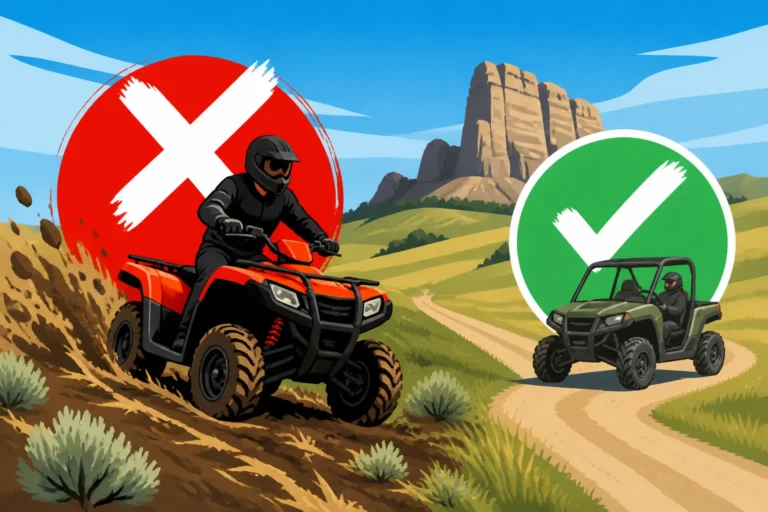
Here's where many off-road enthusiasts get tripped up: Custer State Park does not have a network of designated off-road trails for ATVs and UTVs. While the Black Hills National Forest, which surrounds the park, boasts an extensive system of motorized trails, Custer State Park's focus is on scenic drives and passive recreation within its boundaries. This means your street-legal ATV or UTV is restricted to the park's paved and maintained gravel roads.
You can certainly enjoy iconic routes like the Needles Highway, Iron Mountain Road, or the Wildlife Loop Road on your plated machine, but you must stay on these designated roadways. Venturing off-road, even onto what might look like an inviting dirt track or a short cut, is strictly prohibited. This rule is in place to protect the park's delicate ecosystems, prevent erosion, and maintain the natural beauty that draws millions of visitors each year. It's also a safety measure, as off-road excursions can be unpredictable and dangerous, especially in an area with abundant wildlife and varying terrain.
This distinction is a critical one for planning your trip. If your primary goal is to ride aggressive off-road trails, Custer State Park is not the place for that. You'll need to explore the motorized trail systems within the Black Hills National Forest, where a [South Dakota's Motorized Trail Permit] would be required for trail use. However, if you're looking for breathtaking scenic drives on established roads, and your machine meets the street-legal criteria, Custer State Park offers an unparalleled experience. Just remember: stick to the pavement or well-maintained gravel, respect the signs, and treat your ATV/UTV like any other road-going vehicle within the park.
What to Expect When Riding Your ATV/UTV in Custer State Park
Riding your street-legal ATV or UTV in Custer State Park offers a unique perspective on its natural beauty. However, it's a different experience than trail riding and comes with its own set of expectations and rules. Being prepared and respectful will ensure a memorable and hassle-free visit.
Navigating Park Roads and Visitor Expectations
When you're cruising through Custer State Park on your ATV or UTV, you'll be sharing the roads with a wide variety of other vehicles: cars, RVs, motorcycles, and even bicycles. The park's roads, especially during peak season, can be quite busy. It's essential to be a courteous and cautious driver, just as you would in any other traffic situation. Maintain appropriate speeds, be mindful of blind corners, and always be prepared to stop suddenly for wildlife.
One of the most thrilling aspects of Custer State Park is its abundant wildlife, particularly the famous bison herd. You'll often encounter them grazing near or even on the roads. It's critical to give all wildlife plenty of space. Never approach, feed, or harass animals. Pull over safely to observe, and if bison are blocking the road, be patient. They have the right-of-way! The open nature of an ATV or UTV provides fantastic opportunities for photography and wildlife viewing, but always prioritize safety for yourself, other visitors, and the animals. Equipping your UTV with a good windshield from a reputable brand like SuperATV can significantly enhance comfort and protection from dust and wind while you're taking in those incredible views.
Beyond wildlife, be mindful of the park's generally relaxed atmosphere. People are often admiring the scenery, stopping frequently, or even walking along the shoulders. Your machine, while street-legal, might still be louder than a typical car. Drive respectfully, minimizing dust on gravel roads, and keep noise levels down to maintain the peaceful ambiance that draws so many to Custer.
Permitted Areas and Restricted Zones
Once your ATV or UTV is plated and you've paid your park entrance fee, you have access to the park's primary road network, which includes many of its most famous routes. These are the roads where you'll find the iconic tunnels, pigtail bridges, and sweeping vistas. This means you can drive the entire Wildlife Loop Road, explore the dramatic formations of the Needles Highway, and navigate the unique engineering of Iron Mountain Road. You can also access visitor centers, campgrounds, and trailheads (for hiking, not motorized riding) via these designated roads.
However, the key is "designated roads." Any area not explicitly marked as a public road is off-limits to your motorized vehicle. This includes hiking trails, equestrian paths, undeveloped areas, and any terrain that might tempt you to "cut across" or "explore." Even roadside pull-offs are typically for parking only, not for off-roading. The park's ethos is to protect its natural state, and this means containing vehicle traffic to established routes. Penalties for going off-road can be severe, so it's not worth the risk.
For instance, while you can drive to the base of Harney Peak (Black Elk Peak) trail, you cannot drive your ATV up the hiking trail itself. Similarly, you can access various lakes like Sylvan Lake or Legion Lake, but you cannot ride your machine along their undeveloped shorelines. Always keep an eye out for signs indicating restricted areas or specific rules for certain zones within the park. Planning your route beforehand and consulting a park map will help you understand where your street-legal machine can go.
Essential Gear and Preparedness
A day of riding in Custer State Park, even on roads, requires some preparation to ensure safety and comfort. Since you'll be on public roads, standard traffic laws apply, which means seatbelts if your UTV has them, and proper licensing for the driver. For riders under 18, helmets are legally required in South Dakota, so if you have a younger passenger, make sure they're properly geared up.
Beyond legal requirements, consider practical items. The weather in the Black Hills can change rapidly, so rain gear, extra layers, and sun protection are always a good idea. Hydration is crucial, especially in warmer months, so pack plenty of water. A first-aid kit is a must for any outing. Given the potential for encountering wildlife and the sometimes remote nature of the roads, having a cell phone for emergencies (though coverage can be spotty in some areas) and a detailed park map is highly recommended. Many riders find that a robust storage solution, perhaps from a brand like SuperATV, is invaluable for carrying these essentials securely.
| Item | Purpose | Notes |
|---|---|---|
| Street-Legal Mods | Legal road operation in SD | Headlights, taillights, turn signals, mirror, horn, plate |
| Park Entrance Lic. | Required for entry into Custer State Park | Daily or Annual pass, separate from vehicle registration |
| Driver's License | Legal operation of a motorized vehicle | Standard driver's license required |
| Helmets (Under 18) | Required by South Dakota law for young riders | Adults are exempt but highly recommended |
| First-Aid Kit | Addressing minor injuries | Essential for any outdoor adventure |
| Water & Snacks | Hydration and energy for longer rides | Limited services in some park areas |
| Park Map | Navigation and identifying permitted routes | Cell service can be unreliable |
| Weather Gear | Adapting to changing Black Hills conditions | Rain jacket, layers, sun screen |
| Camera | Capturing wildlife and scenic views | Keep accessible for quick shots |
Always start with a full tank of fuel. While there are some services near the park, fuel stations within the park itself are limited. Being prepared for varying conditions and potential contingencies will make your ride through Custer State Park much more enjoyable and safe.
Common Misconceptions and Legalities
Navigating the rules for off-road vehicles in South Dakota, especially when public lands are involved, can be tricky. Riders often have pre-conceived notions that don't always align with the specific regulations of a place like Custer State Park. Let's clarify some common misconceptions and legal aspects.
Distinguishing Custer State Park from National Forest Lands
This is perhaps the biggest area of misunderstanding for ATV and UTV riders visiting the Black Hills region. Custer State Park and the Black Hills National Forest are not the same entity, and their rules for motorized vehicles differ significantly. The Black Hills National Forest, which geographically surrounds Cster State Park, is where you'll find hundreds of miles of designated motorized trails. These trails are specifically designed and managed for off-highway vehicles, and typically require a [Black Hills Motorized Trail Permit] for use, in addition to any required state registration or plate.
Custer State Park, on the other hand, is managed by South Dakota Game, Fish and Parks (GFP) as a state park. Its primary mission is conservation, scenic preservation, and recreational opportunities largely focused on activities like hiking, fishing, camping, and scenic drives. While [South Dakota Rules for Riding GFP Land] might generally allow plated vehicles on certain access roads, Custer State Park has its own set of rules, including mandatory entrance fees and a strict "roads only" policy for all motorized vehicles. The permit you might purchase for the Black Hills National Forest trails does not grant you special access or exemptions within Custer State Park.
Therefore, if your plan includes true off-road trail riding, you need to direct your efforts to the Black Hills National Forest. If your desire is to take your street-legal ATV or UTV on scenic drives, enjoying the sights and wildlife from the comfort of your machine on paved and gravel roads, then Custer State Park is an excellent choice, provided you adhere to its specific regulations and fees. Always consult official park maps and rules specific to Custer State Park to avoid any confusion.
Penalties for Non-Compliance
Trying to ride a non-street-legal ATV or UTV within Custer State Park, or venturing off designated roads, is not a minor infraction. Park rangers and state law enforcement take these rules seriously to protect the park's fragile environment, ensure visitor safety, and maintain the integrity of its wildlife habitats. The penalties for non-compliance can be significant and are certainly not worth the risk.
If you are caught operating a non-street-legal machine on park roads, you could face fines, which can quickly add up. Beyond monetary penalties, your machine could be impounded, leading to additional towing and storage fees that will far outweigh the cost of a park entrance license or the effort to make your machine street-legal. Furthermore, repeat offenses or serious violations could potentially lead to being banned from the park altogether. These consequences are designed to deter illegal activity and encourage responsible enjoyment of the park. You can read more about potential consequences in resources like [South Dakota Fines for Illegal ATV Road Use].
It's also important to understand that even if your machine is street-legal, riding it off a designated road will lead to penalties. This is considered environmental damage and a clear violation of park rules. The park is well-patrolled, especially during peak seasons, and rangers are vigilant about ensuring compliance. The spirit of these rules is not to prevent enjoyment but to ensure that the park remains beautiful and accessible for generations to come.
The Role of Law Enforcement
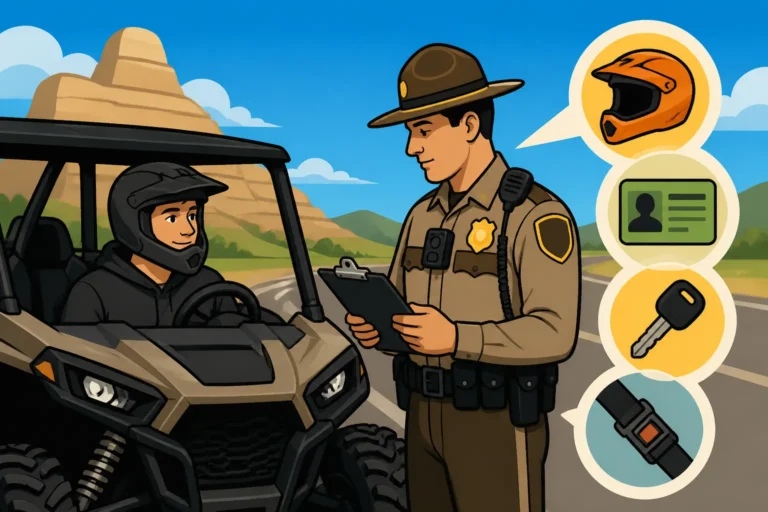
When you're riding your ATV or UTV in Custer State Park, you should expect to see park rangers, South Dakota Highway Patrol troopers, and sometimes local law enforcement. These officers are there to ensure the safety of all visitors, protect the park's natural resources, and enforce state and park regulations. They are well-versed in the specifics of [What a South Dakota Trooper Checks Roadside] and will be looking for proper registration, plating, and adherence to traffic laws.
If an officer stops you, whether for a routine check or a suspected violation, it's crucial to be cooperative and respectful. Have your driver's license, vehicle registration, proof of insurance, and park entrance license readily available. They may ask about your route, your destination, and whether your machine meets street-legal requirements. Remember, they are performing their duty to uphold the rules that keep the park pristine and safe for everyone. Answering their questions honestly and complying with their instructions will help resolve any interaction quickly and smoothly.
Their presence also serves as a reminder that while you're enjoying the freedom of the open road on your machine, you're still within a regulated environment. These officers are a valuable resource for information about park rules, conditions, and safety, so don't hesitate to ask them questions if you have any doubts about where you can and cannot go. By understanding and respecting the role of law enforcement, you contribute to a safe and enjoyable experience for all who visit Custer State Park.
Disclaimer
This article is for general informational purposes only and does not constitute professional advice. Laws, prices and regulations vary by location and change over time. Consult a qualified professional for guidance on your specific situation.