South Dakota Rules for Riding in Winter
Riding your ATV or UTV in South Dakota during winter can be an incredibly exhilarating experience, but it also brings unique challenges and rules that many riders overlook. Dealing with snow, ice, and biting cold requires more than just bundling up; you need to understand the specific regulations that change with the seasons, especially concerning road access, trail closures, and essential safety measures to avoid tickets or dangerous situations. This guide will walk you through everything you need to know to safely and legally enjoy South Dakota's winter wonderland on your off-road machine.
The South Dakota Winter Riding Reality Check
When the snow starts to fall and the temperatures drop across South Dakota, the riding landscape transforms. What might be a dusty trail or a clear section line in summer becomes a whole new beast. It's not just about adding layers; it's about recognizing how winter conditions impact everything from your machine's performance to the very legality of where you can ride.
The Impact of Cold and Snow on Machine Performance
Cold weather is tough on off-road vehicles. Batteries can struggle to hold a charge, fluids thicken, and engines take longer to warm up. You might notice a slight decrease in horsepower, and tires that perform admirably on dry dirt or gravel could feel stiff and lose traction on packed snow or ice. Starting your machine in sub-zero temperatures requires patience and often a good quality battery tender through the colder months. Carbureted machines can be particularly finicky, sometimes needing richer fuel mixtures to run smoothly. Fuel lines can also freeze if there's any water condensation in your tank, making a fuel stabilizer a smart preventative measure. If you've invested in aftermarket parts from a reputable company like SuperATV, make sure they are rated for extreme cold and snow conditions, as some plastics or metals can become brittle in freezing temperatures.
General Winter Road Conditions and Visibility
Winter roads in South Dakota, even the gravel and section line roads, can become unpredictable. Snowfall can quickly obscure potholes, ice can form in shaded areas, and drifting snow can make a road impassable in minutes. Visibility is often reduced by blowing snow, fog, or simply shorter daylight hours. This is especially critical if you plan to utilize legal road access for your ATV or UTV. Plows often create berms at intersections and driveways, which can hide hazards or make turning difficult. Even if a road is technically open, its condition might make it extremely dangerous for an off-road machine, which doesn't always have the same stability or braking power as a truck or car on slick surfaces. Be especially mindful of other vehicles; a snowplow operator might not expect to see an ATV around the next bend.
When Trails Close and Why
Many of South Dakota's popular motorized trails, particularly those in the Black Hills National Forest, have seasonal closures. For instance, trails might open in mid-May and then close again in mid-December. These closures are not arbitrary; they are primarily to protect the trails from damage during freeze-thaw cycles and heavy snowpack, which can lead to severe erosion once the ground thaws. Wildlife protection is another factor, as some areas are critical winter range for deer, elk, and other animals. It’s crucial to check the official Black Hills National Forest motorized vehicle use maps (MVUMs) or local ranger district websites before you head out. Don't assume that just because there's snow, a trail is open for winter riding. Ignoring these closures can lead to significant fines and damage to the very trails we all want to enjoy. Always confirm the status of [When an Early Snow Closes a Black Hills Trail] or any specific trail you plan to ride.
Riding Roads and Ditches When Snow Falls
While many riders gravitate towards trails, South Dakota offers specific rules for using roads and ditches with your ATV or UTV. These rules become even more critical to understand during the winter months, as conditions can change everything.
South Dakota's Ditch Riding Rules in Winter
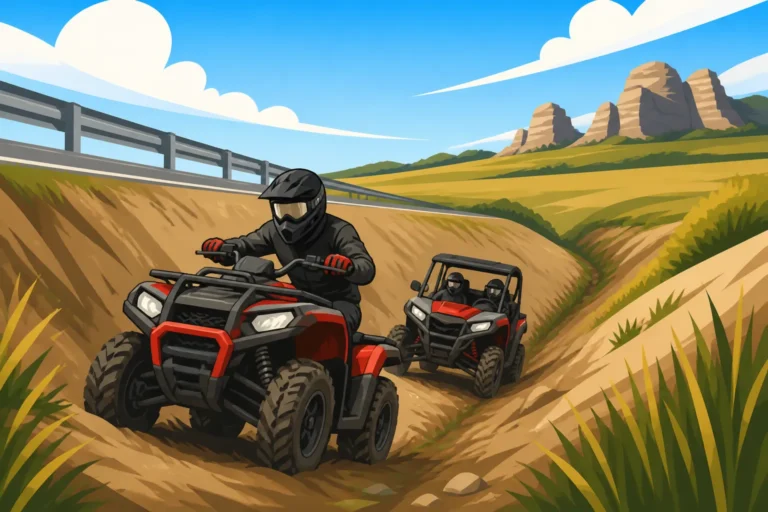
South Dakota allows ATV and UTV riders to operate in the bottom of highway ditches, but this privilege comes with a distinct set of rules, and winter conditions add complexity. First and foremost, the ditch riding rule applies unless a county has explicitly opted out and posted regulatory signs. However, even where legal, deep snow can make ditch riding impossible or extremely hazardous. Drifts can completely obscure the ditch bottom, making it easy to hit hidden obstacles like culverts, rocks, or even fences. [South Dakota Ditch Riding Rules Explained] details the general regulations, but in winter, these rules get a new layer. The "outer edge" rule, which dictates how far you can ride from the roadway, can become vague when snow creates an entirely new landscape. Snowplows can also compact snow and ice, creating unstable surfaces or unexpected changes in elevation within the ditch. Always prioritize safety over attempting to navigate a ditch filled with unpredictable snowpack.
Specific Challenges of Winter Road Crossings
Crossing paved highways or major roads is an essential part of connecting different riding areas, but winter makes it far more perilous. Ice can hide on the pavement, even when a crossing looks clear. Your tires, designed for off-road traction, may have very little grip on slick asphalt or concrete. Reduced visibility due to blowing snow or short daylight hours means drivers in cars and trucks might not see you until it's too late. The law requires you to make a perpendicular crossing after coming to a complete stop and yielding to traffic. In winter, ensure your machine's lights are clear of snow and functioning perfectly, and consider wearing bright, reflective gear to enhance your visibility. Remember, while crossing, you're briefly sharing the road with vehicles that likely have better traction and braking. It’s a moment where extreme caution is non-negotiable.
Plate Requirements and Winter Road Use
To legally operate your ATV or UTV on South Dakota roads (including ditches, though usually only for crossing), your machine must be titled and licensed as a motorcycle. This means it needs a valid license plate. In winter, keeping that plate clear of snow and ice is paramount. A dirty or obscured plate can lead to a stop by law enforcement. While a permit is needed for trails, the plate is your ticket for road access. [South Dakota Street Legal ATV Requirements] outlines what's needed for plating, including specific equipment like headlights, tail lights, mirrors, and a horn. All of this equipment needs to be functional and visible, even in snowy conditions. Imagine having a critical piece of gear like a durable winch bumper from SuperATV but forgetting to clear the snow off your headlight – it defeats the purpose of being road-legal. Don't forget that if you're a nonresident, you'll also need to understand [What an Out-of-State Owner Pays to Title in South Dakota] and how it applies to year-round use.
Black Hills and Other Trail Systems in Winter
South Dakota's trail systems, especially those nestled in the Black Hills, offer some of the most scenic riding. However, winter significantly impacts access and conditions, making careful planning absolutely essential.
Understanding Black Hills Trail Winter Closures
Many of the designated motorized trails within the Black Hills National Forest are subject to seasonal closures, primarily from mid-December through mid-May. These closures are critical for protecting the trails from damage during freeze-thaw cycles and preventing erosion when the ground is soft. They also help minimize disturbance to wintering wildlife. While some forest roads might remain open for administrative purposes or snowmobiling, the specific ATV/UTV trails will be gated or signed as closed. It's not enough to simply see snow on the ground; you must verify the status of the particular trail you intend to ride. Rely on official sources like the US Forest Service's Motorized Vehicle Use Maps (MVUMs) rather than anecdotal information. Ignorance of a closure is not a valid excuse if you're caught riding on a closed trail, and fines can be substantial. For information on trails that are open, look for specific lists like [South Dakota Trails Open in Winter], but always verify the most current conditions.
The South Dakota Motorized Trail Permit and Winter
Even if a trail is open during a specific winter window, you will still need a South Dakota Motorized Trail Permit. This permit is an annual decal that must be affixed to your machine. It funds the maintenance and development of the very trails you want to ride. The permit year typically runs from January 1st to December 31st, so if you plan a late-season ride in December or an early one in January, ensure your permit is current. While some trails might be open, the [Black Hills Motorized Trail Permit Cost] remains the same regardless of the season. Make sure the decal is placed in a visible spot on your machine, where it won't be easily obscured by snow or mud. Some riders use a durable, weather-resistant plastic panel or even their windscreen (on the driver's side) for placement, ensuring it's clearly visible to forest rangers. Remember, this permit is separate from your machine's license plate, if it has one.
Ice, Snow, and Trail Conditions
Riding trails in winter brings a whole new set of challenges beyond just closures. Ice can form rapidly in shaded areas, under snowpack, or on rocky surfaces, creating extremely slick conditions. Deep snow can hide logs, rocks, and ruts, making trails unpredictable and potentially damaging to your machine. Water crossings, which might be a fun splash in summer, can become treacherous frozen hazards or deep, icy slush.
When riding in winter, you'll need to adjust your speed and riding style dramatically. Consider reducing tire pressure slightly for more flotation in snow, but be wary of pinch flats if riding over sharp, hidden rocks. Your braking distance will increase significantly on snow and ice. Always ride within your skill level and be prepared for rapidly changing conditions. A clear, sunny winter morning can turn into a blizzard in the afternoon, leaving you stranded. When exploring more rugged terrain, high-quality skid plates and A-arm guards, like those offered by SuperATV, can be a lifesaver against hidden obstacles under the snow.
Gearing Up for South Dakota's Winter Elements
Riding in South Dakota's winter isn't for the faint of heart or the unprepared. The conditions demand respect and the right gear, both for yourself and your machine, to ensure a safe and enjoyable experience.
Essential Cold Weather Gear for Riders
Your personal gear is just as important as your machine's performance. Layering is key: start with a moisture-wicking base layer, add an insulating mid-layer (fleece or down), and top it with a waterproof and windproof outer shell. Your hands and feet are especially vulnerable to cold, so invest in heated gloves or mittens, and insulated, waterproof boots with good traction. A quality helmet with a heated visor or good anti-fogging capabilities is crucial for maintaining visibility. A balaclava or neck gaiter will protect your face and neck from windburn and frostbite. Don't forget eye protection; even if your helmet has a visor, goggles are great for blowing snow. Staying hydrated is also important, as dehydration can happen even in cold weather. Many riders carry a thermos of hot coffee or cocoa for warmth and an energy boost. [South Dakota Helmet Rules for ATV Riders] are typically for younger riders, but in winter, a helmet for all ages is a non-negotiable safety item.
Machine Prep for Extreme Cold and Snow
Proper preparation for your ATV or UTV can make the difference between an epic ride and being stranded in the cold.
Here’s a checklist for your machine:
| Component | Winter Prep Action |
|---|---|
| Battery | Test charge, consider a battery tender, ensure strong CCA. |
| Fluids | Check coolant level (anti-freeze protection), oil viscosity. |
| Tires | Inspect for wear, consider studded tires for ice traction. |
| Winch | Test functionality, ensure rope/cable is free of damage. |
| Lights | Verify all headlights, tail lights, and brake lights are working. |
| Fuel | Use fresh fuel, add fuel stabilizer to prevent condensation/ice. |
| Belts/Hoses | Inspect for cracks or wear, which can worsen in cold. |
| Spare Parts | Carry extra spark plugs, belt (for UTVs), basic tools. |
| Visibility | Add a brightly colored flag or whip for better visibility in snow. |
Consider adding a plow system for clearing snow from driveways or private trails, which can make your machine even more versatile in winter. For heavy snow, upgrading to a robust lift kit and larger tires from SuperATV can significantly improve ground clearance and traction, helping you navigate deeper drifts more effectively.
Staying Safe and Prepared on Winter Rides
No matter how well you and your machine are prepared, winter riding always carries inherent risks. Always ride with a buddy or inform someone of your route and estimated return time. Carry a fully charged cell phone (with a portable power bank, as cold drains batteries quickly), a first-aid kit, a small shovel, a tow strap, and a fire starter. Pack extra food and water. Dress in layers, as mentioned, and have an emergency blanket or bivvy sack. [Studded Tires on a Frozen Ditch] can provide better traction, but even with them, ice is always a risk. Be aware of the signs of hypothermia and frostbite in yourself and your riding partners. The South Dakota wilderness can be unforgiving in winter, and self-reliance is paramount. If conditions worsen unexpectedly, know when to turn back. There's no shame in postponing a ride for another, safer day.
Disclaimer
This article is for general informational purposes only and does not constitute professional advice. Laws, prices and regulations vary by location and change over time. Consult a qualified professional for guidance on your specific situation.