Why Helmets Stop Being Required at Eighteen
It can be incredibly confusing to navigate the rules and regulations surrounding ATV and UTV riding, especially when it comes to safety gear like helmets. Many riders, particularly those new to the South Dakota landscape or visitors from other states, often scratch their heads trying to understand the specific age requirements for helmet use. This guide will cut through the confusion and explain precisely why, in South Dakota, the legal obligation to wear a helmet on an ATV or UTV generally lifts once a rider reaches the age of eighteen.
Understanding South Dakota's Helmet Requirement for ATV and UTV Riders
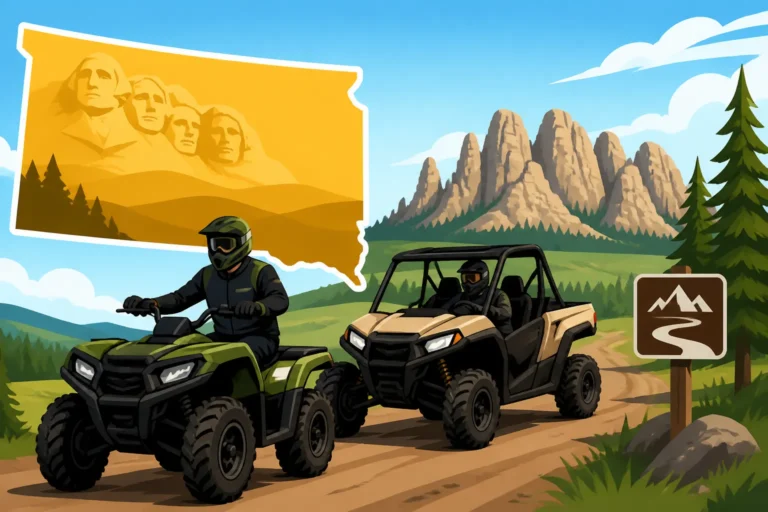
When you're out enjoying the vast expanses of South Dakota, whether it's navigating the Black Hills trails or cruising a gravel section line, safety is paramount. One of the most common questions that comes up, especially for families or groups with younger riders, revolves around helmet laws. South Dakota law is pretty clear: if you are under the age of eighteen, wearing a helmet while operating or riding as a passenger on an ATV or UTV is not just a good idea, it's a legal requirement.
This isn't about the state trying to put a damper on your fun; it's genuinely about protecting vulnerable individuals. Minors, by legal definition, are considered to require a higher degree of protection from the state, as they may not fully grasp the risks involved in off-road riding or always make the safest choices. A helmet provides critical head protection against impacts from falls, collisions, or rollovers, which are unfortunately real possibilities when enjoying powersports. For anyone under eighteen, that helmet is a non-negotiable piece of gear. You can read more about the specifics in our guide on [South Dakota Helmet Rules for ATV Riders].
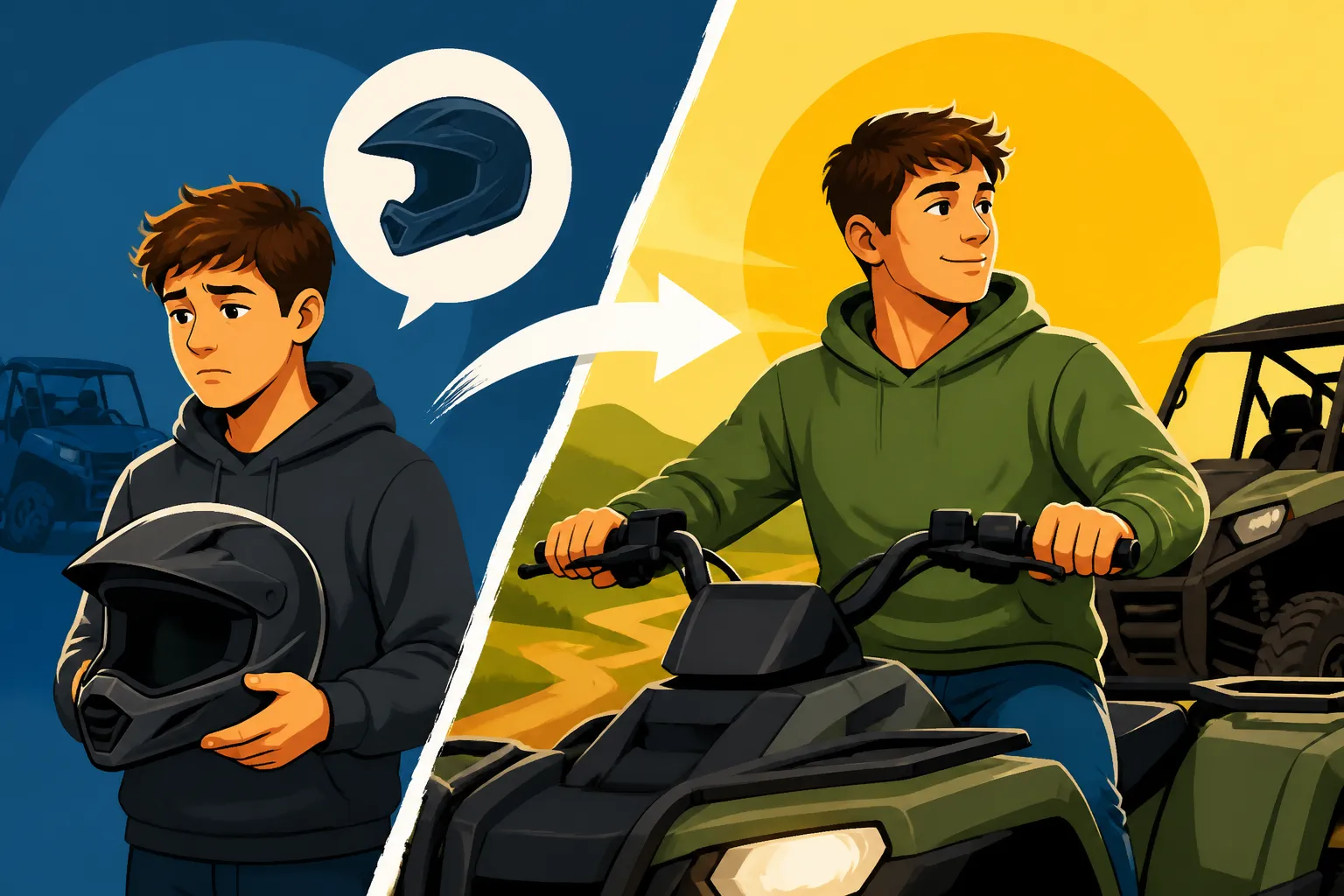
The moment you, or a rider in your group, celebrate that eighteenth birthday, the legal landscape shifts. At eighteen, you are legally considered an adult in South Dakota, and with that comes a different set of responsibilities and freedoms regarding personal safety. While the law mandates helmets for younger riders, it steps back from dictating that same requirement for adults. This distinction is crucial for understanding why you might see some riders wearing helmets and others choosing not to, even when they're on the same trails or roads.
The Legal and Practical Reasoning Behind the Age-Eighteen Rule
The age of eighteen is a significant milestone in the eyes of the law across many areas of life, and ATV/UTV helmet laws are no exception. Reaching this age signifies legal adulthood, which comes with the presumption that an individual possesses the maturity and judgment to make informed decisions about their own safety. The state's role transitions from a protective parent figure for minors to an enabler of informed choices for adults. This is the core philosophical underpinning of why helmets stop being legally required for those eighteen and older. It's not that the risks of riding suddenly vanish; rather, the responsibility for mitigating those risks fully transfers to the adult rider.
This concept of personal responsibility is deeply ingrained in South Dakota's approach to adult recreational activities. While the state strongly encourages safe practices and provides resources for education, it generally refrains from mandating specific safety gear for adults where the primary risk is to the individual themselves. The idea is that an adult should be capable of weighing the benefits and drawbacks of wearing a helmet and deciding what is best for their own well-being. Of course, this doesn't diminish the very real dangers that come with riding. Falls, impacts with trees or rocks, or even rollovers can happen to anyone, regardless of age, and a helmet significantly reduces the risk of severe head trauma.
It's also worth noting that this age cutoff aligns with many other aspects of legal adulthood, such as voting, signing contracts, and purchasing certain products. The consistency across these legal frameworks reinforces the idea that at eighteen, an individual is deemed capable of understanding consequences and making independent choices. While the law provides this freedom, anyone who has seen the aftermath of an accident can tell you that common sense and a strong commitment to personal safety should always prevail. Even for adults, a helmet remains one of the most effective pieces of safety equipment you can utilize to protect yourself, especially when exploring challenging terrain or operating powerful machines.
Beyond the Law: When a Helmet Still Makes Sense for Adults
Just because South Dakota law doesn't require an adult to wear a helmet doesn't mean it's an advisable choice to skip it. In fact, for many seasoned riders and safety advocates, a helmet remains a non-negotiable piece of gear, regardless of age. The reality of ATV and UTV riding is that accidents can and do happen, often unexpectedly. A slip on a muddy trail, a hidden rock, an unexpected dip, or even a momentary lapse in judgment can lead to a fall or collision. In such scenarios, a properly fitted helmet can be the difference between a minor shake-up and a life-altering head injury.
Consider the diverse riding environments across South Dakota. From the rocky, winding trails of the Black Hills National Forest to the open, often bumpy prairie two-tracks, the terrain itself presents inherent risks. Speeds can vary, and unexpected obstacles are always a possibility. When you're tackling challenging trails, riding at higher speeds, or navigating through dense brush, the protective benefits of a helmet are undeniable. Even experienced riders can be caught off guard, and having that extra layer of defense for your head is simply smart preparation. Many riders invest heavily in their machines, upgrading components with quality parts from brands like SuperATV, but sometimes overlook the most crucial upgrade: personal safety gear.
Moreover, many private riding areas, organized events, or guided tours may have their own specific safety rules that go beyond state law. It's not uncommon for these entities to mandate helmet use for all riders, regardless of age, as part of their liability and safety protocols. Before you head out, especially to a new area or event, it's always wise to check if there are any additional rules you need to be aware of. While the state gives you the freedom to choose at eighteen, prudence often dictates a helmet should still be part of your riding ensemble, alongside [South Dakota Eye Protection Rules for Riders].
| Rider Age Group | Legal Helmet Requirement | Common Sense Recommendation |
|---|---|---|
| Under 18 | Required | Absolutely essential |
| 18 and Over | Not legally required | Highly recommended |
Other Important Safety Considerations for South Dakota ATV/UTV Riders
While helmet laws for adults are lenient, South Dakota maintains other important regulations and strong recommendations to ensure rider safety on ATVs and UTVs. Beyond what you wear, how you operate your machine and your awareness of the rules are paramount. For instance, while you might be eighteen and legally able to forgo a helmet, the importance of eye protection remains. Dust, debris, insects, and low-hanging branches can all cause serious eye injuries, making goggles or a face shield a vital piece of gear, regardless of your age.
Understanding where you can and cannot ride is another critical safety component. Whether you're on public lands, private property, or considering road use, different rules apply. For example, if you plan to ride on private land, securing [South Dakota Rules for Riding Private Land] from the landowner is not only a legal requirement but also a fundamental aspect of safe and respectful riding. Similarly, if you are riding with passengers, especially children, you need to be aware of the specific rules concerning [South Dakota Rules for a Passenger on a Road] and other safety protocols.
Even though South Dakota doesn't mandate an ATV safety course, taking one is a fantastic idea for riders of all ages and experience levels. These courses, often offered by certified instructors, teach invaluable skills in machine control, hazard awareness, and responsible riding etiquette. They cover everything from basic operation to advanced techniques, greatly enhancing your ability to safely navigate various terrains. This kind of education, much like choosing quality accessories from SuperATV, is an investment in your safety and enjoyment. For more information, you might want to look into [South Dakota ATV Safety Course Requirements].
Finally, always be prepared for the unexpected. Carry a basic first-aid kit, know how to signal for help, and always inform someone of your planned route and estimated return time. If you do encounter a South Dakota Trooper, understanding [What a South Dakota Trooper Checks Roadside] can help ensure your ride goes smoothly. And, of course, be mindful of local laws regarding road use and other operational requirements to avoid [South Dakota Fines for Illegal ATV Road Use]. Riding an ATV or UTV in South Dakota offers incredible freedom and adventure, but it's always best enjoyed with safety and responsibility as your top priorities.
Disclaimer
This article is for general informational purposes only and does not constitute professional advice. Laws, prices and regulations vary by location and change over time. Consult a qualified professional for guidance on your specific situation.